

Nutrition for Strength Training
When you embark on a strength training journey, the significance of nutrition cannot be overstated. Your body requires the right fuel to perform optimally, recover effectively, and build muscle. Nutrition serves as the foundation upon which your strength training efforts are built.
Without adequate nutrition, even the most rigorous workout regimen can fall short of delivering the desired results. If you neglect this crucial aspect, your energy levels may plummet, your recovery time may extend, and your overall performance may suffer. Moreover, nutrition plays a pivotal role in muscle repair and growth.
After an intense workout, your muscles undergo stress and micro-tears, which must be repaired for growth. This is where the proper nutrients come into play. You can enhance your recovery process and promote muscle hypertrophy by providing your body with the necessary vitamins, minerals, proteins, and carbohydrates.
In essence, nutrition is not just about what you eat; it’s about how those choices impact your strength training outcomes.
Key Takeaways
- Proper nutrition is essential for maximizing the benefits of strength training and promoting muscle growth and recovery.
- Macronutrients such as protein, carbohydrates, and fats are crucial in providing energy and building and repairing muscle tissue during strength training.
- Micronutrients like vitamins and minerals are essential for overall health and optimal performance during strength training.
- Pre-workout nutrition should focus on balancing carbohydrates and protein to fuel the workout and support muscle function.
- Post-workout nutrition should prioritize protein and carbohydrates to replenish energy stores and promote muscle recovery and growth.
- Hydration is key for maintaining performance and preventing dehydration during strength training sessions.
- Supplements like protein powders, creatine, and BCAAs can support muscle growth and recovery during strength training.
- Meal timing, including consuming a balanced meal or snack before and after workouts, can optimize performance and recovery during strength training.
Macronutrients for Strength Training
Macronutrients are the building blocks of your diet and play a vital role in supporting your strength training goals. The three primary macronutrients—proteins, carbohydrates, and fats—each serve unique functions contributing to your overall performance and recovery. Understanding how to balance these macronutrients can significantly enhance your training results.
Proteins are essential for muscle repair and growth. When you engage in strength training, your muscles experience stress, leading to micro-tears. Consuming adequate protein helps repair these tears and promotes muscle synthesis.
Aim for a protein intake that aligns with your training intensity and goals; generally, this ranges from 1.2 to 2.2 grams per kilogram of body weight. Incorporating high-quality protein sources such as lean meats, dairy products, legumes, and plant-based proteins can help you meet these needs effectively. Carbohydrates are equally important as they are the primary energy source for your workouts.
When you lift weights or engage in high-intensity training, your body relies on glycogen stores derived from carbohydrates. Insufficient carbohydrate intake can lead to fatigue and decreased performance. Focus on complex carbohydrates like whole grains, fruits, and vegetables to sustain energy throughout your workouts.
Additionally, healthy fats play a crucial role in hormone production and overall health. Including sources like avocados, nuts, and olive oil can help maintain hormonal balance and support recovery.
Micronutrients for Strength Training

While macronutrients often take center stage in discussions about nutrition for strength training, micronutrients should not be overlooked. Vitamins and minerals are critical in various bodily functions that directly impact your training performance and recovery. For instance, calcium and vitamin D are essential for bone health, while magnesium supports muscle function and energy production.
Iron is another vital micronutrient that is particularly important for strength training. It plays a crucial role in oxygen transport within the body, essential for endurance during workouts. An iron deficiency can lead to fatigue and decreased performance levels.
Incorporating iron-rich foods such as red meat, spinach, lentils, and fortified cereals can help you meet your iron needs. Furthermore, antioxidants like vitamins C and E can help reduce oxidative stress caused by intense workouts. This stress can lead to muscle soreness and prolonged recovery times.
Consuming a variety of fruits and vegetables rich in these vitamins can bolster your body’s defenses against oxidative damage and promote quicker recovery times.
Pre-Workout Nutrition for Strength Training
Pre-workout nutrition is a critical component of any strength training program. What you consume before hitting the gym can significantly influence your performance during the workout. Ideally, you want to fuel your body with the right macronutrients to maximize energy levels and enhance focus.
A well-balanced pre-workout meal should contain carbohydrates for energy and protein for muscle support. Consuming a meal rich in complex carbohydrates about 2-3 hours before your workout can provide sustained energy throughout your session. Foods like oatmeal with fruit or a whole-grain sandwich with lean protein are excellent choices.
If you’re short on time, a quick snack like a banana with nut butter or a protein shake can also do the trick. Timing is also essential when it comes to pre-workout nutrition. Eating too close to your workout may lead to discomfort or sluggishness during exercise.
On the other hand, waiting too long may leave you feeling depleted. Finding the right balance will require some experimentation to determine what works best for your body.
Post-Workout Nutrition for Strength Training
Post-workout nutrition is as crucial as pre-workout fueling when optimizing your strength training results. After an intense workout session, your body is in a state of recovery and requires specific nutrients to replenish energy stores and repair muscle tissue effectively.
The primary goal of post-workout nutrition is to replenish glycogen stores depleted during exercise while providing the necessary amino acids for muscle repair.
A combination of carbohydrates and protein is ideal within 30 minutes to two hours after your workout. This could be a protein shake with a banana or a meal of grilled chicken with quinoa and vegetables. The carbohydrates will help restore glycogen levels, while the protein aids in muscle recovery.
Additionally, incorporating healthy fats into your post-workout meal can further support recovery by providing essential fatty acids that help reduce inflammation. However, it’s important to moderate fat intake immediately after a workout since fats can slow digestion.
Hydration for Strength Training
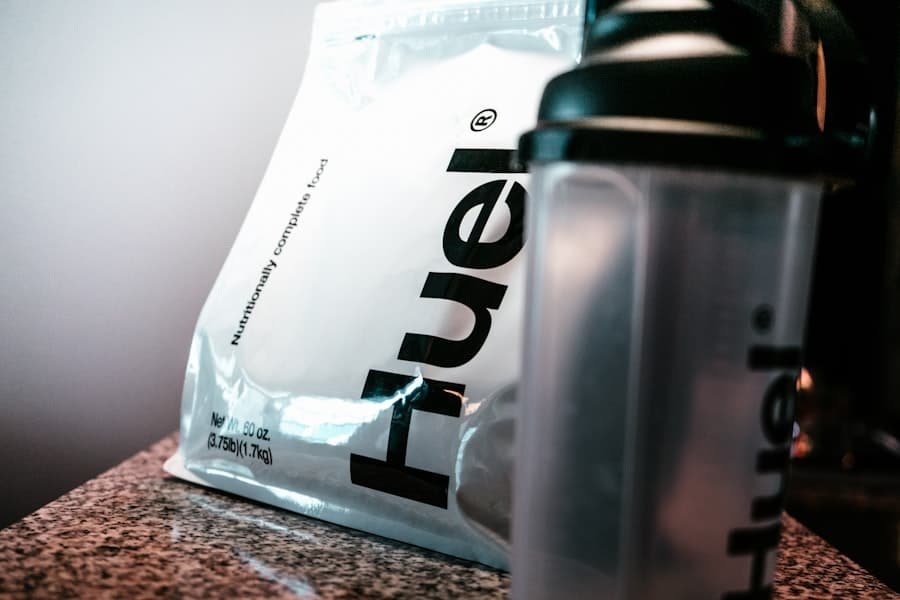
Hydration is often an overlooked aspect of nutrition that is vital to strength training performance. Your body loses fluids through sweat during workouts, which can lead to dehydration if not adequately replenished. Dehydration can impair strength, endurance, and overall performance levels.
To maintain optimal hydration levels, drink water consistently throughout the day rather than waiting until you feel thirsty. A good rule of thumb is to consume at least half of your body weight in ounces of water daily. For example, if you weigh 150 pounds, aim for at least 75 ounces of water daily.
Additionally, consider increasing your fluid intake when you engage in intense workouts or when temperatures are high. During workouts lasting longer than an hour or involving high-intensity intervals, consider incorporating electrolyte-rich beverages to replenish lost minerals such as sodium and potassium. This will help maintain fluid balance and prevent cramping during exercise.
Supplements for Strength Training
However, it’s essential to approach supplementation cautiously and prioritize whole foods first. Protein powders are among the most popular supplements among strength trainers due to their convenience and effectiveness in meeting protein needs post-workout.
Whey protein is favored for its rapid absorption rate, making it an excellent choice for post-exercise recovery. Plant-based protein powders are also available for those who prefer non-dairy options. Creatine is another widely researched supplement that enhances strength and power output during high-intensity training sessions.
It increases phosphocreatine stores in the muscles, allowing for improved ATP production during short bursts of activity. If you decide to incorporate supplements into your routine, consult a healthcare professional or registered dietitian to ensure they align with your needs and goals.
Meal Timing for Strength Training
Meal timing can significantly impact your strength training results by optimizing nutrient availability around workouts. While daily nutrient intake is crucial, strategically timing your meals can enhance performance and recovery. Regular meals throughout the day ensure that your body has a steady supply of nutrients available for energy production and muscle repair.
Aim for three balanced meals and healthy snacks throughout the day to maintain energy levels and support muscle growth. Additionally, consider implementing nutrient-timing strategies around your workouts by consuming pre-and post-workout meals or snacks that align with your training schedule. This approach maximizes energy availability during workouts while promoting effective recovery afterward.
Nutrition is essential for achieving optimal results in strength training. By focusing on macronutrients and micronutrients, pre- and post-workout nutrition, hydration strategies, supplementation when necessary, and meal timing practices, you can create a comprehensive nutrition plan that effectively supports your strength training goals.
Remember that every individual is unique; therefore, finding what works best for you may take some time as you navigate this journey toward improved strength and fitness.
To learn more about how much protein women need to build muscle, check out the article How Much Protein to Build Muscle: Women’s Guide.
This article provides valuable information on the importance of protein intake for muscle growth in women. Additionally, you want to integrate functional training into your strength training routine. In that case, the article Integrating Functional Training for Real-World Strength offers tips and advice on how to do so effectively. Lastly, suppose you are concerned about building muscle without gaining excess weight. In that case, the article How to Build Muscle But Not Gain Weight provides strategies for achieving lean muscle mass without unwanted weight gain.
FAQs
What is strength training?
Strength training is a type of physical activity that uses resistance to improve muscle strength, endurance, and size. It typically involves using weights, resistance bands, or bodyweight exercises to challenge the muscles.
Why is nutrition important for strength training?
Nutrition is essential for strength training because it provides the body with the energy and nutrients to support muscle growth, repair, and recovery. Proper nutrition can also help improve performance and reduce the risk of injury during strength training.
What are some key nutrients for strength training?
Key nutrients for strength training include protein, carbohydrates, and healthy fats. Protein is essential for muscle repair and growth, carbohydrates provide energy for workouts, and healthy fats support overall health and hormone production.
How much protein do I need for strength training?
The amount of protein needed for strength training varies depending on factors such as body weight, intensity of training, and individual goals. However, a general guideline is to consume 1.2 to 2.2 grams of protein per kilogram of body weight per day for those engaging in strength training.
What are some good sources of carbohydrates for strength training?
Whole grains, fruits, vegetables, and legumes are good sources of carbohydrates for strength training. These foods provide a steady energy source to fuel workouts and support muscle recovery.
How can hydration impact strength training?
Proper hydration is essential for strength training as it helps regulate body temperature, maintain electrolyte balance, and support muscle function. Dehydration can lead to decreased performance, fatigue, and increased risk of injury during strength training.
Are supplements necessary for strength training?
While it is possible to meet nutrient needs through whole foods, some individuals may benefit from supplements to support their strength training goals. Common supplements for strength training include protein powders, creatine, and branched-chain amino acids. It is essential to consult with a healthcare professional before starting any new supplements.
Related Topics About Nutrition for Strength Training
How Much Protein For Strength Training,
How Much Protein Should I Eat For Strength Training,
Nutrition For Beginner Strength Training,
Nutrition For Strength,
Nutrition For Strength Training,
Nutrition For Strength Training And Weight Loss,
Nutrition For Strength Training Book,
Nutrition For Strength Training Women,
Nutrition Plan For Strength Training,
Nutritional Requirements For Strength Training,
Nutritional Supplements For Strength Training,
Post Workout Nutrition For Strength Training,
Pre Workout Nutrition For Strength Training,
Protein For Strength Training Women,
What To Eat When Strength Training,
Why Is Nutrition Important For Strength Training
=============
Content 10/10/G