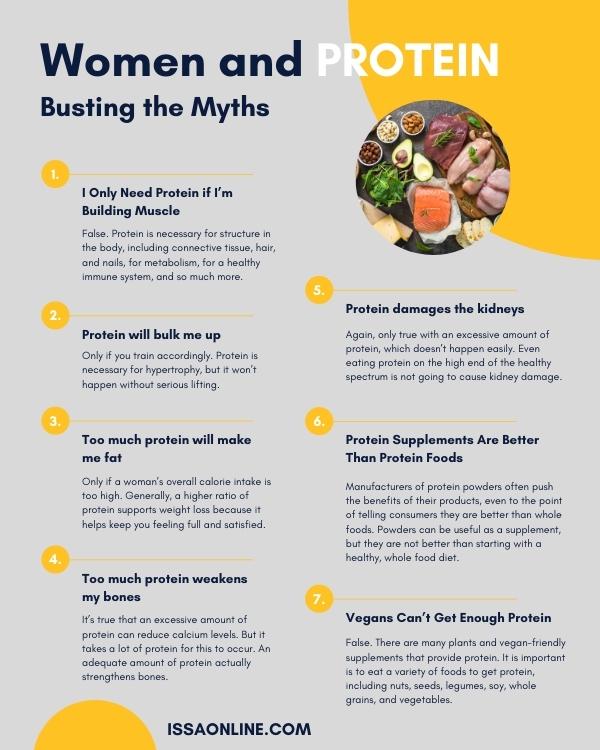
Hey there! Have you ever wondered just how much protein you need to consume in order to effectively build muscle as a woman? In this article, we will break down the recommended daily intake of protein for women looking to build muscle, as well as the importance of protein in muscle growth and overall fitness. Whether you’re a seasoned gym-goer or just starting out on your fitness journey, understanding the role of protein in muscle building can help you achieve your goals faster and more efficiently. Let’s dive in and explore how much protein you need to build muscle as a woman!
Hey there! Are you a woman looking to build muscle but feeling overwhelmed by all the conflicting information out there on protein intake? Don’t worry, I’ve got you covered. In this article, we’re going to break down everything you need to know about how much protein you need to build muscle as a woman. Let’s dive in!
Understanding the Role of Protein in Building Muscle
Protein is an essential macronutrient that plays a crucial role in building, repairing, and maintaining muscle tissue. When you engage in strength training or resistance exercises, you create microscopic tears in your muscle fibers. Protein is then used to repair and rebuild these fibers, leading to muscle growth over time.
So yes, protein is absolutely essential for building muscle, regardless of your gender. But how much do you actually need? Let’s find out.
How Much Protein Do Women Need to Build Muscle?
The recommended dietary allowance (RDA) for protein is 0.8 grams per kilogram of body weight for the average sedentary adult. However, if you’re looking to build muscle, this amount may not be enough.
When it comes to muscle building, research suggests that consuming between 1.2 to 2.2 grams of protein per kilogram of body weight per day is optimal. This range ensures that you’re providing your muscles with an adequate amount of protein to support growth and repair.

Factors That Affect Your Protein Needs
Activity Level
Your protein needs can vary based on how active you are. If you’re engaging in regular strength training or other forms of intense exercise, you’ll likely need more protein to support muscle repair and growth.
Age
As we age, our bodies become less efficient at building and maintaining muscle mass. This is known as sarcopenia. To counteract this natural process, older women may need to increase their protein intake to preserve muscle mass.
Body Composition
Those with a higher percentage of muscle mass may require more protein to support their muscle-building goals. If you have a higher muscle-to-fat ratio, you may need to consume more protein to maintain and build muscle mass.
Goals
Your specific fitness goals will also play a role in determining how much protein you need. If you’re looking to significantly increase muscle mass, you may need to consume more protein than someone who is simply trying to maintain their current muscle mass.
How to Calculate Your Protein Needs
To determine your individual protein needs for muscle building, you can use the following formula:
Protein intake per day (in grams) = Body weight (in kilograms) x Protein intake range (1.2 to 2.2 grams)
For example, if you weigh 65 kilograms and fall within the recommended protein intake range of 1.2 to 2.2 grams per kilogram of body weight, your protein needs would be:
65 kg x 1.2 g = 78 grams of protein 65 kg x 2.2 g = 143 grams of protein
So in this case, you would aim to consume between 78 to 143 grams of protein per day to support your muscle-building goals.
Best Sources of Protein for Muscle Building
When it comes to meeting your protein needs, not all sources are created equal. Some sources of protein are higher in quality and contain a better amino acid profile to support muscle growth. Here are some of the best sources of protein for muscle building:
Lean Meat
Lean meats such as chicken, turkey, and lean cuts of beef are excellent sources of high-quality protein. They are also rich in essential nutrients like iron and zinc, which are crucial for muscle health.
Fish
Fish is a great source of lean protein and essential omega-3 fatty acids. Fatty fish like salmon, mackerel, and sardines are particularly beneficial for muscle recovery and growth.
Eggs
Eggs are a complete protein source, which means they contain all nine essential amino acids. They are also rich in choline, a nutrient that plays a key role in muscle function.
Dairy
Dairy products like Greek yogurt, cottage cheese, and milk are rich in protein and contain beneficial nutrients like calcium and vitamin D. They are great options for supporting muscle growth and recovery.
Plant-Based Proteins
If you follow a plant-based diet, there are plenty of protein-rich options available. Legumes, nuts, seeds, tofu, and tempeh are all excellent sources of plant-based protein that can support muscle building.
Tips for Incorporating Protein Into Your Diet
Meal Prep
Planning and preparing your meals in advance can help ensure that you’re getting an adequate amount of protein throughout the day. Prepare protein-rich meals and snacks ahead of time to make healthy eating easier.
Protein Supplements
If you struggle to meet your protein needs through whole foods alone, protein supplements can be a convenient option. Protein powders, bars, and shakes can provide a quick and easy way to boost your protein intake.
Protein Timing
While the total amount of protein you consume is important, the timing of your protein intake can also play a role in muscle growth. Aim to consume protein-rich meals or snacks within an hour or two of your workouts to support muscle repair and recovery.
Spread Out Your Protein Intake
Instead of loading up on protein at one meal, try to spread your protein intake throughout the day. This can help optimize muscle protein synthesis and ensure that your muscles have a steady supply of amino acids for growth and repair.

Potential Risks of Consuming Too Much Protein
While protein is essential for muscle building, consuming excessive amounts can have negative effects on your health. Some potential risks of consuming too much protein include:
- Kidney damage: High protein intake can put strain on the kidneys and may worsen existing kidney conditions.
- Nutritional deficiencies: Focusing too much on protein can lead to imbalances in other essential nutrients in your diet.
- Digestive issues: Consuming large amounts of protein can cause digestive discomfort and may lead to constipation or other GI issues.
It’s important to strike a balance and consume protein in moderation to support your muscle-building goals without compromising your overall health.
Building muscle as a woman is a rewarding and empowering journey, and protein plays a vital role in helping you achieve your goals. By understanding how much protein you need, choosing quality protein sources, and incorporating protein into your diet effectively, you can support muscle growth and strength development.
Remember that everyone’s protein needs are unique, so it may take some trial and error to find the right amount that works for you. Listen to your body, track your progress, and adjust your protein intake as needed to optimize your muscle-building results.
I hope this article has provided you with valuable insights into how much protein you need to build muscle as a woman. Remember, fuel your body, work hard, and watch your muscles grow stronger every day!
Related Topics About How Much Protein To Build Muscle Women
How Many Grams Of Protein Per Day To Build Muscle Female,
How Much Protein Should A Woman Eat To Gain Muscle,
How Much Protein To Build Muscle And Lose Fat,
How Much Protein To Build Muscle And Lose Fat Calculator,
How Much Protein To Build Muscle And Lose Fat Reddit,
How Much Protein To Build Muscle And Lose Weight,
How Much Protein To Build Muscle In A Day,
How Much Protein To Build Muscle In Grams,
How Much Protein To Build Muscle In Lbs,
How Much Protein To Build Muscle In Women,
How Much Protein To Build Muscle Study,
How Much Protein To Build Muscle Women,
How Much Protein To Gain Muscle And Weight