As you embark on your journey of muscle building, it’s essential to recognize that age is not merely a number; it plays a significant role in how your body responds to exercise and strength training. Whether you are in your twenties, forties, or sixties, understanding the relationship between age and muscle development can empower you to tailor your fitness regimen effectively. Muscle building is a lifelong endeavor, and with the right knowledge and approach, you can achieve your goals regardless of your age.
The process of building muscle involves a complex interplay of factors, including genetics, training intensity, and recovery. However, age introduces unique challenges and advantages that can influence your progress. By acknowledging these factors, you can create a more effective strategy that aligns with your current life stage.
This article will explore the various aspects of muscle building as they relate to age, providing insights that can help you maximize your potential at any stage of life.
Key Takeaways
- As we age, muscle building becomes more challenging due to natural physiological changes.
- Hormonal changes, such as decreased testosterone levels, can impact muscle building in older individuals.
- Older individuals may have an advantage in muscle building due to greater muscle maturity and experience.
- Nutrition and recovery play a crucial role in muscle building for individuals of all ages.
- Strategies for overcoming age-related challenges in muscle building include adjusting training intensity and focusing on proper form.
Age-Related Challenges in Muscle Building
The Natural Decline of Muscle Mass and Strength
One of the most significant factors affecting muscle building is the natural decline in muscle mass and strength, known as sarcopenia. This process typically begins around the age of 30 and accelerates after 60.
The Impact on Muscle Gain and Recovery
As a result, you may find it increasingly challenging to gain muscle or maintain strength as you grow older. This decline can be disheartening, especially if you have been active throughout your life. Additionally, recovery times tend to lengthen with age. After an intense workout, your body may require more time to repair and rebuild muscle fibers.
Adapting to the Changes
This slower recovery can hinder your ability to train consistently and effectively. You might notice that what once felt like a manageable workout now leaves you feeling fatigued for days. Understanding these challenges is crucial for developing a realistic approach to your fitness goals.
Age-Related Advantages in Muscle Building
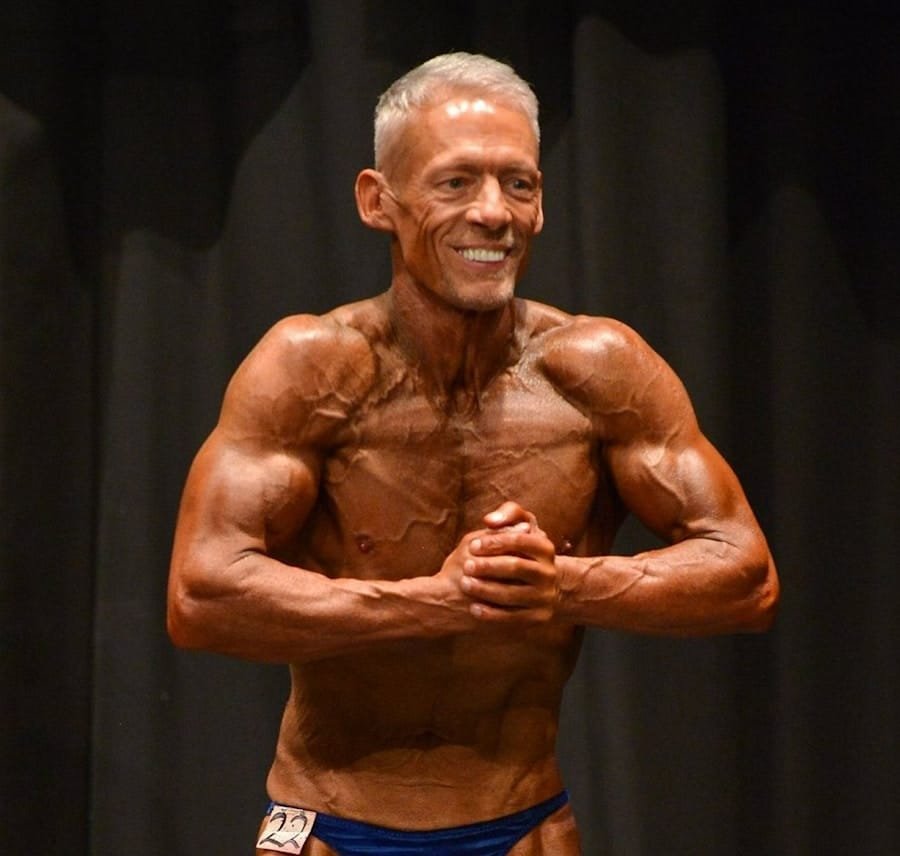
While age presents certain challenges, it also offers unique advantages that can enhance your muscle-building journey. For instance, with age often comes greater wisdom and experience in training techniques. You may have a better understanding of your body’s limits and how to push them safely.
This knowledge can lead to more effective workouts and a reduced risk of injury. Moreover, older adults often possess a higher level of discipline and commitment to their fitness routines. Life experiences may have taught you the importance of consistency and perseverance, which are vital for muscle growth.
You may also have access to resources such as personal trainers or fitness classes tailored for older adults, allowing you to learn new techniques and stay motivated. Embracing these advantages can help you navigate the challenges of muscle building with confidence.
Impact of Hormonal Changes on Muscle Building
Hormonal changes are another critical factor that affects muscle building as you age. Testosterone and growth hormone levels naturally decline over time, which can impact your ability to build and maintain muscle mass. For men, testosterone is essential for muscle growth, while women also benefit from this hormone, albeit in lower levels.
As these hormones decrease, you may notice a reduction in strength and an increase in body fat. In addition to testosterone, other hormones such as insulin and cortisol play significant roles in muscle metabolism. Insulin sensitivity tends to decrease with age, making it more challenging for your body to utilize nutrients effectively for muscle repair and growth.
On the other hand, elevated cortisol levels due to stress can lead to muscle breakdown. Understanding these hormonal shifts can help you make informed decisions about your training and nutrition strategies.
Importance of Nutrition and Recovery for Different Age Groups
Nutrition is a cornerstone of any successful muscle-building program, but its importance varies across different age groups. As you age, your body’s nutritional needs change. For younger individuals, a diet rich in protein, carbohydrates, and healthy fats is crucial for fueling workouts and promoting recovery.
However, as you enter middle age and beyond, focusing on nutrient-dense foods becomes even more critical. Older adults may require higher protein intake to counteract the effects of sarcopenia and support muscle maintenance. Incorporating lean meats, dairy products, legumes, and plant-based proteins into your diet can help meet these needs.
Additionally, ensuring adequate hydration is vital for optimal performance and recovery at any age. You might also consider supplements like vitamin D or omega-3 fatty acids, which have been shown to support muscle health. Recovery practices also evolve with age.
While younger individuals may bounce back quickly from intense workouts, older adults should prioritize rest and recovery strategies such as stretching, foam rolling, and adequate sleep. These practices not only aid in muscle repair but also help prevent injuries that could sideline your progress.
Strategies for Overcoming Age-Related Challenges in Muscle Building
Focus on Strength Training
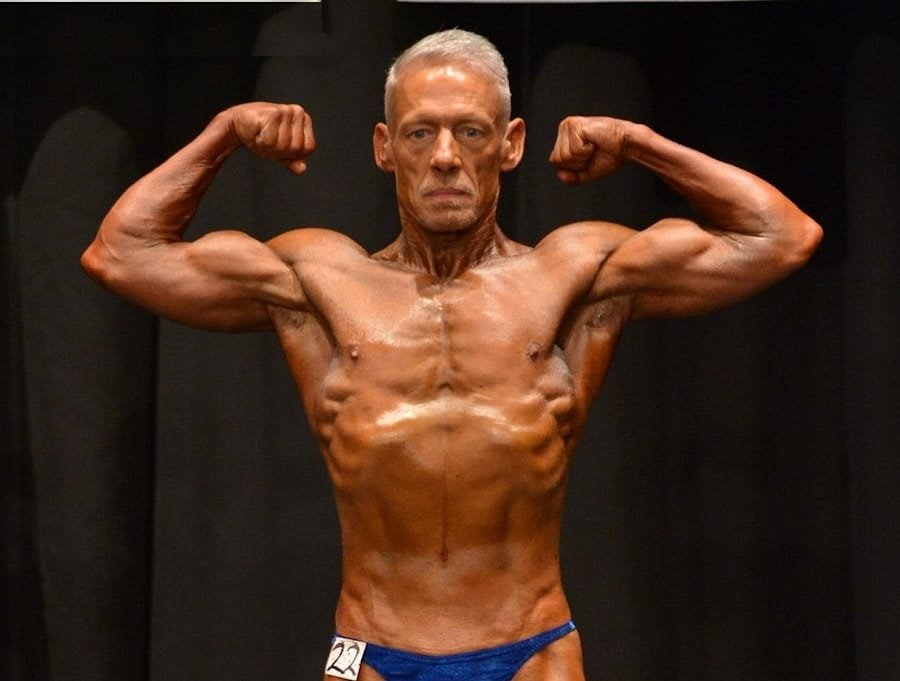
First and foremost, focus on strength training exercises that promote muscle growth. Incorporating compound movements such as squats, deadlifts, and bench presses can engage multiple muscle groups simultaneously, maximizing your workout efficiency.
Listen to Your Body
Additionally, consider adjusting your training frequency and intensity based on your recovery capacity. You might find that training three times a week with a focus on full-body workouts yields better results than attempting to follow a more traditional split routine. Listening to your body is key; if you feel fatigued or sore, don’t hesitate to take an extra rest day or modify your workout.
Incorporate Functional Training
Another effective strategy is to incorporate functional training into your routine. This type of training emphasizes movements that mimic everyday activities, improving strength and stability while reducing the risk of injury. Exercises like lunges, step-ups, and balance work can enhance your overall fitness level while making daily tasks easier.
Tips for Maximizing Muscle Building Potential at Different Ages
Regardless of your age, there are several tips you can implement to maximize your muscle-building potential. For younger individuals in their twenties or thirties, focus on establishing a solid foundation of strength through consistent training and proper nutrition. Experiment with different workout styles—such as high-intensity interval training (HIIT) or circuit training—to find what works best for you.
As you transition into middle age, prioritize recovery strategies alongside your workouts. Incorporate yoga or Pilates into your routine to improve flexibility and core strength while reducing stress levels. Additionally, consider tracking your progress through journaling or fitness apps; this can help keep you motivated and accountable.
For older adults, it’s crucial to maintain a positive mindset about fitness. Embrace the journey rather than fixating solely on results. Celebrate small victories along the way—whether it’s lifting heavier weights or completing an extra set—and remember that consistency is key.
Engaging in group classes or finding a workout buddy can also provide social support and motivation.
Embracing the Journey of Muscle Building at Any Age
In conclusion, muscle building is a journey that transcends age boundaries. While there are undeniable challenges associated with aging—such as hormonal changes and slower recovery—there are also numerous advantages that can enhance your experience. By understanding the unique aspects of muscle building at different life stages, you can develop a personalized approach that aligns with your goals.
Embrace the process of building strength and resilience at any age. With dedication to proper nutrition, effective training strategies, and a focus on recovery, you can achieve remarkable results regardless of where you are in life. Remember that every step forward is a victory worth celebrating; so lace up those sneakers and embark on this empowering journey toward better health and fitness!
Are There Any Age-related Challenges or Advantages when It Comes to Muscle Building? This article explores the impact of age on muscle building and provides insights into how individuals of different age groups can optimize their muscle-building efforts. For more information on muscle gain and weight gain, check out this article which delves into the relationship between muscle gain and weight gain. Additionally, if you are interested in learning about the role of supplements in building muscle, you may find this article informative. Lastly, for tips on how to build muscle and cut fat simultaneously, be sure to read this article.
FAQs
What are the age-related challenges when it comes to muscle building?
As individuals age, they may experience a decrease in muscle mass and strength, known as sarcopenia. This can make it more challenging to build and maintain muscle as one gets older.
What are the age-related advantages when it comes to muscle building?
Older individuals may have a better understanding of their bodies and their specific needs, which can help them make more informed decisions about their muscle-building efforts. Additionally, older individuals may have more time and resources to dedicate to their fitness goals.
How does age affect muscle recovery and injury risk?
As individuals age, their muscles may take longer to recover from intense workouts, and they may be more prone to injuries. It’s important for older individuals to pay close attention to proper warm-up and cool-down techniques and to listen to their bodies to prevent overexertion and injury.
What are some strategies for older individuals to overcome age-related challenges in muscle building?
Older individuals can benefit from incorporating resistance training, proper nutrition, and adequate rest into their fitness routines. It’s also important for older individuals to consult with a healthcare professional before starting a new exercise program to ensure it is safe and appropriate for their individual needs.