Welcome to the exciting world of muscle gain and weight gain! In this article, you will learn about the benefits of gaining muscle mass and how it can contribute to overall weight gain. With the right combination of diet and exercise, you can achieve the physique you desire while also improving your overall health and strength. So, let’s dive in and discover the secrets to achieving your fitness goals through muscle and weight gain! Have you been trying to build muscle but finding it hard to gain weight at the same time? It can be a tricky balance to strike, but with the right approach, you can achieve both muscle gain and weight gain effectively. In this article, we will explore the relationship between muscle gain and weight gain and provide you with tips and strategies to help you reach your goals. So, let’s dive in and learn more about how you can maximize your muscle gains while also increasing your overall weight.
Understanding Muscle Gain and Weight Gain
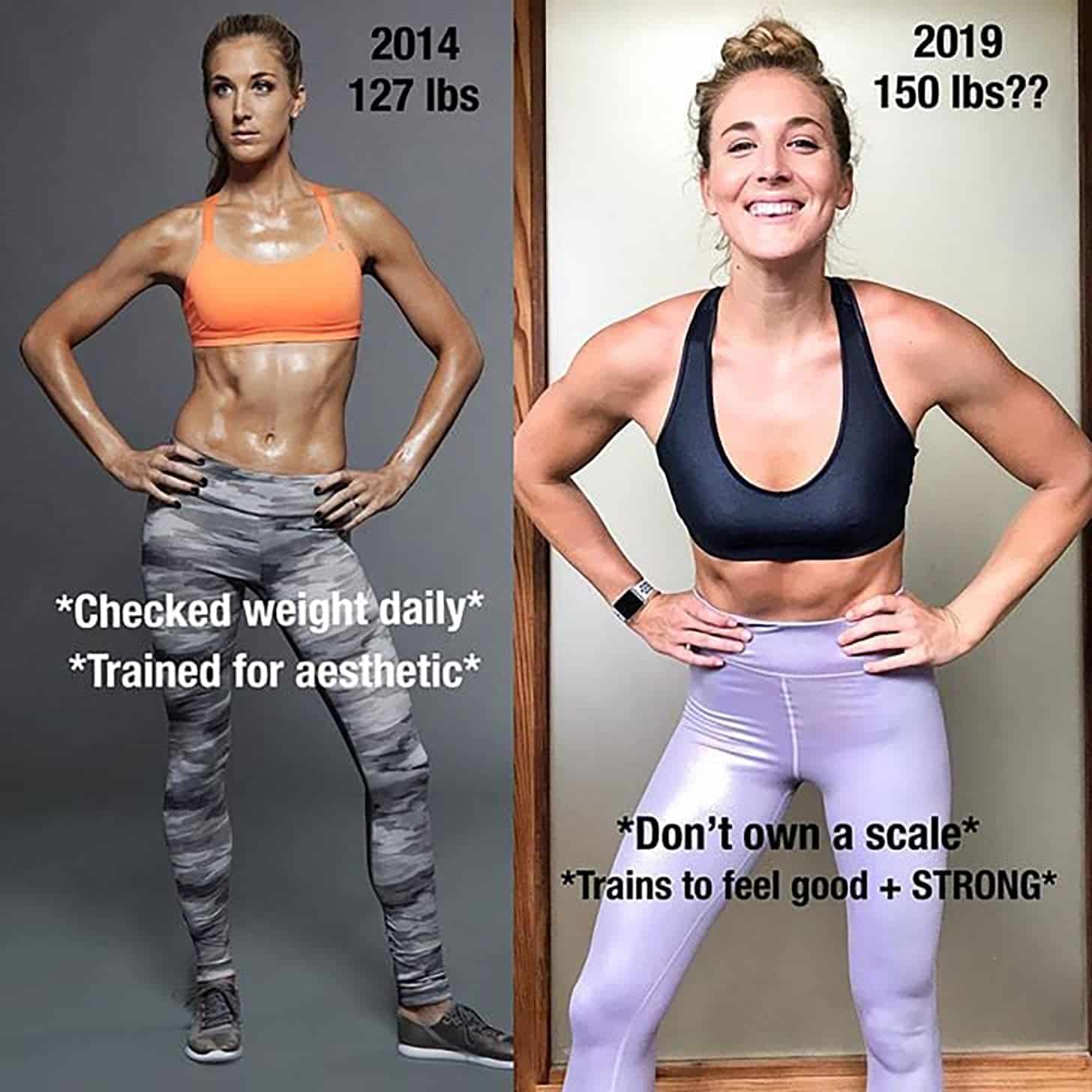
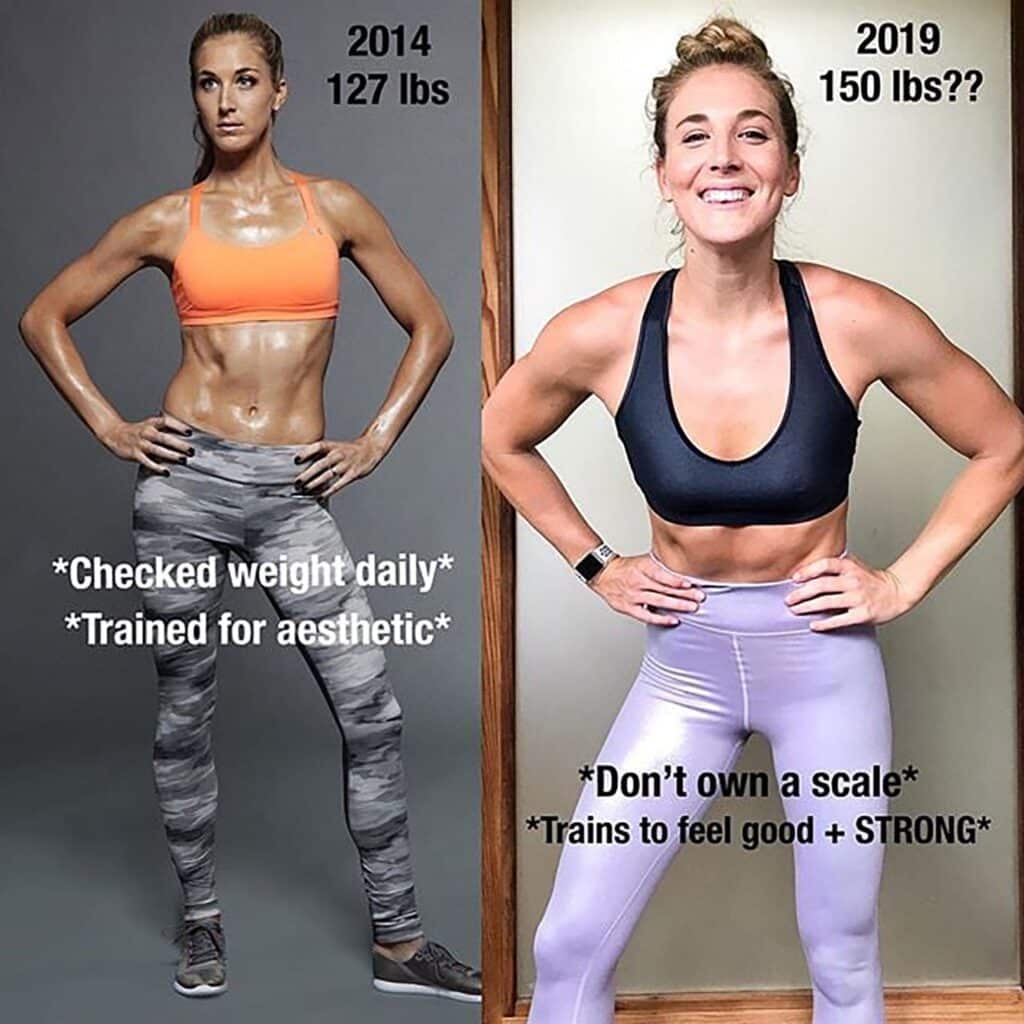
Building muscle and gaining weight are two goals that often go hand in hand. After all, muscle is denser than fat, so as you pack on muscle mass, you are likely to see an increase in your overall weight. However, it is essential to understand that muscle gain and weight gain are not always the same thing.
Muscle Gain
Muscle gain refers to the development of muscle tissue through a combination of resistance training, adequate protein intake, and rest. When you engage in strength training exercises, you create microscopic tears in your muscle fibers. The body repairs these tears during the recovery process, resulting in the growth of new muscle tissue. This process is known as muscle hypertrophy.
Weight Gain
Weight gain, on the other hand, refers to an increase in overall body weight, which could come from various sources, including muscle, fat, water, and glycogen. While building muscle can contribute to weight gain, it is not the only factor at play. Gaining weight can be achieved by consuming more calories than your body burns, leading to an excess energy intake that is stored as body weight.
Now that we have a better understanding of muscle gain and weight gain let’s delve into some strategies you can implement to promote both goals simultaneously.
Nutrition for Muscle and Weight Gain
Nutrition plays a crucial role in both muscle gain and weight gain. To effectively build muscle and increase your overall weight, you need to fuel your body with the right nutrients in the right amounts. Here are some nutrition tips to consider:
Caloric Surplus
To gain weight, you need to consume more calories than your body expends. This caloric surplus provides your body with the extra energy it needs to build muscle and support overall weight gain. Aim to consume an additional 250-500 calories per day to promote muscle growth while minimizing fat storage.
Protein Intake
Protein is the building block of muscle tissue, so adequate protein intake is essential for muscle gain. Aim to consume 1.2-2.2 grams of protein per kilogram of body weight to support muscle growth and repair. Good sources of protein include lean meats, poultry, fish, eggs, dairy, legumes, and plant-based protein sources.
Carbohydrates and Fats
Carbohydrates and fats are also crucial for providing energy to fuel your workouts and support muscle growth. Include complex carbohydrates such as whole grains, fruits, and vegetables in your diet to replenish glycogen stores and sustain energy levels. Healthy fats from sources like avocados, nuts, seeds, and olive oil are essential for hormone production and overall health.
Strength Training for Muscle Gain
Strength training is the cornerstone of muscle gain. By engaging in resistance exercises that target major muscle groups, you can stimulate muscle growth and strength development. Here are some key principles to keep in mind when designing a strength training program for muscle gain:
Progressive Overload
Progressive overload is the principle of gradually increasing the demands placed on your muscles over time. By consistently challenging your muscles with heavier weights, more reps, or shorter rest intervals, you can promote muscle growth and strength gains. Track your progress and make incremental adjustments to your training routine to continue challenging your muscles.
Compound Exercises
Compound exercises involve multiple muscle groups and joints working together to perform a movement. These exercises, such as squats, deadlifts, bench presses, and pull-ups, are highly effective for building muscle mass and strength. Incorporate compound exercises into your routine to maximize muscle activation and growth.
Muscle-Specific Exercises
In addition to compound exercises, include muscle-specific exercises that target individual muscle groups. Isolation exercises like bicep curls, tricep extensions, and calf raises can help address muscle imbalances, strengthen weak areas, and further stimulate muscle growth. Focus on proper form and technique to ensure maximum muscle engagement and minimize the risk of injury.
Cardiovascular Exercise for Weight Gain
While strength training is essential for muscle gain, cardiovascular exercise can also play a role in supporting weight gain goals. By incorporating cardio into your routine strategically, you can improve your cardiovascular fitness, enhance recovery, and promote overall health. Here are some tips for integrating cardio into your workout regimen:
Moderate Intensity
Opt for moderate-intensity cardio activities such as walking, cycling, swimming, or elliptical training. These activities elevate your heart rate without overly taxing your muscles or interfering with recovery. Aim for 30-60 minutes of cardio per session, 2-4 times per week, depending on your fitness level and goals.
Post-Workout Cardio
Performing cardio after your strength training workout can help enhance recovery by promoting blood flow and flushing out metabolic byproducts. Consider incorporating 10-20 minutes of light cardio, such as walking or cycling, at the end of your strength training session to aid in recovery and support recovery.
High-Intensity Interval Training (HIIT)
HIIT workouts involve short bursts of intense exercise followed by brief periods of rest or low-intensity activity. HIIT can be an effective way to improve cardiovascular fitness, burn calories, and support weight gain goals. Incorporate 1-2 HIIT sessions per week to complement your strength training routine and promote overall fitness.

Recovery and Rest for Optimal Results
Rest and recovery are essential components of any muscle and weight gain program. Adequate rest allows your muscles to repair and grow, hormones to rebalance, and energy levels to replenish. Here are some recovery tips to optimize your results:
Sleep
Prioritize quality sleep to support muscle recovery, hormone production, and overall health. Aim for 7-9 hours of quality sleep per night to allow your body to repair and regenerate effectively. Create a sleep-friendly environment by keeping your room dark, quiet, and cool to promote restful sleep.
Active Recovery
Incorporate active recovery activities such as yoga, stretching, foam rolling, or light walking to promote blood flow, reduce muscle soreness, and improve flexibility. Active recovery can help speed up the recovery process, prevent injury, and enhance overall performance.
Rest Days
Allow your body time to rest and recover by scheduling regular rest days into your training program. Rest days are crucial for preventing overtraining, reducing the risk of injury, and allowing your muscles to repair and grow. Listen to your body’s signals and adjust your training schedule accordingly to support recovery.
Supplementation for Muscle and Weight Gain
While proper nutrition should always be your primary focus, supplements can be a helpful addition to support muscle gain and weight gain goals. Here are some key supplements to consider incorporating into your regimen:
Whey Protein
Whey protein is a fast-digesting protein source that can be easily absorbed by the body to support muscle recovery and growth. Consider adding a whey protein supplement to your post-workout shake to enhance protein intake and promote muscle repair.
Creatine
Creatine is a naturally occurring compound that plays a key role in energy production during high-intensity exercise. Supplementing with creatine can help increase muscle strength, power, and overall performance. Consider taking creatine monohydrate as part of your pre-workout routine to support muscle gains.
Branched-Chain Amino Acids (BCAAs)
BCAAs are essential amino acids that play a crucial role in muscle protein synthesis and recovery. Supplementing with BCAAs can help reduce muscle breakdown, support muscle repair, and enhance recovery. Consider taking BCAAs before and after your workouts to maximize their benefits.
Monitoring Your Progress
To track your muscle gain and weight gain progress effectively, consider monitoring key metrics and adjusting your approach as needed. Here are some methods for evaluating your progress:
Body Measurements
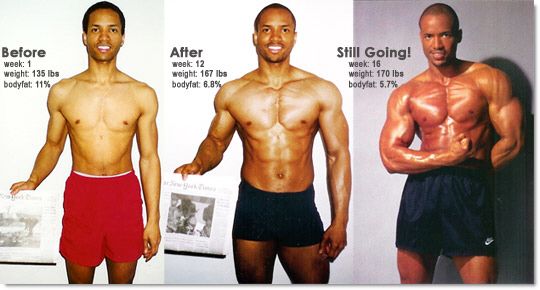
Take regular body measurements, including weight, body fat percentage, and circumference measurements of key body parts. By tracking these metrics over time, you can assess changes in muscle mass and overall weight.
Strength Progressions
Keep a workout log to track your strength gains and progressions over time. Record the weights, reps, and sets you perform for each exercise to monitor improvements in strength and muscle growth.
Performance Indicators
Pay attention to performance indicators such as workout intensity, energy levels, recovery times, and overall fitness improvements. By monitoring these indicators, you can gauge the effectiveness of your training program and make necessary adjustments.
Building muscle and gaining weight are achievable goals that require a consistent and dedicated approach. By focusing on proper nutrition, strength training, cardiovascular exercise, recovery and rest, supplementation, and progress monitoring, you can optimize your muscle and weight gain journey. Remember that results take time, so stay patient, stay committed, and stay focused on your goals. With dedication and perseverance, you can achieve the muscle gain and weight gain results you desire. Best of luck on your fitness journey!
Related Topics About Muscle Gain And Weight Gain
Can Gaining Muscle Cause Weight Gain,
Can You Gain Weight From Muscle Gain,
Does Increasing Weight Increase Muscle Mass,
Gain Muscle And Weight Exercises,
How To Gain Muscle Fast And Gain Weight,
Is Gaining Muscle Gaining Weight,
Muscle Building Weight Loss Exercise,
Muscle Gain And Fat Loss Calculator,
Muscle Gain And Weight Loss Workout,
Muscle Gain And Weight Training,
Muscle Gain To Fat Loss Ratio,
Muscle Mass Weight Gain Rate,
Muscle Weight Gain Running,
Why Am I Gaining Weight And Muscle