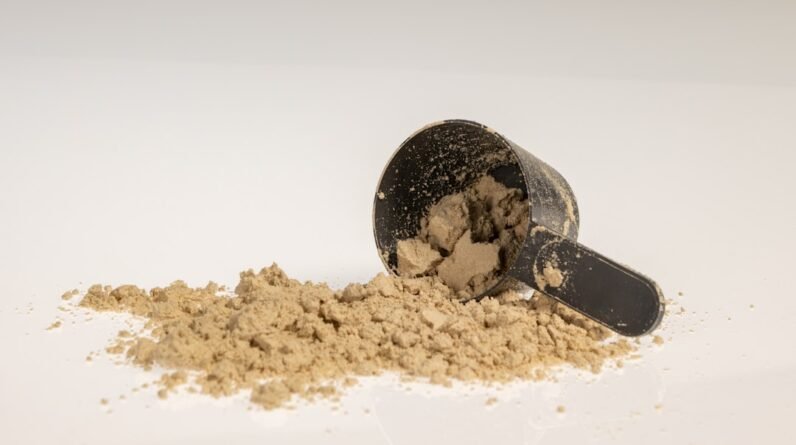
Protein powder has become a staple in the fitness and nutrition world, often touted as a quick and convenient way to boost your protein intake. At its core, protein powder is a dietary supplement that provides concentrated sources of protein derived from various sources, including whey, casein, soy, pea, and rice. Understanding the different types of protein powders available can help you make informed choices that align with your dietary needs and fitness goals.
Each type of protein powder has its unique amino acid profile, absorption rates, and potential benefits, making it essential for you to consider what works best for your body. When you consume protein powder, you are essentially providing your body with the building blocks it needs to repair and build muscle tissue. This is particularly important if you engage in regular exercise or strength training.
The convenience of protein powder allows you to easily incorporate it into your daily routine, whether you mix it into smoothies, oatmeal, or even baked goods. However, it’s crucial to remember that while protein powder can be a beneficial supplement, it should not replace whole food sources of protein in your diet. Whole foods provide additional nutrients that are vital for overall health, so striking a balance between the two is key.
Key Takeaways
- Protein powder is a convenient way to increase protein intake, which is essential for muscle growth and repair.
- Protein powder can help improve muscle mass, strength, and recovery after exercise.
- Consider factors such as protein source, additives, and personal dietary needs when choosing the right protein powder.
- Protein powder can be easily added to smoothies, oatmeal, yogurt, and baked goods to increase protein content in your diet.
- Ready-to-drink shakes, protein bars, and single-serve packets are convenient options for incorporating protein powder into your routine.
Benefits of Protein Powder for Muscle Gain
One of the primary reasons individuals turn to protein powder is its effectiveness in supporting muscle gain. When you engage in resistance training or high-intensity workouts, your muscles undergo stress and micro-tears. Protein plays a critical role in repairing these tears and promoting muscle growth.
By supplementing with protein powder, you can ensure that your body has an adequate supply of amino acids to facilitate recovery and muscle synthesis. This is particularly beneficial for those who may struggle to meet their protein needs through food alone. In addition to aiding muscle recovery, protein powder can also enhance your overall workout performance.
Consuming protein before or after your workouts can help improve muscle strength and endurance. This means that not only will you be able to lift heavier weights or perform more repetitions, but you may also experience less fatigue during your workouts. Furthermore, protein has a satiating effect, which can help you manage hunger and maintain a healthy weight while building muscle.
This combination of benefits makes protein powder an invaluable tool in your fitness arsenal.
How to Choose the Right Protein Powder
Choosing the right protein powder can feel overwhelming given the myriad of options available on the market today. To make an informed decision, start by considering your dietary preferences and any allergies you may have. For instance, if you are lactose intolerant or follow a vegan diet, plant-based protein powders such as pea or brown rice protein may be more suitable for you.
On the other hand, if you are looking for a complete protein source with a high biological value, whey protein is often regarded as one of the best options due to its rapid absorption and rich amino acid profile. Next, pay attention to the ingredient list and nutritional content of the protein powder you are considering. Look for products that contain minimal additives and fillers.
Ideally, the protein source should be the first ingredient listed, and it should provide a substantial amount of protein per serving—typically around 20-30 grams. Additionally, consider whether you want a protein powder with added ingredients such as vitamins, minerals, or digestive enzymes that can enhance its benefits. Ultimately, the right choice will depend on your individual goals, preferences, and any dietary restrictions you may have.
Incorporating Protein Powder into Your Diet
Incorporating protein powder into your daily diet can be both simple and enjoyable. One of the most popular ways to consume protein powder is by mixing it into smoothies or shakes. You can blend it with fruits like bananas or berries, add some spinach for extra nutrients, and even include nut butter for healthy fats.
This not only creates a delicious drink but also provides a balanced meal that fuels your body post-workout or as a meal replacement. Another effective way to use protein powder is by adding it to your favorite recipes. You can mix it into oatmeal or yogurt for breakfast, sprinkle it on top of pancakes or waffles, or even incorporate it into baked goods like muffins or energy bars.
This versatility allows you to enjoy the benefits of protein without feeling like you’re consuming a supplement in isolation. By creatively integrating protein powder into various meals and snacks throughout the day, you can easily meet your protein needs while enjoying a diverse diet.
Easy-to-Use Protein Powder Options
If you’re looking for convenience without sacrificing quality, there are several easy-to-use protein powder options available that cater to different lifestyles. Ready-to-drink protein shakes are an excellent choice for those on the go; they require no preparation and can be consumed anywhere. These shakes often come in various flavors and formulations, making it easy for you to find one that suits your taste preferences.
For those who prefer a more customizable approach, single-serving protein powder packets are another great option. These packets allow you to take your favorite protein powder with you wherever you go—whether it’s to the gym, work, or while traveling—ensuring that you always have access to a quick source of protein. Additionally, many brands offer pre-mixed protein powders that combine multiple sources of protein for enhanced benefits.
These options provide flexibility and ease of use while still delivering the essential nutrients your body needs.
Protein Powder Recipes for Muscle Gain
To maximize the benefits of protein powder for muscle gain, consider trying out some delicious recipes that incorporate this supplement into your meals. One popular option is a high-protein smoothie bowl. Start by blending together a scoop of your favorite protein powder with frozen fruits like berries or mangoes and a splash of almond milk until smooth.
Pour the mixture into a bowl and top it with sliced fruits, nuts, seeds, and granola for added texture and flavor. Another fantastic recipe is protein-packed pancakes. Simply mix together oats, mashed bananas, eggs, and a scoop of protein powder to create a batter.
Cook them on a skillet until golden brown on both sides. These pancakes not only taste great but also provide a substantial amount of protein to fuel your day. You can even experiment with different flavors by adding cocoa powder or cinnamon to the batter for variety.
Tips for Maximizing Muscle Gain with Protein Powder
To truly maximize muscle gain with protein powder, timing and dosage are crucial factors to consider. Consuming protein shortly after your workouts—ideally within 30 minutes—can significantly enhance muscle recovery and growth. This post-workout window is when your muscles are most receptive to nutrients, making it an optimal time to replenish them with high-quality protein.
Additionally, aim to spread your protein intake throughout the day rather than consuming large amounts in one sitting. Research suggests that consuming around 20-30 grams of protein per meal can stimulate muscle protein synthesis effectively. By incorporating protein-rich foods and supplements at regular intervals throughout the day—such as breakfast, lunch, dinner, and snacks—you can create an environment conducive to muscle growth.
Potential Side Effects and Precautions for Using Protein Powder
While protein powder can be beneficial for many individuals seeking to enhance their muscle gain and overall nutrition, it’s essential to be aware of potential side effects and precautions associated with its use. Some people may experience digestive issues such as bloating or gas when consuming certain types of protein powders—especially those derived from dairy like whey or casein. If you notice any discomfort after consuming these products, consider switching to plant-based alternatives that may be easier on your digestive system.
Moreover, it’s important not to rely solely on protein supplements for your nutritional needs. Overconsumption of protein—whether from supplements or food—can lead to kidney strain in individuals with pre-existing conditions or excessive intake over time. Always consult with a healthcare professional or registered dietitian before making significant changes to your diet or incorporating new supplements into your routine.
By being mindful of these factors and using protein powder responsibly, you can enjoy its benefits while minimizing any potential risks associated with its use.
If you are looking to enhance your muscle gain results, consider incorporating a vegetarian muscle gain diet into your routine. This article on veg muscle gain diet provides valuable insights on how plant-based protein sources can help you achieve your fitness goals. Additionally, pairing your diet with a well-structured muscle gain workout plan, as discussed in this muscle gain workout plan article, can further optimize your muscle-building efforts. To ensure you are meeting your nutritional needs, you can also utilize a muscle gain diet calculator, as outlined in this muscle gain diet calculator article. By combining these resources with an easy-to-use protein powder, you can maximize your muscle gain potential.
FAQs
What is protein powder?
Protein powder is a dietary supplement that is typically made from whey, casein, soy, or egg proteins. It is used to supplement protein intake and promote muscle growth and repair.
How does protein powder help with muscle gain?
Protein powder provides the body with a concentrated source of protein, which is essential for muscle growth and repair. Consuming protein powder after a workout can help to promote muscle protein synthesis and aid in muscle recovery.
Is protein powder easy to use?
Yes, protein powder is easy to use. It can be mixed with water, milk, or added to smoothies and other recipes. It is a convenient way to increase protein intake, especially for those with busy lifestyles.
What are the benefits of using protein powder for muscle gain?
The benefits of using protein powder for muscle gain include increased muscle protein synthesis, improved muscle recovery, and convenience in meeting daily protein requirements. It can also help to support a healthy metabolism and aid in weight management.
Are there any potential side effects of using protein powder?
When used as directed, protein powder is generally safe for most people. However, consuming excessive amounts of protein powder can lead to digestive issues, such as bloating and discomfort. It is important to follow the recommended serving sizes and drink plenty of water when using protein powder.