Welcome to the ultimate muscle gain workout plan! In this article, you will discover a comprehensive workout plan designed to help you build and sculpt your muscles effectively. By following this plan, you will learn the best exercises, reps, and sets to maximize your muscle growth. Get ready to transform your physique and achieve your fitness goals with this muscle gain workout plan. Let’s get started on your journey to a stronger, leaner you! Have you ever wanted to boost your muscle gains and achieve your fitness goals faster? If the answer is yes, then you’ve come to the right place. This article will guide you through an effective Muscle Gain Workout Plan that will help you build strength, increase muscle mass, and improve your overall physical performance. So, let’s get started on your journey towards a stronger, fitter you!
Understanding Muscle Gain
Before diving into a Muscle Gain Workout Plan, it’s essential to understand the basics of muscle growth. When you engage in resistance training, such as weightlifting, your muscles undergo microscopic tears. As your body repairs these tears, your muscles become stronger and grow in size. This process is known as muscle hypertrophy.
Muscle Hypertrophy
Muscle hypertrophy is the scientific term for muscle growth. There are two main types of muscle hypertrophy: myofibrillar hypertrophy and sarcoplasmic hypertrophy. Myofibrillar hypertrophy involves an increase in the size and strength of your muscle fibers, while sarcoplasmic hypertrophy involves an increase in the fluid and energy stores within your muscle cells.
Understanding the difference between these two types of hypertrophy is crucial when designing a Muscle Gain Workout Plan. Depending on your fitness goals, you may want to focus on one type of hypertrophy over the other.
Designing Your Muscle Gain Workout Plan
Now that you have a basic understanding of muscle growth, it’s time to design your Muscle Gain Workout Plan. This plan will include a combination of resistance training, cardiovascular exercise, and proper nutrition to maximize your muscle gains.
Resistance Training
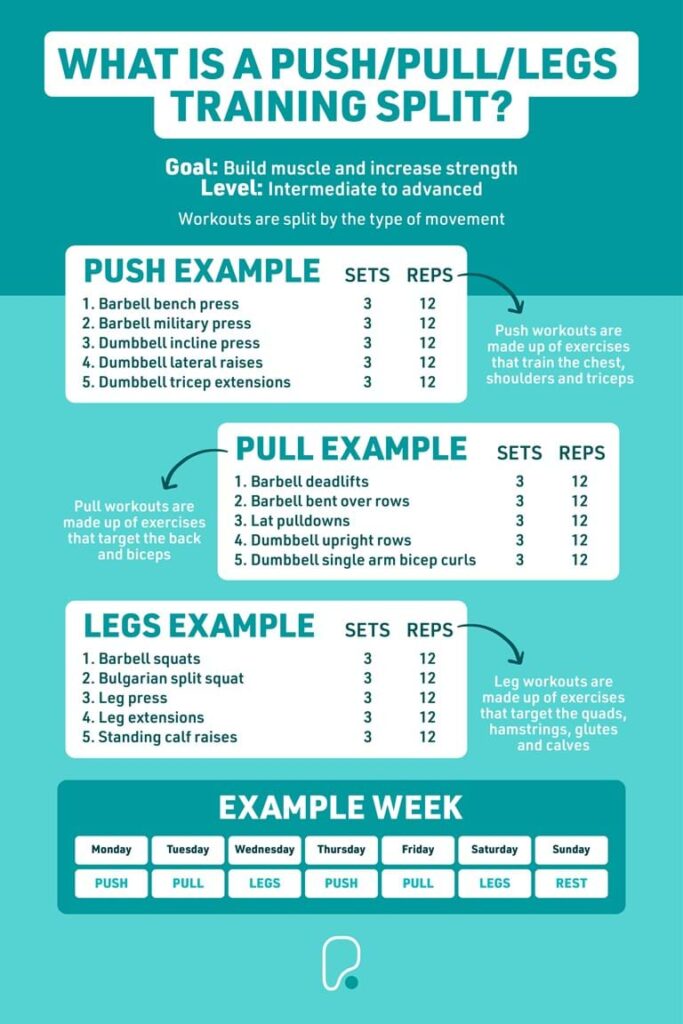
Resistance training, also known as strength training or weightlifting, is the foundation of any Muscle Gain Workout Plan. By challenging your muscles with resistance, you stimulate muscle growth and strength gains. Focus on compound exercises that target multiple muscle groups, such as squats, deadlifts, bench presses, and rows.
Include both free weights and machines in your resistance training routine to target different muscle fibers and improve overall muscle balance and strength. Aim to gradually increase the weight you lift as your muscles adapt to the resistance, ensuring continuous muscle growth.
Cardiovascular Exercise
While resistance training is crucial for muscle growth, cardiovascular exercise plays a significant role in supporting your overall fitness and muscle gains. Incorporate cardiovascular activities such as running, cycling, swimming, or HIIT workouts into your Muscle Gain Workout Plan to improve your cardiovascular health, endurance, and calorie burn.
Cardiovascular exercise also promotes blood circulation, delivering essential nutrients and oxygen to your muscles for optimal recovery and growth. Aim for at least 150 minutes of moderate-intensity cardio each week to complement your resistance training routine and boost your muscle gains.
Nutrition
Nutrition is a fundamental aspect of any successful Muscle Gain Workout Plan. Your muscles need a consistent supply of macronutrients – protein, carbohydrates, and fats – to repair and grow after exercise. Opt for lean protein sources such as chicken, fish, tofu, and legumes to support muscle tissue repair and growth.
Carbohydrates are essential for providing energy during your workouts and replenishing glycogen stores in your muscles. Include complex carbohydrates like whole grains, fruits, and vegetables in your diet to fuel your workouts and support muscle recovery. Don’t forget to include healthy fats such as avocado, nuts, and olive oil to support hormone production and overall health.
Hydration
Staying hydrated is essential for optimal muscle function and growth. Water plays a crucial role in transporting nutrients to your muscles, regulating body temperature, and flushing out toxins from your body. Drink at least 8-10 cups of water per day, and consider increasing your intake during intense workouts to prevent dehydration and support proper muscle recovery.
Weekly Muscle Gain Workout Plan
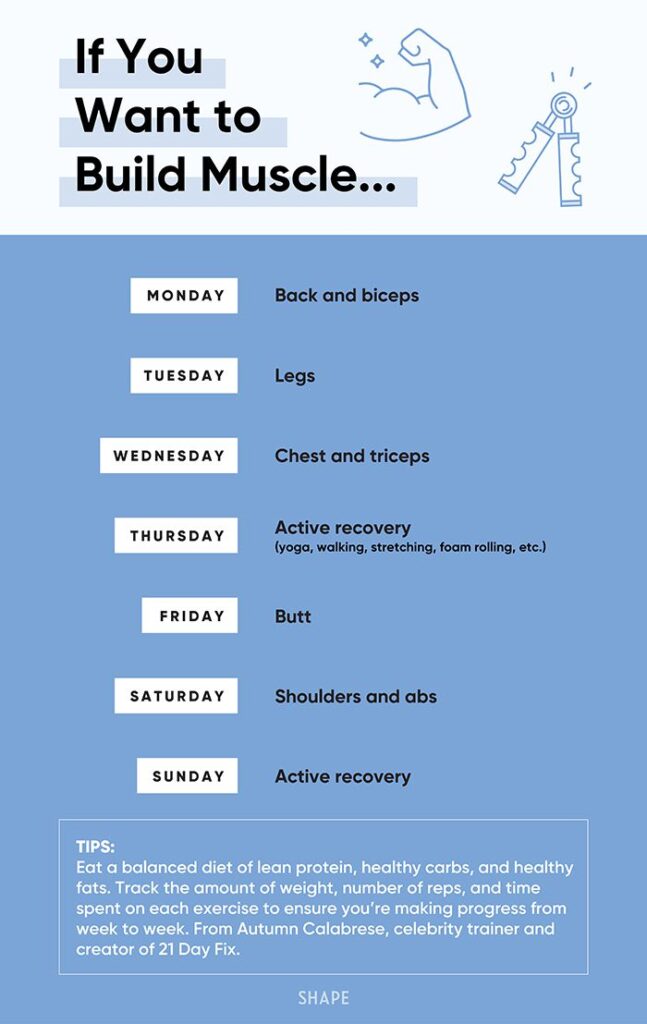
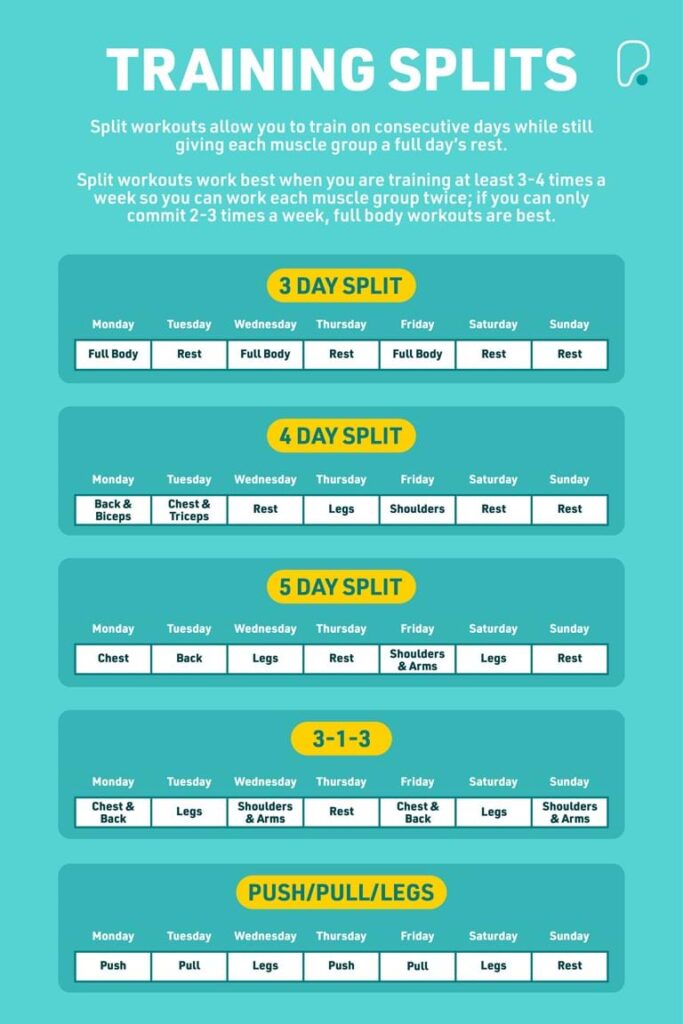
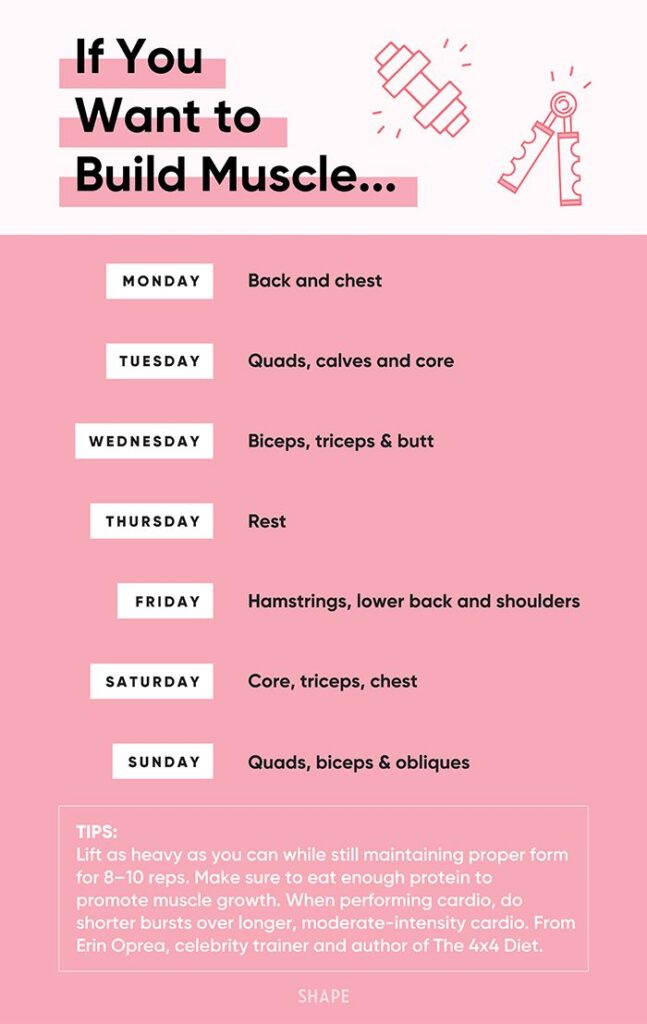
Now that you’ve designed the foundation of your Muscle Gain Workout Plan, it’s time to create a weekly workout schedule that combines resistance training, cardiovascular exercise, and proper nutrition. Below is a sample weekly workout plan to help you achieve your muscle gain goals.
Monday: Upper Body Strength Training
- Bench Press: 3 sets of 8-10 reps
- Pull-Ups: 3 sets of 8-10 reps
- Shoulder Press: 3 sets of 8-10 reps
- Bent-Over Rows: 3 sets of 8-10 reps
- Bicep Curls: 3 sets of 10-12 reps
- Tricep Dips: 3 sets of 10-12 reps
Tuesday: Cardiovascular Exercise
- HIIT Workout: 20 minutes
- Cycling or Running: 30 minutes
Wednesday: Rest or Active Recovery
- Stretching or Yoga: 30 minutes
- Light Cardio: 20 minutes
Thursday: Lower Body Strength Training
- Squats: 3 sets of 8-10 reps
- Deadlifts: 3 sets of 8-10 reps
- Lunges: 3 sets of 8-10 reps per leg
- Leg Press: 3 sets of 10-12 reps
- Calf Raises: 3 sets of 12-15 reps
Friday: Cardiovascular Exercise
- Swimming: 30 minutes
- Stair Climbing: 20 minutes
Saturday: Full Body Circuit Training
- Circuit 1: Burpees, Mountain Climbers, Russian Twists
- Circuit 2: Jump Squats, Push-Ups, Plank
- Circuit 3: Dumbbell Lunges, Renegade Rows, Bicycle Crunches
Sunday: Rest and Recovery
- Active Recovery: Light stretching or walk
Tracking Your Progress
To ensure the effectiveness of your Muscle Gain Workout Plan, it’s essential to track your progress and make adjustments as needed. Keep a workout journal to record your exercises, sets, reps, and weights used during each workout session. Track your body measurements, weight, and strength gains regularly to monitor your progress and identify areas for improvement.
Take progress photos every few weeks to visually track changes in your muscle mass and overall physique. Celebrate your successes, no matter how small, and stay motivated to continue pushing yourself towards your muscle gain goals.
Pre and Post-Workout Nutrition
Proper nutrition plays a significant role in supporting your muscle gains before and after your workout sessions. Fuel your body with a balanced meal or snack containing protein and carbohydrates 1-2 hours before your workout to provide energy and support muscle recovery. After your workout, consume a post-workout meal or protein shake within 30 minutes to replenish glycogen stores and enhance muscle repair and growth.
Pre-Workout Nutrition Options
- Greek yogurt with berries
- Peanut butter and banana on whole wheat toast
- Chicken and brown rice
- Oatmeal with almonds and honey
Post-Workout Nutrition Options
- Protein shake with banana
- Grilled chicken and sweet potato
- Quinoa and roasted vegetables
- Cottage cheese with pineapple
Rest and Recovery
Rest and recovery are crucial components of any Muscle Gain Workout Plan. Your muscles need time to repair and grow after intense training sessions, so be sure to incorporate rest days into your weekly workout schedule. Aim for 1-2 rest days per week to allow your muscles to recover fully and prevent overtraining.
Importance of Sleep
Quality sleep is essential for muscle recovery and growth. Aim for 7-9 hours of uninterrupted sleep each night to allow your body to repair and regenerate muscle tissue. Develop a bedtime routine to promote relaxation and optimize your sleep quality, such as avoiding screens before bed, reading a book, or practicing deep breathing exercises.
Active Recovery
Incorporate active recovery activities such as yoga, stretching, or light cardio on your rest days to promote blood flow, reduce muscle soreness, and improve flexibility. Active recovery can help speed up your muscle recovery process and prepare your body for the next intense workout session.
Foam Rolling
Foam rolling is an effective technique for reducing muscle tension, improving circulation, and enhancing muscle recovery. Incorporate foam rolling into your post-workout routine to target specific muscle groups and alleviate tightness and soreness. Focus on areas that feel tense or tight, rolling back and forth for 1-2 minutes to release muscle knots and increase blood flow.
Common Mistakes to Avoid
When following a Muscle Gain Workout Plan, it’s essential to avoid common mistakes that can hinder your progress and limit your muscle gains. Be mindful of the following pitfalls to ensure you stay on track towards achieving your fitness goals.
Overtraining
Overtraining occurs when you push your body beyond its limits without allowing sufficient time for rest and recovery. This can lead to decreased performance, increased injury risk, and stalled muscle growth. Listen to your body’s signals, and give yourself adequate rest days to prevent overtraining and promote optimal muscle recovery.
Poor Nutrition
Nutrition is a key factor in supporting muscle growth and performance. Avoid empty calories from processed foods, sugary drinks, and high-fat snacks that provide little nutritional value. Instead, focus on whole, nutrient-dense foods that fuel your workouts and support muscle recovery. Consult with a registered dietitian or nutritionist to develop a personalized meal plan that aligns with your muscle gain goals.
Inconsistent Training
Consistency is key when it comes to achieving muscle gains. Skipping workouts, neglecting proper nutrition, or failing to track your progress can impede your results and delay progress. Create a workout schedule that fits your lifestyle and stick to it to maintain consistency and accountability throughout your fitness journey.
Lack of Sleep
Inadequate sleep can negatively impact your muscle recovery, energy levels, and overall performance. Prioritize quality sleep to allow your body to repair and grow after intense workouts. Develop healthy sleep habits, such as establishing a regular bedtime routine, optimizing your sleep environment, and limiting caffeine and screen time before bed.
Congratulations on taking the first step towards achieving your muscle gain goals with a comprehensive Muscle Gain Workout Plan. By incorporating resistance training, cardiovascular exercise, proper nutrition, and adequate rest and recovery into your fitness routine, you can maximize your muscle gains and improve your overall physical performance.
Remember to track your progress, adjust your workout plan as needed, and stay consistent and motivated throughout your fitness journey. With dedication, hard work, and a well-rounded Muscle Gain Workout Plan, you can build strength, increase muscle mass, and transform your body into a stronger, fitter version of yourself. Keep pushing yourself towards your goals, and enjoy the incredible benefits of a healthier, more muscular physique. You’ve got this!
Related Topics About Muscle Gain Workout Plan
4 Days Workout Plan For Muscle Gain,
4-week Workout Plan To Gain 10 Pounds Of Muscle,
Beginner Muscle-building Workout Plan At Home,
Cardio And Muscle Gain Workout Plan,
Muscle Building Workout Plan Advanced,
Muscle Building Workout Plan For Seniors,
Muscle Building Workout Plan Women,
Muscle Building Workout Routine Split,
Muscle Gain Workout Plan 6 Days,
Muscle Gain Workout Plan App,
Muscle Gain Workout Plan At Home Pdf,
Muscle Gain Workout Plan Women,
Muscle Size Gain Workout Plan,
The Muscle Building Workout Routine Review,
Workout Plan To Gain Muscle,
Workout Plan To Gain Muscle Female,
Workout Plan To Gain Muscle Pdf