

Yoga for Injury Prevention
In today’s fast-paced world, maintaining physical health cannot be overstated. The risk of injury looms as you engage in various activities, whether sports, exercise, or daily tasks. Yoga is a powerful tool for injury prevention.
Integrating yoga into your routine can cultivate a deeper awareness of your body, enhance your physical capabilities, and reduce the likelihood of injuries.
The practice of yoga promotes physical strength and flexibility and fosters mental resilience, which is crucial for anyone looking to stay active and healthy. Yoga is more than just a series of poses; it is a holistic approach to well-being that encompasses physical, mental, and emotional aspects.
As you delve into yoga, you will discover how it can prevent injuries. By focusing on alignment, breath control, and mindfulness, yoga encourages you to listen to your body and recognize its limits. This awareness is essential in preventing overexertion and strain, which are common culprits of injuries.
This article will explore yoga’s myriad benefits for injury prevention and provide practical tips on incorporating it into your daily routine.
Key Takeaways
- Yoga can be a valuable tool for preventing injuries by improving flexibility, strength, and balance.
- The benefits of yoga for injury prevention include increased body awareness, reduced stress, and improved posture.
- Yoga can help improve flexibility and range of motion by stretching and lengthening muscles and connective tissues.
- Practicing yoga can strengthen muscles and improve balance, essential for preventing injuries.
- Incorporating yoga into your warm-up and cool-down routine can help prepare your body for physical activity and aid recovery.
Understanding the Benefits of Yoga for Injury Prevention
The benefits of yoga extend far beyond mere physical fitness; they encompass a wide range of advantages that contribute to overall well-being. One of the most significant benefits is the enhancement of body awareness. As you practice yoga, you learn to tune into your body’s signals, allowing you to identify areas of tension or discomfort before they escalate into injuries.
This heightened awareness can be particularly beneficial for athletes and active individuals who often push their limits without recognizing the signs of strain.
Moreover, yoga promotes a balanced approach to fitness by emphasizing both strength and flexibility. Many traditional workout routines focus heavily on building muscle mass or cardiovascular endurance, often neglecting the importance of flexibility.
However, a lack of flexibility can lead to imbalances and increase the risk of injury. Incorporating yoga into your fitness regimen can create a more well-rounded approach that addresses all aspects of physical health. This balance helps prevent injuries and enhances your overall performance in other physical activities.
How Yoga Can Improve Flexibility and Range of Motion
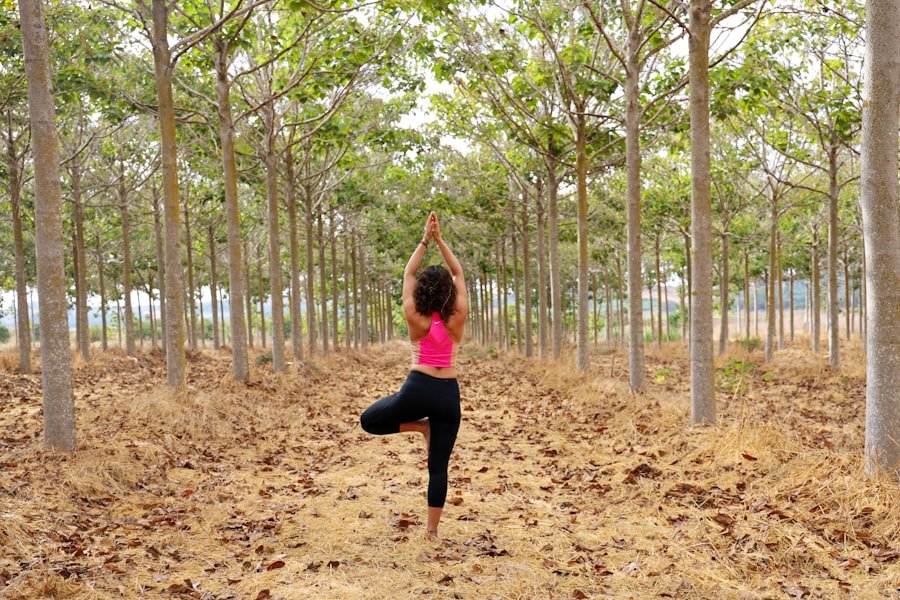
Flexibility is a crucial component of physical fitness that plays a significant role in injury prevention. When your muscles and joints are flexible, they can move through their full range of motion without restriction. This is where yoga shines, as it offers a variety of poses specifically designed to enhance flexibility.
As you practice these poses regularly, you will notice an improvement in your ability to stretch and move freely, which can significantly reduce the risk of strains and sprains.
In addition to improving flexibility, yoga also promotes better joint health. Many yoga poses involve gentle stretching and strengthening of the muscles surrounding the joints, which helps stabilize them and prevent injuries.
For instance, poses like Downward Dog and Warrior II engage multiple muscle groups while encouraging proper alignment. As you become more adept at these poses, your joints will feel more mobile and resilient, allowing you to engage in other physical activities with greater ease and confidence.
Using Yoga to Strengthen Muscles and Improve Balance
While flexibility is essential for injury prevention, strength is equally important. Yoga provides an excellent platform for building strength through bodyweight exercises that engage multiple muscle groups simultaneously. Poses such as Plank and Chair challenge your muscles and require you to maintain balance and stability.
This dual focus on strength and balance is particularly beneficial for preventing injuries, as it helps create a strong foundation for all physical activities. Improving balance through yoga is another key factor in injury prevention. Many injuries occur due to falls or missteps, particularly in older adults or those engaging in high-impact sports.
By practicing balance-focused poses like Tree Pose or Eagle Pose, you can enhance your proprioception—the body’s ability to sense its position in space. This heightened awareness can help you react more effectively to unexpected environmental changes, reducing the likelihood of falls and related injuries.
Incorporating Yoga into Your Warm-Up and Cool-Down Routine
One effective way to harness yoga’s benefits for injury prevention is to incorporate it into your warm-up and cool-down routines.
A proper warm-up prepares your body for physical activity by increasing muscle blood flow and enhancing flexibility. Gentle yoga stretches such as Cat-Cow or Sun Salutations can gradually elevate your heart rate while loosening tight muscles.
Similarly, cooling down after exercise is crucial for recovery and injury prevention. A cool-down allows your heart rate to return to normal while promoting muscle relaxation. Incorporating restorative yoga poses like Child’s Pose or Legs-Up-the-Wall into your cool-down routine can help facilitate this process.
These poses promote relaxation and aid muscle recovery by encouraging blood flow and reducing tension.
Specific Yoga Poses and Sequences for Injury Prevention

Knowing specific poses and sequences that target common areas of tension and vulnerability is helpful for effectively utilizing yoga for injury prevention.
For instance, a sequence that includes Downward Dog, Forward Fold, and Pigeon Pose can be particularly beneficial for opening up tight hips and hamstrings—areas that are often prone to injury in athletes and active individuals alike. Another effective sequence might focus on core stability and balance.
Incorporating poses like Boat Pose, Warrior III, and Side Plank can help strengthen the core muscles while improving overall balance.
These poses enhance stability and promote better posture, essential for preventing injuries related to misalignment during physical activities.
Tips for Practicing Yoga Safely to Avoid Injury
Remember that yoga is not about achieving perfection but finding what works best for you. Additionally, consider seeking guidance from a qualified instructor, especially if you are new to yoga or have specific concerns about injury prevention. A knowledgeable teacher can provide valuable insights into proper alignment and modifications tailored to your needs.
Furthermore, practicing in a safe environment—free from distractions—can enhance your focus and help you connect more deeply with your body.
Conclusion and Next Steps for Incorporating Yoga into Your Injury Prevention Routine
Incorporating yoga into your routine for injury prevention is a proactive step toward maintaining your physical health and enhancing your overall well-being.
By understanding the benefits of yoga—such as improved flexibility, strength, balance, and body awareness—you can create a comprehensive approach to fitness that minimizes the risk of injuries. As you embark on this journey, consider starting with a few simple poses or sequences that resonate with you.
Gradually build upon your practice by exploring different yoga styles or attending classes on injury prevention.
Consistency is key; even short daily sessions can yield significant benefits. Making yoga a regular part of your routine will reduce your risk of injury and cultivate a deeper connection with your body that enhances all aspects of your life.
If you want to learn more about how women can benefit from muscle building, check out this inspiring success story of women in muscle building article here.
Building muscle is not just for men, and this article highlights the achievements of women in the fitness world. Focusing on injury prevention while engaging in muscle-building activities is essential, and yoga can be a great tool to help with that. Additionally, for those over 50 looking to gain muscle, this article provides valuable information on achieving your fitness goals safely and effectively.
FAQs
What is yoga?
Yoga originated in ancient India as a physical, mental, and spiritual practice. It involves a combination of physical postures, breathing techniques, and meditation to promote overall health and well-being.
How can yoga help prevent injuries?
Yoga can help prevent injuries by improving flexibility, strength, balance, and body awareness. It also promotes proper alignment and posture, which can reduce the risk of strains, sprains, and other common injuries.
What are some specific yoga poses that can help prevent injuries?
Some specific yoga poses that can help prevent injuries include downward-facing dog, warrior, tree, and bridge poses. These poses help to strengthen and stretch the muscles, improve balance, and increase flexibility.
Is yoga suitable for all ages and fitness levels?
Yes, yoga is suitable for people of all ages and fitness levels. There are various styles and levels of yoga, so individuals can choose a practice that suits their needs and abilities.
Can yoga be used as a rehabilitation tool for existing injuries?
Yes, yoga can be used as a rehabilitation tool for existing injuries. It can help improve flexibility, strength, and range of motion and reduce pain and inflammation in the affected areas.
Are there any precautions to consider when practicing yoga for injury prevention?
Listening to your body and avoiding pushing yourself too hard in yoga practice is essential. It is also advisable to consult with a healthcare professional before starting a new exercise routine, especially if you have any existing health conditions or injuries.
Related Topics About Yoga for Injury Prevention
Does Yoga Help With Injuries,
Does Yoga Prevent Injuries,
How To Prevent Exercise Injuries,
Is Yoga Good For Injury Prevention,
Yoga For Injury Prevention,
Yoga For Runners Injury Prevention,
Yoga Injury Prevention Website
=============
Content 10/10/G