
When it comes to building muscle, many individuals often find themselves caught in a debate over the best approach to achieve their fitness goals. You may have heard the age-old adage that cardio is the enemy of muscle growth, or perhaps you’ve been told that strength training alone is sufficient for building a robust physique. However, the truth lies in a more nuanced understanding of how both cardio and strength training can work in tandem to enhance your overall fitness.
Recognizing the importance of both forms of exercise is crucial for anyone looking to maximize their muscle-building potential. Incorporating both cardio and strength training into your routine can lead to a more balanced and effective workout regimen. Cardio exercises, such as running, cycling, or swimming, can improve your cardiovascular health and endurance, while strength training focuses on building muscle mass and strength.
By understanding how these two components complement each other, you can create a well-rounded fitness plan that not only helps you build muscle but also enhances your overall performance and health.
Key Takeaways
- Cardio and strength training are both important for muscle building
- Cardio can enhance muscle growth and performance
- Strength training can improve muscle mass and strength
- Finding the right balance is key for incorporating both cardio and strength training
- Debunking myths and misconceptions about cardio vs. strength training
The Benefits of Cardio for Muscle Builders: How Cardio Can Enhance Muscle Growth and Performance
While you may think of cardio primarily as a tool for weight loss, it plays a significant role in muscle building as well. Engaging in cardiovascular exercise can improve your heart health, increase blood flow, and enhance your body’s ability to deliver oxygen and nutrients to your muscles during workouts. This improved circulation can lead to better performance in strength training sessions, allowing you to lift heavier weights and perform more repetitions, ultimately contributing to muscle growth.
Moreover, cardio can aid in recovery between strength training sessions. When you engage in moderate-intensity cardio, you promote blood flow to your muscles, which helps remove metabolic waste products and delivers essential nutrients needed for recovery. This means that by incorporating cardio into your routine, you may find that you can bounce back more quickly from intense workouts, allowing you to train harder and more frequently.
The Benefits of Strength Training for Muscle Builders: How Strength Training Can Improve Muscle Mass and Strength
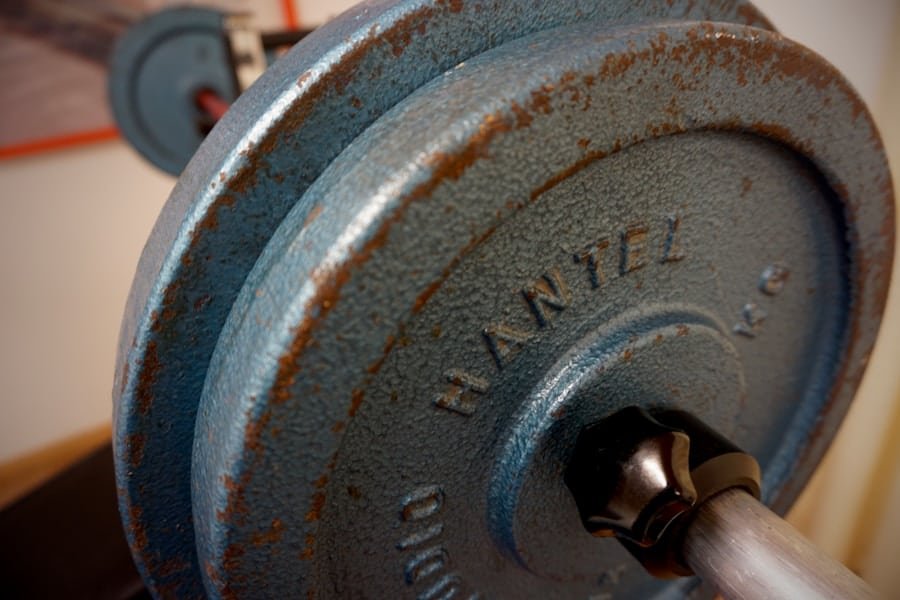
Strength training is often viewed as the cornerstone of any muscle-building program. When you lift weights or perform resistance exercises, you create micro-tears in your muscle fibers. Your body then repairs these tears, leading to increased muscle mass and strength over time.
This process, known as hypertrophy, is essential for anyone looking to build a more muscular physique. By focusing on progressive overload—gradually increasing the weight or resistance you use—you can continually challenge your muscles and stimulate growth. In addition to increasing muscle mass, strength training also has numerous other benefits.
It can improve your metabolism, helping you burn more calories even at rest. This is particularly advantageous if you’re looking to maintain a lean physique while building muscle. Furthermore, strength training enhances bone density, reduces the risk of injury, and improves functional fitness, making everyday activities easier and more enjoyable.
Finding the Right Balance: How to Incorporate Both Cardio and Strength Training into Your Workout Routine
Finding the right balance between cardio and strength training is essential for maximizing your muscle-building potential. You may want to consider your specific goals when determining how much time to allocate to each type of exercise. If your primary focus is on building muscle, you might prioritize strength training while incorporating cardio as a supplementary activity.
On the other hand, if you’re looking to improve overall fitness or endurance alongside muscle growth, a more balanced approach may be necessary. One effective strategy is to alternate between cardio and strength training days. For example, you could dedicate three days a week to strength training while reserving two days for cardio workouts.
Alternatively, you might choose to incorporate shorter cardio sessions after your strength workouts or on rest days to maintain cardiovascular health without compromising muscle recovery. The key is to listen to your body and adjust your routine based on how you feel and your progress toward your goals.
There are many myths surrounding the relationship between cardio and strength training that can lead to confusion among fitness enthusiasts. One common misconception is that doing too much cardio will hinder muscle growth. While excessive cardio can indeed interfere with recovery and energy levels, moderate amounts of cardiovascular exercise can actually enhance performance and support muscle-building efforts.
It’s essential to strike a balance that works for you rather than completely eliminating one form of exercise. Another myth is that strength training alone is sufficient for achieving optimal fitness results. While it’s true that lifting weights is crucial for building muscle mass, neglecting cardiovascular health can lead to decreased endurance and overall fitness levels.
By understanding that both cardio and strength training serve unique purposes in your fitness journey, you can create a more effective workout plan that addresses all aspects of your health.
Sample Workout Plans: How to Create a Balanced Exercise Routine for Muscle Building
Creating a balanced workout routine that incorporates both cardio and strength training doesn’t have to be complicated. You might start with a sample weekly plan that includes three days of strength training and two days of cardio. For instance, on Monday, Wednesday, and Friday, focus on full-body strength workouts that target all major muscle groups using compound exercises like squats, deadlifts, bench presses, and rows.
On Tuesday and Thursday, dedicate time to cardiovascular activities such as running or cycling for 30-45 minutes at a moderate intensity. You could also consider incorporating high-intensity interval training (HIIT) sessions once or twice a week for an added challenge. This approach allows you to build muscle while also improving cardiovascular fitness without sacrificing recovery time.
Tips for Maximizing Results: How to Optimize Your Cardio and Strength Training for Muscle Growth

To truly maximize your results from both cardio and strength training, consider implementing some key strategies into your routine. First and foremost, prioritize proper nutrition by consuming enough protein to support muscle repair and growth. Aim for a balanced diet rich in whole foods that provide the necessary vitamins and minerals to fuel your workouts.
Additionally, pay attention to your recovery strategies. Ensure you’re getting adequate rest between workouts and consider incorporating active recovery days where you engage in light activities like walking or yoga. Staying hydrated is also crucial; dehydration can negatively impact performance during both cardio and strength sessions.
Lastly, track your progress regularly by keeping a workout journal or using fitness apps to monitor improvements in strength and endurance over time.
The Importance of Finding the Ideal Balance Between Cardio and Strength Training for Muscle Builders
In conclusion, understanding the importance of both cardio and strength training is vital for anyone looking to build muscle effectively. By recognizing how these two forms of exercise complement each other, you can create a balanced workout routine that enhances not only your muscle-building efforts but also your overall health and fitness levels. Remember that finding the right balance will depend on your individual goals, preferences, and body responses.
As you embark on your fitness journey, keep an open mind about incorporating both cardio and strength training into your routine. Embrace the benefits each offers while debunking common myths that may hinder your progress. With dedication, consistency, and a well-rounded approach, you’ll be well on your way to achieving the muscular physique you’ve always desired while enjoying the myriad benefits of improved cardiovascular health and overall well-being.
If you’re looking to find the ideal balance between cardio and strength training for muscle builders, you may also be interested in exploring online resources and home workout programs. These resources can provide valuable guidance on structuring workouts for different muscle groups and offer tips on how to build muscle at 60, especially for females. Check out this article for more information on how to maximize your muscle-building potential through a well-rounded fitness routine.
FAQs
What is the ideal balance between cardio and strength training for muscle builders?
The ideal balance between cardio and strength training for muscle builders is typically a combination of both types of exercise. This balance can vary depending on individual goals, but a general recommendation is to prioritize strength training and incorporate cardio as a complementary component to support overall fitness and health.
Why is strength training important for muscle builders?
Strength training is important for muscle builders because it helps to increase muscle mass, improve strength and power, and enhance overall physical performance. It also plays a crucial role in boosting metabolism and promoting fat loss, which can contribute to a leaner and more defined physique.
How does cardio benefit muscle builders?
Cardio benefits muscle builders by improving cardiovascular health, increasing endurance, and supporting overall fitness. It can also aid in fat loss, which can help to reveal muscle definition and improve muscular endurance for strength training workouts.
What are the potential drawbacks of focusing too much on cardio for muscle builders?
Focusing too much on cardio for muscle builders can potentially lead to a decrease in muscle mass and strength, as excessive cardio can interfere with muscle recovery and growth. It may also result in a plateau in muscle-building progress and hinder overall performance in strength training workouts.
How can muscle builders find the right balance between cardio and strength training?
Muscle builders can find the right balance between cardio and strength training by prioritizing strength training as the foundation of their workout routine and incorporating cardio in a way that supports their overall fitness goals. This may involve scheduling cardio sessions on separate days from strength training workouts or integrating shorter, high-intensity cardio sessions into their training program. It’s important to listen to the body’s response and adjust the balance based on individual needs and progress.