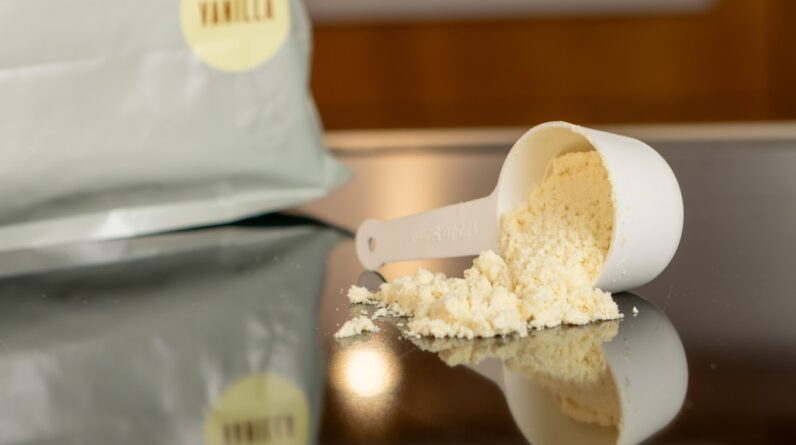
When it comes to building muscle, protein is often heralded as the cornerstone of any effective regimen. You may already know that protein plays a crucial role in muscle repair and growth, but understanding its importance can help you optimize your fitness journey. As you engage in resistance training, your muscle fibers undergo stress and micro-tears.
This is where protein comes into play; it provides the essential amino acids needed to repair and rebuild those fibers, leading to increased muscle mass over time. Without adequate protein intake, you may find it challenging to achieve your desired results, regardless of how hard you train. Incorporating protein powder into your diet can be a convenient and effective way to meet your daily protein requirements.
Whether you’re a seasoned athlete or just starting out, protein powder can help you reach your goals more efficiently. It allows you to easily supplement your diet, especially when whole food sources are not readily available or practical. By understanding the importance of protein powder, you can make informed choices that align with your fitness objectives, ensuring that your body has the necessary nutrients to support muscle growth and recovery.
Key Takeaways
- Protein powder is essential for muscle gain as it provides the necessary building blocks for muscle growth and repair.
- Whey protein is considered the gold standard for muscle building due to its high quality and fast absorption rate.
- Casein protein offers a slow-release of amino acids, making it ideal for sustained muscle growth and recovery.
- Soy protein is a plant-based alternative for muscle gain, suitable for individuals with lactose intolerance or vegan dietary preferences.
- Pea protein is a vegan-friendly option that provides a complete amino acid profile for muscle building and recovery.
Whey Protein: The Gold Standard for Muscle Building
Whey protein is often referred to as the gold standard in the world of protein supplements, and for good reason. Derived from milk during the cheese-making process, whey protein is a complete protein that contains all nine essential amino acids. This makes it an excellent choice for muscle building, as it provides your body with the necessary building blocks for muscle repair and growth.
When you consume whey protein, it is rapidly digested and absorbed, leading to a quick spike in amino acid levels in your bloodstream. This rapid absorption is particularly beneficial post-workout when your muscles are primed for recovery. In addition to its impressive amino acid profile, whey protein has been extensively studied for its effectiveness in promoting muscle gain.
Research indicates that individuals who supplement with whey protein experience greater increases in muscle mass compared to those who do not. This is largely due to whey’s high leucine content, an amino acid that plays a pivotal role in stimulating muscle protein synthesis. If you’re looking to maximize your muscle-building potential, incorporating whey protein into your post-workout routine could be a game-changer.
Casein Protein: Slow-Release for Sustained Muscle Growth
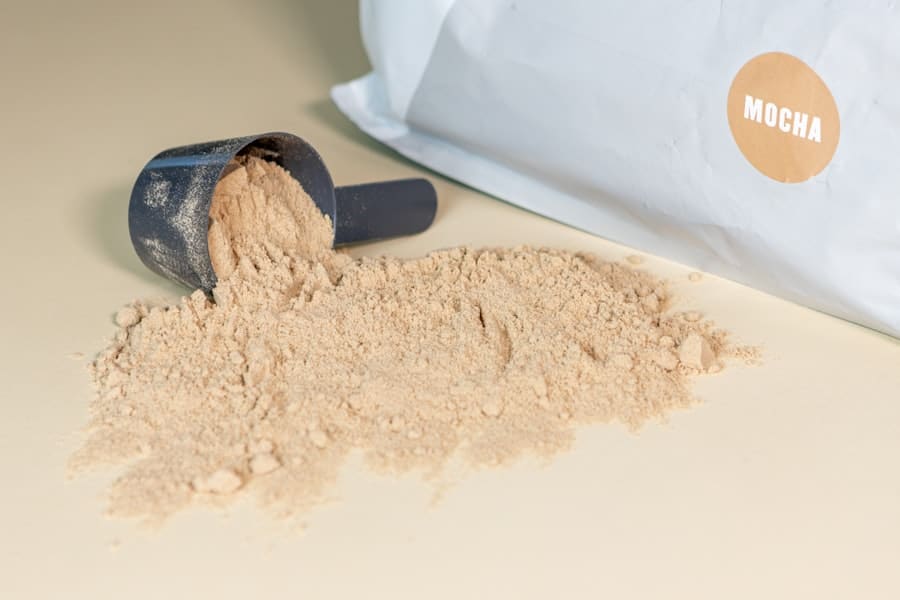
While whey protein is known for its rapid absorption, casein protein offers a different advantage: slow and steady release of amino acids into the bloodstream. Casein is also derived from milk and is often referred to as a “slow-digesting” protein. This characteristic makes it an ideal option for those looking to provide their muscles with a sustained supply of nutrients over an extended period.
For instance, consuming casein before bedtime can help prevent muscle breakdown during the night, allowing for optimal recovery while you sleep. The slow-release nature of casein means that it can help maintain a positive nitrogen balance in your body for longer periods. This is particularly beneficial if you’re engaged in intense training or are in a caloric deficit.
By providing a steady stream of amino acids, casein can support muscle growth and recovery throughout the day or night. If you’re serious about building muscle, consider incorporating casein protein into your routine, especially during times when you may not be able to consume whole food sources of protein.
Soy Protein: A Plant-Based Alternative for Muscle Gain
For those who prefer plant-based options, soy protein stands out as a viable alternative for muscle gain. Derived from soybeans, this protein source is unique in that it contains all essential amino acids, making it a complete protein similar to animal-based options like whey and casein. This quality makes soy protein an excellent choice for vegetarians and vegans who are looking to build muscle without compromising their dietary preferences.
Research has shown that soy protein can be just as effective as whey protein in promoting muscle growth when consumed in adequate amounts. Additionally, soy contains beneficial compounds known as phytoestrogens, which may offer health benefits beyond muscle building, such as improved heart health and reduced inflammation. If you’re exploring plant-based options for muscle gain, soy protein can be an excellent addition to your diet, providing both the necessary nutrients for muscle development and additional health benefits.
Pea Protein: A Vegan-Friendly Option for Muscle Building
Pea protein has gained popularity in recent years as a vegan-friendly option for those looking to enhance their muscle-building efforts. Made from yellow split peas, this plant-based protein is rich in essential amino acids, particularly branched-chain amino acids (BCAAs), which are crucial for muscle repair and growth. One of the standout features of pea protein is its digestibility; it is easily absorbed by the body, making it an effective choice for post-workout recovery.
In addition to its impressive amino acid profile, pea protein is also hypoallergenic, making it suitable for individuals with dietary restrictions or sensitivities to dairy or gluten. This versatility allows you to incorporate pea protein into various recipes, from smoothies to baked goods, without worrying about adverse reactions. If you’re committed to a plant-based lifestyle but still want to support your muscle-building goals, pea protein can be an excellent addition to your nutritional arsenal.
Egg White Protein: A Complete Protein Source for Muscle Recovery
Egg white protein is another excellent option for those seeking a high-quality source of protein for muscle recovery and growth. As a complete protein, egg white contains all nine essential amino acids necessary for optimal muscle repair. One of the key benefits of egg white protein is its low fat and carbohydrate content, making it an ideal choice for those looking to build lean muscle without excess calories.
The bioavailability of egg white protein is also noteworthy; it is easily absorbed by the body, allowing for efficient utilization of its amino acids during recovery periods. This makes egg white protein particularly beneficial after intense workouts when your muscles are in need of immediate nourishment. If you’re looking for a versatile and effective source of protein that aligns with your fitness goals, consider incorporating egg white protein into your diet.
Hemp Protein: A Nutrient-Rich Option for Muscle Development
Hemp protein is often overlooked but deserves recognition as a nutrient-rich option for muscle development. Derived from hemp seeds, this plant-based protein source is not only high in essential amino acids but also packed with healthy fats, fiber, vitamins, and minerals. The unique nutritional profile of hemp protein makes it an excellent choice for those looking to support their overall health while building muscle.
One of the standout features of hemp protein is its omega-3 fatty acid content, which can help reduce inflammation and support recovery after workouts. Additionally, the fiber found in hemp protein can aid digestion and promote satiety, making it easier to manage your overall caloric intake while pursuing your fitness goals. If you’re seeking a holistic approach to muscle building that encompasses both nutrition and health benefits, hemp protein could be an ideal addition to your supplement routine.
Rice Protein: A Hypoallergenic Choice for Muscle Building
Rice protein is another plant-based option that has gained traction among fitness enthusiasts seeking hypoallergenic alternatives for muscle gain. Made from brown rice, this protein source is easily digestible and free from common allergens such as dairy and gluten. While rice protein may not be a complete source on its own—lacking certain essential amino acids—it can be effectively combined with other plant proteins to create a balanced amino acid profile.
One of the advantages of rice protein is its versatility; it can be seamlessly incorporated into various recipes without altering the flavor significantly. Whether you’re adding it to smoothies or using it in baking, rice protein offers a convenient way to boost your daily protein intake while accommodating dietary restrictions. If you’re on the lookout for a hypoallergenic choice that supports your muscle-building efforts without compromising on quality or taste, rice protein may be worth considering.
Blended Protein Powders: Maximizing Muscle Growth with Multiple Sources
Blended protein powders have emerged as a popular choice among fitness enthusiasts looking to maximize their muscle growth potential by combining multiple sources of protein. These blends often include a mix of whey, casein, soy, pea, and other proteins to create a comprehensive amino acid profile that supports various aspects of muscle recovery and growth. By utilizing different types of proteins with varying absorption rates, blended powders can provide both immediate and sustained nourishment for your muscles.
The advantage of using blended protein powders lies in their ability to cater to different needs throughout the day. For instance, you might choose a fast-acting whey blend post-workout while opting for a slower-digesting casein blend before bed. This strategic approach ensures that your muscles receive the nutrients they need at optimal times, enhancing recovery and promoting growth more effectively than single-source proteins alone.
Factors to Consider When Choosing the Right Protein Powder for Muscle Gain
When selecting the right protein powder for muscle gain, several factors come into play that can influence your decision-making process. First and foremost, consider your dietary preferences and restrictions; whether you’re vegan, lactose intolerant, or have allergies will significantly impact which type of protein powder you choose. Understanding the source of the protein—whether it’s animal-based or plant-based—will help you align your supplement with your overall dietary goals.
Another important factor is the amino acid profile of the protein powder. Look for options that provide a complete set of essential amino acids or consider combining different sources if you’re opting for plant-based proteins. Additionally, pay attention to the ingredient list; some powders may contain added sugars or artificial flavors that could detract from their overall quality.
By carefully evaluating these factors, you can make an informed choice that supports your muscle-building journey effectively.
The Role of Protein Timing and Dosage for Optimal Muscle Gain
While choosing the right type of protein powder is crucial, understanding how timing and dosage play into your overall strategy is equally important. Research suggests that consuming protein shortly after workouts can significantly enhance muscle recovery and growth due to the heightened sensitivity of muscle cells during this period. Aim to consume a source of high-quality protein within 30 minutes to two hours post-exercise to maximize these benefits.
In terms of dosage, individual needs may vary based on factors such as body weight, activity level, and overall dietary intake. A general guideline suggests aiming for approximately 20-30 grams of high-quality protein per serving; however, some individuals may require more depending on their specific goals and training intensity. By paying attention to both timing and dosage alongside your choice of protein powder, you can create a comprehensive approach that optimizes your muscle gain efforts effectively.
In conclusion, understanding the various types of protein powders available can empower you to make informed choices that align with your fitness goals. Whether you opt for whey, casein, soy, pea, or any other type of protein powder, each offers unique benefits that can support your journey toward increased muscle mass and improved recovery. By considering factors such as dietary preferences and timing strategies alongside dosage recommendations, you can tailor your approach to ensure optimal results on your path to achieving your desired physique.
If you are looking to maximize your muscle gain, it is important to consider the impact of alcohol consumption on your progress. According to a recent article on musclesbuilder.tips, alcohol can hinder muscle growth and recovery, making it important to moderate your intake. Additionally, incorporating high-frequency training programs, as discussed in another article on the same site (musclesbuilder.tips), can help you see significant gains in just two weeks. Understanding how many reps to perform during your workouts, as outlined in yet another article on the site (musclesbuilder.tips), is also crucial for building muscle effectively. By combining the right protein powder with these strategies, you can optimize your muscle-building efforts.
FAQs
What is protein powder?
Protein powder is a dietary supplement that is typically made from whey, casein, soy, or egg proteins. It is used to supplement protein intake and promote muscle growth and repair.
How does protein powder help with muscle gain?
Protein powder provides the body with a concentrated source of protein, which is essential for muscle growth and repair. It helps to support muscle recovery after exercise and can aid in increasing muscle mass when combined with resistance training.
What are the different types of protein powder?
The most common types of protein powder include whey protein, casein protein, soy protein, and egg protein. Each type has its own unique amino acid profile and absorption rate.
Which protein powder is good for muscle gain?
Whey protein is often considered the best protein powder for muscle gain due to its high concentration of essential amino acids and rapid absorption rate. It is particularly effective when consumed post-workout to support muscle recovery and growth.
How should protein powder be consumed for muscle gain?
Protein powder can be consumed as a shake by mixing it with water or milk, or it can be added to smoothies, oatmeal, or yogurt. It is generally recommended to consume protein powder within 30 minutes to an hour after a workout to support muscle recovery and growth.
Are there any potential side effects of consuming protein powder?
While protein powder is generally safe for most people, excessive consumption can lead to digestive issues such as bloating, gas, and stomach cramps. It is important to follow the recommended dosage and to drink plenty of water when consuming protein powder.