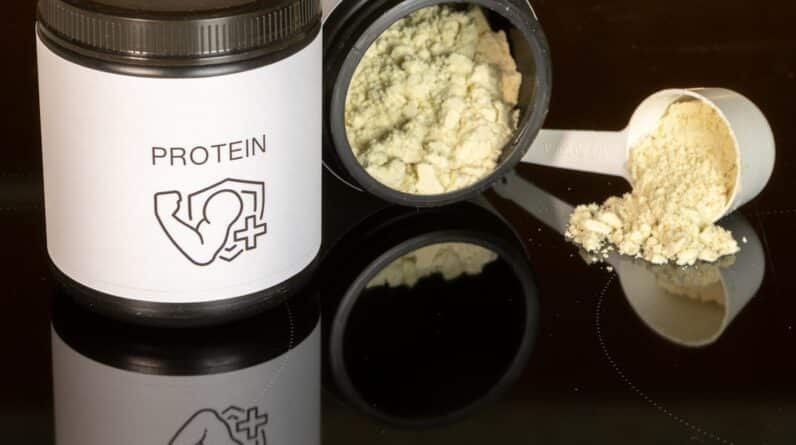
When you embark on a fitness journey, one of the most crucial components to consider is your protein intake. Protein powder has emerged as a popular supplement among fitness enthusiasts, particularly for those aiming to build lean muscle. At its core, protein powder serves as a convenient source of high-quality protein, which is essential for muscle repair and growth.
After an intense workout, your muscles undergo stress and micro-tears, and it is during the recovery phase that protein plays a pivotal role. By providing your body with the necessary amino acids, protein powder helps facilitate muscle recovery and promotes hypertrophy, the process of muscle growth. In addition to aiding recovery, protein powder can also help you meet your daily protein requirements more easily.
Many individuals struggle to consume enough protein through whole foods alone, especially if they lead busy lives or follow specific dietary restrictions. Protein powder offers a quick and efficient way to supplement your diet, ensuring that you have the nutrients needed to support your fitness goals. Whether you prefer shakes, smoothies, or even baking with protein powder, its versatility makes it an attractive option for anyone looking to enhance their muscle-building efforts.
Key Takeaways
- Protein powder is a convenient and effective way to increase protein intake for building lean muscle.
- Consider factors such as protein source, amino acid profile, and additional ingredients when choosing a protein powder for lean muscle.
- Different types of protein powders, such as whey, casein, and plant-based options, offer unique benefits for muscle building.
- High-quality ingredients, such as natural sweeteners and minimal additives, are important for maximizing the benefits of protein powder for lean muscle.
- Determine the right protein powder based on your fitness goals, dietary needs, and any allergies or sensitivities.
Key Factors to Consider When Choosing a Protein Powder for Lean Muscle
When selecting a protein powder, there are several key factors you should take into account to ensure it aligns with your fitness goals. First and foremost, consider the type of protein source. Whey protein is one of the most popular choices due to its high biological value and rapid absorption rate.
However, if you are lactose intolerant or follow a vegan diet, plant-based proteins such as pea, rice, or hemp may be more suitable for you. Understanding your dietary preferences and restrictions will help you narrow down your options effectively. Another important factor is the protein content per serving.
You want to choose a protein powder that provides a substantial amount of protein without excessive fillers or additives. Look for products that offer at least 20 grams of protein per serving while keeping sugar and carbohydrate content low. Additionally, consider the flavor and mixability of the powder.
A product that tastes good and dissolves easily in liquids will encourage you to incorporate it into your routine consistently.
Different Types of Protein Powders and Their Benefits for Muscle Building
The market is flooded with various types of protein powders, each offering unique benefits for muscle building. Whey protein is often hailed as the gold standard due to its complete amino acid profile and rapid absorption. It is particularly effective for post-workout recovery, as it quickly delivers essential nutrients to your muscles when they need them most.
If you are looking for a fast-acting option that supports muscle growth and recovery, whey protein may be your best bet. On the other hand, casein protein is another dairy-derived option that digests more slowly than whey. This slow release of amino acids makes casein an excellent choice for nighttime use or as a meal replacement.
It can help sustain muscle repair during extended periods without food, making it ideal for those who may go several hours between meals. For those who prefer plant-based options, pea protein is gaining popularity due to its high digestibility and rich amino acid profile. It is particularly beneficial for individuals with allergies or sensitivities to dairy products.
The Importance of High-Quality Ingredients in Protein Powders for Lean Muscle
When it comes to protein powders, not all products are created equal. The quality of ingredients plays a significant role in determining the effectiveness of the supplement in supporting lean muscle growth. High-quality protein powders are typically made from minimally processed ingredients that retain their nutritional value.
Look for products that list whole food sources as their primary ingredients rather than artificial flavors, sweeteners, or fillers. Additionally, consider the sourcing of the protein itself. Grass-fed whey or organic plant-based proteins often come from higher-quality sources that are free from hormones and antibiotics.
These factors can impact not only the nutritional profile but also the overall health benefits of the protein powder you choose. By prioritizing high-quality ingredients, you can ensure that you are fueling your body with the best possible nutrients to support your fitness journey.
How to Determine the Right Protein Powder for Your Fitness Goals and Dietary Needs
Determining the right protein powder for your specific fitness goals requires a thoughtful approach. Start by assessing your overall dietary needs and preferences. If you are looking to build lean muscle while maintaining a low-calorie diet, opt for a protein powder that is low in carbohydrates and sugars but high in protein content.
Conversely, if you are trying to gain weight or muscle mass, you may benefit from a higher-calorie protein powder that includes additional carbohydrates and healthy fats. Next, consider your workout routine and how often you engage in strength training versus cardio exercises. If your primary focus is on building muscle through resistance training, a fast-absorbing whey protein may be ideal for post-workout recovery.
However, if you engage in endurance activities or require sustained energy throughout the day, a blend of proteins or a slower-digesting option like casein might be more beneficial. Tailoring your choice to your specific goals will help you maximize the effectiveness of your supplementation.
Incorporating Protein Powder into Your Workout and Nutrition Plan for Lean Muscle
Incorporating protein powder into your daily routine can be seamless when done thoughtfully. One effective strategy is to use it as part of your post-workout nutrition plan. After an intense workout session, your muscles are primed for recovery, making it an ideal time to consume a protein shake.
Mixing your protein powder with water or milk can provide a quick source of nutrients that aids in muscle repair and replenishes energy stores. Additionally, consider integrating protein powder into meals throughout the day. You can add it to smoothies for breakfast or mix it into oatmeal for an extra protein boost.
Baking with protein powder is another creative way to enhance the nutritional value of snacks like muffins or pancakes. By incorporating it into various meals and snacks, you can ensure that you meet your daily protein requirements while enjoying diverse flavors and textures.
Tips for Maximizing the Benefits of Protein Powder for Lean Muscle
To truly maximize the benefits of protein powder in your quest for lean muscle, consistency is key. Make it a habit to include protein in every meal and snack throughout the day. This approach not only helps meet your daily intake but also supports muscle synthesis continuously rather than relying solely on post-workout shakes.
Aim for a balanced diet that includes whole foods rich in vitamins and minerals alongside your protein supplementation. Another tip is to pay attention to timing when consuming your protein powder. Research suggests that consuming protein within 30 minutes after exercising can significantly enhance muscle recovery and growth.
Additionally, consider spreading out your protein intake throughout the day rather than consuming large amounts in one sitting. This strategy can help maintain elevated amino acid levels in your bloodstream, promoting optimal muscle repair and growth over time.
Potential Pitfalls to Avoid When Choosing and Using Protein Powder for Lean Muscle
While protein powder can be an excellent addition to your nutrition plan, there are potential pitfalls to be aware of when choosing and using these supplements. One common mistake is selecting a product based solely on price rather than quality. Cheaper options may contain lower-quality ingredients or excessive fillers that do not provide the desired benefits for muscle building.
Always prioritize quality over cost when making your selection. Another pitfall is neglecting to consider how much protein you actually need based on your activity level and body weight. Overconsumption of protein can lead to unnecessary calorie intake and may not yield additional benefits for muscle growth beyond a certain point.
It’s essential to strike a balance between meeting your needs without going overboard. Consulting with a nutritionist or dietitian can help you determine the right amount of protein for your individual goals and lifestyle. In conclusion, understanding the role of protein powder in building lean muscle is crucial for anyone looking to enhance their fitness journey.
By considering key factors when choosing a product, exploring different types of proteins available, prioritizing high-quality ingredients, and incorporating it effectively into your nutrition plan, you can maximize its benefits while avoiding common pitfalls along the way. With careful planning and consistency, you can harness the power of protein powder to support your goals of building lean muscle effectively.
If you are looking to build lean muscle, it is important to consider incorporating creatine into your supplement routine. According to a recent article on musclesbuilder.tips, creatine has been shown to help increase muscle mass and strength, making it a valuable addition to your protein powder regimen. Additionally, fueling your body with the right nutrients is crucial for muscle growth, so starting your day with a protein-rich breakfast, as discussed in this article, can also support your fitness goals. For inspiration and motivation, check out some incredible muscle gain transformations in the article here.
FAQs
What are the key factors to consider when choosing a protein powder for lean muscle?
When choosing a protein powder for lean muscle, it’s important to consider the protein content, amino acid profile, digestibility, and additional ingredients such as added sugars and artificial additives.
What is the ideal protein content in a protein powder for lean muscle?
The ideal protein content in a protein powder for lean muscle is typically around 20-30 grams per serving. This amount provides an adequate dose of protein to support muscle growth and recovery.
What is the significance of amino acid profile in a protein powder for lean muscle?
Amino acids are the building blocks of protein and play a crucial role in muscle protein synthesis. A protein powder with a complete amino acid profile, including essential amino acids, is important for supporting lean muscle growth.
How does digestibility impact the effectiveness of a protein powder for lean muscle?
Protein powders that are easily digestible are more readily absorbed by the body, allowing for faster delivery of amino acids to the muscles. Look for protein powders that are easily digestible, such as whey protein isolate or hydrolyzed whey protein.
What additional ingredients should be avoided in a protein powder for lean muscle?
When choosing a protein powder for lean muscle, it’s best to avoid added sugars, artificial sweeteners, and artificial additives. These ingredients can detract from the overall quality of the protein powder and may have negative effects on muscle growth and overall health.