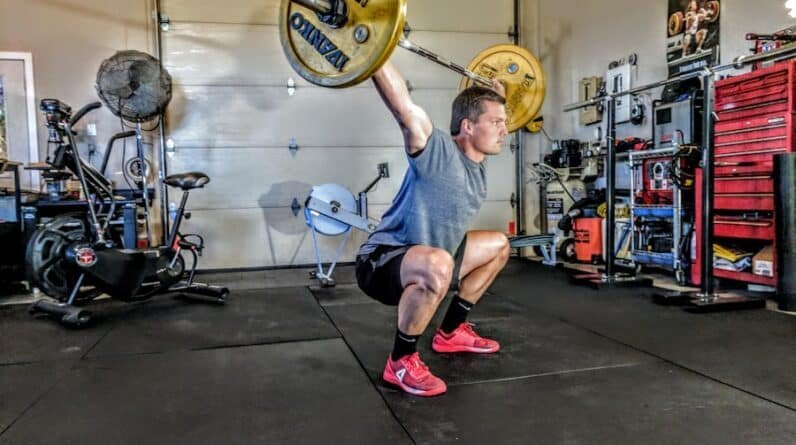
In the realm of fitness, two prominent training methodologies stand out: bodyweight exercises and traditional weightlifting. Each approach offers unique advantages and caters to different preferences and goals. As you embark on your fitness journey, understanding the nuances of these two methods can empower you to make informed decisions about your training regimen.
Bodyweight exercises, which utilize your own mass as resistance, can be performed anywhere and often require little to no equipment. On the other hand, traditional weightlifting involves the use of external weights, such as dumbbells and barbells, to build strength and muscle mass. The choice between bodyweight exercises and traditional weightlifting often boils down to personal preference, accessibility, and specific fitness goals.
While some individuals thrive in a gym environment surrounded by weights, others may find solace in the simplicity and versatility of bodyweight movements. As you explore these options, consider how each method aligns with your aspirations, whether that be building muscle, improving endurance, or enhancing overall fitness.
Key Takeaways
- Bodyweight exercises use the weight of your own body for resistance, while traditional weightlifting uses external weights such as dumbbells and barbells.
- Bodyweight exercises are effective for muscle building as they engage multiple muscle groups and improve functional strength.
- Traditional weightlifting is beneficial for muscle building as it allows for progressive overload and targeted muscle isolation.
- Bodyweight exercises may have limitations in terms of resistance for advanced lifters and difficulty in targeting specific muscle groups.
- Traditional weightlifting may have limitations in terms of accessibility, cost, and potential for injury.
- Bodyweight exercises and traditional weightlifting complement each other by offering a balance of resistance and functional strength training.
- To incorporate both bodyweight exercises and traditional weightlifting into your routine, consider alternating between the two or combining them in a single workout.
- When choosing the right approach for your muscle building goals, consider your preferences, access to equipment, and individual fitness level.
The Benefits of Bodyweight Exercises for Muscle Building
Bodyweight exercises offer a plethora of benefits that can significantly contribute to muscle building. One of the most compelling advantages is the ability to engage multiple muscle groups simultaneously. Movements like push-ups, pull-ups, and squats require coordination and stability, activating not just the primary muscles but also the supporting ones.
This holistic engagement can lead to improved functional strength, which is essential for everyday activities and athletic performance. Moreover, bodyweight exercises can be easily modified to suit your fitness level. Whether you are a beginner or an advanced athlete, you can adjust the intensity by altering the angle of your body or incorporating variations.
For instance, if standard push-ups become too easy, you can elevate your feet or try one-arm push-ups to increase the challenge. This adaptability ensures that you are continually pushing your limits and promoting muscle growth over time.
The Benefits of Traditional Weightlifting for Muscle Building
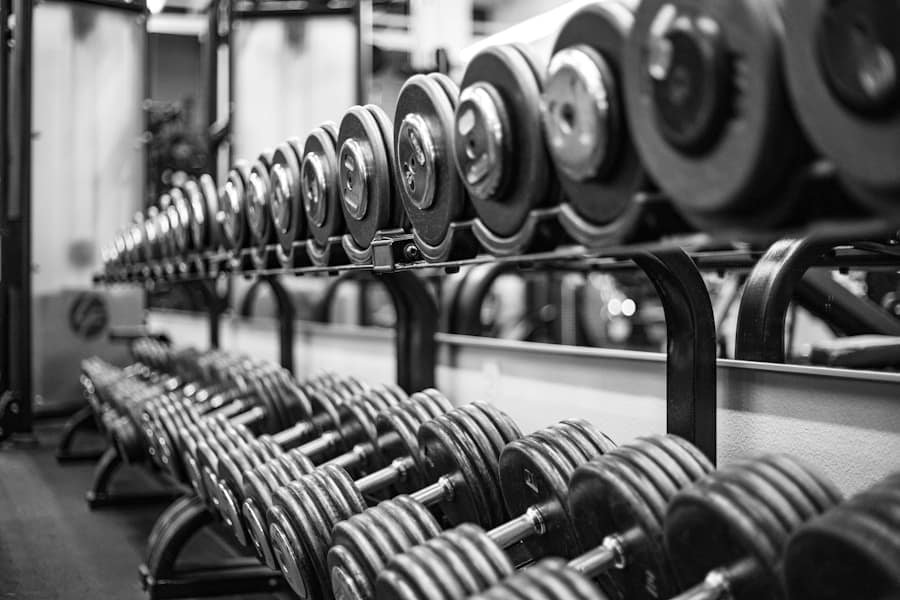
Traditional weightlifting is often hailed as one of the most effective methods for building muscle mass. The primary advantage lies in the ability to progressively overload your muscles by gradually increasing the weight you lift. This principle of progressive overload is crucial for stimulating muscle hypertrophy—the process by which muscle fibers grow in size.
By consistently challenging your muscles with heavier weights, you create micro-tears that repair and grow stronger during recovery. Additionally, traditional weightlifting allows for targeted muscle training. With a wide array of equipment available, you can isolate specific muscle groups more effectively than with bodyweight exercises alone.
For example, using a leg press machine can help you focus on your quadriceps without engaging other muscles as much as a squat would. This targeted approach can be particularly beneficial if you have specific aesthetic goals or are recovering from an injury and need to strengthen certain areas.
The Limitations of Bodyweight Exercises for Muscle Building
While bodyweight exercises have numerous benefits, they do come with certain limitations when it comes to muscle building. One significant drawback is the challenge of achieving sufficient resistance as you progress. Once you master basic movements, it can be difficult to continue stimulating muscle growth without additional weights.
For instance, while you may be able to perform multiple sets of push-ups with ease, there comes a point where adding more repetitions may not yield the same results as increasing weight would. Another limitation is the potential for imbalances in muscle development. Bodyweight exercises often rely on your body’s natural movement patterns, which may not always target every muscle group equally.
For example, while push-ups effectively work the chest and triceps, they may not engage the back muscles as thoroughly as traditional weightlifting exercises like bent-over rows. This imbalance can lead to weaknesses that may affect overall performance and increase the risk of injury.
The Limitations of Traditional Weightlifting for Muscle Building
Despite its effectiveness, traditional weightlifting is not without its limitations. One major concern is accessibility; not everyone has access to a fully equipped gym or the financial means to invest in home gym equipment. This lack of access can hinder your ability to follow a consistent weightlifting routine, especially if you rely on specific machines or free weights that are not readily available.
Additionally, traditional weightlifting often requires a certain level of technical skill to perform exercises safely and effectively. Improper form can lead to injuries that may set back your progress significantly. Unlike bodyweight exercises that often have a lower barrier to entry, lifting weights requires a greater understanding of biomechanics and proper technique.
This learning curve can be daunting for beginners who may feel intimidated by the gym environment or unsure about how to execute movements correctly.
How Bodyweight Exercises and Traditional Weightlifting Complement Each Other
Improved Mobility and Muscle Activation
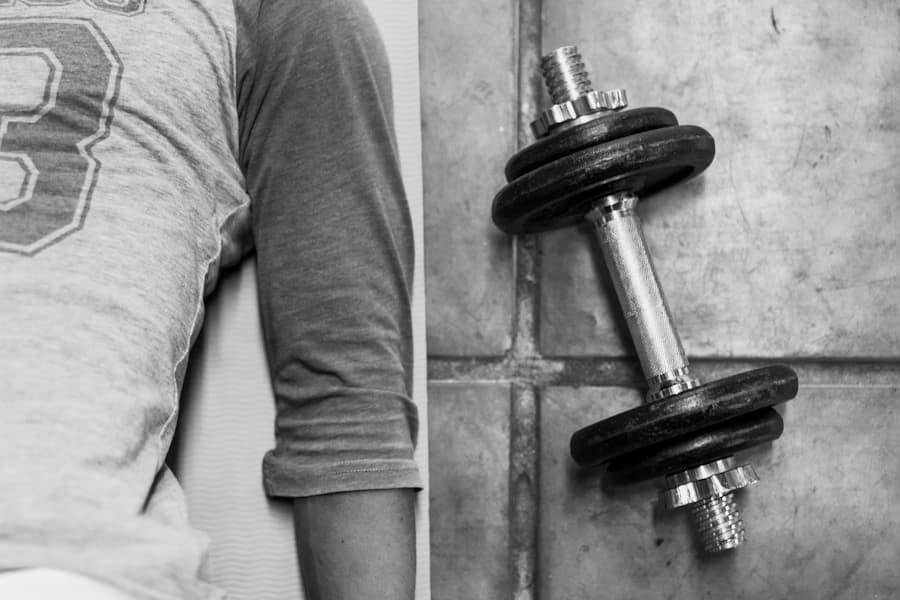
Incorporating bodyweight movements into your warm-up can improve mobility and activate muscles before you transition into heavier lifts. This combination prepares your body for the demands of weightlifting while also promoting better movement patterns.
Preventing Plateaus and Reigniting Motivation
Furthermore, alternating between these two training styles can prevent plateaus in your progress. If you find yourself hitting a wall with traditional weightlifting, incorporating bodyweight exercises can provide a fresh stimulus for your muscles. Conversely, if bodyweight training becomes monotonous or insufficient for your goals, returning to weights can reignite your motivation and challenge your strength in new ways.
Fostering Continuous Improvement
This synergy between the two methods fosters continuous improvement and keeps your workouts engaging. By combining bodyweight exercises and traditional weightlifting, you can create a dynamic and effective fitness routine that helps you achieve your muscle-building goals.
How to Incorporate Both Bodyweight Exercises and Traditional Weightlifting into Your Routine
To effectively incorporate both bodyweight exercises and traditional weightlifting into your routine, consider adopting a hybrid training program that balances both styles throughout the week. You might dedicate certain days exclusively to weightlifting while reserving others for bodyweight workouts or circuit training that combines both approaches. For example, you could focus on upper body weightlifting on one day and follow it up with a full-body bodyweight circuit on another day.
Additionally, consider integrating bodyweight exercises as accessory movements within your weightlifting sessions. After completing your main lifts, you could perform a few sets of pull-ups or dips to further engage those muscle groups without needing additional weights. This strategy not only enhances muscle activation but also improves endurance and functional strength.
Choosing the Right Approach for Your Muscle Building Goals
Ultimately, choosing between bodyweight exercises and traditional weightlifting—or finding a balance between the two—depends on your individual goals, preferences, and circumstances. If you’re looking for convenience and versatility, bodyweight exercises may be the ideal choice for you. They allow for flexibility in training locations and can be easily adapted to suit various fitness levels.
On the other hand, if your primary goal is to maximize muscle hypertrophy and strength gains, traditional weightlifting may be more effective due to its capacity for progressive overload and targeted training. However, remember that both methods have their merits and limitations; thus, combining them could provide a comprehensive approach that enhances your overall fitness journey. As you navigate through these options, keep in mind that consistency is key.
Whichever method you choose—or if you decide to blend both—commitment to your routine will ultimately yield the best results in achieving your muscle-building goals. Embrace the journey ahead with an open mind and a willingness to adapt as you discover what works best for you.
If you are looking to build muscle, you may also be interested in checking out this muscle gain workout plan in PDF format. This article provides a comprehensive guide on how to structure your workouts for optimal muscle growth. Additionally, if you are over 70 years old and still want to build muscle, you can find helpful tips in this article on building muscle after 70. Lastly, if you are unsure about how much protein you need to consume to support muscle building, you can use this protein calculator to determine your daily protein intake.
FAQs
What are bodyweight exercises?
Bodyweight exercises are strength training exercises that use the individual’s own weight to provide resistance against gravity. Examples of bodyweight exercises include push-ups, squats, lunges, and planks.
What is traditional weightlifting?
Traditional weightlifting refers to strength training exercises that use external resistance, such as dumbbells, barbells, and weight machines, to build muscle and strength.
What are the differences between bodyweight exercises and traditional weightlifting for muscle building?
Bodyweight exercises primarily use the individual’s own body weight as resistance, while traditional weightlifting uses external weights. Bodyweight exercises often require more focus on stability and balance, while traditional weightlifting allows for more precise control over the amount of resistance.
Which is better for muscle building, bodyweight exercises or traditional weightlifting?
Both bodyweight exercises and traditional weightlifting can be effective for muscle building. The choice between the two depends on individual preferences, goals, and access to equipment. Some people may prefer the convenience and versatility of bodyweight exercises, while others may prefer the ability to easily adjust resistance with traditional weightlifting.
Can bodyweight exercises and traditional weightlifting be combined for muscle building?
Yes, combining bodyweight exercises and traditional weightlifting can be an effective approach for muscle building. This combination allows for a variety of exercises and training modalities, which can help target different muscle groups and prevent plateaus in progress.