When it comes to building muscle and maintaining overall health, protein intake plays a pivotal role. You may already know that protein is one of the three macronutrients essential for your body, alongside carbohydrates and fats. However, its significance goes beyond mere muscle repair and growth.
Protein is crucial for the production of enzymes and hormones, which regulate various bodily functions. Without adequate protein, your body may struggle to perform optimally, leading to fatigue, decreased immunity, and even muscle loss. Moreover, protein is vital for satiety.
If you’re trying to manage your weight or improve your body composition, incorporating sufficient protein into your diet can help you feel fuller for longer. This can prevent overeating and support your fitness goals. As you embark on your journey toward better health or muscle gain, understanding the importance of protein intake will empower you to make informed dietary choices that align with your objectives.
Key Takeaways
- Protein intake is crucial for muscle growth and repair, as well as overall health and body function.
- Essential amino acids, found in protein sources like meat, dairy, and eggs, are necessary for the body and must be obtained through diet.
- Plant-based protein sources such as legumes, tofu, and quinoa can be incorporated into a vegetarian or vegan diet to meet protein needs.
- Balancing macronutrients, including protein, carbohydrates, and fats, is important for muscle growth and overall performance.
- Nutrient timing and meal frequency can impact muscle recovery and growth, making it important to fuel the body before and after workouts.
Essential Amino Acids and Sources
To fully appreciate the role of protein in your diet, it’s essential to understand the concept of amino acids. Amino acids are the building blocks of protein, and they can be categorized into two groups: essential and non-essential. Essential amino acids are those that your body cannot synthesize on its own, meaning you must obtain them through your diet.
There are nine essential amino acids that you need to include in your meals to support muscle growth and overall health. Animal-based sources such as meat, fish, eggs, and dairy products are often considered complete proteins because they contain all nine essential amino acids in sufficient quantities. However, if you follow a vegetarian or vegan diet, you might wonder how to meet your amino acid needs.
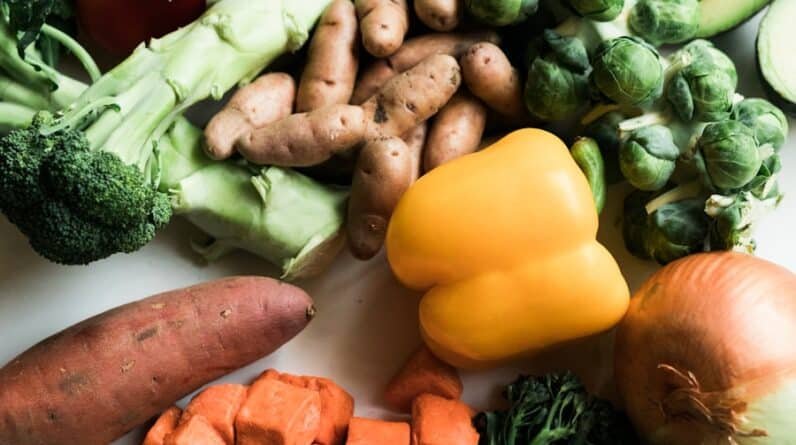
Fortunately, there are plenty of plant-based sources that can provide you with these essential nutrients. Foods like quinoa, soy products (tofu and tempeh), legumes (beans and lentils), nuts, and seeds can help you achieve a balanced amino acid profile when consumed in combination.
Incorporating Plant-Based Protein Sources

As you explore the world of plant-based proteins, you’ll discover a diverse array of options that can easily fit into your meals. One of the most versatile sources is legumes, which include beans, lentils, and chickpeas. These foods are not only rich in protein but also packed with fiber, vitamins, and minerals.
You can incorporate them into salads, soups, or even as a base for veggie burgers. The possibilities are endless when it comes to adding legumes to your diet. Another excellent source of plant-based protein is whole grains.
Quinoa stands out as a complete protein, containing all nine essential amino acids. You can use it as a base for grain bowls or as a side dish to complement your meals. Additionally, nuts and seeds are great snacks that provide healthy fats along with protein.
Almonds, chia seeds, and hemp seeds can be sprinkled on salads or blended into smoothies for an extra nutritional boost. By diversifying your protein sources, you’ll not only meet your amino acid needs but also enjoy a variety of flavors and textures in your meals.
Balancing Macronutrients for Muscle Growth
While protein is crucial for muscle growth, it’s important to remember that a balanced intake of macronutrients—carbohydrates and fats—also plays a significant role in your overall fitness journey. Carbohydrates serve as the primary energy source for your workouts, fueling your muscles during intense training sessions. If you neglect carbohydrates in favor of a high-protein diet, you may find yourself lacking the energy needed to perform at your best.
Fats are equally important as they support hormone production and help with nutrient absorption. Including healthy fats from sources like avocados, olive oil, and fatty fish can enhance your overall diet quality. Striking the right balance between these macronutrients will not only support muscle growth but also improve your performance in the gym.
As you plan your meals, consider how each macronutrient contributes to your goals and adjust accordingly to create a well-rounded diet.
Nutrient Timing and Meal Frequency
Nutrient timing refers to the strategic consumption of food around your workouts to maximize performance and recovery. You might have heard that consuming protein shortly after exercising can enhance muscle repair and growth. While this is true to some extent, it’s also important to focus on overall daily intake rather than just post-workout nutrition.
Ensuring that you consume adequate protein throughout the day will provide your muscles with a steady supply of amino acids. Meal frequency is another aspect to consider when planning your nutrition strategy. Some individuals thrive on three larger meals per day, while others prefer smaller, more frequent meals.
The key is to find what works best for you and supports your energy levels throughout the day. Regardless of your approach, aim to include a source of protein in each meal or snack to keep your muscles nourished and ready for recovery.
Micronutrient Considerations for Vegetarians and Vegans
Vitamin B12: A Crucial Nutrient
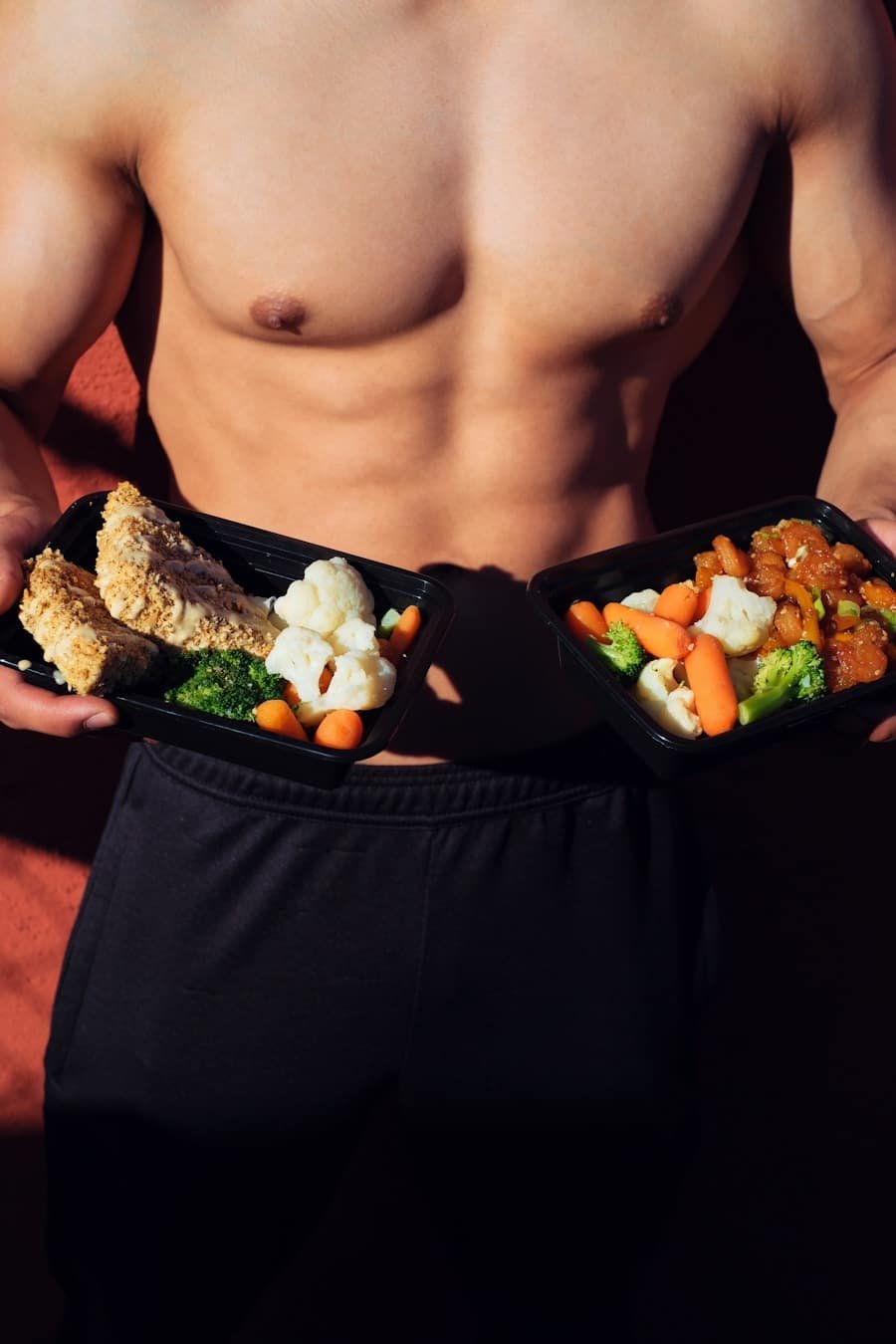
If you follow a vegetarian or vegan diet, it’s essential to pay attention to micronutrients that may be less abundant in plant-based foods. Certain vitamins and minerals—such as vitamin B12, iron, calcium, and omega-3 fatty acids—are crucial for overall health but can be challenging to obtain from non-animal sources alone. For instance, vitamin B12 is primarily found in animal products; therefore, if you’re not consuming these foods, consider fortified options or supplements.
Iron: A Nutrient That Requires Special Attention
Iron is another nutrient that requires special attention. While plant-based sources like lentils and spinach contain iron, it’s in a form called non-heme iron that is less readily absorbed by the body compared to heme iron found in meat. To enhance absorption, pair iron-rich foods with vitamin C sources like citrus fruits or bell peppers.
Ensuring a Balanced Diet
By being mindful of these micronutrient considerations, you can ensure that your vegetarian or vegan diet remains balanced and supports your muscle-building goals.
Hydration and Muscle Recovery
Hydration is often overlooked but is vital for optimal muscle recovery and performance. When you exercise, especially during intense workouts or prolonged sessions, you lose fluids through sweat. Dehydration can lead to decreased strength, endurance, and overall performance.
Therefore, it’s crucial to drink enough water throughout the day and during your workouts. In addition to water, consider incorporating electrolyte-rich beverages if you engage in prolonged or high-intensity exercise sessions. Electrolytes help maintain fluid balance in the body and support muscle function.
After workouts, rehydrating with water or an electrolyte drink can aid in recovery by replenishing lost fluids and supporting nutrient transport to muscles. By prioritizing hydration, you’ll set yourself up for success in both performance and recovery.
Supplements for Vegan and Vegetarian Muscle Building
While a well-planned diet can provide most of the nutrients you need for muscle building, some individuals may benefit from supplements to fill any gaps in their nutrition. For those following a vegan or vegetarian diet, protein powders derived from plant sources such as pea protein or brown rice protein can be an effective way to increase protein intake without relying on animal products. Additionally, consider supplements like creatine or branched-chain amino acids (BCAAs) if you’re looking to enhance muscle recovery and performance further.
Creatine is known for its ability to improve strength and power output during high-intensity exercise. BCAAs can help reduce muscle soreness after workouts and support recovery when taken around training sessions. However, always consult with a healthcare professional before starting any new supplement regimen to ensure it aligns with your individual needs and goals.
In conclusion, understanding the importance of protein intake and how to effectively incorporate it into your diet is essential for anyone looking to build muscle or improve their overall health. By focusing on essential amino acids from diverse sources—both animal-based and plant-based—you can create a balanced diet that supports your fitness journey while considering hydration and micronutrient needs along the way. With careful planning and consideration of supplements when necessary, you’ll be well-equipped to achieve your muscle-building goals while enjoying a nutritious vegetarian or vegan lifestyle.
If you are interested in learning more about how to build muscle effectively, you may want to check out this article on muscle building by flexing. This article provides valuable tips and techniques for maximizing muscle growth through proper flexing techniques. Additionally, you may also find this article on nutrient timing helpful in understanding how to optimize your diet for muscle building. Lastly, for tips on preventing injuries and promoting faster recovery, be sure to read this article on injury prevention and recovery. These resources can provide valuable insights into achieving your muscle building goals on a vegan or vegetarian diet.
FAQs
What are the key dietary considerations for muscle building on a vegan or vegetarian diet?
The key dietary considerations for muscle building on a vegan or vegetarian diet include ensuring adequate protein intake, consuming a variety of plant-based protein sources, and paying attention to overall calorie and nutrient intake.
How can vegans and vegetarians ensure adequate protein intake for muscle building?
Vegans and vegetarians can ensure adequate protein intake for muscle building by consuming a variety of plant-based protein sources such as legumes, tofu, tempeh, seitan, quinoa, and nuts and seeds. They can also consider using protein supplements such as pea protein, rice protein, or hemp protein.
What are some plant-based foods that are rich in essential nutrients for muscle building?
Some plant-based foods that are rich in essential nutrients for muscle building include lentils, chickpeas, black beans, quinoa, tofu, tempeh, spinach, broccoli, almonds, and chia seeds. These foods provide protein, iron, calcium, and other essential nutrients for muscle growth and recovery.
How can vegans and vegetarians ensure they are consuming enough calories for muscle building?
Vegans and vegetarians can ensure they are consuming enough calories for muscle building by including calorie-dense foods in their diet such as nuts, seeds, avocados, and healthy oils. They can also track their calorie intake and adjust their portion sizes to meet their energy needs for muscle building.
Are there any specific supplements that vegans and vegetarians should consider for muscle building?
Vegans and vegetarians may consider supplementing with vitamin B12, vitamin D, and omega-3 fatty acids, as these nutrients are commonly found in animal products. Additionally, they may consider using protein supplements such as pea protein, rice protein, or hemp protein to support their muscle building goals.