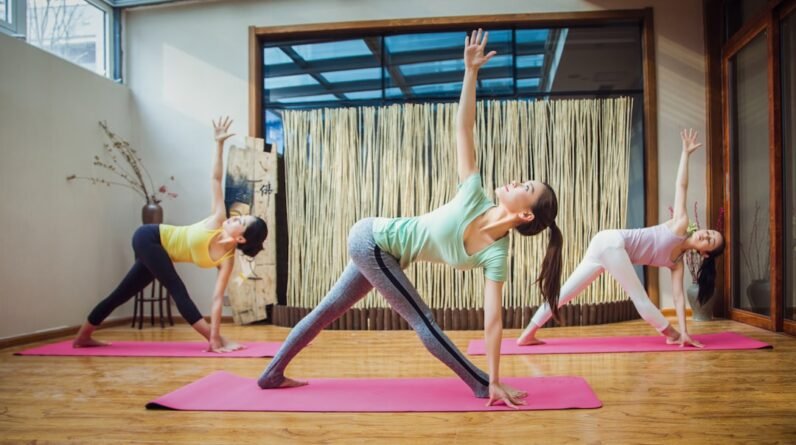
Stretching is a fundamental aspect of physical fitness that often gets overlooked. You may not realize it, but incorporating stretching into your routine can significantly enhance your overall performance and well-being. It serves as a bridge between your body’s current state and its potential, allowing you to improve flexibility, increase range of motion, and reduce the risk of injury.
When you stretch regularly, you prepare your muscles and joints for the demands of physical activity, making it easier to perform exercises and daily tasks with greater ease. Moreover, stretching can have profound effects on your mental state. Engaging in a stretching routine can help alleviate stress and promote relaxation.
As you focus on your breath and the sensations in your body, you create a moment of mindfulness that can be incredibly beneficial in today’s fast-paced world. This mental clarity can enhance your focus during workouts and improve your overall mood, making stretching not just a physical practice but a holistic one that nurtures both body and mind.
When it comes to stretching, you have two primary categories to consider: dynamic and static stretching. Dynamic stretching involves moving parts of your body through a full range of motion in a controlled manner. This type of stretching is particularly effective as part of a warm-up routine because it increases blood flow to the muscles and prepares them for the activity ahead.
You might find that incorporating dynamic stretches, such as leg swings or arm circles, helps you feel more agile and ready to tackle your workout. On the other hand, static stretching is performed by holding a stretch for a prolonged period, typically 15 to 60 seconds. This method is best suited for post-exercise routines when your muscles are warm and more pliable.
Static stretching can help improve flexibility over time and is an excellent way to cool down after an intense workout. Understanding the difference between these two types of stretching allows you to tailor your routine to maximize benefits, ensuring that you are both prepared for physical activity and aiding in recovery afterward.
Key Takeaways
- Stretching is important for improving flexibility, increasing range of motion, and preventing injury during physical activity.
- Dynamic stretching involves moving the body through a range of motion, while static stretching involves holding a stretch for a period of time.
- Key muscles to stretch include the hamstrings, quadriceps, calves, hip flexors, and shoulders.
- A pre-exercise stretching routine should focus on dynamic stretches to warm up the muscles and prepare them for activity.
- A post-exercise stretching routine should focus on static stretches to help the muscles relax and recover after physical activity.
Key Muscles to Stretch
As you embark on your stretching journey, it’s essential to identify the key muscle groups that require attention. Focusing on major muscle groups such as the hamstrings, quadriceps, hip flexors, shoulders, and back can yield significant benefits. For instance, tight hamstrings can lead to discomfort in your lower back and hinder your ability to perform various exercises effectively.
By dedicating time to stretch these areas, you can enhance your flexibility and reduce the risk of injury. Additionally, don’t overlook the importance of stretching smaller muscle groups. Your calves, forearms, and even neck muscles play crucial roles in overall mobility and function.
By incorporating stretches for these areas into your routine, you create a more balanced approach to flexibility training. This comprehensive strategy not only improves your performance but also contributes to better posture and alignment throughout your daily activities.
Pre-Exercise Stretching Routine
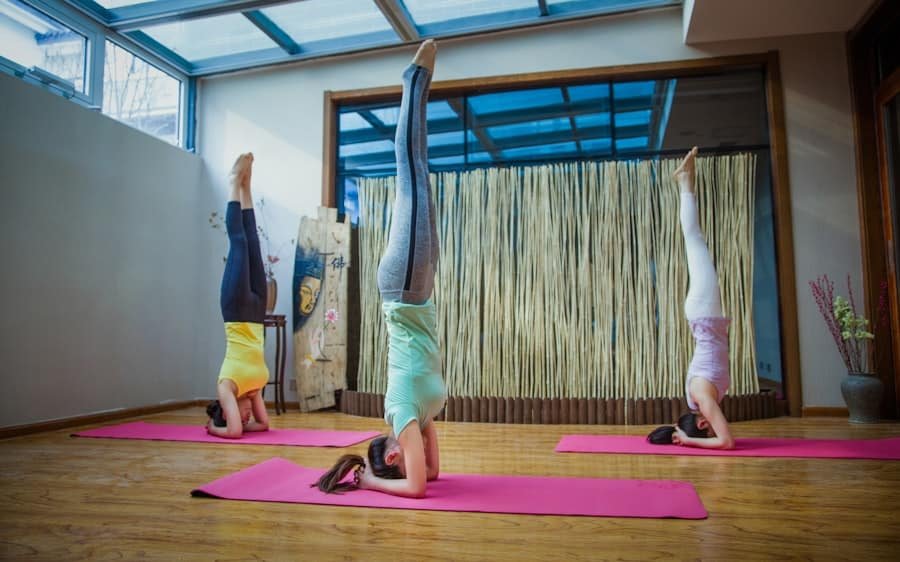
Before diving into any workout, establishing a pre-exercise stretching routine is vital for preparing your body for the physical demands ahead. Start with dynamic stretches that mimic the movements you’ll be performing during your workout. For example, if you plan to run, consider incorporating high knees or butt kicks into your warm-up.
These movements activate the muscles you’ll be using while increasing your heart rate and blood flow. In addition to dynamic stretches, consider including mobility exercises that target specific joints. For instance, performing ankle circles or hip openers can enhance joint function and reduce stiffness.
By taking the time to warm up properly, you not only improve your performance but also set yourself up for a safer workout experience. Remember that a well-structured pre-exercise routine can make all the difference in how you feel during and after your workout.
Post-Exercise Stretching Routine
After completing your workout, transitioning into a post-exercise stretching routine is equally important. This is the time to focus on static stretches that help lengthen the muscles you’ve just worked. Holding each stretch for 15 to 60 seconds allows your muscles to relax and recover from the exertion they’ve just experienced.
Pay special attention to areas that may feel tight or fatigued; this will aid in reducing soreness and improving flexibility over time. Incorporating deep breathing into your post-exercise routine can further enhance its effectiveness. As you hold each stretch, take slow, deep breaths to promote relaxation and oxygenate your muscles.
This mindful approach not only aids in recovery but also helps clear your mind after an intense workout session. By prioritizing post-exercise stretching, you create a habit that supports long-term physical health and well-being.
Stretching for Specific Activities
Different activities require different approaches to stretching. If you’re a runner, for example, focusing on stretches that target the hip flexors, quadriceps, and calves will be particularly beneficial. Incorporating movements like lunges with a twist or standing calf stretches can help improve your running form and efficiency.
On the other hand, if you’re involved in activities like yoga or dance, emphasizing flexibility in the hamstrings and back will be crucial for achieving optimal performance. Understanding the specific demands of your chosen activity allows you to tailor your stretching routine accordingly. This targeted approach not only enhances performance but also minimizes the risk of injury associated with overexertion or improper form.
By dedicating time to stretch for specific activities, you empower yourself to excel in whatever physical pursuits you choose.
Stretching for Injury Prevention
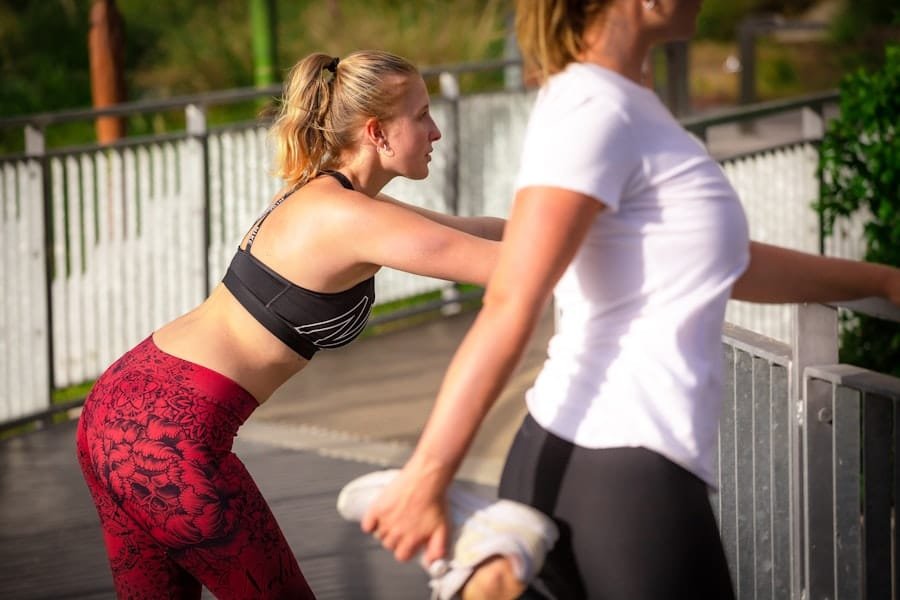
Injury prevention is one of the most compelling reasons to incorporate stretching into your fitness regimen. When muscles are tight or imbalanced, they are more susceptible to strains and tears during physical activity. By regularly stretching key muscle groups, you promote flexibility and balance within your body, reducing the likelihood of injuries occurring.
This proactive approach can save you from setbacks that could sideline you from your favorite activities. Moreover, stretching helps improve circulation and nutrient delivery to muscles and joints, which is essential for recovery and overall health. When you take the time to stretch consistently, you create an environment where your body can function optimally.
This not only enhances performance but also contributes to long-term sustainability in your fitness journey.
Incorporating Stretching into Your Daily Routine
To reap the full benefits of stretching, consider incorporating it into your daily routine rather than relegating it solely to workout sessions. You might find opportunities throughout the day—whether it’s taking a few minutes in the morning to stretch before starting your day or incorporating stretches during breaks at work. Simple movements like neck rolls or seated forward bends can help alleviate tension accumulated from prolonged sitting or standing.
Creating a habit of daily stretching doesn’t have to be time-consuming; even just 5-10 minutes can make a significant difference over time. As you become more attuned to how stretching affects your body and mind, you may find yourself looking forward to these moments of self-care. By prioritizing stretching as part of your daily routine, you cultivate a lifestyle that values flexibility, mobility, and overall well-being.
In conclusion, embracing a comprehensive approach to stretching can transform not only your physical capabilities but also enhance your mental clarity and emotional resilience. By understanding its importance, differentiating between dynamic and static methods, targeting key muscle groups, and establishing both pre- and post-exercise routines tailored to specific activities, you empower yourself to prevent injuries and improve performance. Ultimately, by integrating stretching into your daily life, you foster a healthier relationship with your body that supports long-term fitness goals and overall wellness.
If you’re looking to prevent injuries while working out, it’s important to also consider the myths surrounding bulking and cutting. Check out this article on bulking and cutting myths to ensure you’re following the right advice for your fitness goals. By understanding the misconceptions surrounding these practices, you can better protect yourself from potential injuries and setbacks in your workout routine.
FAQs
What are the benefits of stretching to prevent injuries?
Stretching helps to improve flexibility, increase range of motion, and reduce muscle tension, which can all contribute to preventing injuries during physical activity.
When is the best time to do stretching exercises to prevent injuries?
It is best to do stretching exercises both before and after physical activity to warm up the muscles and prevent injury. Dynamic stretching before activity and static stretching after activity is recommended.
What are some common stretches that can help prevent injuries?
Common stretches that can help prevent injuries include hamstring stretches, quadriceps stretches, calf stretches, hip flexor stretches, and shoulder stretches. It is important to stretch all major muscle groups.
How long should I hold a stretch to prevent injuries?
For static stretching, it is recommended to hold each stretch for 15-30 seconds. For dynamic stretching, each stretch should be held for 2-3 seconds and repeated 10-12 times.
Can stretching alone prevent all types of injuries?
While stretching can help prevent some injuries, it is not a guarantee against all types of injuries. It is important to also maintain proper form, use appropriate equipment, and listen to your body during physical activity to prevent injuries.