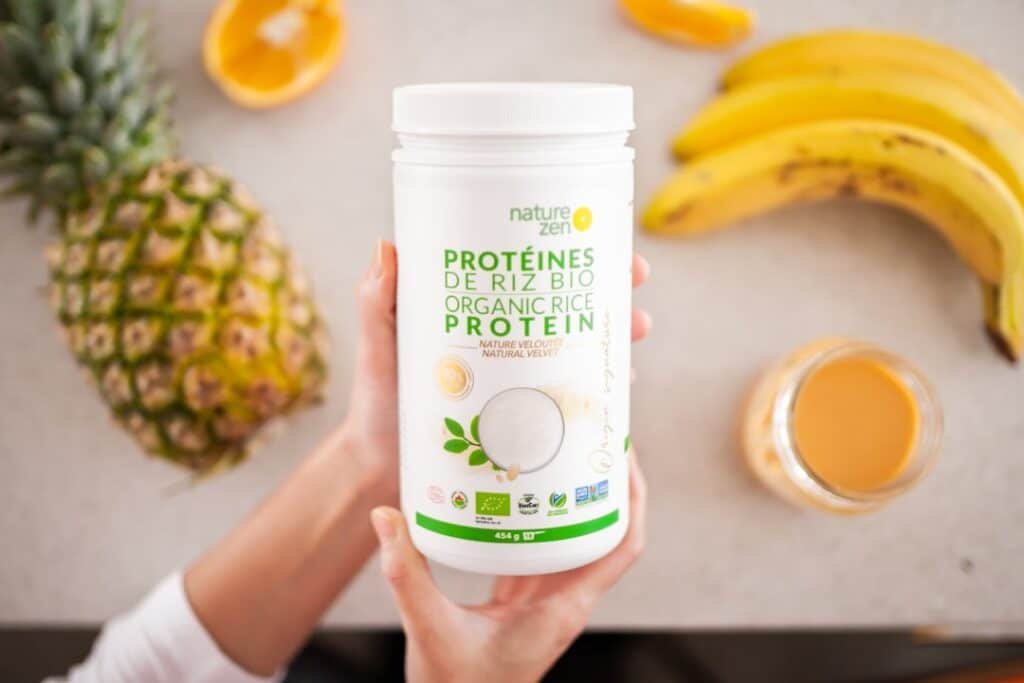
A protein shake is a nutritional beverage that primarily consists of protein, often derived from various sources such as whey, casein, soy, or pea protein. These shakes are designed to provide a convenient and efficient way to increase your protein intake, which is essential for muscle repair and growth. Typically, a protein shake is mixed with water, milk, or a milk alternative and can be consumed as a meal replacement, post-workout recovery drink, or simply as a supplement to your daily diet.
The versatility of protein shakes makes them a popular choice among fitness enthusiasts and those looking to enhance their nutritional intake. In addition to protein, many commercial protein shakes are fortified with vitamins, minerals, and other nutrients that can support overall health. You might find ingredients like fiber, healthy fats, and even superfoods in some formulations.
This means that a protein shake can serve not only as a source of protein but also as a well-rounded nutritional option that can help you meet your dietary goals. Whether you’re an athlete looking to optimize performance or someone trying to maintain a balanced diet, understanding what a protein shake is can help you make informed choices about incorporating it into your routine.
Key Takeaways
- Protein shakes are beverages made from protein powder mixed with water, milk, or a milk alternative, and are commonly consumed by athletes and fitness enthusiasts to support muscle growth and recovery.
- Protein shakes provide essential amino acids that aid in muscle repair and growth, making them an effective supplement for individuals looking to increase muscle mass and strength.
- There are various types of protein shakes available, including whey, casein, soy, and plant-based options, each with its own unique benefits and characteristics.
- It is recommended to consume a protein shake within 30 minutes of completing a workout to maximize muscle recovery and growth.
- Making a protein shake is simple and can be customized with ingredients such as fruits, vegetables, nut butters, and seeds to enhance flavor and nutritional content.
Benefits of Protein Shakes for Muscle Growth
One of the primary benefits of protein shakes is their ability to support muscle growth. When you engage in resistance training or any form of exercise that stresses your muscles, tiny tears occur in the muscle fibers. Your body then requires protein to repair these tears, leading to muscle hypertrophy or growth.
By consuming a protein shake after your workout, you provide your body with the necessary building blocks—amino acids—that facilitate this repair process. This can lead to faster recovery times and improved muscle gains over time. Moreover, protein shakes can help you meet your daily protein requirements more easily.
Many individuals struggle to consume enough protein through whole foods alone, especially if they have busy lifestyles or specific dietary restrictions. A protein shake offers a quick and convenient solution to this problem. By incorporating these shakes into your diet, you can ensure that you’re getting the right amount of protein needed to support your fitness goals without having to prepare elaborate meals.
This ease of use can be particularly beneficial for those who are new to fitness or are looking to streamline their nutrition.
Types of Protein Shakes
When it comes to protein shakes, there are several types available on the market, each catering to different dietary needs and preferences. Whey protein is one of the most popular options due to its high biological value and rapid absorption rate. It’s derived from milk and is ideal for post-workout recovery.
If you’re lactose intolerant or prefer plant-based options, you might consider soy or pea protein shakes. Soy protein is a complete protein source and contains all essential amino acids, while pea protein is hypoallergenic and easily digestible. In addition to these traditional options, there are also specialized protein shakes designed for specific dietary needs.
For instance, casein protein is another milk-derived option that digests slowly, making it suitable for overnight muscle recovery. There are also blends that combine different types of proteins to provide both fast- and slow-digesting benefits. Furthermore, some brands offer meal replacement shakes that include additional nutrients like carbohydrates and fats, making them suitable for those looking to gain weight or replace meals entirely.
When to Drink a Protein Shake
Timing can play a crucial role in maximizing the benefits of your protein shake. Many fitness experts recommend consuming a protein shake within 30 minutes after your workout. This post-exercise window is often referred to as the “anabolic window,” during which your muscles are particularly receptive to nutrients.
By providing your body with protein during this time, you can enhance muscle recovery and growth significantly. However, it’s not just about post-workout consumption; there are other strategic times to enjoy a protein shake as well. For instance, if you find it challenging to meet your daily protein intake through meals alone, having a shake as a snack between meals can help bridge the gap.
Additionally, some people prefer having a protein shake in the morning as part of their breakfast routine or even before bed if they’re using casein protein for its slow-digesting properties. Understanding when to drink your shake can help you tailor your nutrition strategy effectively.
How to Make a Protein Shake
Creating a delicious and nutritious protein shake is simple and can be customized according to your taste preferences and nutritional needs. Start with your choice of protein powder—whey, casein, soy, or plant-based—and add it to a blender along with your liquid base. Water or milk (dairy or non-dairy) are common choices, but you can also experiment with coconut water or almond milk for added flavor.
From there, you can enhance your shake by adding fruits like bananas or berries for natural sweetness and additional vitamins. If you’re looking for extra nutrients, consider incorporating spinach or kale for a green boost without compromising taste. You might also want to add healthy fats such as nut butter or avocado for creaminess and satiety.
Blend all the ingredients until smooth, and enjoy! The beauty of making your own shake lies in the ability to tailor it precisely to your liking while ensuring it meets your dietary goals.
Protein Shake Recipes for Muscle Growth
To help you get started on your journey toward muscle growth with protein shakes, here are a couple of recipes that pack a nutritional punch. The first is a classic Banana Peanut Butter Protein Shake. Combine one scoop of whey or plant-based protein powder with one ripe banana, two tablespoons of natural peanut butter, one cup of almond milk, and a handful of ice cubes in a blender.
Blend until smooth for a creamy treat that’s rich in protein and healthy fats. Another great option is the Berry Spinach Protein Smoothie. In this recipe, blend one scoop of vanilla protein powder with one cup of mixed berries (fresh or frozen), one cup of spinach, one tablespoon of chia seeds for added fiber and omega-3s, and one cup of coconut water or regular water.
This refreshing shake not only provides ample protein but also delivers antioxidants from the berries and essential nutrients from the spinach.
Precautions and Considerations when Consuming Protein Shakes
While protein shakes can be beneficial for muscle growth and overall health, it’s essential to approach their consumption mindfully. One key consideration is the quality of the protein powder you choose. Not all products are created equal; some may contain added sugars, artificial flavors, or fillers that could detract from their nutritional value.
Always read labels carefully and opt for high-quality brands that prioritize clean ingredients. Additionally, be cautious about relying too heavily on protein shakes as meal replacements. While they can be convenient supplements, whole foods provide a broader range of nutrients that are vital for overall health.
It’s important to maintain a balanced diet rich in fruits, vegetables, whole grains, and healthy fats alongside your protein intake. Lastly, if you have any underlying health conditions or dietary restrictions, consult with a healthcare professional or nutritionist before incorporating significant amounts of protein shakes into your routine.
Incorporating Protein Shakes into Your Muscle Growth Routine
Incorporating protein shakes into your muscle growth routine can be an effective strategy for enhancing recovery and supporting overall fitness goals. By understanding what protein shakes are and how they work within your body, you can make informed decisions about when and how to consume them. With various types available on the market and countless recipes at your disposal, there’s no shortage of ways to enjoy these nutritious beverages.
As you embark on this journey toward muscle growth, remember that balance is key. Use protein shakes as supplements rather than replacements for whole foods, ensuring that you maintain a well-rounded diet rich in essential nutrients. By doing so, you’ll not only support your muscle-building efforts but also promote overall health and well-being in the long run.
So go ahead—experiment with different flavors and ingredients until you find the perfect shake that fuels your workouts and helps you achieve your fitness aspirations!
If you are looking to break through training plateaus and maximize muscle growth, it is essential to have a well-rounded workout plan. One helpful resource is a muscle gain workout plan in PDF format that can guide you through effective exercises and strategies for building muscle. In addition to following a structured workout routine, incorporating a protein shake into your diet can also aid in muscle growth and recovery. Check out this article on how to build muscle and lose fat for more tips on achieving your fitness goals.
FAQs
What is a protein shake?
A protein shake is a dietary supplement that contains a high concentration of protein, typically in the form of whey, casein, or plant-based proteins. It is commonly used by athletes and fitness enthusiasts to support muscle growth and recovery.
How does a protein shake help with muscle growth?
Protein shakes provide the body with the necessary building blocks (amino acids) to repair and build muscle tissue. Consuming protein shakes after a workout can help promote muscle protein synthesis, leading to muscle growth and recovery.
When is the best time to consume a protein shake for muscle growth?
The best time to consume a protein shake for muscle growth is within 30 minutes to an hour after a workout. This is when the body is most receptive to protein and can use it to repair and build muscle tissue.
How much protein should be in a protein shake for muscle growth?
The amount of protein in a protein shake for muscle growth can vary depending on individual needs and goals. However, a general guideline is to aim for 20-30 grams of protein per serving.
Are there any potential side effects of consuming protein shakes for muscle growth?
When consumed in moderation, protein shakes are generally safe for most people. However, excessive consumption of protein shakes can lead to digestive issues, kidney problems, and weight gain. It is important to follow recommended serving sizes and to obtain protein from a variety of sources in the diet.
Can protein shakes be used as a meal replacement for muscle growth?
While protein shakes can be a convenient and quick source of protein, they should not be used as a complete meal replacement for muscle growth. It is important to consume a balanced diet that includes a variety of nutrients from whole foods to support overall health and muscle growth.