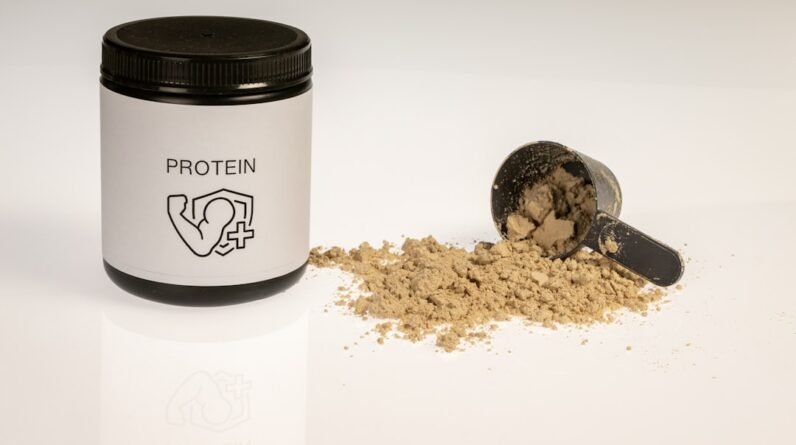
When you embark on a fitness journey, especially one focused on building muscle, understanding the role of protein powder becomes essential. Protein is a fundamental macronutrient that plays a crucial role in muscle repair and growth. After an intense workout, your muscles undergo stress and micro-tears, which need to be repaired for growth to occur.
This is where protein powder comes into play. It provides a convenient and efficient source of protein that can help you meet your daily intake requirements, especially when whole food sources may not be readily available or practical. Protein powder serves as a supplement to your diet, helping you achieve the necessary protein levels to support muscle synthesis.
It is particularly beneficial for those who may struggle to consume enough protein through food alone, such as vegetarians or busy individuals. By incorporating protein powder into your routine, you can enhance your recovery process, reduce muscle soreness, and ultimately promote lean muscle gain. Understanding how protein powder fits into your overall nutrition strategy is vital for maximizing its benefits.
Key Takeaways
- Protein powder is a convenient way to increase protein intake for muscle gain and recovery.
- Whey, casein, soy, and pea protein are common types of protein powder for lean muscle gain, each with unique benefits.
- Consider factors such as protein source, additives, and personal dietary restrictions when choosing the right protein powder.
- Timing and dosage of protein powder consumption can impact muscle recovery and growth.
- Protein powder can be incorporated into meals, snacks, and shakes to support muscle gain and overall nutrition.
Types of Protein Powder for Lean Muscle Gain
Whey Protein: A Popular Choice Among Athletes
Whey protein is one of the most popular choices among athletes and fitness enthusiasts due to its high biological value and rapid absorption rate. Derived from milk during the cheese-making process, whey protein contains all essential amino acids, making it an excellent option for muscle recovery and growth.
Plant-Based Alternatives for Special Diets
If you’re looking for a quick post-workout shake, whey protein might be your go-to. However, if you follow a plant-based diet or have lactose intolerance, you might consider alternatives like pea protein, brown rice protein, or hemp protein. These plant-based options are not only effective in promoting muscle gain but also come with additional health benefits, such as fiber content and essential fatty acids.
Pea Protein: A Rich Source of BCAAs
Pea protein, for instance, is rich in branched-chain amino acids (BCAAs), which are crucial for muscle recovery. By understanding the different types of protein powders available, you can select one that aligns with your dietary preferences and fitness goals.
How to Choose the Right Protein Powder for Your Goals
Selecting the right protein powder can feel overwhelming given the myriad of options on the market. To make an informed decision, start by assessing your specific fitness goals. Are you aiming to build lean muscle mass, lose weight, or simply maintain your current physique?
If your primary focus is muscle gain, look for a protein powder that offers a higher protein content per serving and includes essential amino acids. Additionally, consider the source of the protein; if you’re lactose intolerant or vegan, plant-based options may be more suitable. Another factor to consider is the presence of additional ingredients in the protein powder.
Some products are fortified with vitamins, minerals, or other performance-enhancing compounds like creatine or BCAAs. While these can be beneficial, it’s essential to ensure that they align with your overall dietary needs and do not contain any unwanted additives or fillers. Reading labels carefully and researching brands can help you find a high-quality protein powder that meets your requirements.
The Importance of Timing and Dosage for Protein Powder Consumption
Timing and dosage play a significant role in maximizing the benefits of protein powder consumption. Consuming protein shortly after your workout can enhance muscle recovery and growth by providing your body with the necessary building blocks it needs during this critical period. Aim to consume your protein shake within 30 minutes to two hours post-exercise for optimal results.
This window is often referred to as the “anabolic window,” where your muscles are most receptive to nutrient uptake. In terms of dosage, it’s essential to find the right amount of protein that works for you. While general recommendations suggest around 20-30 grams of protein per serving, individual needs may vary based on factors such as body weight, activity level, and overall dietary intake.
Monitoring your progress and adjusting your protein intake accordingly can help you achieve your muscle gain goals more effectively. Remember that while protein powder is a valuable tool, it should complement a well-rounded diet rather than replace whole food sources.
Incorporating Protein Powder into Your Diet and Meal Planning
Integrating protein powder into your daily diet can be both simple and enjoyable. One effective way to do this is by adding it to smoothies or shakes. Blend it with fruits, vegetables, and a source of healthy fats like nut butter or avocado for a nutrient-dense meal replacement or snack.
You can also incorporate protein powder into baked goods such as pancakes, muffins, or energy bars for an added boost of protein without compromising taste. Meal planning is another excellent strategy for ensuring you meet your protein goals consistently. By preparing meals in advance and including protein-rich foods alongside your protein powder intake, you can create a balanced diet that supports muscle gain.
Consider planning meals that feature lean meats, legumes, dairy products, and whole grains alongside your shakes to ensure you’re getting a variety of nutrients essential for overall health and performance.
Maximizing Muscle Gain with Protein Powder and Exercise
To truly maximize muscle gain, it’s crucial to combine your protein powder intake with a well-structured exercise regimen. Resistance training is key to stimulating muscle growth; therefore, incorporating weightlifting or bodyweight exercises into your routine will complement the effects of protein supplementation. Focus on progressive overload by gradually increasing the weights or resistance you use during workouts to continually challenge your muscles.
Additionally, consider varying your workout routine to include different types of exercises that target various muscle groups. This not only prevents boredom but also ensures balanced development across your body. Pairing consistent strength training with adequate protein intake will create an optimal environment for muscle growth and recovery.
Remember that consistency is vital; sticking to both your workout plan and nutrition strategy will yield the best results over time.
Potential Risks and Side Effects of Protein Powder Consumption
While protein powder can be an effective supplement for muscle gain, it’s essential to be aware of potential risks and side effects associated with its consumption. Some individuals may experience digestive issues such as bloating, gas, or diarrhea, particularly if they are lactose intolerant or sensitive to certain ingredients in the powder. Choosing a high-quality product with minimal additives can help mitigate these issues.
Moreover, excessive protein intake can lead to health concerns over time. Consuming more protein than your body needs may strain your kidneys and lead to dehydration or nutrient imbalances. It’s crucial to strike a balance between meeting your protein needs and maintaining a varied diet rich in fruits, vegetables, whole grains, and healthy fats.
Consulting with a healthcare professional or registered dietitian can provide personalized guidance on how much protein is appropriate for you based on your individual circumstances.
Tips for Using Protein Powder to Achieve Lean Muscle Gain
To effectively use protein powder as part of your strategy for lean muscle gain, consider these practical tips. First, establish a routine that includes regular workouts combined with consistent protein intake. This will help reinforce the habit of nourishing your body adequately after exercise while promoting muscle recovery.
Second, experiment with different recipes and combinations to keep things interesting. Whether it’s trying new smoothie flavors or incorporating protein powder into savory dishes like soups or sauces, variety can make it easier to stick with your nutrition plan over time. Lastly, track your progress by keeping a journal of your workouts and dietary intake; this will help you identify what works best for you and make necessary adjustments along the way.
By understanding the role of protein powder in muscle gain and incorporating it thoughtfully into your diet and exercise routine, you can set yourself up for success on your fitness journey. With dedication and the right approach, you’ll be well on your way to achieving your lean muscle gain goals.
If you’re looking to gain lean muscle, protein powder can be a valuable supplement to add to your diet. However, it’s important to also focus on your workout routine to maximize your gains. One article that can provide helpful information on high-frequency training programs for quick gains is this one. By incorporating these programs into your fitness regimen, along with a protein-rich breakfast as suggested in this article, and incorporating effective back workouts and exercises from this resource, you can optimize your muscle-building efforts and achieve your desired results.
FAQs
What is protein powder?
Protein powder is a dietary supplement that is typically made from whey, casein, soy, or egg proteins. It is used to increase protein intake, which is essential for muscle growth and repair.
How does protein powder help in gaining lean muscle?
Protein powder provides the body with a concentrated source of protein, which is necessary for muscle growth and repair. Consuming protein powder can help individuals meet their daily protein requirements, especially for those who have higher protein needs due to intense physical activity or muscle-building goals.
Is protein powder safe to consume?
Protein powder is generally safe for consumption when used as directed. However, individuals with kidney or liver issues should consult a healthcare professional before using protein powder. It is also important to choose a high-quality protein powder and to follow the recommended dosage.
How much protein powder should I consume to gain lean muscle?
The amount of protein powder needed to gain lean muscle varies depending on factors such as body weight, activity level, and overall diet. It is recommended to consume 0.36 grams of protein per pound of body weight for muscle growth. This can be achieved through a combination of protein from whole foods and protein powder.
When is the best time to consume protein powder for muscle gain?
Consuming protein powder within 30 minutes to an hour after a workout can help support muscle recovery and growth. Additionally, consuming protein powder as part of a balanced meal or snack throughout the day can also contribute to muscle gain.