Proper Lifting Form
The significance of maintaining proper lifting form cannot be overstated in weightlifting or any form of resistance training.
You may think lifting weights is simply about brute strength, but technique is crucial in maximizing your performance and minimizing the risk of injury. Proper form ensures that you engage the right muscle groups effectively, allowing you to achieve your fitness goals more efficiently.
It also helps build a solid foundation for more advanced exercises as you progress your training. Moreover, adopting the correct lifting form can enhance your overall workout experience. Lifting correctly makes you less likely to experience discomfort or pain during and after your sessions.
This keeps you motivated and encourages consistency in your training routine. By prioritizing proper lifting form, you set yourself up for long-term success, ensuring that you can continue to challenge yourself and make progress without setbacks caused by injuries.

Key Takeaways
- Proper lifting form is crucial for preventing injuries and maximizing the effectiveness of your workout.
- Common mistakes in lifting form include rounding the back, using momentum, and lifting with the arms instead of the legs.
- Using proper lifting forms can help improve strength, stability, and overall performance in the gym.
- Proper lifting techniques include keeping the back straight, using the legs to lift, and engaging the core muscles.
- To avoid injury while lifting, it’s essential to start with a proper warm-up, use the right equipment, and listen to your body’s limits.
Common Mistakes in Lifting Form
Even seasoned lifters can fall prey to common mistakes in lifting form, which can lead to ineffective workouts and potential injuries.
One prevalent error is rounding the back during lifts, particularly in exercises like deadlifts and bent-over rows. Rounding the back places undue stress on the spine, increasing the risk of serious injury.
Keeping a neutral spine throughout your lifts is essential for maintaining stability and safety. Another frequent mistake is using momentum rather than muscle control to lift weights.
You might find yourself swinging weights or using jerky movements to complete a rep, which can compromise your form and reduce the exercise’s effectiveness.
This diminishes the workout’s benefits and increases the likelihood of strains or sprains. Concentrate on controlled movements and engage your core to stabilize your body throughout each lift to counteract this.
Benefits of Using Proper Lifting Form

Utilizing proper lifting forms offers a multitude of benefits that extend beyond just preventing injuries. One of the most significant advantages is improved strength gains. When you lift with the correct technique, you target the intended muscle groups effectively, leading to better muscle activation and growth.
This means you will see results more quickly and efficiently, making your workouts more rewarding. Proper lifting form can improve your overall athletic performance and strength.
Whether you’re an athlete looking to excel in your sport or simply someone who enjoys staying active, mastering lifting techniques can improve your functional strength and endurance.
You may find that everyday activities become more manageable, from carrying groceries to playing with your kids. Ultimately, investing time in learning and maintaining proper lifting forms pays off in various aspects of your life.
Proper Lifting Techniques
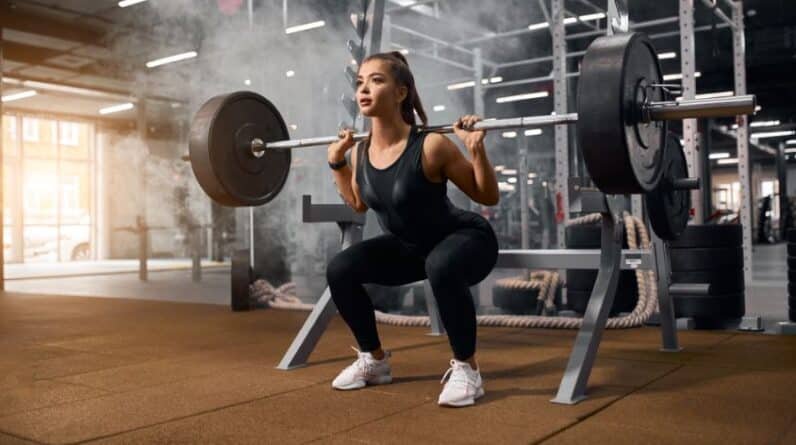
To ensure that you are lifting correctly, it’s essential to familiarize yourself with proper lifting techniques for various exercises. For instance, when performing a squat, stand with your feet shoulder-width apart and your toes slightly pointed outward. As you lower your body, push your hips back as if sitting in a chair while keeping your chest up and back straight.
This technique allows for optimal engagement of the glutes and quadriceps while minimizing knee strain. Similarly, when executing a bench press, it’s crucial to maintain a stable position on the bench. Your feet should be flat on the ground, and your shoulder blades should be retracted to create a solid base.
As you lower the barbell, keep your elbows at about a 45-degree angle relative to your body to protect your shoulders. By adhering to these techniques, you can maximize the effectiveness of each exercise while safeguarding against injuries.
How to Avoid Injury While Lifting
Injury prevention should be a top priority for anyone engaging in weightlifting or resistance training. One effective strategy is to listen to your body and recognize when something feels off. If you experience pain or discomfort during a lift, you must stop immediately and assess what might be causing the issue.
Ignoring these signals can lead to more severe injuries later on. Additionally, incorporating rest days into your training schedule is vital for recovery and injury prevention. Your muscles need time to repair and grow stronger after intense workouts.
Overtraining can lead to fatigue and increase the risk of injury due to compromised form or lack of focus during lifts. By allowing adequate recovery time, you protect yourself from injuries and enhance your overall performance in the long run.
Tips for Maintaining Proper Lifting Form
Maintaining proper lifting form requires mindfulness and practice, but several tips can help you stay on track. One effective method is to use mirrors or video recordings during your workouts. Observing yourself can provide valuable feedback on your form and help identify areas for improvement.
Consider working with a trainer who can offer guidance and corrections as needed if possible. Another helpful tip is to break down complex movements into smaller components. For example, practice the hip hinge movement separately before adding weight if you’re struggling with deadlifts.
This allows you to focus on mastering each part of the lift before combining them into an entire movement. Gradually refining your technique will build confidence and competence in your lifting abilities.
Proper Lifting Form for Different Exercises
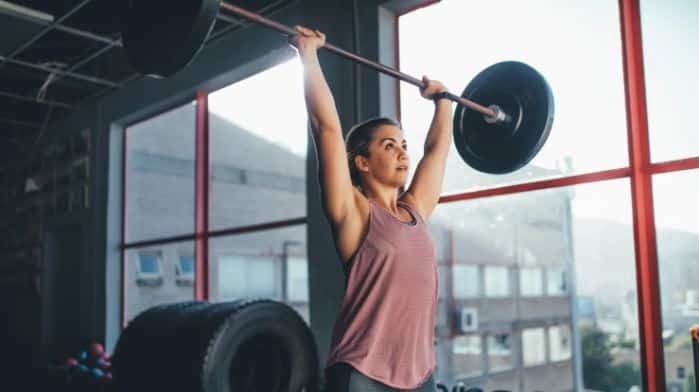
Engaging your core throughout the movement will also help maintain balance and stability. In contrast, keeping your feet shoulder-width apart when executing overhead presses is essential for a stable base. As you lift the weight overhead, ensure that your elbows are slightly in front of the barbell rather than flaring to the sides.
This positioning protects your shoulders while allowing optimal muscle engagement in both the shoulders and triceps. Understanding and applying proper form for each exercise can maximize results while minimizing injury risk.
Importance of Proper Warm-Up Before Lifting
Before diving into any lifting session, a proper warm-up is crucial for preparing your body and mind for the workout. Warming up increases blood flow to your muscles and raises your heart rate, which helps improve overall performance during lifts. It also enhances flexibility and range of motion, making maintaining proper form throughout your exercises easier.
Incorporating dynamic stretches and mobility exercises into your warm-up routine can enhance effectiveness. Movements such as arm circles, leg swings, and torso twists can help activate key muscle groups while promoting joint stability. By warming up adequately before lifting, you set yourself up for a successful workout while significantly reducing the risk of injury.
Understanding the importance of proper lifting forms is essential for anyone looking to engage in weightlifting or resistance training safely and effectively.
You can enhance your performance and enjoyment of lifting by recognizing common mistakes, implementing correct techniques, and prioritizing injury prevention strategies. Remember that consistency is key; with practice and mindfulness, you’ll develop a strong foundation to serve you well throughout your fitness journey.
When it comes to proper lifting form, it is crucial to understand the importance of targeted muscle activation techniques for quick progress.
By utilizing these techniques, individuals can ensure they engage the correct muscles during their lifts, ultimately leading to better results and reduced risk of injury. Check out this article here for more information on targeted muscle activation techniques.
FAQs
What is proper lifting form?
Proper lifting form refers to the correct technique and body positioning used when lifting heavy objects, which minimizes the risk of injury and strain on the body.
Why is proper lifting form important?
Proper lifting form is essential because it helps prevent injuries such as strains, sprains, and muscle pulls. It also protects the spine and other joints from damage.
What are the key principles of proper lifting form?
The key principles of proper lifting form include keeping the back straight, bending at the knees and hips, using the legs to lift rather than the back, and keeping the object close to the body.
How can I improve my lifting form?
You can improve your lifting form by practicing proper techniques, strengthening the muscles used for lifting through squats and deadlifts and seeking guidance from a fitness professional.
What are some common mistakes to avoid when lifting heavy objects?
Common mistakes to avoid when lifting heavy objects include rounding the back, twisting while lifting, and lifting with the arms rather than the legs.
Are there specific guidelines for lifting forms based on the type of object being lifted?
Yes, there are specific guidelines for lifting forms based on the type of object being lifted. For example, lifting a box from the ground may require a different technique than lifting a barbell from a rack.
Related Topics About Proper Lifting Form
5 Steps For Proper Lifting,
Correct Lifting Technique Australia,
Correct Lifting Technique Steps,
Correct Lifting Technique Uk,
Good Form Lifting Weights,
How To Learn Proper Lifting Form,
Proper Bench Lifting Form,
Proper Deadlifting Form,
Proper Form For Lifting,
Proper Form For Lifting Dumbbells,
Proper Form For Lifting Free Weights,
Proper Form For Lifting Heavy Objects,
Proper Form Lifting Weights,
Proper Form Of Lifting,
Proper Form Of Lifting Weights,
Proper Form When Lifting,
Proper Form While Lifting Weights,
Proper Lifting Form,
Proper Lifting Technique Are,
Proper Lifting Technique Emt,
Proper Lifting Technique Harris Teeter,
Proper Lifting Technique Images,
Proper Lifting Technique Includes,
Proper Lifting Technique To Avoid Injury,
Safe Lifting Technique Includes Quizlet,
What Is Proper Lifting Form
==========
Content 10/10/G