
As you embark on your fitness journey, you may find yourself identifying as a hardgainer. This term typically refers to individuals who struggle to gain weight and muscle mass despite their best efforts in the gym and the kitchen. Understanding the unique challenges faced by hardgainers is crucial for developing an effective strategy to achieve your fitness goals.
Hardgainers often have a fast metabolism, which means that they burn calories at a quicker rate than others. This can make it difficult to consume enough calories to support muscle growth and recovery. Moreover, genetics play a significant role in determining your body type and metabolism.
If you find it challenging to pack on muscle, it may not solely be due to your training regimen or dietary choices; your genetic predisposition could be a contributing factor. Recognizing this can help you approach your fitness journey with a more realistic mindset. Instead of comparing yourself to others who seem to gain muscle effortlessly, focus on creating a personalized plan that caters to your unique needs as a hardgainer.
Key Takeaways
- Hardgainers have a fast metabolism and struggle to gain weight and muscle mass
- Consuming a caloric surplus is essential for hardgainers to support muscle growth
- Hardgainers should aim for a macronutrient ratio of 50% carbohydrates, 25% protein, and 25% fat
- Protein is crucial for hardgainers as it supports muscle repair and growth
- Nutrient timing, such as consuming protein and carbs before and after workouts, is important for hardgainers to support muscle recovery and growth
Caloric Surplus for Hardgainers
Calculating Your Daily Caloric Needs
A good starting point is to calculate your daily caloric needs and then add a surplus to that number. Aim to add an additional 300 to 500 calories per day, depending on your activity level and goals. This surplus will provide your body with the extra energy it needs to build muscle and recover from workouts.
Quality Over Quantity
However, simply increasing your caloric intake isn’t enough; the quality of those calories matters just as much. Focus on nutrient-dense foods that provide not only calories but also essential vitamins and minerals.
Nutrient-Dense Foods for Optimal Gains
Incorporate whole grains, lean proteins, healthy fats, and plenty of fruits and vegetables into your diet. This approach will ensure that you’re not just gaining weight but also supporting overall health and well-being as you work towards your fitness goals.
Macronutrient Ratios for Hardgainers
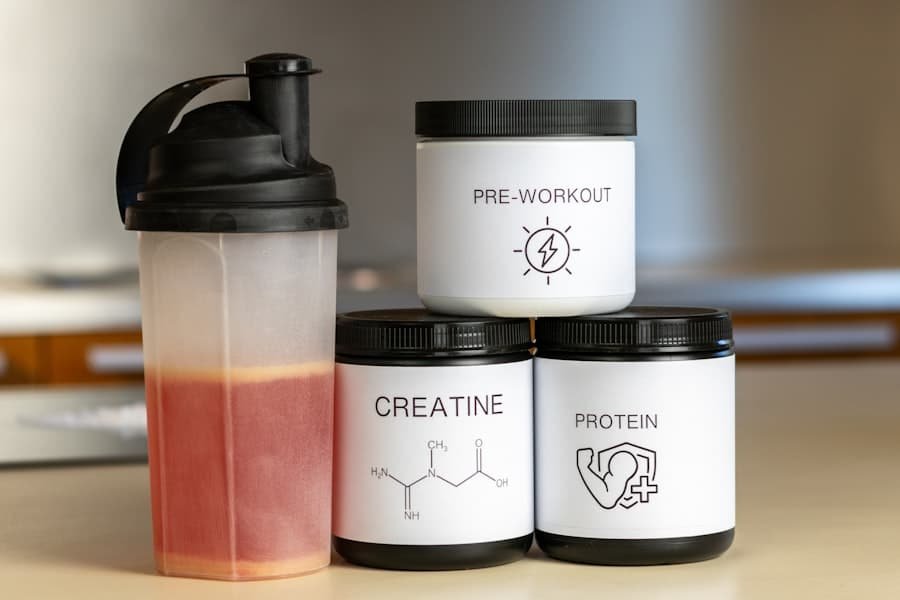
Once you’ve established a caloric surplus, the next step is to consider the macronutrient ratios that will best support your goals as a hardgainer. Macronutrients—proteins, carbohydrates, and fats—are the building blocks of your diet, and each plays a vital role in muscle growth and recovery. A common recommendation for hardgainers is to aim for a macronutrient ratio of approximately 40% carbohydrates, 30% protein, and 30% fats.
This balance can help ensure that you’re fueling your workouts while also providing the necessary building blocks for muscle repair. Carbohydrates are particularly important for hardgainers because they serve as the primary source of energy during intense workouts. By prioritizing complex carbohydrates such as oats, brown rice, and sweet potatoes, you can maintain energy levels throughout your training sessions.
Meanwhile, protein is essential for muscle repair and growth, so be sure to include high-quality sources like chicken, fish, eggs, and legumes in your meals. Healthy fats, found in foods like avocados, nuts, and olive oil, are also crucial for hormone production and overall health. By carefully balancing these macronutrients, you can create a diet that supports your goals as a hardgainer.
Importance of Protein for Hardgainers
Protein is often hailed as the cornerstone of any successful muscle-building diet, and for good reason. As a hardgainer, you need to prioritize protein intake to support muscle repair and growth after workouts. The general recommendation for protein intake is around 1.2 to 2.2 grams per kilogram of body weight per day, depending on your activity level and goals.
This means that if you weigh 70 kilograms (about 154 pounds), you should aim for approximately 84 to 154 grams of protein daily. Incorporating a variety of protein sources into your diet can help you meet these requirements while also keeping your meals interesting. Lean meats like chicken and turkey are excellent options, but don’t overlook plant-based sources such as beans, lentils, and tofu if you prefer a vegetarian or vegan approach.
Additionally, protein-rich snacks like Greek yogurt or protein shakes can be convenient ways to boost your intake throughout the day. By ensuring that you consume adequate protein, you’ll be setting yourself up for success in your quest to build muscle as a hardgainer.
Nutrient Timing for Hardgainers
While total caloric intake is crucial for hardgainers, nutrient timing can also play a significant role in optimizing muscle growth and recovery. The timing of your meals and snacks can influence how effectively your body utilizes the nutrients you consume. For instance, consuming a balanced meal or snack containing both carbohydrates and protein within 30 minutes to two hours after your workout can help replenish glycogen stores and kickstart the recovery process.
In addition to post-workout nutrition, consider spreading your meals throughout the day to maintain a steady supply of nutrients. Eating every three to four hours can help ensure that your body has a constant influx of calories and macronutrients to support muscle growth. This approach can be particularly beneficial for hardgainers who may struggle to consume large meals at once.
By focusing on nutrient timing alongside overall caloric intake, you can maximize your results in the gym.
Supplements for Hardgainers
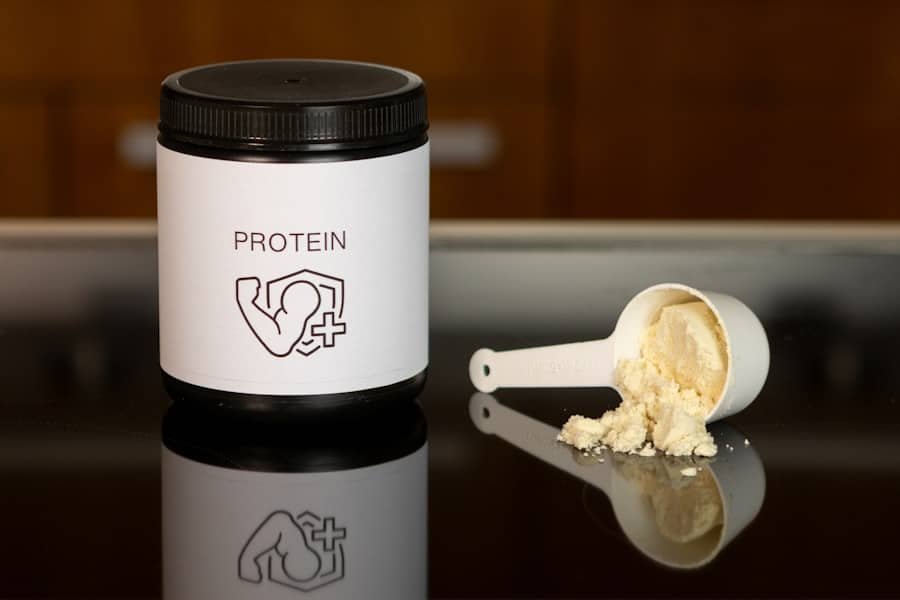
While whole foods should always be the foundation of your diet, certain supplements can provide additional support for hardgainers looking to increase their caloric intake and optimize muscle growth. One popular option is protein powder, which can be an effective way to boost your protein intake without feeling overly full. Whey protein is particularly well-regarded for its high biological value and rapid absorption rate, making it an excellent post-workout option.
Another supplement worth considering is creatine monohydrate. Creatine has been shown to enhance strength and power output during high-intensity exercise, making it beneficial for hardgainers looking to push their limits in the gym. Additionally, weight gainers—high-calorie supplements designed specifically for those struggling to gain weight—can be useful if you find it challenging to consume enough calories through whole foods alone.
However, it’s essential to approach supplementation with caution; always consult with a healthcare professional before adding new products to your routine.
Meal Planning for Hardgainers
Effective meal planning is key for hardgainers who want to ensure they’re consistently meeting their caloric and macronutrient needs. Start by creating a weekly meal plan that outlines what you’ll eat each day, including breakfast, lunch, dinner, and snacks. This will help you stay organized and make it easier to track your intake throughout the week.
When planning meals, aim for variety by incorporating different protein sources, grains, fruits, and vegetables. Batch cooking can also be a game-changer for hardgainers with busy schedules. Preparing larger quantities of meals in advance allows you to have nutritious options readily available when hunger strikes.
Consider making dishes like stir-fries, casseroles, or grain bowls that can be easily reheated throughout the week. By taking the time to plan and prepare meals ahead of time, you’ll set yourself up for success in meeting your nutritional goals.
Tips for Consistent Nutrition for Hardgainers
Staying consistent with nutrition can be particularly challenging for hardgainers due to their unique dietary needs. However, there are several strategies you can implement to make this process easier. First and foremost, keep healthy snacks on hand at all times—think nuts, protein bars, or yogurt—to ensure that you have quick options available when hunger strikes.
Additionally, consider tracking your food intake using apps or journals to monitor your progress more effectively. This practice can help you identify patterns in your eating habits and make adjustments as needed. Lastly, don’t hesitate to seek support from friends or family members who understand your goals; having a support system can make it easier to stay accountable and motivated on your journey as a hardgainer.
By understanding the unique challenges faced by hardgainers and implementing these strategies into your routine, you’ll be well-equipped to achieve your fitness goals while enjoying the process along the way. Remember that consistency is key; with dedication and the right approach, you can overcome obstacles and build the physique you desire.
If you are a hardgainer looking to build muscle, you may also be interested in learning about how long it takes to build muscle in your arms. According to a recent article on musclesbuilder.tips, the process of building muscle in specific areas of the body, such as the arms, can vary depending on factors like genetics, diet, and exercise routine. Understanding the timeline for muscle growth in your arms can help you set realistic goals and track your progress effectively. Additionally, you may want to explore muscle gainer supplements and plateau-busting strategies to further enhance your muscle-building efforts. Check out the articles on musclesbuilder.tips and musclesbuilder.tips for more information on these topics.
FAQs
What is a hardgainer?
A hardgainer is a term used to describe individuals who have difficulty gaining weight and muscle mass, despite their efforts to eat more and train harder.
What are some common challenges faced by hardgainers?
Some common challenges faced by hardgainers include a fast metabolism, difficulty consuming enough calories, and a struggle to build muscle mass.
What are some key nutrition tips for hardgainers?
Key nutrition tips for hardgainers include consuming a surplus of calories, focusing on nutrient-dense foods, prioritizing protein intake, and incorporating healthy fats and carbohydrates into their diet.
How can hardgainers increase their calorie intake?
Hardgainers can increase their calorie intake by consuming larger portion sizes, incorporating calorie-dense foods such as nuts, avocados, and whole grains, and adding healthy fats like olive oil and nut butters to their meals.
What role does protein play in the diet of a hardgainer?
Protein plays a crucial role in the diet of a hardgainer as it is essential for muscle repair and growth. Hardgainers should aim to consume a sufficient amount of protein from sources such as lean meats, poultry, fish, eggs, dairy, and plant-based sources like tofu and legumes.
Are there any supplements that can help hardgainers with their nutrition?
While it’s important to prioritize whole foods, hardgainers may benefit from supplements such as protein powders, weight gainers, and creatine to help meet their calorie and nutrient needs. It’s important to consult with a healthcare professional before incorporating supplements into their routine.