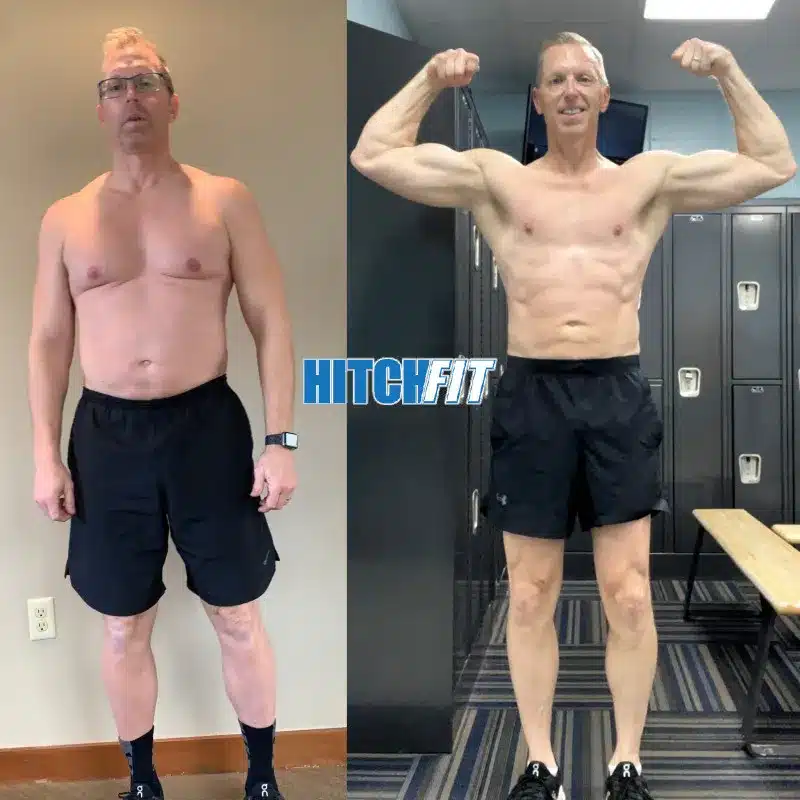
Welcome to the world of muscle gain after 40! As you continue on your fitness journey, you may have noticed that building muscle becomes a bit more challenging as you age. But don’t worry, with the right approach and dedication, you can still achieve significant gains in strength and muscle mass even after hitting the big 4-0. In this article, we will explore some tips and strategies specifically tailored to help you optimize muscle growth and reach your fitness goals. Let’s get started on the path to a stronger, healthier you! Hey there! Have you ever wondered if it’s possible to gain muscle after 40? Well, the good news is that it is definitely possible. In fact, with the right approach, you can build muscle and improve your overall strength and health well into your 40s and beyond. Let’s dive into the world of muscle gain after 40 and explore some strategies to help you achieve your fitness goals.
Why Muscle Gain is Important After 40
As you age, you naturally start to lose muscle mass. This can lead to a decrease in strength, mobility, and overall function. Building and maintaining muscle becomes even more crucial as you get older, as it can help prevent frailty, improve balance, and enhance your quality of life. Don’t worry, though – it’s never too late to start working on increasing your muscle mass.
How Muscle Gain Benefits Overall Health
Increasing muscle mass has numerous benefits for your overall health, especially as you age. Building muscle can help boost your metabolism, increase bone density, improve insulin sensitivity, and reduce the risk of chronic diseases such as diabetes and heart disease. Additionally, having a healthy amount of muscle can also improve your mental health, as exercise releases feel-good hormones like endorphins. So, not only will you look better with more muscle, but you’ll also feel better and live a healthier, more active life.
Factors to Consider When Gaining Muscle After 40
When you’re over 40, there are some unique factors to consider when it comes to building muscle. It’s important to be mindful of your body’s needs and limitations as you embark on your muscle-building journey.
Hormonal Changes
As you age, your hormone levels naturally decline, which can affect your ability to build and maintain muscle mass. Testosterone, in particular, plays a key role in muscle growth, and its levels decrease as you get older. However, you can still build muscle effectively through strength training and proper nutrition, even with lower testosterone levels.
Recovery Time
Recovery becomes even more critical as you age, as your body may take longer to repair and build muscle after a workout. Make sure to prioritize recovery by getting enough sleep, staying hydrated, and incorporating rest days into your routine. Listen to your body and give it the rest it needs to recover and grow stronger.
Joint Health
As you age, your joints may become more susceptible to wear and tear. It’s crucial to take care of your joints when engaging in strength training to prevent injuries and ensure longevity in your fitness journey. Focus on proper form, warm-up before workouts, and incorporate mobility exercises to keep your joints healthy and functional.
Nutrition Tips for Building Muscle After 40
Proper nutrition is essential for building muscle at any age, but it becomes even more critical as you get older. Here are some nutrition tips to support your muscle-building goals after 40.
Protein Intake
Protein is the building block of muscle, so it’s crucial to consume an adequate amount of protein to support muscle growth and repair. Aim to include a source of protein in every meal and snack to meet your body’s needs. Good sources of protein include lean meats, poultry, fish, eggs, dairy products, legumes, and plant-based sources like tofu and tempeh.
Healthy Fats
Don’t skimp on fats when trying to build muscle. Healthy fats are essential for hormone production, brain function, and overall health. Include sources of healthy fats in your diet, such as avocados, nuts, seeds, olive oil, and fatty fish like salmon.
Carbohydrates
Carbohydrates provide your body with energy for workouts and help replenish glycogen stores after exercise. Choose complex carbohydrates like whole grains, fruits, vegetables, and legumes to fuel your workouts and support muscle recovery.
Hydration
Staying hydrated is vital for muscle function, recovery, and overall health. Make sure to drink plenty of water throughout the day, especially before, during, and after exercise. Dehydration can negatively impact your performance and recovery, so aim to drink at least 8-10 glasses of water daily.
The Importance of Strength Training for Muscle Gain After 40
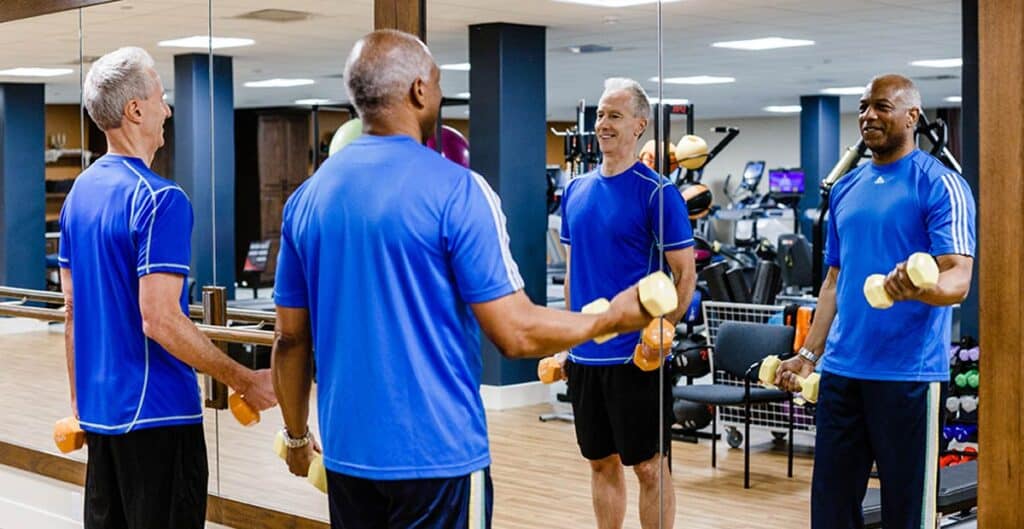
Strength training is a key component of building muscle at any age, but it becomes even more crucial after 40. Resistance training helps stimulate muscle growth, increase strength, and improve bone density, all of which are essential for healthy aging.
Types of Strength Training
There are various types of strength training exercises you can incorporate into your routine to build muscle. These include:
- Bodyweight Exercises: Exercises like push-ups, squats, and lunges use your body weight as resistance and are great for building strength and muscle.
- Weight Training: Using free weights, resistance bands, or machines can help you progressively overload your muscles and stimulate growth.
- Functional Training: Training movements that mimic everyday activities can improve your strength and mobility for real-life tasks.
Set and Rep Range
When it comes to strength training, the number of sets and reps you perform can impact muscle growth. Aim to do 3-4 sets of 8-12 reps for each exercise to promote muscle hypertrophy (growth). Adjust the weight you use to reach muscle fatigue within the desired rep range.
Progressive Overload
Progressive overload is a fundamental principle of strength training that involves gradually increasing the demand on your muscles over time. This can be done by increasing the weight you lift, the number of reps you perform, or the frequency of your workouts. Keep challenging your muscles to continue seeing progress and building muscle.
Form and Technique
Proper form and technique are essential for preventing injuries and maximizing the effectiveness of your strength training workouts. Focus on maintaining good posture, engaging the correct muscles, and using a full range of motion during each exercise. If you’re unsure about proper form, consider working with a qualified personal trainer to help you.
Creating a Muscle-Building Workout Plan for Beginners Over 40
If you’re new to strength training or getting back into it after a long break, it’s essential to start slowly and gradually build up your strength and endurance. Here’s a sample muscle-building workout plan for beginners over 40 to get you started.
Monday: Full-Body Workout
- Squats: 3 sets of 10 reps
- Push-Ups: 3 sets of 10 reps
- Rows: 3 sets of 10 reps
- Plank: 3 sets of 30 seconds
Wednesday: Lower Body Workout
- Deadlifts: 3 sets of 8 reps
- Lunges: 3 sets of 12 reps (each leg)
- Calf Raises: 3 sets of 15 reps
- Plank: 3 sets of 30 seconds
Friday: Upper Body Workout
- Bench Press: 3 sets of 10 reps
- Pull-Ups or Lat Pulldowns: 3 sets of 8 reps
- Shoulder Press: 3 sets of 12 reps
- Plank: 3 sets of 30 seconds
Saturday or Sunday: Rest Day or Active Recovery
Take a day off to rest and recover or engage in light activities like walking, yoga, or stretching to help your muscles recover and prevent injury. Listen to your body and adjust your workout schedule as needed based on your fitness level and recovery.
Monitoring Progress and Adjusting Your Workout Plan
It’s essential to monitor your progress and make adjustments to your workout plan as needed to continue seeing results. Keep track of your workouts, weights lifted, and how your body feels after each session. Here are some tips for monitoring progress and making changes to your workout plan:
Track Your Workouts
Keep a workout journal or use a fitness app to record your exercises, sets, reps, weight lifted, and any notes about your workout. This can help you see your progress over time and make informed decisions about your training.
Listen to Your Body
Pay attention to how your body responds to your workouts and adjust your training intensity, volume, or frequency accordingly. If you’re feeling fatigued, sore, or experiencing pain, it may be a sign to dial back your training or take an extra rest day.
Set Realistic Goals
Set specific, measurable, and attainable goals for your muscle-building journey. Whether it’s increasing your strength, building muscle mass, or improving your overall fitness, having clear goals can help keep you motivated and focused.

Consult with a Fitness Professional
If you’re unsure about how to progress your workouts or need guidance on proper form, consider working with a certified personal trainer or fitness coach. They can help assess your current fitness level, create a customized workout plan, and provide support and motivation throughout your fitness journey.Muscle Gain After 40
Building muscle after 40 is not only possible but highly beneficial for your health and well-being. With the right approach to nutrition, strength training, and recovery, you can achieve your muscle-building goals and feel strong, energized, and confident at any age. Remember to be patient, consistent, and listen to your body as you embark on your muscle-building journey. You’ve got this!
Related Topics About Muscle Gain After 40
Build Muscle At 40 Woman,
Build Muscle Over 40 Workout,
Building Muscle After 40 Reddit,
Building Muscle After 40 While Burning Fat,
Building Muscle After 40 Woman,
Building Muscle After 40 Women,
Building Muscle After 40 Workout,
Building Muscle At 40 Women,
Building Muscle Over 40 Women,
Can I Gain Muscle After 40,
Can You Build Muscle After 40,
Gaining Muscle At Age 40,
Hard To Gain Muscle After 40,
How Much Muscle Can You Gain After 40,
How To Build Muscle After 40,
How To Gain Muscle After 40,
How To Gain Muscle After 40 Female,
Is It Hard To Build Muscle After 40,
Is It Harder To Build Muscle After 40,
Is It Harder To Gain Muscle After 40,
Muscle Building At 40 Years Old,
Muscle Building At Age 40,
Muscle Gain After 40