
When you embark on your fitness journey, the world of muscle building supplements can seem overwhelming. These products are designed to enhance your performance, support muscle growth, and aid in recovery. They come in various forms, including powders, capsules, and bars, each promising to help you achieve your fitness goals more efficiently.
As you navigate this landscape, it’s essential to understand what these supplements are and how they can fit into your overall regimen. Muscle building supplements are often marketed as tools to help you gain strength and size. They typically contain ingredients that are scientifically backed to support muscle growth, such as protein, creatine, and branched-chain amino acids (BCAAs).
However, it’s crucial to remember that these supplements are not magic solutions. They should complement a well-rounded diet and a consistent exercise program rather than replace them. By understanding the role of these supplements, you can make informed decisions that align with your fitness objectives.
Key Takeaways
- Muscle building supplements can aid in enhancing muscle growth and recovery when used in conjunction with a proper diet and exercise routine.
- The science behind muscle building supplements involves the use of ingredients such as protein, creatine, and amino acids to support muscle growth and repair.
- Common myths and misconceptions about muscle building supplements include the belief that they are a quick fix for gaining muscle without the need for proper diet and exercise.
- Types of muscle building supplements include protein powders, creatine, branched-chain amino acids (BCAAs), and testosterone boosters, each with their own specific benefits.
- Choosing the right muscle building supplement involves considering individual goals, dietary restrictions, and potential allergies or sensitivities to certain ingredients. It is important to consult with a healthcare professional before starting any new supplement regimen.
The Science Behind Muscle Building Supplements
The Role of Protein Powders
Supplements like protein powders provide the necessary amino acids that serve as building blocks for this repair process. By consuming these supplements post-workout, you can optimize recovery and promote muscle growth.
The Power of Creatine
Creatine is another popular supplement that has garnered attention for its ability to enhance performance. It works by replenishing adenosine triphosphate (ATP) levels in your muscles, which is the primary energy source during high-intensity activities. By increasing your ATP availability, creatine allows you to push harder during workouts, leading to greater gains over time.
Maximizing Results with Science-Backed Supplements
Understanding the science behind these supplements can empower you to use them effectively and maximize your results. By leveraging the power of protein powders and creatine, you can take your muscle-building journey to the next level.
Common Myths and Misconceptions
As you delve deeper into the world of muscle building supplements, you may encounter various myths and misconceptions that can cloud your judgment. One prevalent myth is that taking supplements alone will lead to significant muscle gains without any effort on your part. This misconception can be misleading; while supplements can enhance your results, they are not a substitute for hard work and dedication in the gym.
You must still engage in a structured workout routine and maintain a balanced diet to see real progress. Another common misconception is that all supplements are created equal. The market is flooded with products that claim to be the best for muscle building, but not all of them are backed by research or quality ingredients.
Some may contain fillers or ineffective dosages that do little to support your goals. It’s essential to do your research and choose reputable brands that prioritize transparency and quality in their formulations.
Types of Muscle Building Supplements
When exploring muscle building supplements, you’ll find a diverse array of options tailored to different needs and preferences. Protein powders are among the most popular choices, available in various forms such as whey, casein, soy, and plant-based blends. Each type has its unique benefits; for instance, whey protein is quickly absorbed and ideal for post-workout recovery, while casein digests slowly, making it suitable for nighttime use.
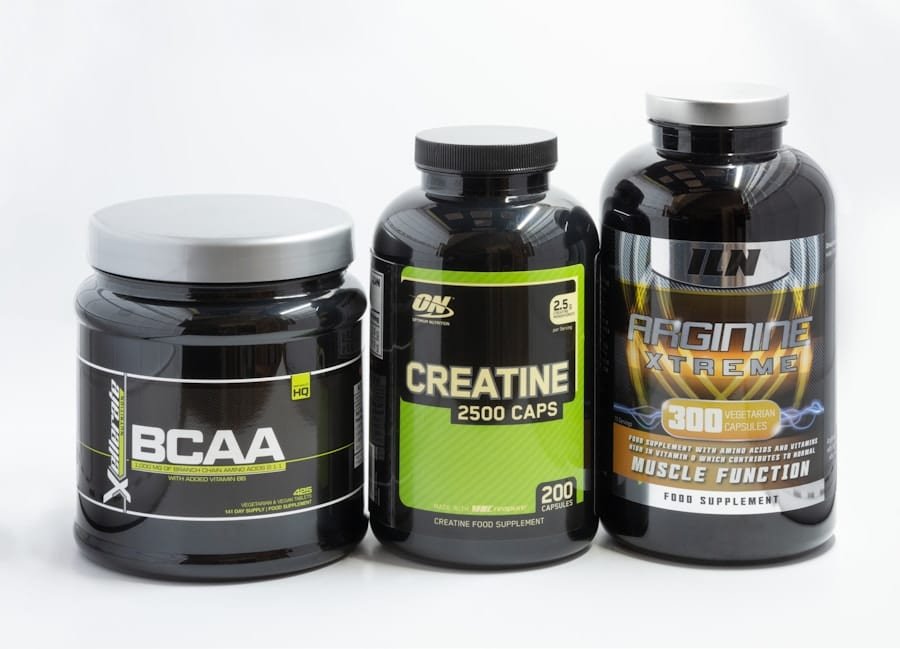
In addition to protein powders, creatine stands out as a staple supplement for those looking to enhance their strength and power output. Creatine monohydrate is the most researched form and is known for its effectiveness in improving performance during high-intensity workouts. Other supplements like BCAAs can help reduce muscle soreness and fatigue during training sessions, making them a valuable addition to your regimen.
By understanding the various types of supplements available, you can tailor your approach to meet your specific fitness goals.
Choosing the Right Muscle Building Supplement
Selecting the right muscle building supplement requires careful consideration of your individual needs and goals. Start by assessing your current diet and identifying any gaps that supplements could fill. For example, if you struggle to meet your daily protein requirements through food alone, incorporating a protein powder may be beneficial.
On the other hand, if you’re looking to boost your performance during intense workouts, creatine might be the right choice for you. It’s also essential to consider factors such as dietary restrictions and personal preferences when choosing a supplement. If you’re lactose intolerant or following a vegan diet, opt for plant-based protein sources or lactose-free options.
Additionally, pay attention to ingredient labels and avoid products with excessive additives or artificial sweeteners. By taking the time to choose the right supplement for your unique situation, you can enhance your muscle-building efforts effectively.
Potential Risks and Side Effects

Digestive Issues and Tolerance
Some individuals may experience digestive issues when consuming certain protein powders or creatine, leading to discomfort or bloating. To avoid this, it’s essential to start with smaller doses and gradually increase them to assess your tolerance before committing to a full serving.
Interactions with Medications and Health Conditions
Moreover, some supplements may interact with medications or exacerbate pre-existing health conditions. For instance, excessive protein intake can strain the kidneys in individuals with pre-existing kidney issues. Therefore, it’s vital to approach supplementation with caution and be mindful of how your body responds.
Making Safer Choices
By staying informed about potential risks, you can make safer choices that align with your health goals. This will enable you to achieve your fitness objectives while minimizing the risk of adverse effects.
The Role of Diet and Exercise
While muscle building supplements can provide valuable support in your fitness journey, they should never replace a solid foundation of diet and exercise. A well-balanced diet rich in whole foods is essential for providing the nutrients your body needs for optimal performance and recovery. Focus on incorporating lean proteins, healthy fats, whole grains, fruits, and vegetables into your meals to fuel your workouts effectively.
Exercise plays an equally critical role in muscle building. Engaging in resistance training consistently will stimulate muscle growth and strength gains over time. Aim for a well-structured workout program that includes compound movements like squats, deadlifts, and bench presses to target multiple muscle groups simultaneously.
By prioritizing both diet and exercise alongside supplementation, you can create a comprehensive approach that maximizes your results.
Consultation with a Healthcare Professional
Before diving into the world of muscle building supplements, it’s wise to consult with a healthcare professional or registered dietitian. They can help assess your individual needs and provide personalized recommendations based on your health status and fitness goals. This step is especially important if you have any underlying health conditions or are taking medications that could interact with certain supplements.
A healthcare professional can also guide you on proper dosages and timing for supplementation to ensure you’re using them effectively without risking adverse effects. By seeking expert advice, you can navigate the complexities of muscle building supplements with confidence and make informed choices that support your overall health and fitness journey. In conclusion, understanding muscle building supplements involves recognizing their role within a broader context of diet and exercise.
By educating yourself about the science behind these products, debunking common myths, exploring different types of supplements, and consulting with professionals when necessary, you can make informed decisions that align with your fitness aspirations. Remember that while supplements can enhance your results, they should complement a dedicated approach to training and nutrition for optimal success in achieving your muscle-building goals.
If you are interested in learning more about setting realistic muscle-building goals, check out this informative article here. It provides valuable insights on how to establish achievable objectives for your fitness journey. By understanding the importance of realistic goals, you can stay motivated and focused on your muscle-building progress.
FAQs
What are muscle builder supplements?
Muscle builder supplements are products designed to support muscle growth, strength, and recovery. They often contain ingredients such as protein, creatine, and amino acids.
Do muscle builder supplements work?
Yes, some muscle builder supplements have been shown to be effective in supporting muscle growth and strength when combined with a proper diet and exercise regimen. However, results can vary from person to person.
Are muscle builder supplements safe?
When used as directed, many muscle builder supplements are considered safe for healthy individuals. However, it’s important to consult with a healthcare professional before starting any new supplement regimen, especially if you have any underlying health conditions.
What are some common ingredients in muscle builder supplements?
Common ingredients in muscle builder supplements include protein (whey, casein, soy), creatine, branched-chain amino acids (BCAAs), and beta-alanine.
Can muscle builder supplements replace a healthy diet and exercise?
No, muscle builder supplements are meant to complement a healthy diet and exercise routine, not replace them. It’s important to focus on consuming a balanced diet and engaging in regular physical activity for overall health and fitness.
Do muscle builder supplements have any side effects?
Some muscle builder supplements may cause side effects such as digestive issues, allergic reactions, or interactions with medications. It’s important to carefully read and follow the instructions on the supplement label and consult with a healthcare professional if you have any concerns.