
The mind-body connection is a profound concept that emphasizes the intricate relationship between your mental state and physical health. When you engage in physical activity, your mind plays a crucial role in how you perceive and respond to that activity. For instance, when you approach a workout with a positive mindset, you are more likely to push through challenges and achieve your fitness goals.
Conversely, if you are burdened by stress or negative thoughts, your performance may suffer, and you might find it difficult to stay motivated. Recognizing this connection can empower you to harness the power of your mind to enhance your physical capabilities. Moreover, understanding the mind-body connection allows you to cultivate a more holistic approach to fitness.
It encourages you to listen to your body and be aware of how your emotions influence your physical state. For example, when you feel anxious or overwhelmed, your body may respond with tension or fatigue. By practicing mindfulness and being attuned to these signals, you can make informed decisions about your workouts and recovery.
This awareness not only enhances your performance but also fosters a deeper appreciation for the journey of fitness itself.
Key Takeaways
- The mind-body connection is crucial for overall fitness and wellness, as mental and emotional states can impact physical health and performance.
- Incorporating mindfulness into your fitness routine can improve focus, reduce stress, and enhance the mind-body connection during workouts.
- Balancing intensity and rest is essential for optimal muscle building, as overtraining can lead to burnout and injury.
- Nutrition plays a key role in mindful muscle building, as fueling the body with the right nutrients can support muscle growth and recovery.
- Managing stress and mental wellbeing is important for overall fitness, as chronic stress can hinder muscle building and overall health.
Incorporating Mindfulness into Your Fitness Routine
Incorporating mindfulness into your fitness routine can transform the way you experience exercise. Mindfulness involves being fully present in the moment, which can enhance your focus and enjoyment during workouts. You can start by setting aside distractions—such as your phone or loud music—and instead concentrate on your breath and movements.
As you engage in activities like running, yoga, or weightlifting, pay attention to how your body feels with each motion. This practice not only improves your physical performance but also helps you develop a greater sense of self-awareness. Additionally, mindfulness can help you cultivate a positive relationship with exercise.
Instead of viewing workouts as a chore or obligation, you can learn to appreciate them as an opportunity for self-care and growth. By focusing on the sensations in your body and the rhythm of your breath, you can shift your mindset from one of struggle to one of empowerment. This shift can lead to increased motivation and consistency in your fitness routine, ultimately contributing to better results over time.
Balancing Intensity and Rest for Optimal Muscle Building
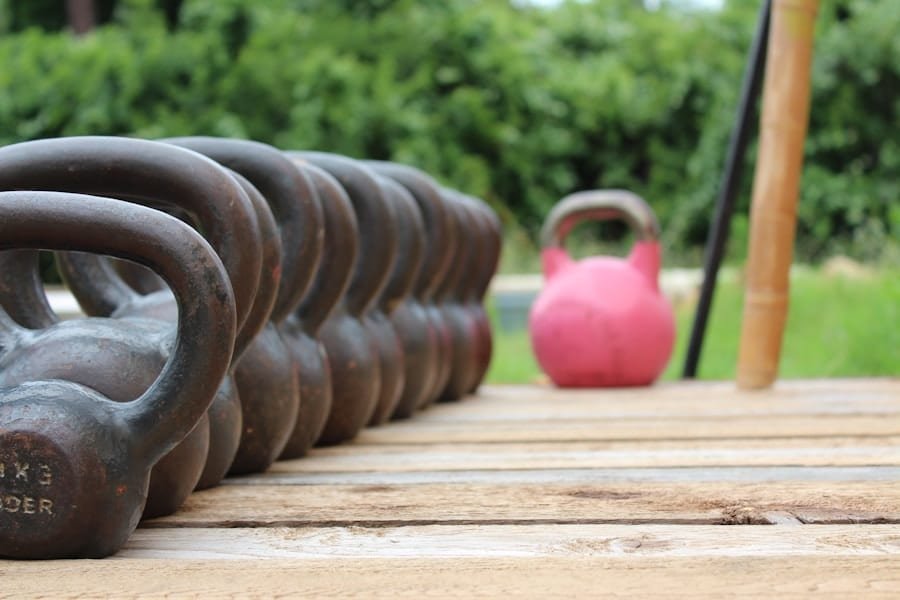
Achieving optimal muscle building requires a delicate balance between intensity and rest. While pushing yourself during workouts is essential for stimulating muscle growth, adequate recovery is equally important for allowing those muscles to repair and strengthen. You may find that incorporating high-intensity training sessions into your routine can lead to impressive gains; however, neglecting rest days can hinder your progress and increase the risk of injury.
Understanding this balance is key to maximizing your results. To effectively manage this balance, consider implementing a structured workout plan that includes both intense training sessions and designated rest days. During intense workouts, focus on challenging yourself with heavier weights or higher repetitions while maintaining proper form.
On rest days, prioritize activities that promote recovery, such as gentle stretching, foam rolling, or low-impact exercises like walking or swimming. By giving your body the time it needs to recover, you will not only enhance muscle growth but also improve overall performance in subsequent workouts.
The Role of Nutrition in Mindful Muscle Building
Nutrition plays a pivotal role in mindful muscle building, as it provides the essential nutrients your body needs to recover and grow stronger. To support your fitness goals, it’s important to adopt a balanced diet that includes an adequate amount of protein, carbohydrates, and healthy fats. Protein is particularly crucial for muscle repair and growth; therefore, incorporating sources such as lean meats, legumes, dairy products, and plant-based proteins into your meals can significantly impact your progress.
Moreover, being mindful about what you eat involves paying attention to how different foods make you feel during workouts. You may notice that certain meals provide you with sustained energy while others leave you feeling sluggish. By tuning into these sensations, you can make informed choices about your pre- and post-workout nutrition.
Additionally, staying hydrated is vital for optimal performance; ensure that you drink enough water throughout the day to support muscle function and recovery.
Managing Stress and Mental Wellbeing for Overall Fitness
Managing stress is an essential component of achieving overall fitness and well-being. High levels of stress can negatively impact both your mental state and physical performance, making it crucial to develop effective coping strategies. Engaging in regular physical activity is one way to alleviate stress; exercise releases endorphins that promote feelings of happiness and relaxation.
However, it’s also important to incorporate other stress management techniques into your routine. Practices such as meditation, deep breathing exercises, or journaling can help you process emotions and reduce anxiety. By dedicating time each day to these activities, you create a supportive environment for both your mind and body.
Additionally, fostering social connections with friends or family can provide emotional support during challenging times. Remember that prioritizing mental well-being is just as important as physical fitness; when both aspects are in harmony, you are more likely to achieve lasting results.
Mindful Recovery Practices for Muscle Building
Restorative Activities for Enhanced Recovery
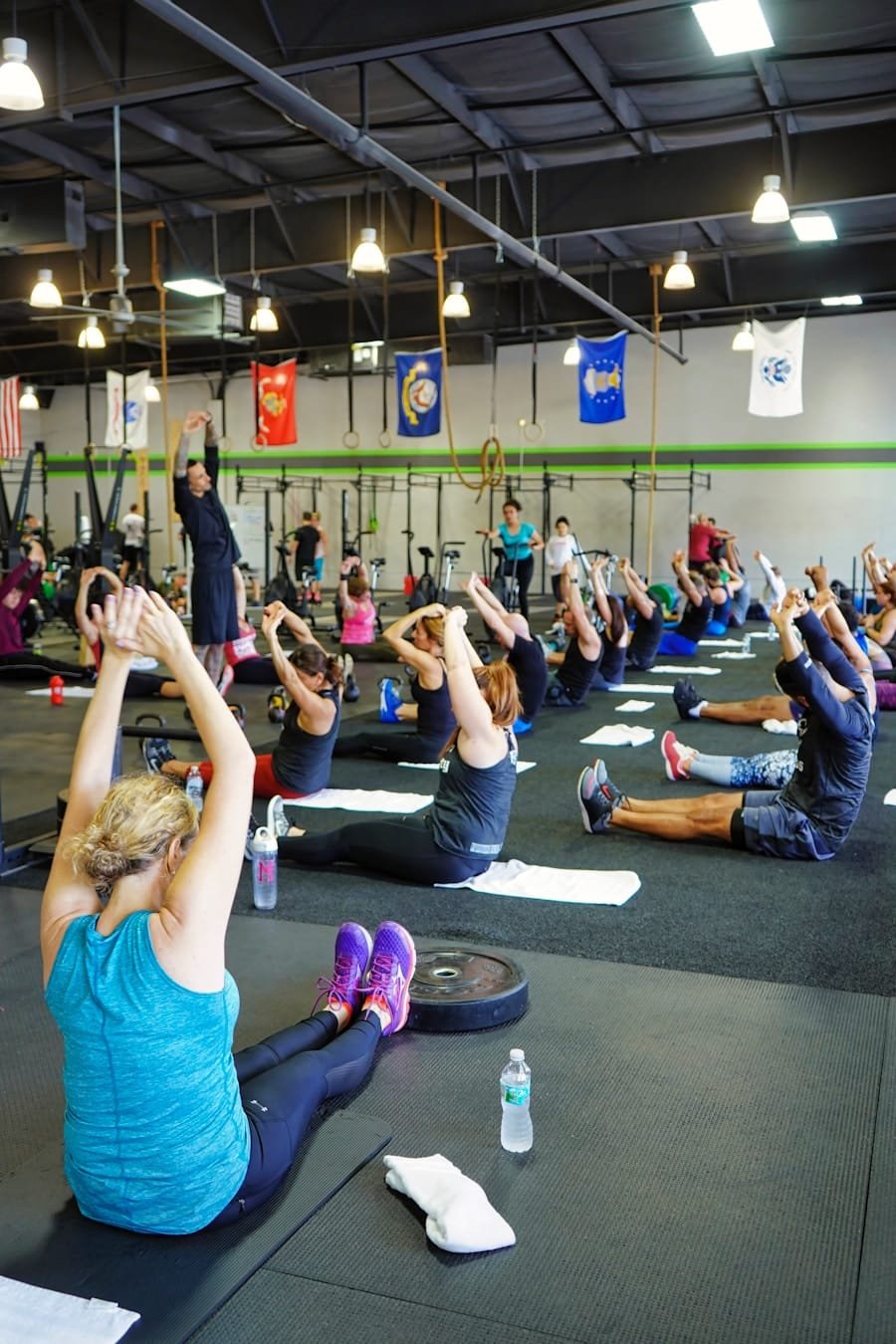
Incorporating restorative activities such as yoga or gentle stretching into your routine can be an effective method for recovery. These practices not only promote flexibility but also encourage relaxation and mindfulness, allowing you to connect with your body on a deeper level.
Prioritizing Sleep for Optimal Recovery
Another essential recovery practice is prioritizing sleep. Quality sleep is vital for muscle repair and overall health; aim for 7-9 hours of restful sleep each night to support your fitness goals.
Additional Techniques for Muscle Recovery
You may also consider incorporating techniques such as foam rolling or massage therapy to alleviate muscle soreness and tension. By being intentional about your recovery practices, you create an environment conducive to muscle growth while also nurturing your overall well-being.
Setting Realistic Goals and Expectations for Mindful Muscle Building
Setting realistic goals is fundamental to achieving success in mindful muscle building. When establishing your fitness objectives, consider what is attainable within a specific timeframe while also aligning with your personal values and lifestyle. Instead of aiming for drastic changes in a short period, focus on incremental progress that allows for sustainable growth.
This approach not only reduces the risk of burnout but also fosters a sense of accomplishment as you celebrate small victories along the way. Additionally, it’s important to remain flexible with your goals as circumstances change. Life can be unpredictable; therefore, adapting your expectations based on how you feel physically and mentally is crucial for maintaining motivation.
Embrace the journey of fitness as a lifelong process rather than a destination; this mindset will help you cultivate resilience and patience as you work towards mindful muscle building.
Cultivating a Mindful Approach to Long-Term Fitness and Wellness
Cultivating a mindful approach to long-term fitness and wellness involves integrating the principles of mindfulness into every aspect of your lifestyle. This means being present during workouts, making conscious food choices, managing stress effectively, and prioritizing recovery practices that support both physical and mental health. By adopting this holistic perspective, you create a sustainable foundation for achieving lasting results.
Moreover, embracing mindfulness encourages you to appreciate the journey rather than fixating solely on outcomes. Celebrate the progress you make along the way—whether it’s mastering a new exercise technique or feeling more energized throughout the day. By fostering gratitude for each step in your fitness journey, you cultivate a positive mindset that will serve you well in all areas of life.
Ultimately, a mindful approach empowers you to create a balanced lifestyle that promotes overall wellness for years to come.
In a related article on stress management and cortisol levels, readers can learn about the impact of stress on muscle building and overall wellness. The article discusses how high levels of cortisol, the stress hormone, can hinder muscle growth and recovery. By incorporating mindfulness techniques and stress-reducing activities into their routine, individuals can optimize their muscle-building efforts and improve their overall health. To read more about this topic, check out this article.
FAQs
What is mindful muscle building?
Mindful muscle building is the practice of incorporating mindfulness techniques into a fitness routine to promote overall wellness and balance. It involves being present and aware of the body’s movements, sensations, and breath during exercise.
How does mindful muscle building differ from traditional muscle building?
Traditional muscle building often focuses solely on physical gains and performance, while mindful muscle building emphasizes the connection between the mind and body. It prioritizes holistic wellness and incorporates mindfulness practices such as meditation, deep breathing, and body awareness.
What are the benefits of mindful muscle building?
The benefits of mindful muscle building include improved mental focus, reduced stress and anxiety, enhanced mind-body connection, better posture and alignment, and overall increased sense of well-being. It can also help prevent injuries and promote a more sustainable and balanced approach to fitness.
How can mindfulness be incorporated into muscle building workouts?
Mindfulness can be incorporated into muscle building workouts by focusing on breath awareness, practicing meditation or visualization during rest periods, paying attention to body sensations and alignment, and being fully present during each movement and exercise.
What are some mindfulness techniques that can be used for muscle building?
Mindfulness techniques that can be used for muscle building include deep breathing exercises, body scan meditations, mindful movement practices such as yoga or tai chi, and visualization techniques to enhance mind-body connection during workouts.
Is mindful muscle building suitable for all fitness levels?
Yes, mindful muscle building can be adapted to suit all fitness levels. It can be beneficial for beginners to learn proper form and body awareness, as well as for experienced individuals to deepen their mind-body connection and prevent burnout or overtraining.