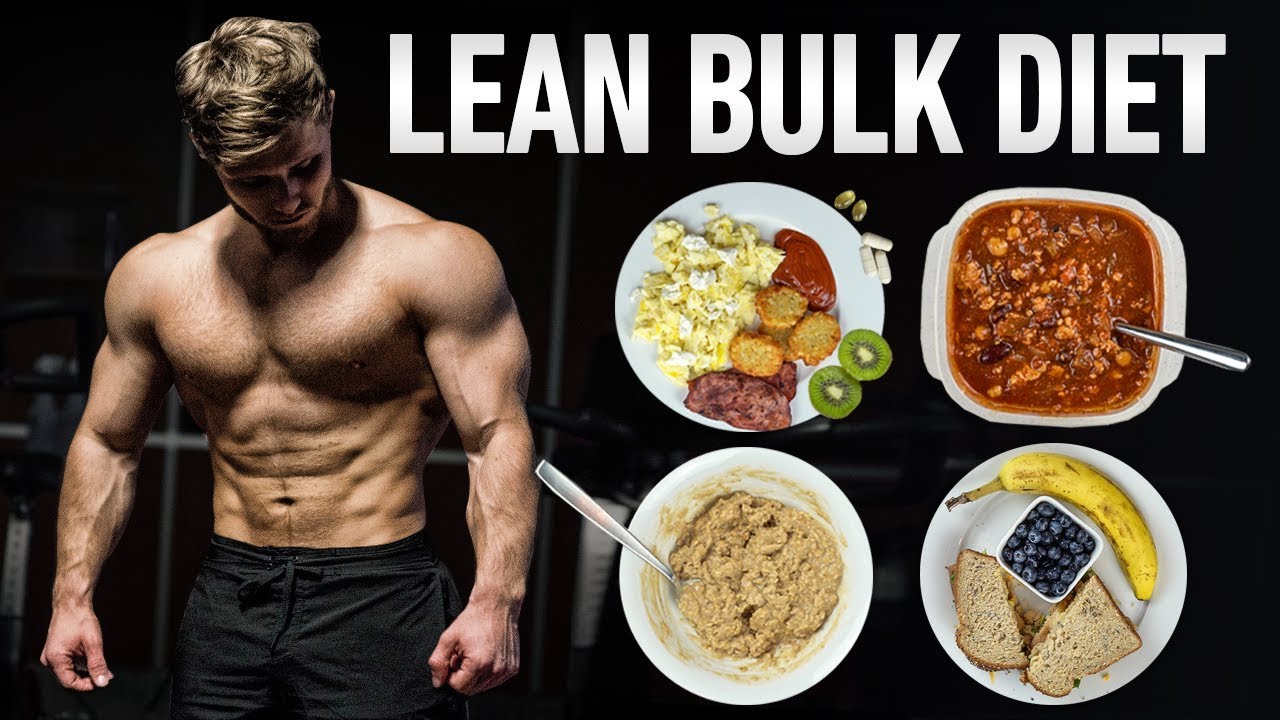
Welcome to the world of the Lean Muscle Gain Diet! If you’re looking to build strong, defined muscles while maintaining a healthy weight, then this article is for you. We will explore the principles of a lean muscle gain diet, including the importance of protein, complex carbohydrates, and healthy fats. By following this balanced approach to nutrition, you can fuel your body for optimal muscle growth and overall health. Let’s dive in and discover how you can achieve your fitness goals with a lean muscle gain diet. Have you ever wondered how to build lean muscle effectively through your diet? Let’s explore a Lean Muscle Gain Diet together to help you achieve your fitness goals.
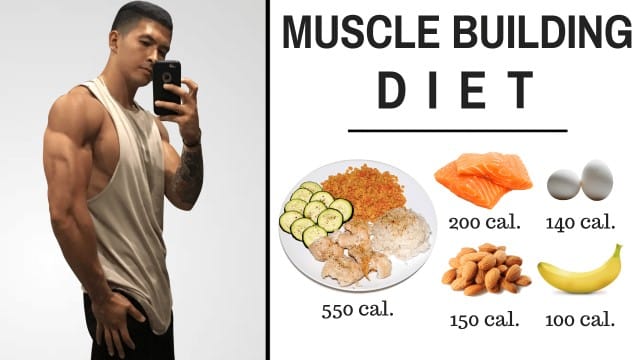
What is a Lean Muscle Gain Diet?
When it comes to building lean muscle mass, your diet plays a crucial role. A Lean Muscle Gain Diet focuses on fueling your body with the right nutrients to support muscle growth and repair.
Macronutrients for Lean Muscle Gain
To effectively build lean muscle, you need to pay attention to your macronutrient intake. Protein, carbohydrates, and fats are essential macro nutrients that play a key role in muscle growth. An optimal ratio of these macronutrients can help you achieve your muscle gain goals.
Protein: The Building Block of Muscle
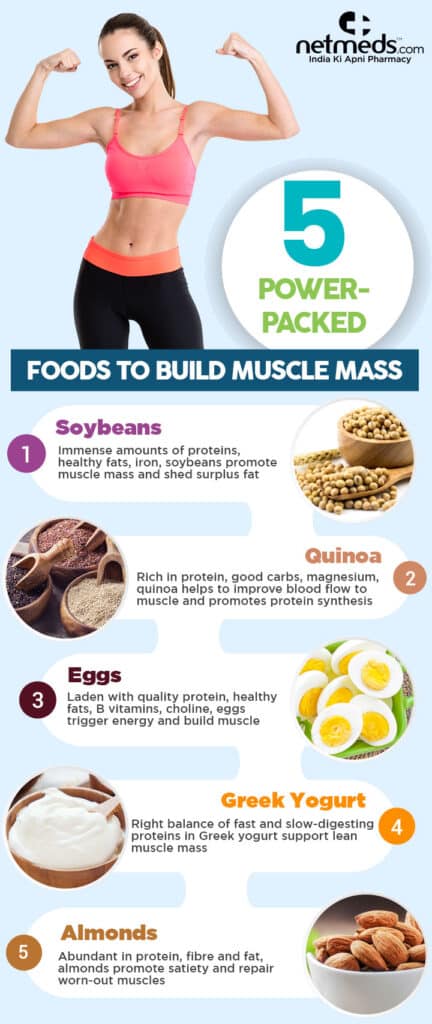
Protein is the most important macronutrient for building lean muscle. It provides the essential amino acids that your body needs to repair and grow muscle tissue. Including high-quality sources of protein in your diet, such as chicken, fish, eggs, and legumes, is crucial for muscle growth.
Carbohydrates: Fuel for Your Workouts
Carbohydrates are an important source of energy for your workouts. Choosing complex carbohydrates, such as whole grains, fruits, and vegetables, can provide a steady source of energy for your muscles. Including carbohydrates in your diet can help fuel your workouts, allowing you to train harder and build muscle more effectively.
Fats: An Essential Nutrient
While often overlooked, healthy fats are essential for overall health and muscle growth. Including sources of healthy fats, such as avocados, nuts, seeds, and olive oil, in your diet can help support muscle growth and recovery. Don’t skimp on fats in your diet, as they play a crucial role in hormone regulation and overall health.
Meal Planning for Lean Muscle Gain
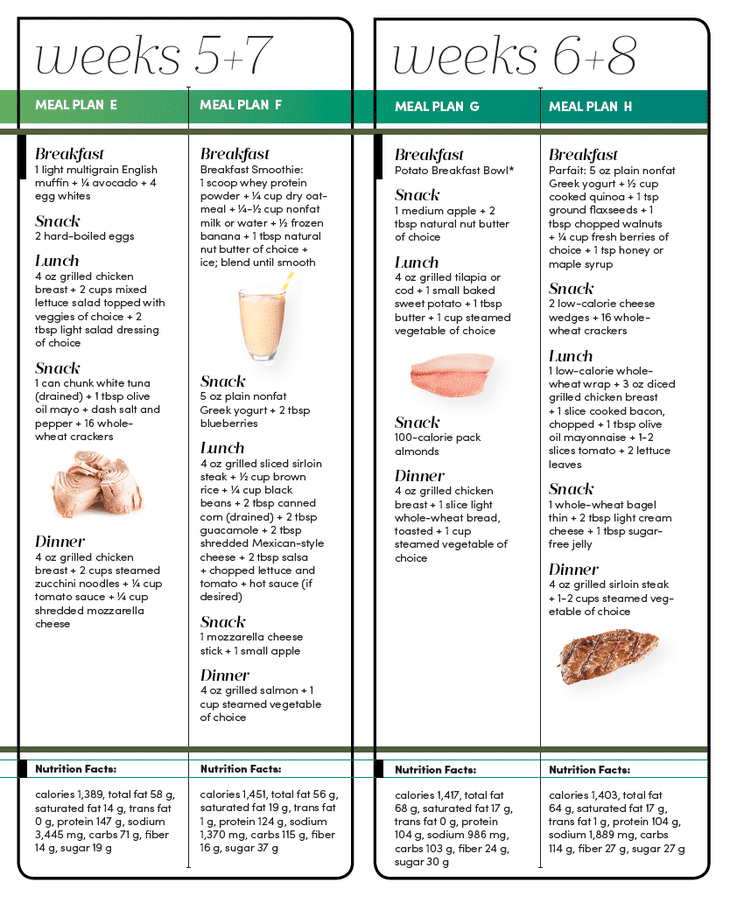
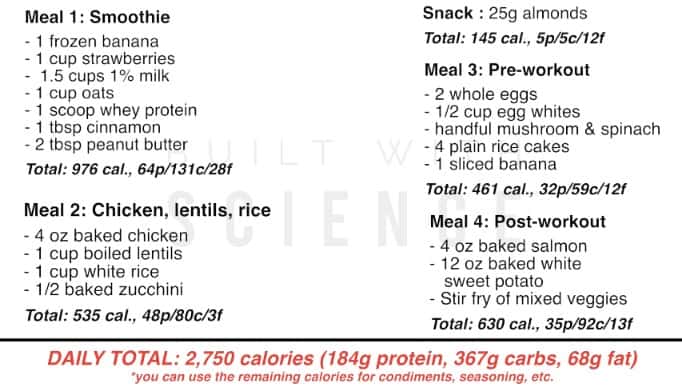
Meal planning is key to success when it comes to building lean muscle. A well-structured meal plan ensures that you are getting the right nutrients at the right times to support muscle growth and recovery.
Pre-Workout Nutrition
Fueling your body before a workout is crucial for optimal performance and muscle growth. Including a combination of protein and carbohydrates in your pre-workout meal can help fuel your workouts and support muscle growth. Consider options such as a protein shake with banana, Greek yogurt with berries, or a turkey sandwich on whole grain bread for pre-workout fuel.
Post-Workout Recovery
After a workout, your body needs nutrients to repair and grow muscle tissue. Including protein and carbohydrates in your post-workout meal can help kickstart the recovery process and support muscle growth. Options such as a chicken and sweet potato bowl, a protein smoothie with fruit, or grilled salmon with quinoa are great choices for post-workout recovery.
Snacking for Muscle Gain
Including snacks throughout the day can help keep your energy levels up and support muscle growth. Opt for high-protein snacks, such as Greek yogurt, cottage cheese, or protein bars, to support muscle growth and recovery. Choose healthy, nutrient-dense snacks to keep you satisfied and on track with your muscle gain goals.
Hydration for Muscle Growth
Hydration is often overlooked when it comes to building lean muscle. Staying hydrated is crucial for muscle function, recovery, and overall performance. Make sure to drink plenty of water throughout the day to support muscle growth and recovery.
Hydration Guidelines
Aim to drink at least 8-10 glasses of water per day to stay hydrated. If you are engaging in intense workouts, you may need to increase your water intake to support muscle recovery and performance. Listen to your body and drink water consistently throughout the day to stay hydrated and support muscle growth.
Electrolyte Balance
Electrolytes are essential minerals that play a key role in muscle function and hydration. Include sources of electrolytes, such as sodium, potassium, and magnesium, in your diet to support muscle performance and recovery. Options such as coconut water, bananas, and leafy greens are great sources of electrolytes to support muscle growth.
Supplements for Lean Muscle Gain
While a well-rounded diet should be your main focus, supplements can play a role in supporting muscle growth and recovery. Choosing the right supplements can help fill any nutrient gaps in your diet and support your muscle gain goals.
Protein Powder
Protein powder can be a convenient way to increase your protein intake and support muscle growth. Choose a high-quality protein powder, such as whey, casein, or soy, to help meet your protein needs and support muscle recovery. Include protein powder in post-workout shakes, smoothies, or recipes to support muscle growth and recovery.
Creatine
Creatine is a popular supplement that can help increase muscle mass and strength. Taking creatine can help improve performance during workouts and support muscle growth over time. Consider adding a creatine supplement to your routine to support your muscle gain goals and overall performance.
BCAAs
Branch-chain amino acids (BCAAs) are essential amino acids that play a key role in muscle growth and recovery. Taking BCAA supplements can help support muscle protein synthesis and reduce muscle breakdown. Consider adding BCAAs to your pre-workout or post-workout routine to support muscle growth and recovery.
Rest and Recovery for Muscle Growth
Rest and recovery are just as important as your diet and workouts when it comes to building lean muscle. Allowing your muscles to recover and repair is crucial for muscle growth and performance.
Importance of Sleep
Getting an adequate amount of sleep is crucial for muscle growth and recovery. During sleep, your body releases growth hormone and repairs muscle tissue, supporting muscle growth and recovery. Make sure to prioritize quality sleep to support your muscle gain goals and overall performance.
Active Recovery
Incorporating active recovery into your routine can help support muscle recovery and growth. Consider activities such as yoga, stretching, or light cardio to promote blood flow and reduce muscle soreness. Including active recovery days in your routine can help prevent injury and support overall muscle health.
Listen to Your Body
Listening to your body is crucial when it comes to building lean muscle. Pay attention to how your body responds to workouts, nutrition, and recovery strategies to determine what works best for you. Making adjustments based on how you feel can help optimize your muscle gain efforts and support long-term progress.
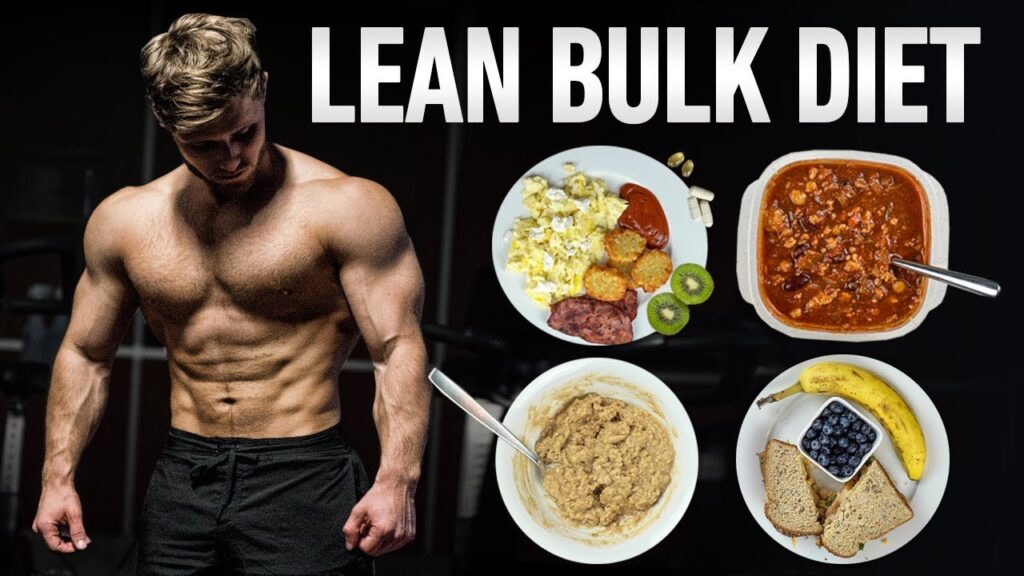
A Lean Muscle Gain Diet is essential for effectively building lean muscle mass. By focusing on the right macronutrients, meal planning, hydration, supplements, and rest and recovery, you can support muscle growth and achieve your fitness goals. Remember to prioritize balanced nutrition, rest, and recovery to build lean muscle effectively and sustainably.
Related Topics About Lean Muscle Gain Diet
How Much Should I Eat To Gain Lean Muscle,
How To Gain Lean Muscle Mass Diet,
Indian Diet For Lean Muscle Gain,
Lean Diet To Gain Muscle,
Lean Muscle Building Diet For Women,
Lean Muscle Gain Diet,
Lean Muscle Gain Diet Calculator,
Lean Muscle Gain Diet Chart,
Lean Muscle Gain Diet In Hindi,
Sample Diet For Lean Muscle Gain,
Weight Gain Lean Muscle Diet,
What The Best Diet To Gain Lean Muscle