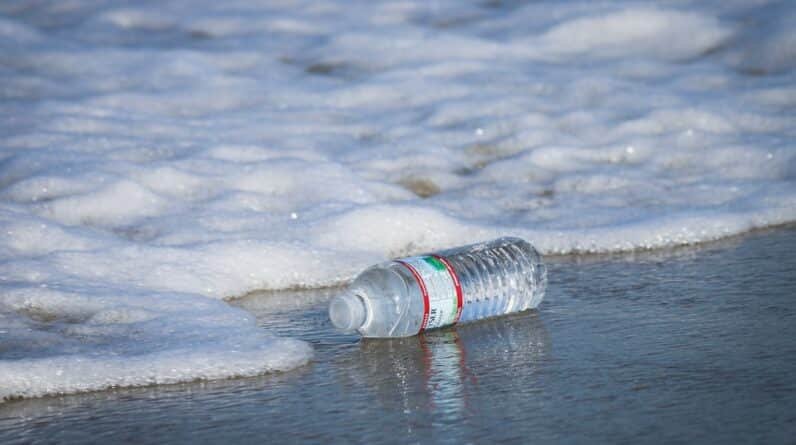
When you embark on a journey to build muscle, you might focus on your workout regimen and nutrition, but hydration is often overlooked. You may not realize that water plays a crucial role in muscle development. Your muscles are composed of approximately 75% water, and maintaining optimal hydration levels is essential for their function and growth.
When you are well-hydrated, your body can efficiently transport nutrients to your muscles, aiding in recovery and growth. This means that every rep you perform and every meal you consume can be more effective when you prioritize hydration. Moreover, hydration impacts your overall performance during workouts.
When you are adequately hydrated, you may experience improved strength, endurance, and energy levels. This can lead to more intense workouts, allowing you to push your limits and stimulate muscle growth more effectively. Conversely, if you neglect your hydration needs, you may find yourself fatigued and unable to perform at your best.
Therefore, understanding the importance of hydration is vital for anyone serious about building muscle.
Key Takeaways
- Proper hydration is crucial for muscle building as it supports muscle function and repair.
- Dehydration can hinder muscle growth by reducing protein synthesis and increasing muscle breakdown.
- Optimal hydration levels for muscle building are achieved by drinking water throughout the day and monitoring urine color.
- Best hydration practices for muscle recovery include consuming water-rich foods, electrolyte drinks, and adequate rest.
- Electrolytes play a key role in hydration for muscle building by maintaining fluid balance and muscle function.
How Dehydration Affects Muscle Growth
Dehydration can have a detrimental effect on your muscle-building efforts. When your body lacks sufficient water, it struggles to maintain optimal physiological functions. You may notice that your strength diminishes, and your endurance wanes, making it difficult to complete your workouts effectively.
This decline in performance can lead to fewer gains in muscle mass over time. Additionally, dehydration can hinder the recovery process after intense workouts, leaving you feeling sore and fatigued for longer periods. Furthermore, dehydration can disrupt the balance of hormones that are crucial for muscle growth.
For instance, testosterone and growth hormone levels can drop when you are not adequately hydrated. These hormones play a significant role in muscle repair and growth, so any imbalance can impede your progress. You might find that despite your best efforts in the gym and kitchen, your results are not as pronounced as you would like.
This is why staying hydrated is not just a matter of comfort; it is a fundamental aspect of achieving your muscle-building goals.
Optimal Hydration Levels for Muscle Building
Determining optimal hydration levels for muscle building can vary from person to person, depending on factors such as body weight, activity level, and climate. A general guideline is to aim for at least half of your body weight in ounces of water daily. For example, if you weigh 180 pounds, you should strive for around 90 ounces of water each day.
However, this is just a starting point; you may need to adjust based on your individual needs and circumstances. In addition to daily water intake, it’s essential to consider hydration during workouts. You should aim to drink water before, during, and after exercise to maintain optimal hydration levels.
A good rule of thumb is to drink about 17-20 ounces of water two to three hours before exercising and then continue to sip water throughout your workout. After exercising, replenishing lost fluids is crucial; aim for at least 16-24 ounces of water for every pound lost during exercise. By paying attention to these hydration guidelines, you can create an environment conducive to muscle growth.
Best Hydration Practices for Muscle Recovery
Effective hydration practices are vital for muscle recovery after intense workouts. When you finish exercising, your muscles need time to repair and grow stronger. Hydration plays a key role in this process by helping to transport nutrients to the muscles and flush out toxins that accumulate during exercise.
To optimize recovery, consider drinking a combination of water and electrolyte-rich beverages post-workout. This will not only replenish lost fluids but also restore essential minerals that support muscle function. In addition to drinking fluids, incorporating hydrating foods into your diet can further enhance recovery.
Foods such as watermelon, cucumbers, oranges, and strawberries have high water content and provide essential vitamins and minerals that aid in recovery. By combining proper hydration with nutrient-dense foods, you create a powerful synergy that supports muscle repair and growth. Remember that recovery is just as important as the workout itself; without proper hydration practices, you may hinder your progress.
The Role of Electrolytes in Hydration for Muscle Building
Electrolytes are minerals that carry an electric charge and play a crucial role in maintaining fluid balance in your body. They include sodium, potassium, calcium, magnesium, and chloride. When you sweat during workouts, you lose not only water but also these vital electrolytes.
If you fail to replenish them adequately, it can lead to imbalances that negatively affect muscle function and performance. This is why understanding the role of electrolytes in hydration is essential for anyone looking to build muscle. Incorporating electrolyte-rich beverages or supplements into your hydration routine can help maintain optimal levels during intense training sessions.
Sports drinks or electrolyte tablets can be beneficial during prolonged workouts or in hot conditions where sweating is excessive. However, be mindful of the sugar content in some sports drinks; opting for low-sugar or natural alternatives can provide the necessary electrolytes without unnecessary calories. By ensuring that you maintain proper electrolyte balance alongside hydration, you set yourself up for success in your muscle-building journey.
Hydration Tips for Pre- and Post-Workout
Hydration strategies should be tailored to both pre- and post-workout needs to maximize performance and recovery. Before hitting the gym or engaging in any physical activity, it’s essential to hydrate adequately. Aim to drink around 17-20 ounces of water two to three hours before exercising.
This will ensure that your body is well-hydrated and ready for the demands of your workout. Additionally, consider sipping on water or an electrolyte drink during your warm-up to maintain hydration levels. After completing your workout, focus on rehydrating effectively.
As mentioned earlier, aim for 16-24 ounces of water for every pound lost during exercise. To enhance recovery further, consider consuming a post-workout shake or meal that includes protein and carbohydrates along with fluids. This combination will not only replenish lost fluids but also provide the necessary nutrients for muscle repair and growth.
By implementing these hydration tips into your routine, you can optimize both performance and recovery.
Hydration Strategies for Endurance and Strength Training
Different training modalities require distinct hydration strategies to support performance effectively. For endurance training—such as long-distance running or cycling—hydration becomes even more critical due to prolonged sweating and fluid loss. During these sessions, aim to drink small amounts of water or electrolyte drinks every 15-20 minutes to maintain hydration levels throughout the workout.
This will help prevent fatigue and cramping while ensuring that your muscles receive the necessary nutrients. On the other hand, strength training requires a slightly different approach to hydration. While it’s still important to stay hydrated before and after lifting weights, the focus should be on maintaining fluid balance rather than continuous sipping during short rest periods between sets.
You might find it beneficial to drink water before starting your strength session and then rehydrate afterward with a focus on recovery drinks that include protein and electrolytes. By tailoring your hydration strategies based on the type of training you’re doing, you can enhance both performance and results.
Hydration Supplements for Muscle Building
While drinking water is essential for hydration, some individuals may benefit from incorporating hydration supplements into their routine—especially if they struggle to meet their fluid needs through beverages alone. Various products on the market offer convenient ways to enhance hydration levels while providing additional benefits for muscle building. Electrolyte powders or tablets can be easily mixed with water before or after workouts to replenish lost minerals effectively.
Additionally, some supplements contain ingredients like branched-chain amino acids (BCAAs) or creatine that can further support muscle growth when combined with proper hydration practices. These supplements not only help with recovery but also improve performance during workouts by reducing fatigue and enhancing endurance. However, it’s crucial to choose high-quality products from reputable brands to ensure safety and efficacy.
By considering hydration supplements as part of your overall strategy for muscle building, you can optimize your results while supporting your body’s needs. In conclusion, prioritizing hydration is essential for anyone serious about building muscle effectively. From understanding its importance in nutrient transport and performance enhancement to implementing optimal hydration practices before and after workouts, every aspect plays a role in achieving your goals.
By recognizing how dehydration affects muscle growth and incorporating strategies tailored to different training modalities, you set yourself up for success on your fitness journey. Remember that hydration is not just about quenching thirst; it’s about fueling your body for optimal performance and recovery as you work towards building the muscles you desire.
If you are looking to maximize your muscle gains, it is important to not only focus on hydration but also on your training program. A related article that delves into high-frequency training programs for quick gains can be found here. This article discusses the benefits of high-frequency training and how it can help you achieve your muscle-building goals in a short amount of time. Additionally, understanding the difference between strength training and hypertrophy training, as explored in this article, can also be crucial in designing an effective workout routine. Lastly, fueling your body with the right pre-workout meal is essential for muscle gain, as highlighted in this article. By combining proper hydration, training, and nutrition, you can optimize your muscle-building efforts and achieve the results you desire.
FAQs
What is the importance of hydration for muscle building?
Proper hydration is essential for muscle building as it helps to maintain optimal muscle function, performance, and recovery. Dehydration can lead to decreased strength, endurance, and muscle cramps, which can hinder muscle building progress.
How much water should I drink for muscle building?
It is recommended to drink at least 8-10 glasses of water per day for general hydration. However, for muscle building, individuals may need to consume more water, especially if they are engaging in intense workouts or living in hot climates.
Can other fluids besides water contribute to hydration for muscle building?
Yes, other fluids such as sports drinks, coconut water, and herbal teas can contribute to hydration for muscle building. However, water is still the best choice for overall hydration.
When is the best time to hydrate for muscle building?
It is important to stay hydrated throughout the day, but especially before, during, and after workouts. Pre-hydration can help improve performance, while post-hydration can aid in muscle recovery.
What are the signs of dehydration during muscle building?
Signs of dehydration during muscle building include dark urine, dry mouth, fatigue, dizziness, and decreased performance. It is important to address dehydration immediately to prevent negative effects on muscle building progress.