
Welcome to the world of calisthenics, where you can sculpt a strong and lean physique using just your body weight. Have you ever wondered how long it takes to see results from calisthenics? Building muscle with this type of workout regimen can vary depending on factors such as consistency, intensity, diet, and genetics. With dedication and proper training, you can start seeing noticeable muscle gains in as little as a few weeks to a few months. So grab your workout mat and get ready to see some impressive changes in your physique! How Long Does It Take To Build Muscle With Calisthenics
Introduction:
So you’ve decided to start incorporating calisthenics into your workout routine, that’s great! Calisthenics is a fantastic way to build muscle, improve strength, and increase flexibility without the need for fancy equipment or a gym membership. But you’re probably wondering, “How long does it take to build muscle with calisthenics?” Well, that depends on a variety of factors including your starting point, consistency, diet, and overall fitness goals. Let’s dive into the details to give you a better idea of what to expect on your calisthenics journey.
Understanding Calisthenics:
Before we delve into the specifics of muscle-building with calisthenics, it’s important to understand what calisthenics actually is. Calisthenics is a form of exercise that uses your body weight for resistance training. This type of workout includes movements like push-ups, pull-ups, squats, and planks. Calisthenics is known for its ability to improve functional strength, mobility, and endurance.
Factors Affecting Muscle Growth:
Several key factors will influence how quickly you see results from your calisthenics routine:
- Consistency: Consistency is key when it comes to building muscle with calisthenics. Regular training sessions are essential for progress.
- Intensity: The level of intensity in your workouts plays a crucial role in muscle growth. Increasing the difficulty of your exercises as you get stronger is necessary for continued progress.
- Rest and Recovery: Giving your muscles time to rest and recover is just as important as training itself. Overtraining can hinder your progress and increase the risk of injury.
- Nutrition: Consuming an appropriate amount of protein and other essential nutrients is vital for muscle repair and growth.
- Genetics: Genetics can also play a role in how quickly you see results from your calisthenics training. Some individuals may naturally build muscle more quickly than others.
Setting Realistic Expectations:
Building muscle takes time and patience, regardless of the exercise method you choose. It’s important to set realistic expectations for your progress to avoid becoming discouraged along the way. Keep in mind that everyone’s body is different, and results may vary from person to person.
Beginner Stage (0-3 Months):
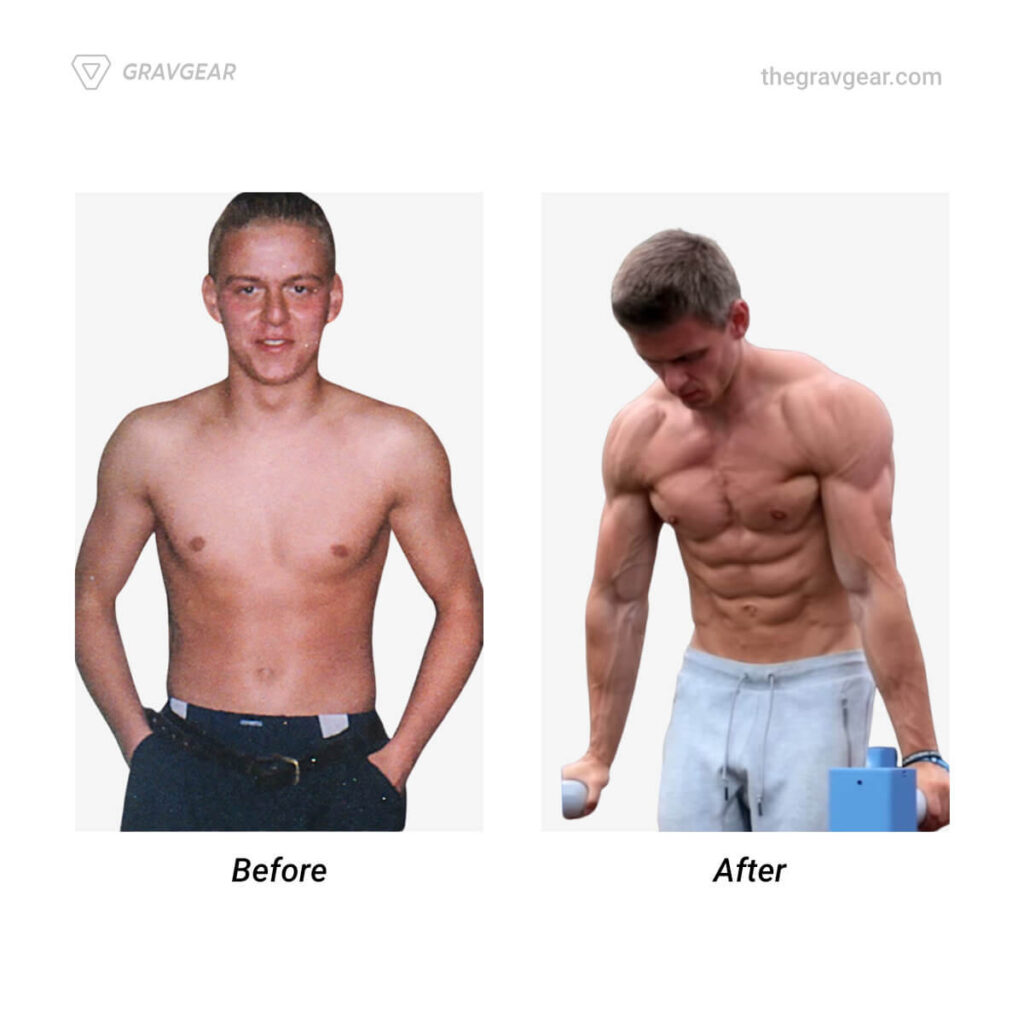
During the initial stages of your calisthenics journey, you can expect to see some noticeable changes in your strength and muscular endurance. You may also start to see small increases in muscle size, especially if you are new to resistance training. This phase is crucial for building a strong foundation and mastering basic calisthenics movements.
Intermediate Stage (3-6 Months):
As you progress into the intermediate stage of your calisthenics training, you should start to see more significant muscle growth and strength gains. You may be able to perform more advanced exercises and routines, such as handstand push-ups, muscle-ups, and pistol squats. This is the stage where you can really push yourself and challenge your limits.

Advanced Stage (6+ Months):
In the advanced stage of your calisthenics journey, you will likely have developed a high level of strength, muscle mass, and overall fitness. At this point, you may be able to perform impressive feats of strength like human flags, planche push-ups, and one-arm pull-ups. Continuous progress at this stage may be slower compared to the earlier stages, but with dedication and persistence, you can continue to build muscle and improve your performance.
Progress Tracking:
Keeping track of your progress is essential for staying motivated and monitoring your results. You can use various methods to track your progress in calisthenics, such as:
- Workout Journal: Keeping a workout journal allows you to record your exercises, sets, reps, and progress over time. This can help you identify areas for improvement and set new goals.
- Body Measurements: Tracking changes in your body measurements, such as waist size, chest circumference, and arm size, can give you a visual representation of your progress.
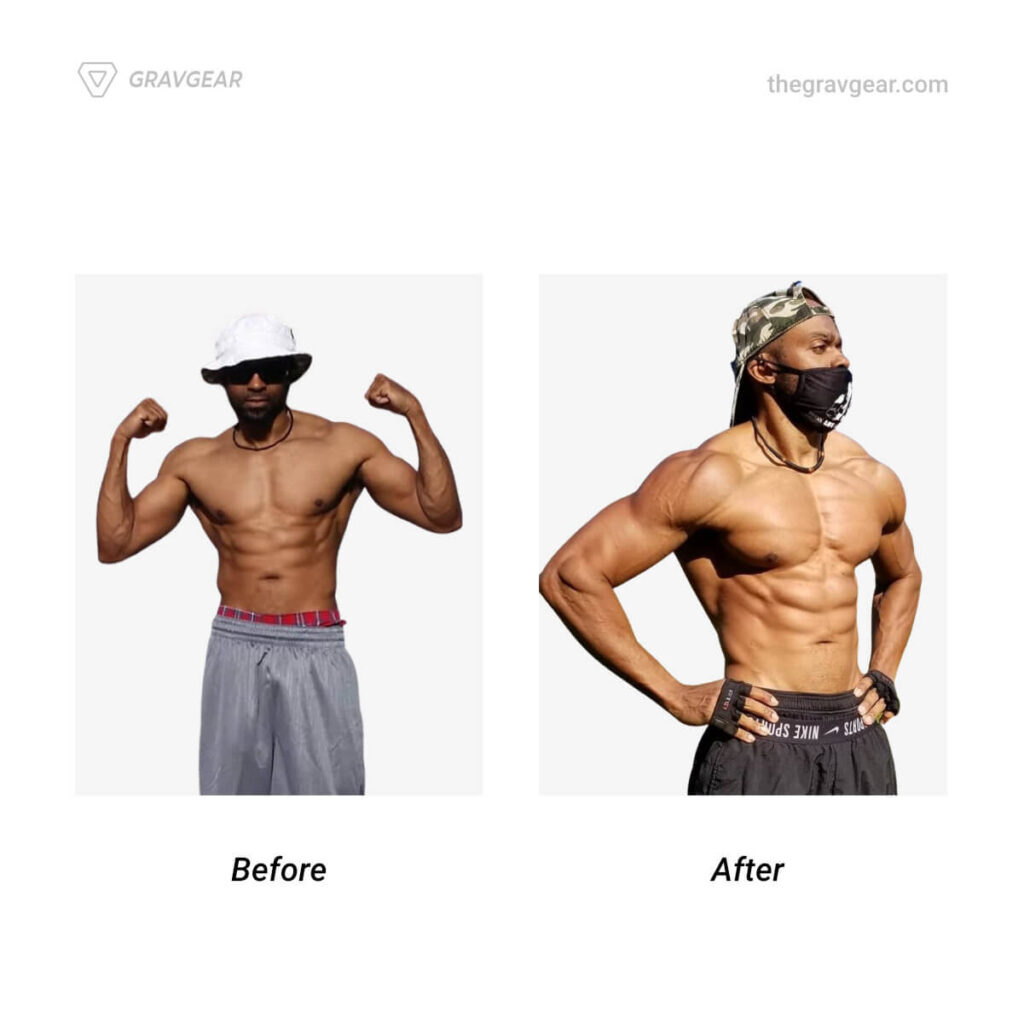
- Progress Photos: Taking progress photos at regular intervals can help you see physical changes in your body that may not be immediately apparent day to day.
- Fitness Tests: Performing fitness tests, such as timed planks, max push-ups, or pull-up repetitions, can provide objective measurements of your strength and endurance improvements.
Muscle-Building Tips:
To optimize your muscle-building progress with calisthenics, consider implementing the following tips:
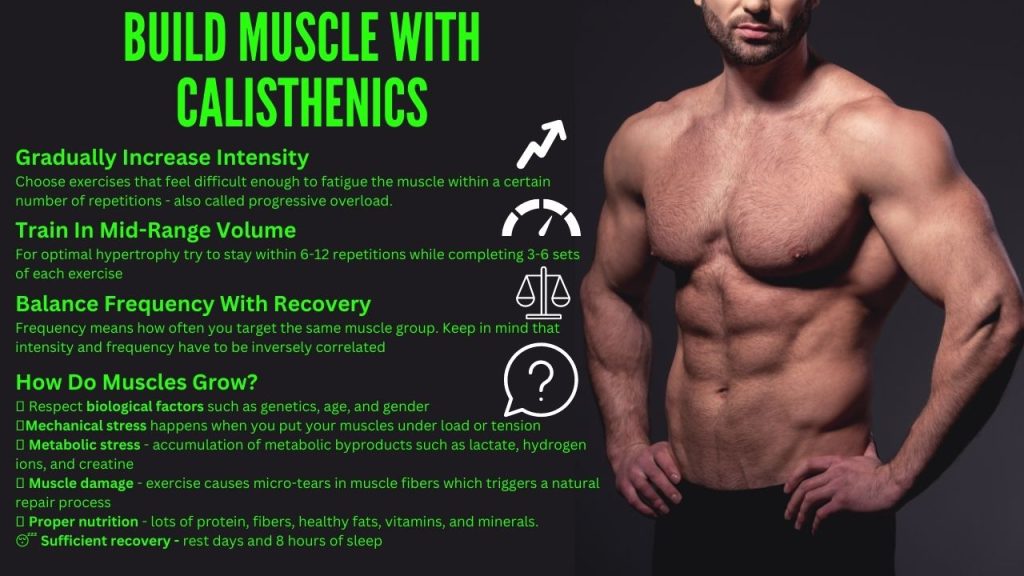
- Progressive Overload: Gradually increase the difficulty of your exercises by adding more repetitions, sets, or variations. This concept of progressive overload is crucial for continuous muscle growth.
- Variety: Incorporating a variety of exercises into your routine can target different muscle groups and prevent plateauing. Experiment with new movements to keep your workouts challenging and engaging.
- Proper Form: Maintaining proper form during your calisthenics exercises is essential for maximizing muscle engagement and preventing injuries. Focus on quality over quantity in your movements.
- Recovery: Allow your muscles an adequate amount of time to recover between workouts. Incorporating rest days, stretching, and proper nutrition into your routine can help support muscle repair and growth.
Sample Calisthenics Workout Routine:
Here’s a basic sample calisthenics workout routine for beginners to get you started on your muscle-building journey:
| Exercise | Sets x Reps | Rest between Sets |
|---|---|---|
| Push-Ups | 3 x 10-15 | 60 seconds |
| Bodyweight Squats | 3 x 15-20 | 60 seconds |
| Pull-Ups | 3 x 5-10 | 90 seconds |
| Plank | 3 x 30-60 seconds | 60 seconds |
This routine targets multiple muscle groups and can be modified based on your fitness level and goals. Remember to warm up before starting your workout and cool down afterward to prevent injuries.
By following a structured workout routine, staying consistent, and focusing on proper nutrition and recovery, you can expect to see noticeable improvements in your muscle mass and strength over time. Remember, building muscle with calisthenics is a journey, not a race. Stay patient, stay dedicated, and enjoy the process of transforming your body through this challenging and rewarding form of exercise.
So, how long does it take to build muscle with calisthenics? The answer lies in your commitment, perseverance, and willingness to push yourself to new limits. Get started on your calisthenics journey today and watch your body transform before your eyes.
Related Topics About How Long Does It Take To Build Muscle With Calisthenics
How Long Does It Take To Build Muscle With Calisthenics