Welcome to the guide on building muscle in your legs! You’re probably eager to see some progress, but remember that building muscle takes time and patience. With a consistent workout routine and a nutritious diet, you can start seeing changes in your leg muscles in as little as four to eight weeks. By focusing on compound exercises like squats and lunges, as well as incorporating rest days into your schedule, you can maximize your muscle-building efforts for strong and toned legs. Remember, everyone’s body is different, so listen to your body and adjust your plan accordingly for the best results.
Understanding the Muscle-building Process
Building muscle in your legs can be an exciting and rewarding journey, but it’s important to have realistic expectations and understand the process. Muscle growth, also known as hypertrophy, occurs when the muscle fibers are damaged through exercise and repair themselves, leading to an increase in size and strength. This process involves a combination of proper nutrition, adequate rest, and targeted resistance training.
How Muscles Grow
Muscle growth is achieved through a process called muscle protein synthesis, where new proteins are generated to repair and strengthen muscle fibers. When you engage in resistance training, such as weightlifting or bodyweight exercises, you create micro-tears in the muscle fibers. In response, the body initiates a repair process that involves fusing the damaged fibers together to form new muscle protein strands, resulting in an increase in muscle mass over time.
The Role of Nutrition
Nutrition plays a crucial role in the muscle-building process, as the body requires adequate protein and calories to support muscle repair and growth. Protein is essential for muscle protein synthesis, so it’s important to consume enough high-quality protein sources such as lean meats, poultry, fish, eggs, dairy, legumes, and plant-based protein sources. In addition to protein, carbohydrates provide the energy needed for workouts, while fats help support overall health and hormone production.
Importance of Rest and Recovery
While resistance training is crucial for stimulating muscle growth, rest and recovery are equally important. Muscles grow and repair during periods of rest, so it’s essential to allow your muscles time to recover between workouts. Adequate sleep, hydration, and proper nutrition are key components of an effective recovery plan. Overtraining or not allowing enough rest can hinder muscle growth and increase the risk of injury.
Factors Affecting Muscle Growth in Legs
Several factors can influence the rate at which you build muscle in your legs. These factors include genetics, age, training intensity, frequency, and volume, as well as nutrition, sleep, and stress levels. Understanding these factors can help you optimize your muscle-building efforts and set realistic goals for your leg development.
Genetics
Genetics play a significant role in determining your muscle-building potential. Some individuals may naturally have a higher muscle mass or respond more quickly to resistance training compared to others. While genetics can influence your baseline muscle size and shape, it’s essential to focus on maximizing your own potential through consistent training and nutrition.
Age
Age can also impact muscle growth rates, as muscle mass tends to peak in the 20s and gradually decline with age. Older individuals may experience slower muscle growth and recovery due to age-related hormonal changes and decreased protein synthesis. However, it’s never too late to start strength training and improve muscle mass, regardless of your age.
Training Variables
The intensity, frequency, and volume of your workouts are crucial factors that influence muscle growth. High-intensity resistance training, such as heavy lifting and compound exercises, can stimulate muscle fibers effectively, leading to greater gains in muscle mass. It’s essential to progressively overload your muscles by increasing weights, reps, or sets over time to continue challenging your muscles for growth.
Nutrition and Hydration
Proper nutrition and hydration are essential for supporting muscle growth and recovery. In addition to consuming an adequate amount of protein, carbohydrates, and healthy fats, it’s important to stay hydrated to maintain muscle function and performance. The timing of your meals and nutrient intake around workouts can also impact muscle growth, as consuming protein and carbohydrates before and after exercise can enhance recovery and protein synthesis.
Sleep and Stress Management
Sleep and stress levels can significantly impact your muscle-building progress. Sleep is essential for muscle recovery and hormone regulation, so aim for at least 7-9 hours of quality sleep each night. Chronic stress can increase cortisol levels, a stress hormone that can hinder muscle growth and recovery. Practice stress-reducing activities such as meditation, mindfulness, or yoga to support your muscle-building goals.
Building Muscle in Your Legs: Training Guidelines
To effectively build muscle in your legs, you need to incorporate a well-rounded and progressive training program that targets all major muscle groups in the legs. This includes the quadriceps, hamstrings, glutes, and calves. By focusing on compound exercises, progressive overload, and proper form, you can maximize muscle growth and strength in your legs.
Quadriceps
The quadriceps are the large muscles on the front of your thighs and are responsible for knee extension. To target the quadriceps effectively, include exercises such as squats, lunges, leg presses, and leg extensions in your leg workouts. Ensure proper form and range of motion to engage the quadriceps fully and prevent injury.
Hamstrings
The hamstrings are located on the back of your thighs and are responsible for hip extension and knee flexion. To develop strong and balanced hamstrings, incorporate exercises such as deadlifts, Romanian deadlifts, leg curls, and glute-ham raises into your leg routine. Focus on mind-muscle connection and squeeze the hamstrings at the top of each rep for maximum activation.
Glutes
The glutes are the largest muscle group in the body and play a crucial role in hip extension, abduction, and external rotation. To build strong and shapely glutes, include exercises such as squats, hip thrusts, lunges, and glute bridges in your leg workouts. Use a variety of rep ranges and resistance levels to challenge the glutes from different angles and stimuli.
Calves
The calves are the muscles on the back of your lower legs and are responsible for ankle plantarflexion. To develop well-defined and strong calves, incorporate exercises such as calf raises, seated calf raises, and calf presses into your leg routine. Perform a full range of motion and control the movement to effectively target the calves and stimulate muscle growth.
Sample Leg Workout
Here’s a sample leg workout that incorporates exercises for the quadriceps, hamstrings, glutes, and calves:
- Squats: 3 sets x 10 reps
- Romanian Deadlifts: 3 sets x 12 reps
- Hip Thrusts: 3 sets x 15 reps
- Calf Raises: 3 sets x 20 reps
Remember to warm up before your workout and cool down with stretching and foam rolling to aid in muscle recovery. Adjust the weight, reps, and sets according to your fitness level and goals, and progressively increase the intensity over time to continue challenging your muscles for growth.
Tracking Progress and Setting Goals
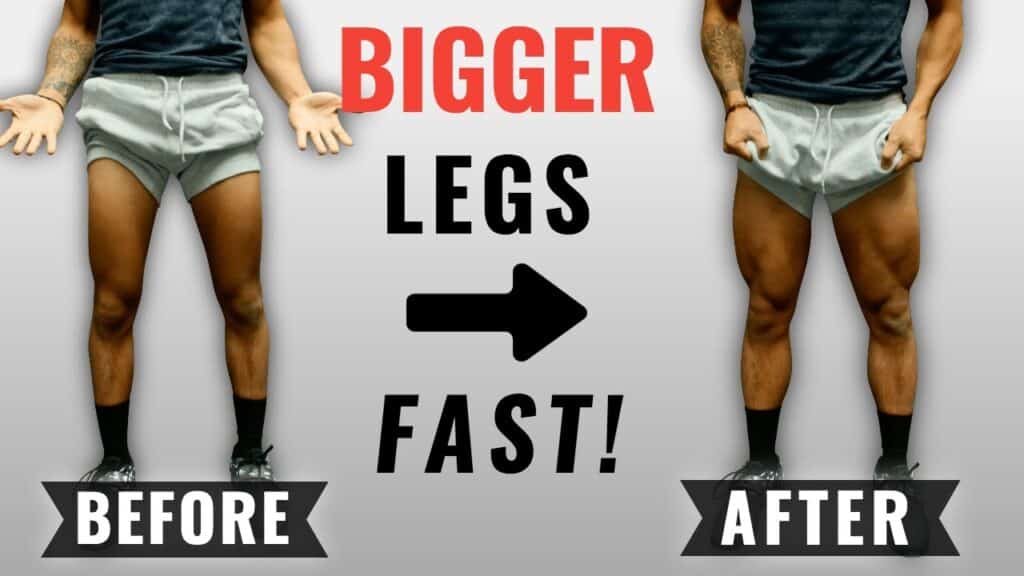
Tracking your progress is essential for monitoring your muscle-building journey and staying motivated to reach your goals. Keep a workout journal or use a fitness app to record your workouts, sets, reps, weights, and progress over time. Take progress photos, measurements, and strength assessments to track changes in muscle size, shape, and strength.
Setting Realistic Goals
When setting goals for building muscle in your legs, it’s important to be specific, measurable, attainable, relevant, and time-bound (SMART). Set short-term and long-term goals that align with your training program, nutrition plan, and lifestyle. Celebrate small victories along the way and focus on progress rather than perfection.
Monitoring Progress
Monitor your progress by tracking key metrics such as muscle measurements, body weight, body fat percentage, strength gains, and workout performance. Use objective criteria to assess muscle growth and overall progress, such as increasing weights, reps, or sets in your exercises. Compare your current measurements and performance to your initial baseline to see how far you’ve come.
Adjusting Your Plan
As you progress in your muscle-building journey, it’s essential to adjust your training program, nutrition plan, and recovery strategies accordingly. Periodically reassess your goals, training volume, intensity, and frequency to ensure continued progress and prevent plateaus. Consult with a fitness professional or coach if you need help with program design, modifications, or troubleshooting.
How Long Does It Take to Build Muscle in Legs?
The time it takes to build muscle in your legs varies depending on several factors, including your genetics, age, training experience, nutrition, recovery, and consistency. On average, beginners may start to see noticeable muscle growth within a few weeks to a couple of months of consistent training. Intermediate and advanced lifters may experience slower gains but can still make progress with a structured and progressive training program.
Beginner Progress
If you’re new to resistance training and focused on building muscle in your legs, you may see initial gains within 4-8 weeks of consistent training. During this time, your muscles adapt to the stress of weightlifting, and you may notice changes in muscle tone, strength, and endurance. Be patient and stay consistent with your workouts, nutrition, and recovery practices for optimal results.
Intermediate Progress
For intermediate lifters who have been training consistently for several months to a couple of years, muscle growth may slow down but can still occur with proper programming and dedication. Progress may take longer to notice, typically within 3-6 months of focused training on leg exercises. Continue challenging your muscles with progressive overload and variations to stimulate new growth.
Advanced Progress
Advanced lifters who have been training for several years and have reached a plateau in muscle growth may require more time and strategic planning to see further gains in their legs. Progress may be gradual and may take 6-12 months or longer to notice significant changes in muscle size and strength. Focus on advanced training techniques, recovery strategies, and nutrition adjustments to break through plateaus and continue growing.
Consistency and Patience
Regardless of your training experience or fitness level, building muscle in your legs requires consistency, patience, and dedication. Stay committed to your workout routine, nutrition plan, and recovery practices to see long-term results in muscle growth. Celebrate small victories along the way and focus on the process rather than the outcome to stay motivated and on track with your goals.

Building muscle in your legs is a rewarding and challenging process that requires a combination of proper nutrition, training, rest, and consistency. By understanding the muscle-building process, factors affecting muscle growth, training guidelines, tracking progress, and setting realistic goals, you can optimize your leg development and achieve your desired results over time. Remember that everyone’s muscle-building journey is unique, so focus on your individual progress, celebrate your achievements, and enjoy the process of transforming your legs through hard work and dedication.
Related Topics About How Long Does It Take To Build Muscle In Legs
How Long Does It Take To Build Leg Muscle