
When you embark on a journey to build muscle, you are not just focusing on aesthetics; you are also engaging in a complex interplay of biological processes that significantly influence your metabolism. Muscle building, or hypertrophy, is the process of increasing the size of your skeletal muscles through resistance training and proper nutrition. As you delve into this world, you will discover that muscle mass plays a pivotal role in how your body burns calories, even when at rest.
Understanding this relationship can empower you to make informed decisions about your fitness regimen and dietary choices. Metabolism, in its simplest form, refers to the chemical processes that occur within your body to maintain life. It encompasses everything from how your body converts food into energy to how it utilizes that energy for various functions.
When you increase your muscle mass, you are effectively enhancing your metabolic rate, which can lead to more efficient calorie burning. This article will explore the intricate relationship between muscle building and metabolism, providing insights into how you can optimize your efforts for better health and fitness outcomes.
Key Takeaways
- Muscle building and metabolism are closely linked, with muscle mass playing a key role in determining metabolic rate.
- Muscle building increases calorie expenditure, as muscle tissue requires more energy to maintain than fat tissue.
- Resistance training is essential for boosting metabolism, as it helps to build and maintain muscle mass.
- Muscle building has a significant impact on resting metabolic rate, with higher muscle mass leading to a higher metabolic rate.
- Proper nutrition is crucial for supporting muscle building and metabolism, with a focus on adequate protein intake and overall calorie balance.
The Relationship Between Muscle Mass and Metabolism
Comparison to Fat Tissue
This is in stark contrast to fat tissue, which burns far fewer calories at rest. As a result, increasing your muscle mass through consistent training effectively raises your basal metabolic rate (BMR), which is the number of calories your body needs to function at rest.
Benefits of Increased Muscle Mass
The benefits of increased muscle mass extend beyond just calorie burning. A higher metabolic rate can lead to improved body composition, as you may find it easier to lose fat while preserving lean muscle. This is particularly important if you are looking to achieve a toned physique or improve your overall health.
Incorporating Strength Training into Your Fitness Routine
By understanding the relationship between muscle mass and metabolism, you can appreciate the importance of incorporating strength training into your fitness routine. This not only helps you build muscle but also enhances your metabolic efficiency.
How Muscle Building Increases Calorie Expenditure
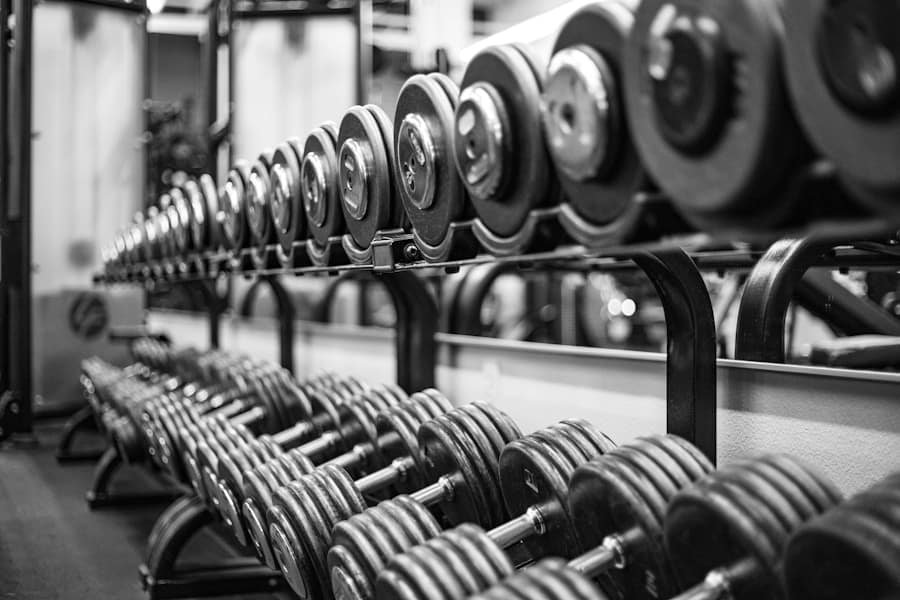
When you engage in muscle-building activities, such as weightlifting or resistance training, you create micro-tears in your muscle fibers. Your body then works diligently to repair these tears, leading to muscle growth and increased strength. This repair process requires energy, which translates into higher calorie expenditure during and after your workouts.
The phenomenon known as excess post-exercise oxygen consumption (EPOC) plays a significant role here; after an intense workout, your body continues to burn calories at an elevated rate as it recovers. Additionally, the type of training you choose can further influence calorie expenditure. High-intensity interval training (HIIT) and compound movements that engage multiple muscle groups can lead to greater calorie burn compared to isolated exercises.
By incorporating these techniques into your routine, you can maximize the energy expenditure associated with muscle building. As a result, not only will you be working towards increasing your muscle mass, but you’ll also be enhancing your overall caloric burn throughout the day.
The Role of Resistance Training in Boosting Metabolism
Resistance training is a cornerstone of any effective muscle-building program. It involves using weights or resistance bands to create tension in your muscles, prompting them to adapt and grow stronger over time. One of the primary benefits of resistance training is its ability to stimulate muscle hypertrophy, which directly correlates with an increase in metabolic rate.
As you lift heavier weights and challenge your muscles, you are not only building strength but also setting the stage for a more efficient metabolism. Moreover, resistance training has been shown to have long-lasting effects on metabolism. Unlike aerobic exercises that primarily burn calories during the activity itself, strength training can elevate your metabolic rate for hours or even days post-workout.
This means that by incorporating regular resistance training sessions into your routine, you are creating a sustainable environment for calorie burning that extends beyond the gym. As you progress in your training and continue to challenge yourself, you’ll find that your body becomes more adept at burning calories efficiently.
The Impact of Muscle Building on Resting Metabolic Rate
Your resting metabolic rate (RMR) is a crucial component of your overall metabolism, representing the number of calories your body requires to maintain basic physiological functions while at rest. As you build muscle through consistent strength training, you can expect an increase in your RMR. This is particularly beneficial if you’re looking to manage your weight or improve body composition.
With a higher RMR, you’ll find that maintaining or losing weight becomes more manageable since your body will naturally burn more calories throughout the day. In addition to aiding weight management, an elevated RMR can also enhance your overall energy levels and performance in daily activities. You may notice that tasks that once felt strenuous become easier as your body adapts to its new metabolic state.
This newfound energy can motivate you to stay active and engaged in physical pursuits, creating a positive feedback loop that reinforces your commitment to muscle building and overall health.
Nutritional Considerations for Supporting Muscle Building and Metabolism
Protein: The Building Blocks of Muscle
While exercise is vital for building muscle and boosting metabolism, nutrition plays an equally important role in supporting these processes. To maximize your muscle-building efforts, it’s essential to consume a balanced diet rich in protein, healthy fats, and complex carbohydrates. Protein is particularly crucial as it provides the building blocks necessary for muscle repair and growth.
Optimal Nutrition for Muscle Building and Metabolic Health
Aim for a protein intake of around 1.2 to 2.2 grams per kilogram of body weight, depending on your activity level and goals. In addition to protein, consider incorporating nutrient-dense foods that support overall metabolic health. Foods rich in vitamins and minerals—such as leafy greens, whole grains, lean meats, and legumes—can provide the necessary nutrients for optimal performance and recovery.
Hydration: A Key Component of Metabolic Processes
Staying hydrated is also vital; water plays a key role in various metabolic processes and can help improve exercise performance. By prioritizing nutrition alongside your training regimen, you’ll create a solid foundation for successful muscle building and enhanced metabolism.
The Importance of Cardiovascular Exercise in Enhancing Calorie Expenditure
While resistance training is essential for building muscle and boosting metabolism, cardiovascular exercise should not be overlooked in your fitness routine. Cardio workouts—such as running, cycling, or swimming—are effective for burning calories during the activity itself and can contribute significantly to overall calorie expenditure. Incorporating cardiovascular exercise into your regimen can help create a caloric deficit if weight loss is one of your goals while still allowing you to maintain or build muscle mass.
Moreover, cardiovascular exercise can improve heart health and endurance, which are crucial for sustaining longer and more intense strength training sessions. By enhancing your cardiovascular fitness, you’ll find that you’re able to recover more quickly between sets and maintain higher levels of intensity during workouts. This synergy between cardio and resistance training can lead to improved results in both muscle building and metabolic efficiency.
Maximizing Muscle Building for Optimal Metabolism
In conclusion, understanding the intricate relationship between muscle building and metabolism can empower you to make informed choices about your fitness journey. By focusing on increasing muscle mass through resistance training and supporting it with proper nutrition and cardiovascular exercise, you can significantly enhance your metabolic rate and overall health. The benefits extend beyond aesthetics; they encompass improved energy levels, better body composition, and a more efficient calorie-burning system.
As you continue on this path, remember that consistency is key. Embrace the process of building muscle as a long-term commitment rather than a quick fix. By integrating these principles into your lifestyle, you’ll not only achieve your fitness goals but also cultivate a healthier relationship with food and exercise—one that supports sustainable progress and well-being for years to come.
If you are interested in learning more about how to build muscle and burn fat simultaneously, check out this informative article on how to build muscle and burn fat. This article provides valuable tips and strategies for maximizing your muscle building efforts while also shedding excess body fat. Additionally, if you are looking for specific chest workouts and exercises to target this muscle group, be sure to read this article on chest workouts and exercises. For those who prefer full-body workouts to target multiple muscle groups at once, this article on full-body workouts offers a variety of effective exercises to help you achieve your fitness goals.
FAQs
What is metabolism?
Metabolism refers to the chemical processes that occur within a living organism in order to maintain life. It involves the conversion of food and nutrients into energy that the body can use.
How does muscle building affect metabolism?
Muscle building can increase metabolism because muscle tissue is more metabolically active than fat tissue. This means that the more muscle mass a person has, the more calories their body will burn at rest.
Does muscle building increase calorie expenditure?
Yes, muscle building can increase calorie expenditure. This is because muscle tissue requires more energy to maintain than fat tissue, so having more muscle mass can lead to a higher basal metabolic rate and increased calorie expenditure.
How does muscle building impact overall energy balance?
Muscle building can impact overall energy balance by increasing the amount of calories the body burns at rest. This can help create a calorie deficit, which is necessary for weight loss, or it can help maintain a healthy weight by offsetting the calories consumed through food.
What are some effective ways to build muscle and boost metabolism?
Some effective ways to build muscle and boost metabolism include engaging in resistance training exercises such as weightlifting, consuming an adequate amount of protein to support muscle growth, and getting enough rest and recovery to allow the muscles to repair and grow.