As you navigate through the various stages of life, you may find that your body undergoes significant changes, particularly in terms of muscle mass and strength. The process of muscle building is often associated with youth, vigor, and the ability to recover quickly from physical exertion. However, it is essential to recognize that age does not have to be a barrier to building and maintaining muscle.
In fact, understanding how age affects your body can empower you to take proactive steps toward preserving your strength and vitality. Muscle building is a dynamic process influenced by numerous factors, including genetics, lifestyle choices, and hormonal levels. As you age, the natural decline in muscle mass—known as sarcopenia—can begin as early as your thirties.
This gradual loss can lead to decreased strength, mobility issues, and an increased risk of injury. Nevertheless, with the right approach to exercise and nutrition, you can counteract these effects and continue to build muscle well into your later years.
Key Takeaways
- As we age, our muscle mass and strength naturally decline, making it important to focus on muscle building and maintenance.
- Hormonal changes, such as decreases in testosterone and growth hormone, can impact muscle building in older adults.
- Aging can also affect muscle recovery and repair, leading to longer recovery times and increased risk of injury.
- Nutrition and exercise play a crucial role in maintaining muscle mass and strength as we age.
- Older adults can benefit from strategies such as resistance training, adequate protein intake, and proper recovery techniques to build and maintain muscle.
Changes in Muscle Mass and Strength with Age
The Causes of Muscle Loss
This decline is largely due to a combination of factors, including hormonal changes, decreased physical activity, and alterations in muscle fiber composition. Research indicates that after the age of 30, we can lose approximately 3% to 5% of muscle mass per decade if we do not engage in regular strength training.
The Consequences of Muscle Loss
This decline can become even more pronounced after the age of 60, leading to significant reductions in overall strength and functional capacity. The loss of muscle mass is not just a cosmetic concern; it has real implications for our daily lives. Reduced strength can affect our ability to perform everyday tasks, such as lifting groceries or climbing stairs.
The Importance of Proactive Muscle Maintenance
Additionally, the decline in muscle mass can lead to a slower metabolism, making it easier to gain weight and harder to lose it. Understanding these changes is crucial for developing a proactive approach to muscle maintenance and building as we age.
Impact of Hormonal Changes on Muscle Building

Hormonal fluctuations play a significant role in muscle building and maintenance as you age. Testosterone and growth hormone are two key hormones that influence muscle mass and strength. In men, testosterone levels typically begin to decline after the age of 30, which can contribute to a decrease in muscle mass and an increase in body fat.
Women also experience hormonal changes during menopause, leading to a drop in estrogen levels that can further exacerbate muscle loss. These hormonal shifts can make it more challenging for you to build and maintain muscle as you age. However, understanding this aspect of aging can help you tailor your fitness regimen accordingly.
For instance, incorporating resistance training into your routine can stimulate the production of these hormones, helping to counteract their decline. Additionally, focusing on exercises that promote overall strength and stability can enhance your ability to build muscle despite hormonal changes.
Effects of Aging on Muscle Recovery and Repair
As you age, your body’s ability to recover from exercise diminishes. This is due in part to a decrease in the production of growth factors and hormones that are essential for muscle repair. You may find that after an intense workout, it takes longer for your muscles to recover compared to when you were younger.
This slower recovery can lead to increased soreness and fatigue, which may discourage you from maintaining a consistent exercise routine. To combat these effects, it is crucial to prioritize recovery strategies as part of your fitness plan. Adequate rest, hydration, and nutrition are vital components of recovery that should not be overlooked.
Incorporating active recovery days into your routine—such as light walking or stretching—can also help facilitate muscle repair while keeping you engaged in physical activity. By being mindful of your body’s recovery needs, you can continue to build muscle effectively as you age.
Importance of Nutrition and Exercise for Muscle Maintenance
Nutrition plays a pivotal role in muscle maintenance and growth at any age, but it becomes even more critical as you get older. A well-balanced diet rich in protein is essential for supporting muscle repair and growth. As you age, your body may require more protein to stimulate muscle protein synthesis effectively.
Aim for a diet that includes lean meats, fish, dairy products, legumes, and nuts to ensure you are meeting your protein needs. In addition to protein intake, other nutrients such as vitamins D and B12, calcium, and omega-3 fatty acids are vital for maintaining muscle health. These nutrients support various bodily functions that contribute to muscle strength and recovery.
Coupled with regular exercise—particularly resistance training—you can create an environment conducive to muscle growth and maintenance. By prioritizing both nutrition and exercise, you set yourself up for success in preserving your strength as you age.
Strategies for Older Adults to Build and Maintain Muscle
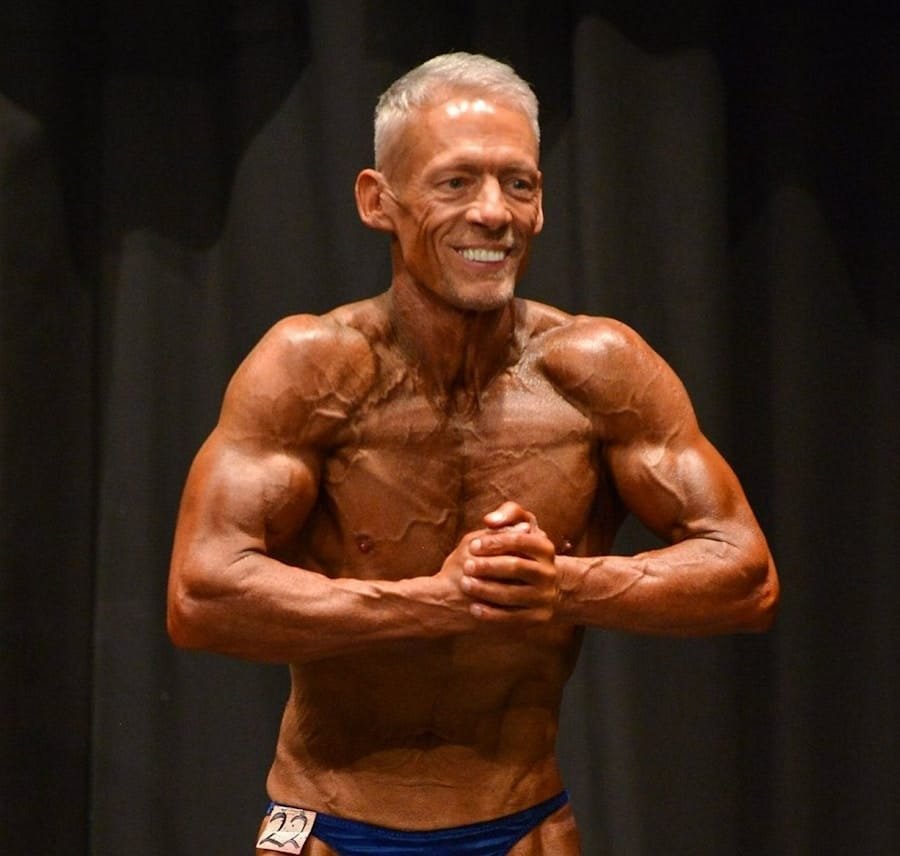
Resistance Training for Maximum Efficiency
Incorporating resistance training into your weekly routine at least two to three times per week is an effective strategy for building and maintaining muscle. Focus on compound movements that engage multiple muscle groups, such as squats, deadlifts, and bench presses, to maximize your workout efficiency.
Additional Exercises for Overall Health
In addition to resistance training, consider incorporating flexibility and balance exercises into your routine. Activities like yoga or Pilates can improve your overall stability and mobility while reducing the risk of falls, a common concern for older adults.
Consistency and Nutrition for Long-Term Results
Don’t underestimate the power of consistency; making exercise a regular part of your life will yield the best results over time. By combining these strategies with proper nutrition and recovery practices, you can effectively build and maintain muscle throughout your later years.
Risks and Challenges of Muscle Building in Older Adults
While there are numerous benefits to building muscle as an older adult, it is essential to be aware of the potential risks and challenges involved. One significant concern is the increased risk of injury due to decreased bone density and joint health as you age. Engaging in high-impact or overly strenuous exercises without proper guidance can lead to strains or fractures.
Therefore, it is crucial to listen to your body and modify exercises as needed. Another challenge is the psychological aspect of aging; many older adults may feel discouraged by their physical limitations or fear of injury. It’s important to approach muscle building with a positive mindset and realistic expectations.
Setting achievable goals can help maintain motivation while celebrating small victories along the way. Remember that progress may be slower than it was in your youth, but every step forward counts toward building a stronger body.
Tips for Successful Muscle Building as You Age
As you embark on your journey of muscle building in later life, keep these tips in mind for success: First, prioritize consistency in both exercise and nutrition; small daily efforts accumulate over time into significant results. Second, focus on strength training while also incorporating flexibility and balance exercises into your routine for overall health benefits. Third, pay attention to your body’s signals; rest when needed and adjust your workouts based on how you feel.
Lastly, don’t hesitate to seek support from professionals or join community groups focused on fitness for older adults. Surrounding yourself with like-minded individuals can provide motivation and encouragement on days when you may feel less inclined to work out. By embracing these strategies and maintaining a positive outlook on aging, you can continue to build muscle effectively while enjoying the many benefits that come with an active lifestyle.
Age can have a significant impact on one’s ability to build and maintain muscle. As discussed in the article “Build Muscle”, factors such as hormonal changes, decreased muscle mass, and slower metabolism can all play a role in how effectively the body is able to build and maintain muscle as we age. Additionally, diet and exercise also play a crucial role in muscle gain, as highlighted in the article “Muscle Gain Diet and Workout Plan”. For those looking to build muscle at home, the article “Build Muscle at Home” provides tips and strategies for achieving muscle growth without the need for a gym membership.
FAQs
What is the impact of age on muscle building and maintenance?
As individuals age, they experience a natural decline in muscle mass and strength, known as sarcopenia. This can lead to decreased muscle building and maintenance abilities.
How does aging affect muscle protein synthesis?
Aging can lead to a reduction in muscle protein synthesis, which is the process by which the body builds new muscle tissue. This can make it more challenging for older individuals to build and maintain muscle mass.
What role does hormone production play in muscle building and aging?
Hormones such as testosterone and growth hormone play a crucial role in muscle building and maintenance. As individuals age, the production of these hormones may decline, impacting their ability to build and maintain muscle.
What are some strategies for older individuals to build and maintain muscle?
Older individuals can engage in resistance training exercises, consume adequate protein, and ensure they are getting enough calories to support muscle building and maintenance. Additionally, working with a healthcare professional or certified trainer can help develop a personalized plan.
Are there any dietary considerations for older individuals looking to build and maintain muscle?
Older individuals may benefit from consuming higher amounts of protein, as well as ensuring they are getting enough essential nutrients such as vitamin D and calcium, which are important for muscle health.