When you think about athletic performance, muscle building often comes to mind as a crucial component. The relationship between muscle mass and physical capability is undeniable; stronger muscles can lead to improved performance across various sports. Whether you are a seasoned athlete or just starting your fitness journey, understanding the significance of muscle building can help you unlock your full potential.
It’s not just about lifting weights; it’s about enhancing your overall athleticism, which includes speed, agility, endurance, and power. As you embark on your muscle-building journey, it’s essential to recognize that this process is multifaceted. It involves not only resistance training but also proper nutrition, recovery, and mental fortitude.
Each of these elements plays a vital role in how effectively you can build muscle and, consequently, improve your athletic performance. By focusing on muscle development, you can enhance your ability to perform in your chosen sport, whether it’s running, swimming, or playing team sports like football or basketball.
Key Takeaways
- Muscle building is essential for improving athletic performance in various sports.
- Building muscle is crucial for running, sprinting, jumping, and explosive power in basketball and volleyball.
- Strength training and muscle building are important for football, rugby, swimming, and water sports.
- Endurance and muscle building play a significant role in cycling and long-distance running.
- Muscle building is essential for agility and quickness in sports like soccer and tennis, ultimately impacting overall athletic performance.
The Role of Muscle Building in Running and Sprinting
When it comes to running and sprinting, muscle building is often overlooked in favor of endurance training. However, developing muscle strength is crucial for improving your speed and efficiency. Stronger leg muscles can propel you forward with greater force, allowing you to cover more ground with each stride.
This is particularly important in sprinting, where explosive power can make the difference between winning and losing. By incorporating strength training into your routine, you can enhance your fast-twitch muscle fibers, which are essential for quick bursts of speed. Moreover, muscle building contributes to better running form and injury prevention.
Stronger muscles support your joints and improve your overall biomechanics, reducing the risk of common running injuries such as shin splints or knee pain. As you build muscle, you’ll find that your body becomes more resilient, allowing you to train harder and recover faster. This combination of strength and endurance will not only improve your performance but also make your running experience more enjoyable.
Muscle Building for Jumping and Explosive Power in Basketball and Volleyball
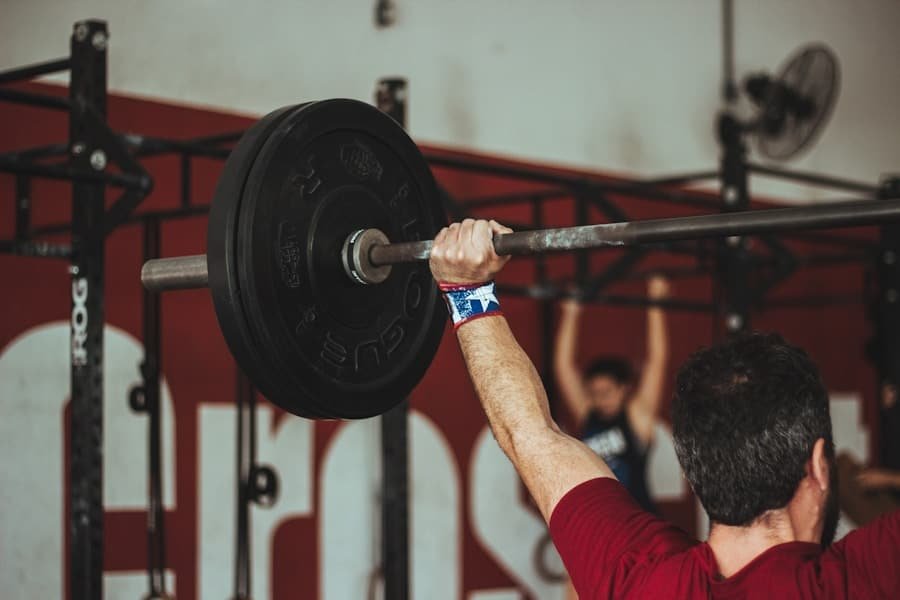
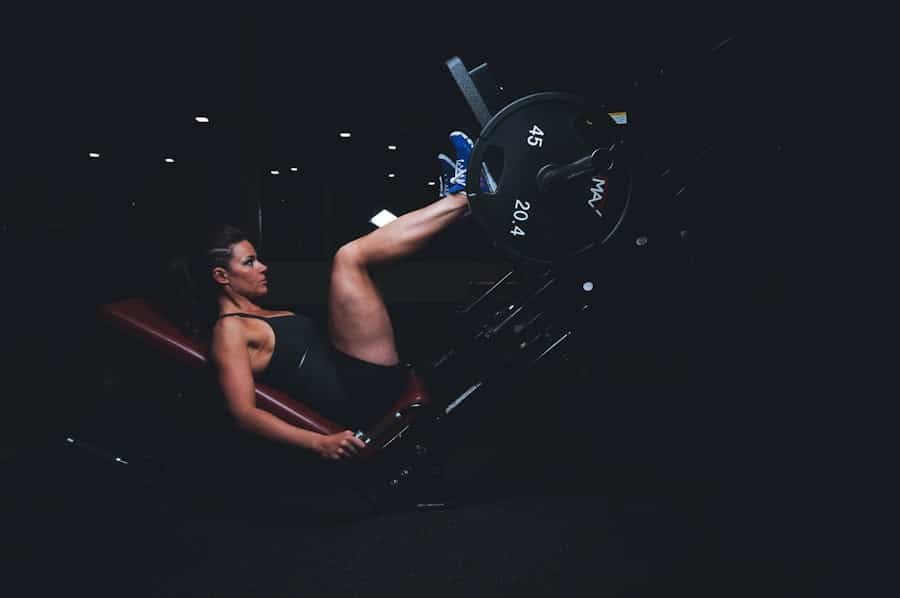
In sports like basketball and volleyball, jumping ability is a key determinant of success. Muscle building plays a pivotal role in enhancing your vertical leap and explosive power. When you focus on developing the muscles in your legs—particularly the quadriceps, hamstrings, and calves—you create a solid foundation for powerful jumps.
Plyometric exercises, such as box jumps and jump squats, can be particularly effective in building the explosive strength needed for these sports. Additionally, muscle building contributes to overall athletic performance by improving your agility and coordination. In basketball and volleyball, being able to jump high is only part of the equation; you also need to be able to land safely and change direction quickly.
Stronger muscles help stabilize your body during these movements, allowing for better control and reducing the risk of injury. By prioritizing muscle development in your training regimen, you can elevate your game and become a more formidable competitor on the court or field.
Muscle Building and Strength Training for Football and Rugby
Football and rugby are sports that demand a unique combination of strength, speed, and endurance. Muscle building is essential for athletes in these sports as it directly correlates with performance on the field. The physicality of football and rugby requires players to engage in intense contact situations where strength can be the deciding factor in winning tackles or gaining yards.
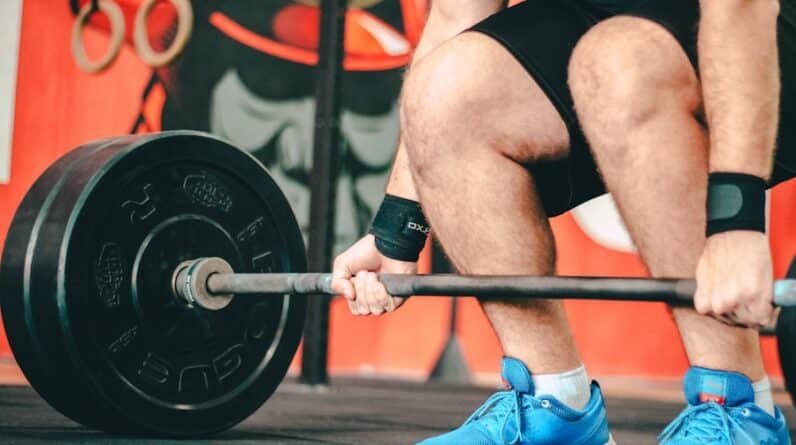
By focusing on compound movements like squats, deadlifts, and bench presses, you can develop the overall strength necessary to excel in these demanding environments. Furthermore, muscle building enhances your ability to withstand the rigors of the game. The more muscle mass you have, the better equipped you are to absorb impacts and recover from them.
This resilience is crucial in football and rugby, where injuries can sideline players for extended periods. By incorporating strength training into your routine, you not only improve your performance but also increase your longevity in the sport. A well-rounded approach to muscle building will ensure that you remain competitive throughout the season.
The Importance of Muscle Building for Swimming and Water Sports
Swimming may seem like an activity that relies primarily on endurance; however, muscle building is equally important for swimmers looking to enhance their performance. Strong muscles contribute to better propulsion through the water, allowing you to swim faster with less effort. Focusing on upper body strength through exercises like pull-ups and rows can significantly improve your stroke efficiency.
Additionally, core strength is vital for maintaining proper body position while swimming, which can reduce drag and increase speed. In water sports such as rowing or kayaking, muscle building becomes even more critical. These activities require powerful strokes that engage multiple muscle groups simultaneously.
By developing strength in your legs, back, and arms, you can generate more force with each stroke, leading to improved performance on the water. Moreover, a strong core helps maintain stability during these dynamic movements, allowing for better control and efficiency.
Muscle Building and Endurance for Cycling and Long-Distance Running
Enhancing Performance through Strength
While cycling and long-distance running are often associated with endurance training, muscle building plays a significant role in enhancing performance in these activities as well. Stronger muscles can improve your power output on the bike or during long runs, allowing you to maintain a higher pace with less fatigue. Incorporating strength training into your routine can help develop the specific muscle groups used in cycling or running, leading to improved efficiency and speed.
Boosting Metabolic Capacity
Additionally, muscle building contributes to better endurance by enhancing your overall metabolic capacity. As you build muscle mass, your body becomes more efficient at utilizing energy sources during prolonged activities. This means that you can sustain higher levels of exertion for longer periods without succumbing to fatigue.
Achieving a Balanced Approach
By integrating strength training into your endurance regimen, you create a balanced approach that maximizes both strength and stamina.
Muscle Building for Agility and Quickness in Soccer and Tennis
In fast-paced sports like soccer and tennis, agility and quickness are essential attributes that can set you apart from the competition. Muscle building plays a crucial role in developing these qualities by enhancing your explosive power and reaction time. Strong leg muscles allow for quicker starts and stops while also improving your ability to change direction rapidly—key skills in both soccer and tennis.
Moreover, muscle building contributes to better overall body control during dynamic movements. In soccer, being able to dribble past defenders or make quick cuts requires not only speed but also strength in your lower body. Similarly, in tennis, powerful serves and swift lateral movements depend on well-developed muscles that support these actions.
By focusing on strength training tailored to the demands of soccer or tennis, you can enhance your agility and quickness on the field or court.
The Overall Impact of Muscle Building on Athletic Performance
In conclusion, muscle building is a fundamental aspect of athletic performance that transcends individual sports disciplines. Whether you are sprinting down a track, jumping for a rebound in basketball, or powering through waves while swimming, strong muscles provide the foundation for success. By prioritizing muscle development through targeted strength training programs tailored to your specific sport’s demands, you can significantly enhance your performance.
The benefits of muscle building extend beyond mere aesthetics; they encompass improved power output, better injury prevention, enhanced endurance, and greater overall athleticism. As you continue on your fitness journey, remember that integrating muscle-building strategies into your training regimen will not only help you achieve your goals but also elevate your performance across all aspects of athletics. Embrace the challenge of building strength; it will pay dividends in every sport you pursue.
If you are looking to improve your athletic performance through muscle building, you may want to consider following a lean muscle gain diet plan. This article provides valuable information on how to fuel your body for optimal muscle growth while staying lean. Additionally, if you are a beginner in the world of muscle building, this article offers tips and advice on how to get started on your journey to building muscle. For those looking to specifically increase muscle mass, this article provides insights on the best exercises and techniques to achieve your goals. By incorporating these resources into your training regimen, you can enhance your performance in specific sports and reach new levels of success.
FAQs
What is muscle building?
Muscle building, also known as strength training or resistance training, is a type of physical activity designed to improve muscular fitness by exercising a specific muscle or muscle group against external resistance.
How can muscle building improve athletic performance in specific sports?
Muscle building can improve athletic performance in specific sports by increasing strength, power, and endurance, which are essential for success in many athletic activities. Stronger muscles can generate more force, leading to improved speed, agility, and overall performance in sports.
Which specific sports can benefit from muscle building?
Many sports can benefit from muscle building, including but not limited to football, basketball, soccer, track and field, swimming, tennis, and martial arts. Essentially, any sport that requires strength, power, and endurance can benefit from muscle building.
What are some muscle building exercises that can improve athletic performance?
Some muscle building exercises that can improve athletic performance include squats, deadlifts, bench presses, pull-ups, lunges, and plyometric exercises. These exercises target multiple muscle groups and can help improve overall athletic performance.
Is muscle building suitable for all athletes?
While muscle building can benefit many athletes, it may not be suitable for all athletes, especially those in sports that require a specific body type or weight class. It’s important for athletes to consult with a coach or trainer to determine if muscle building is appropriate for their specific sport and goals.