
When it comes to maintaining an active lifestyle, you may encounter various challenges that can hinder your ability to exercise. These obstacles can stem from physical limitations, health conditions, or even psychological barriers. Understanding these challenges is the first step toward overcoming them.
For instance, if you have limited mobility due to arthritis or a previous injury, you might find it difficult to perform traditional exercises that require a full range of motion. This can lead to frustration and a sense of defeat, making it essential to recognize that you are not alone in facing these hurdles. Moreover, the mental aspect of dealing with physical limitations can be just as daunting.
You may feel discouraged when comparing yourself to others who seem to move effortlessly or achieve their fitness goals with ease. It’s crucial to remember that everyone has their own journey, and your path may look different from someone else’s. Acknowledging these feelings and understanding that they are a natural part of the process can help you cultivate a more positive mindset.
By focusing on your unique circumstances and capabilities, you can begin to shift your perspective and embrace the possibilities that lie ahead.
Key Takeaways
- Limited mobility doesn’t have to limit exercise options
- Resistance bands are versatile and effective for limited mobility
- Chair exercises can provide a full-body workout
- Water-based workouts are low-impact and beneficial for limited mobility
- Working with a professional can help tailor a workout plan to individual needs
Adapting Exercises for Limited Mobility
Adapting exercises to suit your specific needs is vital for ensuring that you can stay active without risking injury or exacerbating existing conditions. You might start by identifying which movements are comfortable for you and which ones pose a challenge. For example, if standing exercises are difficult, consider incorporating seated variations that allow you to engage your muscles without putting undue strain on your joints.
Simple modifications can make a world of difference, enabling you to participate in physical activity while respecting your body’s limitations. In addition to modifying traditional exercises, exploring alternative forms of movement can also be beneficial. Activities such as yoga or tai chi offer gentle ways to improve flexibility and strength while being mindful of your body’s capabilities.
These practices often emphasize slow, controlled movements that can help you build confidence in your abilities. By experimenting with different types of exercises, you may discover new favorites that not only accommodate your mobility challenges but also bring joy and satisfaction to your fitness routine.
Utilizing Resistance Bands and Other Equipment
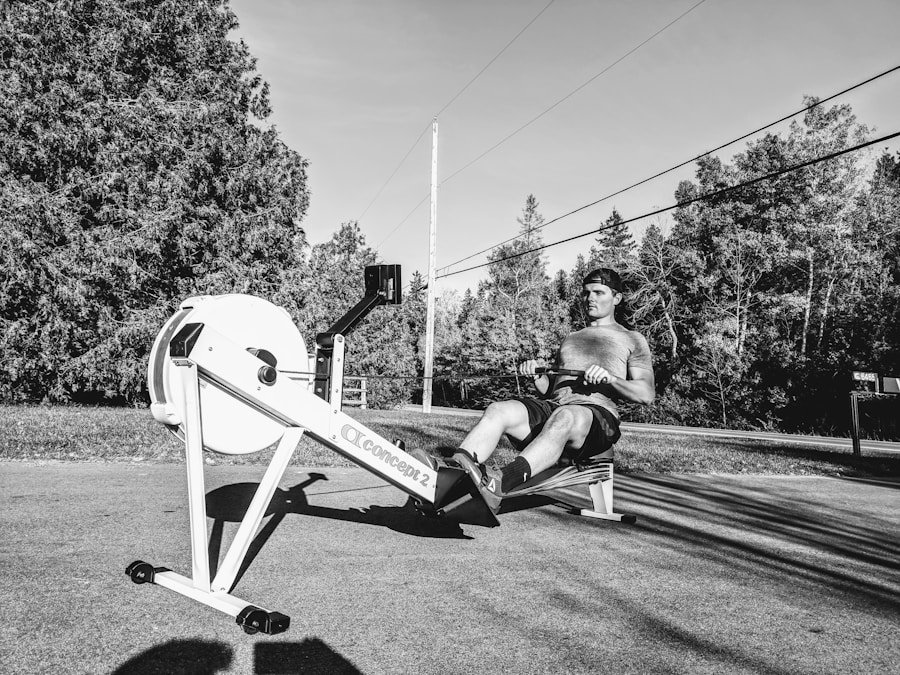
Incorporating resistance bands and other equipment into your workouts can significantly enhance your exercise experience, especially if you have limited mobility. Resistance bands are versatile tools that allow you to perform a wide range of exercises while providing adjustable levels of resistance. This adaptability makes them ideal for individuals who may struggle with heavier weights or traditional gym equipment.
You can use bands to strengthen various muscle groups, improve stability, and enhance overall functional movement. Additionally, other equipment such as stability balls or light dumbbells can also be beneficial in your fitness journey. Stability balls can help improve balance and core strength while allowing for a greater range of motion in certain exercises.
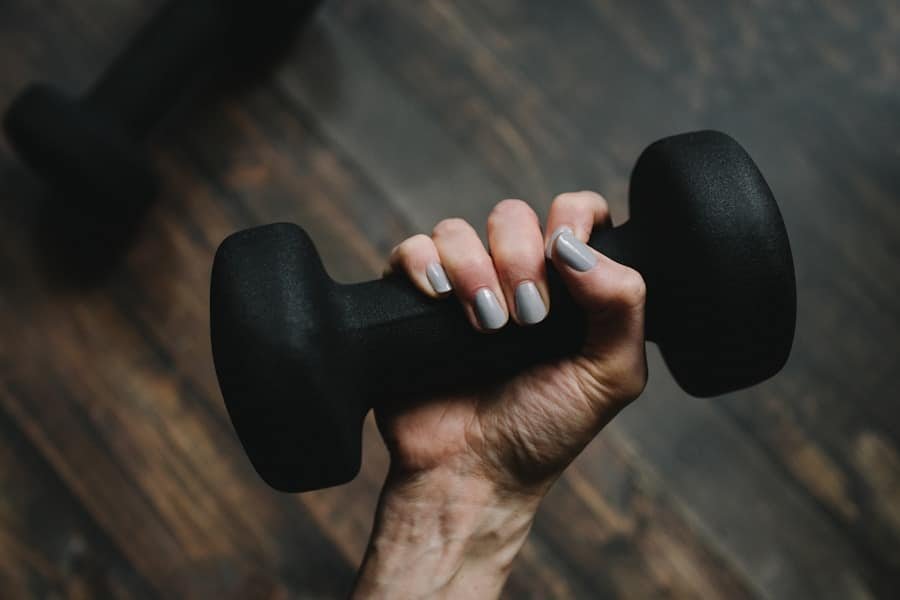
Light dumbbells can be used for strength training without overwhelming your muscles or joints. By incorporating these tools into your routine, you can create a more dynamic workout that keeps you engaged and motivated while addressing your specific needs.
Incorporating Chair Exercises
Chair exercises are an excellent option for those with limited mobility, as they provide a stable base for performing various movements without the risk of falling or straining yourself. You might find that using a sturdy chair allows you to engage in strength training, stretching, and even cardiovascular activities while remaining seated. This approach not only makes exercise more accessible but also encourages consistency, as you can easily integrate chair workouts into your daily routine.
When incorporating chair exercises, consider focusing on different muscle groups to create a balanced workout. For instance, you can perform seated leg lifts to strengthen your quadriceps or seated arm raises to target your shoulders. Additionally, incorporating stretches while seated can help improve flexibility and reduce tension in your muscles.
By diversifying your chair exercises, you can keep your workouts fresh and enjoyable while ensuring that you are addressing all aspects of fitness.
Exploring Water-based Workouts
Water-based workouts offer a unique and effective way to stay active while accommodating limited mobility. The buoyancy of water reduces the impact on your joints, allowing you to move more freely without the fear of injury. Whether you choose to participate in water aerobics classes or simply swim at your own pace, the resistance provided by water can help build strength and endurance without putting excessive strain on your body.
Moreover, water workouts can be incredibly refreshing and enjoyable, making it easier for you to stay motivated. The coolness of the water can provide relief from heat during warmer months, and the social aspect of group classes can foster a sense of community and support. As you explore different water-based activities, you’ll likely find that they not only enhance your physical fitness but also contribute positively to your mental well-being.
Working with a Physical Therapist or Trainer
Collaborating with a physical therapist or certified trainer can be invaluable in navigating your fitness journey, especially if you’re dealing with limited mobility. These professionals possess the expertise needed to assess your individual needs and create tailored exercise programs that align with your goals. They can help you identify safe movements, teach proper techniques, and provide guidance on how to progress as you gain strength and confidence.
Additionally, working with a professional allows for ongoing support and accountability. You may find that having someone by your side encourages you to push through challenges and stay committed to your fitness routine. They can also help monitor your progress and make necessary adjustments to ensure that you’re continually challenged without risking injury.
This partnership can empower you to take charge of your health and well-being while fostering a sense of accomplishment as you reach new milestones.
Setting Realistic Goals and Expectations
Setting realistic goals is crucial for maintaining motivation and ensuring long-term success in your fitness journey. You might start by evaluating where you currently stand in terms of mobility and fitness levels, then establish achievable objectives based on that assessment. For instance, instead of aiming for an ambitious target like running a marathon, consider setting smaller milestones such as completing a certain number of chair exercises each week or gradually increasing the duration of your workouts.
It’s essential to celebrate these small victories along the way, as they contribute to building confidence and reinforcing positive habits. By focusing on incremental progress rather than perfection, you’ll find it easier to stay motivated and committed to your fitness routine. Remember that everyone’s journey is unique; what matters most is that you’re making strides toward improving your health and well-being at a pace that feels right for you.
Staying Consistent and Motivated
Consistency is key when it comes to achieving your fitness goals, especially if you’re working with limited mobility. Establishing a regular workout schedule can help create a sense of routine and make it easier for you to stay on track. You might consider setting aside specific times each week dedicated solely to exercise, treating these sessions as important appointments for your health.
To maintain motivation over time, it’s essential to find activities that you genuinely enjoy. Experimenting with different types of exercises—whether it’s chair workouts, water aerobics, or resistance band training—can help keep things fresh and exciting. Additionally, consider enlisting the support of friends or family members who share similar fitness interests; working out together can foster camaraderie and make exercising feel less like a chore.
In conclusion, navigating the world of fitness with limited mobility presents its own set of challenges, but it is entirely possible to lead an active lifestyle by adapting exercises, utilizing appropriate equipment, and seeking professional guidance when needed. By setting realistic goals and staying consistent in your efforts, you’ll not only improve your physical health but also enhance your overall quality of life. Embrace the journey ahead with an open mind and heart; every step forward is a testament to your resilience and determination.
Individuals with limited mobility or disabilities can still engage in muscle-building exercises by following a personalized workout plan. A helpful resource for creating such a plan can be found in this article on musclesbuilder.tips. This article provides guidance on how to tailor exercises to accommodate different abilities and limitations, ensuring that everyone can participate in muscle-building activities. Additionally, incorporating supplements into one’s routine can also aid in muscle growth and recovery. For more information on this topic, check out the article on musclesbuilder.tips. By following a structured workout plan and utilizing supplements, individuals with limited mobility or disabilities can still achieve their muscle-building goals.
FAQs
What are muscle-building exercises?
Muscle-building exercises, also known as strength training or resistance training, are physical activities designed to improve muscle strength, endurance, and size. These exercises typically involve using resistance, such as weights, resistance bands, or body weight, to work the muscles.
Why is it important for individuals with limited mobility or disabilities to engage in muscle-building exercises?
Engaging in muscle-building exercises can help individuals with limited mobility or disabilities improve their overall strength, mobility, and independence. It can also help prevent muscle atrophy, improve bone density, and enhance overall physical function.
What are some muscle-building exercises that individuals with limited mobility or disabilities can do?
Individuals with limited mobility or disabilities can engage in muscle-building exercises such as seated or lying down resistance band exercises, chair squats, leg lifts, seated or standing arm exercises, and modified push-ups. It is important to consult with a healthcare professional or a certified trainer to determine the most suitable exercises for individual needs and abilities.
What are some considerations to keep in mind when engaging in muscle-building exercises with limited mobility or disabilities?
When engaging in muscle-building exercises with limited mobility or disabilities, it is important to start with low resistance and gradually increase as strength improves. It is also crucial to maintain proper form and technique to prevent injury. Additionally, individuals should listen to their bodies and modify exercises as needed to accommodate their specific limitations.