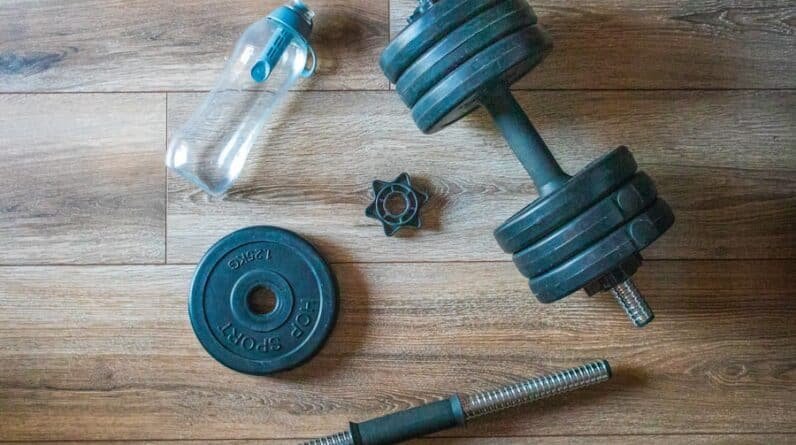
When it comes to building muscle, bodyweight exercises are often underestimated. You might think that without access to a gym or heavy weights, you can’t achieve significant muscle growth. However, bodyweight exercises can be incredibly effective for developing strength and size.
Movements like push-ups, pull-ups, squats, and lunges engage multiple muscle groups and can be modified to increase intensity as you progress. By focusing on proper form and gradually increasing the difficulty of these exercises, you can stimulate muscle growth effectively. Incorporating bodyweight exercises into your routine allows you to leverage your own body as resistance.
For instance, push-ups can be adjusted by changing your hand placement or elevating your feet to target different muscle fibers. Similarly, squats can be made more challenging by adding jumps or single-leg variations. The beauty of bodyweight training lies in its versatility; you can perform these exercises anywhere, whether at home, in a park, or while traveling.
This accessibility makes it easier for you to stay consistent and committed to your muscle-building goals.
Key Takeaways
- Bodyweight exercises like push-ups, squats, and lunges can effectively build muscle without the need for equipment.
- Household items such as water bottles, backpacks, and chairs can be used as makeshift weights for resistance training at home.
- Resistance band workouts offer a convenient and effective way to stimulate muscle growth and improve strength.
- Calisthenics routines, including pull-ups, dips, and planks, are great for developing strength and muscle without the need for equipment.
- High-intensity interval training (HIIT) can be used to build muscle and improve cardiovascular fitness with short, intense workouts.
Using household items as makeshift weights
If you’re looking to add some resistance to your workouts without investing in expensive gym equipment, household items can serve as excellent makeshift weights. You might find that items like water bottles, backpacks filled with books, or even bags of rice can provide the resistance you need to challenge your muscles. By creatively utilizing what you have at home, you can enhance your workouts and keep things interesting.
For example, filling a backpack with heavy items allows you to perform squats or lunges with added weight, effectively increasing the intensity of your workout. Similarly, using water bottles as dumbbells can help you perform bicep curls or shoulder presses. The key is to ensure that whatever item you choose is secure and manageable, allowing you to focus on your form while still pushing your limits.
This approach not only saves you money but also encourages resourcefulness in your fitness journey.
Resistance band workouts for muscle growth
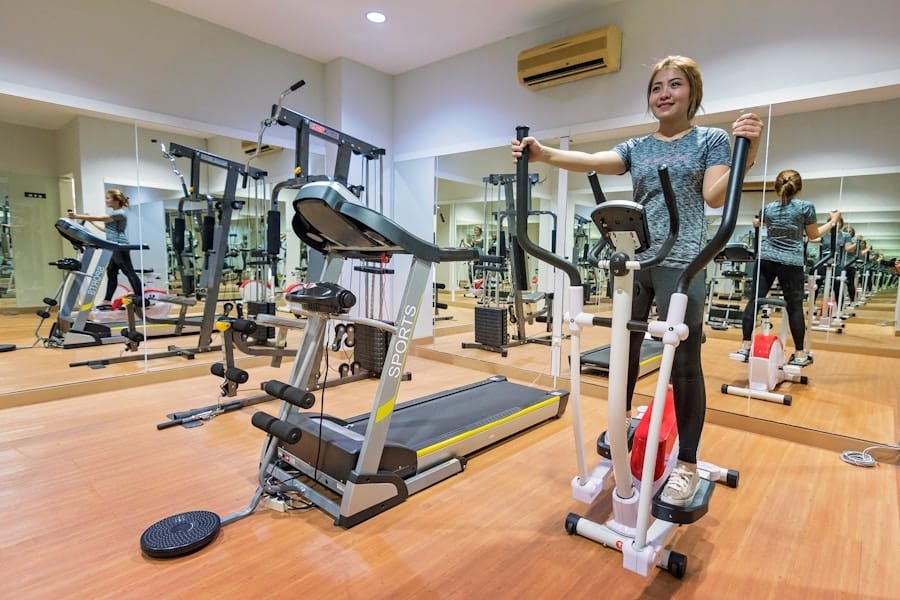
Resistance bands are a fantastic tool for muscle growth that you might not have considered yet. These bands come in various resistance levels, making them suitable for beginners and advanced athletes alike. They provide constant tension throughout the movement, which can lead to greater muscle activation compared to traditional weights.
Incorporating resistance bands into your routine can help you target specific muscle groups effectively while also improving your overall strength. You can use resistance bands for a wide range of exercises, from bicep curls and tricep extensions to squats and rows. The versatility of these bands allows you to perform compound movements that engage multiple muscles simultaneously.
For instance, a banded squat with an overhead press combines lower and upper body work, maximizing efficiency in your workout. As you progress, you can increase the resistance level or try more complex movements to continue challenging your muscles and promoting growth.
Calisthenics routines for strength and muscle development
Calisthenics is a form of exercise that focuses on using your body weight for resistance, making it an excellent option for building strength and muscle without the need for equipment. You might find that calisthenics routines not only improve your physical strength but also enhance your coordination and balance. Exercises like pull-ups, dips, and muscle-ups require significant upper body strength and can lead to impressive muscle gains when performed consistently.
To create an effective calisthenics routine, consider incorporating a variety of movements that target different muscle groups. For example, combining push-ups with pull-ups and leg raises can provide a comprehensive workout that challenges your entire body. Additionally, focusing on progressive overload—where you gradually increase the difficulty of your exercises—will help ensure continuous muscle development.
As you become more proficient in these movements, you’ll likely notice improvements in both strength and muscle definition.
High-intensity interval training (HIIT) for muscle building
High-intensity interval training (HIIT) is a powerful workout method that combines short bursts of intense exercise with periods of rest or lower-intensity activity. This approach not only helps improve cardiovascular fitness but also promotes muscle building when structured correctly. You might find that incorporating HIIT into your routine allows you to maximize your workout efficiency while still achieving significant results.
To effectively build muscle through HIIT, focus on incorporating compound movements that engage multiple muscle groups simultaneously. Exercises like burpees, kettlebell swings, and squat jumps can elevate your heart rate while also providing the resistance needed for muscle growth. By alternating between high-intensity intervals and recovery periods, you can push your muscles to their limits while allowing them time to recover and adapt.
This method not only keeps your workouts exciting but also helps prevent plateaus in your training.
Plyometric exercises for muscle power and explosiveness
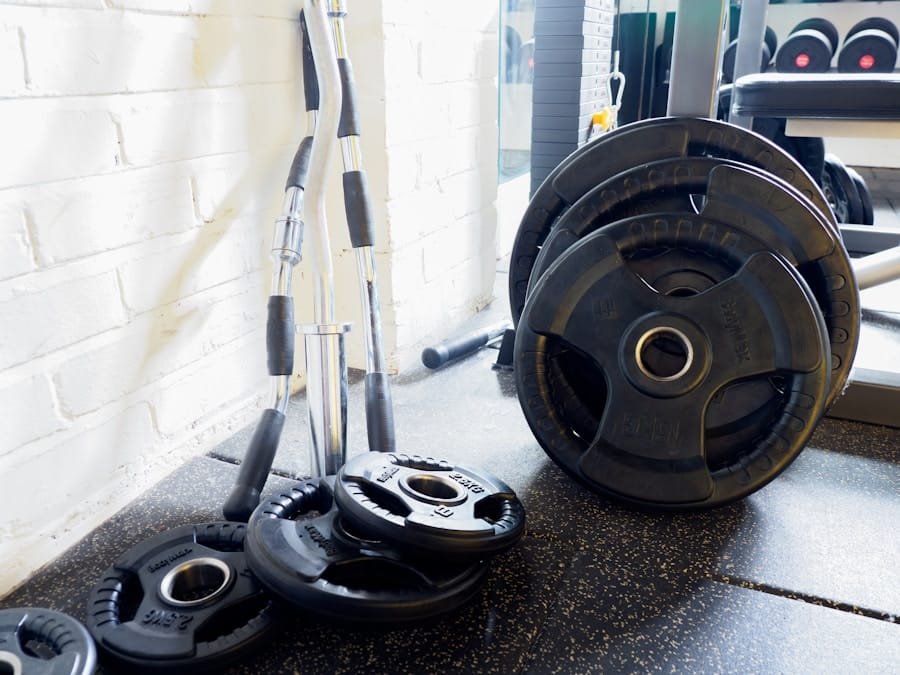
Plyometric exercises are designed to develop power and explosiveness by utilizing rapid movements that engage fast-twitch muscle fibers. If you’re looking to enhance your athletic performance or simply want to add some variety to your workouts, incorporating plyometrics can be highly beneficial. Exercises like box jumps, jump squats, and clap push-ups challenge your muscles in unique ways, promoting both strength and speed.
When performing plyometric exercises, it’s essential to focus on proper technique to minimize the risk of injury. Start with basic movements and gradually progress to more complex variations as you build confidence and strength. For instance, if you’re new to jump squats, begin with regular squats before adding the explosive jump component.
As you become more comfortable with these movements, you’ll likely notice improvements in your overall power output and muscle definition.
Yoga and Pilates for muscle toning and flexibility
While yoga and Pilates may not be the first forms of exercise that come to mind when thinking about muscle building, they play a crucial role in toning muscles and enhancing flexibility. Both practices emphasize controlled movements and proper alignment, which can lead to improved strength over time. You might find that incorporating yoga or Pilates into your routine helps balance out the more intense workouts while also promoting recovery.
Yoga focuses on holding poses that engage various muscle groups while improving flexibility and core strength. Poses like downward dog or warrior II not only tone muscles but also enhance stability and balance. On the other hand, Pilates emphasizes core strength through controlled movements that target the abdominal muscles and lower back.
By integrating these practices into your fitness regimen, you’ll develop a well-rounded physique that combines strength with flexibility.
Creating a home workout routine for muscle building
Designing a home workout routine tailored to your muscle-building goals can be both exciting and rewarding. Start by assessing your available space and equipment—whether it’s bodyweight exercises, household items as weights, or resistance bands—and determine which methods resonate with you the most. You might find it helpful to create a weekly schedule that includes a mix of different workout styles to keep things fresh and engaging.
Consider structuring your routine around specific muscle groups or movement patterns each day. For example, dedicate one day to upper body exercises using push-ups and resistance bands while reserving another day for lower body workouts featuring squats and lunges with makeshift weights. Additionally, don’t forget to include rest days in your schedule; recovery is essential for muscle growth and overall progress.
By staying consistent with your home workout routine and continually challenging yourself, you’ll be well on your way to achieving your fitness goals without ever stepping foot in a gym.
If you are looking to build muscle at home without access to equipment or gym facilities, you may also be interested in learning about the best workout split for muscle gain. This article provides valuable information on how to structure your workouts to maximize muscle growth and achieve your fitness goals. Check it out here.
FAQs
What are some effective muscle-building exercises that can be done at home without equipment?
Bodyweight exercises such as push-ups, squats, lunges, and planks are effective for building muscle at home without the need for equipment. Additionally, exercises using household items such as water bottles or resistance bands can also be effective.
How can individuals with limited access to equipment increase the intensity of their workouts at home?
Increasing the intensity of bodyweight exercises can be achieved by adding more repetitions, incorporating variations of the exercises, or slowing down the movements to increase time under tension. Additionally, using household items as makeshift weights can also increase the intensity of workouts.
What are some dietary considerations for individuals looking to build muscle at home?
Individuals looking to build muscle at home should focus on consuming an adequate amount of protein to support muscle growth and repair. Additionally, consuming a balanced diet that includes a variety of nutrients such as carbohydrates, fats, and micronutrients is important for overall health and muscle development.
Are there any online resources or apps that can help individuals with limited access to equipment build muscle at home?
Yes, there are numerous online resources and fitness apps that provide workout routines and guidance for building muscle at home without the need for equipment. These resources often include bodyweight exercises, workout plans, and instructional videos to help individuals achieve their fitness goals.
What are some common misconceptions about building muscle at home without equipment?
One common misconception is that building muscle at home without equipment is not effective. However, bodyweight exercises and other creative workout methods can be highly effective for building muscle and improving overall strength and fitness. Another misconception is that individuals need expensive equipment to achieve their muscle-building goals, when in fact, effective workouts can be done with minimal or no equipment.