
Muscle imbalances occur when one muscle group is stronger or more developed than its opposing group. This can lead to a variety of issues, including poor posture, decreased performance, and an increased risk of injury. As you engage in physical activities, it’s essential to recognize that your body is a complex system where each muscle plays a vital role in maintaining balance and functionality.
When one side of your body is stronger than the other, it can create compensatory patterns that may not only hinder your performance but also lead to chronic pain or discomfort. To effectively address muscle imbalances, you first need to assess your own body. This can involve observing your posture in a mirror or seeking feedback from a knowledgeable friend or trainer.
Pay attention to any asymmetries in your physique, such as one shoulder being higher than the other or one leg appearing more muscular. By identifying these discrepancies, you can begin to understand how they may be affecting your overall movement patterns and athletic performance. Awareness is the first step toward correcting these imbalances and achieving a more harmonious state of physical fitness.
Key Takeaways
- Muscle imbalances can lead to injury and decreased performance
- Proper exercise selection is crucial for addressing muscle imbalances
- Symmetry in training helps prevent imbalances and promotes overall strength
- Incorporating unilateral exercises can help correct imbalances and improve stability
- Regular stretching and mobility work are essential for maintaining muscle balance and preventing injury
- Balancing work and rest is important for allowing muscles to recover and adapt
- Seeking professional guidance can provide personalized strategies for addressing muscle imbalances
- Listening to your body is key for recognizing and addressing muscle imbalances before they become a problem
Proper Exercise Selection
Choosing the right exercises is crucial for addressing muscle imbalances effectively. Not all exercises are created equal, and some may exacerbate existing issues rather than resolve them. When selecting exercises, consider focusing on movements that promote balance and symmetry.
Compound exercises, which engage multiple muscle groups simultaneously, can be particularly beneficial. For instance, squats and deadlifts not only target the primary muscles but also require stabilization from surrounding muscles, promoting overall strength and coordination. In addition to compound movements, incorporating isolation exercises can help you target specific muscle groups that may be lagging behind.
For example, if you notice that your left arm is weaker than your right, adding bicep curls or tricep extensions for the left side can help bring it up to par. However, it’s essential to maintain a balanced approach; overemphasizing one side can lead to further imbalances. Therefore, ensure that your exercise selection includes a variety of movements that promote overall strength and stability across all muscle groups.
Symmetry in Training
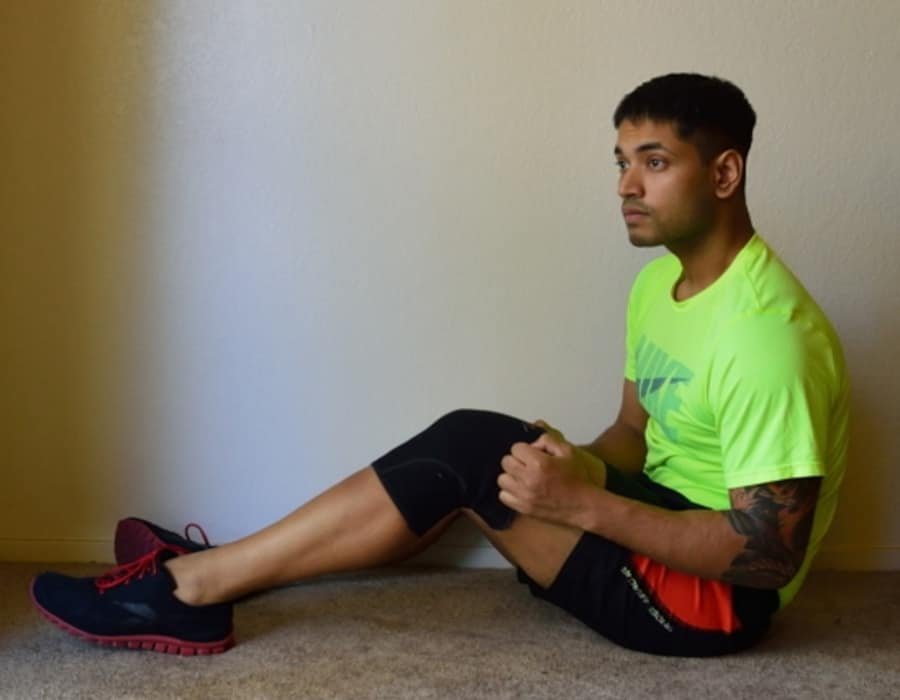
Achieving symmetry in training is vital for optimal performance and injury prevention. When you train symmetrically, you ensure that both sides of your body are receiving equal attention and workload. This not only helps in building strength evenly but also enhances your overall athleticism.
To achieve this symmetry, consider structuring your workouts to include equal sets and repetitions for both sides of your body. For instance, if you perform three sets of ten reps on your right leg during lunges, do the same for your left leg. Moreover, it’s important to monitor your form closely during exercises to ensure that you are not favoring one side over the other.
This can be particularly challenging during compound movements where the dominant side may take over. To combat this tendency, you might want to use mirrors or record yourself while training. By doing so, you can identify any discrepancies in your form and make necessary adjustments to promote balance in your training regimen.
Incorporating Unilateral Exercises
Unilateral exercises are an excellent way to address muscle imbalances and enhance overall strength. These exercises involve working one side of the body at a time, which forces each side to engage independently and develop strength without compensating for the other side. For example, single-arm rows or single-leg deadlifts can help you identify weaknesses and improve coordination between both sides of your body.
By incorporating these movements into your routine, you can effectively target any discrepancies in strength or stability. Additionally, unilateral exercises can improve your core stability and balance. When you perform a movement on one side, your core must engage more intensely to maintain stability and control.
This not only strengthens your core but also enhances your overall athletic performance. As you progress with unilateral training, you may find that your overall strength improves, leading to better performance in bilateral exercises as well.
Regular Stretching and Mobility Work
Incorporating regular stretching and mobility work into your routine is essential for maintaining flexibility and preventing injuries associated with muscle imbalances. Tight muscles can contribute to imbalances by restricting movement patterns and altering biomechanics. By dedicating time to stretch major muscle groups and improve mobility, you can enhance your range of motion and promote better alignment throughout your body.
Dynamic stretching before workouts can prepare your muscles for activity by increasing blood flow and flexibility. Post-workout static stretching is equally important as it helps in recovery by lengthening tight muscles and reducing soreness. Additionally, consider integrating mobility drills that target specific joints or muscle groups that may be prone to tightness or restriction.
This proactive approach will not only help in addressing existing imbalances but also prevent new ones from developing.
Balancing Work and Rest
Rest Days: The Key to Recovery
Incorporating rest days into your training schedule allows your muscles to recover and rebuild, ultimately leading to better performance. Moreover, consider varying the intensity of your workouts throughout the week. This approach allows you to challenge yourself while also giving your body time to adapt and recover.
Varying Intensity for Optimal Results
For instance, you might have a high-intensity workout followed by a lighter session focused on mobility or technique. This balance will help prevent burnout and keep you motivated while ensuring that you are addressing any muscle imbalances effectively.
Achieving Balance and Avoiding Burnout
By incorporating rest days and varying the intensity of your workouts, you can achieve a balance that allows you to address muscle imbalances effectively while avoiding burnout. This approach will help you stay motivated and focused on your fitness goals.
Seeking Professional Guidance
If you find yourself struggling with muscle imbalances despite your best efforts, seeking professional guidance can be incredibly beneficial. A qualified personal trainer or physical therapist can provide personalized assessments and tailored programs designed specifically for your needs. They can help identify underlying issues contributing to imbalances and offer expert advice on exercise selection, form correction, and recovery strategies.
Working with a professional also provides accountability and motivation, which can be invaluable on your fitness journey. They can guide you through proper techniques and ensure that you are performing exercises safely and effectively. Additionally, they can help track your progress over time, making necessary adjustments to your program as you advance.
Listening to Your Body
Ultimately, one of the most important aspects of addressing muscle imbalances is learning to listen to your body. Your body communicates with you through sensations of discomfort or fatigue; recognizing these signals is crucial for preventing injuries and promoting long-term health. If you notice persistent pain or discomfort during certain movements, it may be an indication of an underlying imbalance that needs attention.
Pay attention to how different exercises feel and adjust accordingly. If a particular movement causes discomfort on one side more than the other, consider modifying it or seeking alternative exercises that allow for balanced engagement without pain. By tuning into your body’s signals and making informed decisions about your training regimen, you can create a sustainable approach that promotes balance, strength, and overall well-being.
In conclusion, addressing muscle imbalances requires a multifaceted approach that includes understanding the nature of these imbalances, selecting appropriate exercises, promoting symmetry in training, incorporating unilateral movements, prioritizing stretching and mobility work, balancing work with rest, seeking professional guidance when needed, and ultimately listening to your body’s cues. By implementing these strategies into your fitness routine, you can work towards achieving a more balanced physique while enhancing your overall performance and reducing the risk of injury.
If you are interested in learning about inspiring success stories of women in muscle building, check out this article. It can provide motivation and guidance for anyone looking to achieve their fitness goals. Additionally, if you are looking for alternative ways to build muscle without traditional weights, you may want to explore the article on utilizing household items for resistance training. These resources can offer valuable insights and tips for preventing muscle imbalances while building muscle.
FAQs
What are muscle imbalances?
Muscle imbalances occur when one muscle or muscle group is stronger or more developed than its opposing muscle or muscle group. This can lead to poor posture, decreased performance, and an increased risk of injury.
What causes muscle imbalances?
Muscle imbalances can be caused by a variety of factors, including poor exercise form, overuse of certain muscles, underuse of others, and even genetics. Imbalances can also develop as a result of sedentary lifestyles or repetitive movements in certain sports or activities.
How can I prevent muscle imbalances while building muscle?
To prevent muscle imbalances while building muscle, it’s important to incorporate a well-rounded exercise routine that targets all major muscle groups. This includes both strength training and flexibility exercises. It’s also important to pay attention to proper form and technique during exercises to ensure balanced muscle development.
Should I incorporate unilateral exercises into my workout routine?
Yes, incorporating unilateral exercises, which focus on one side of the body at a time, can help to identify and correct muscle imbalances. Exercises such as lunges, single-leg squats, and single-arm rows can help to address any discrepancies in strength or muscle development between the left and right sides of the body.
Is it important to stretch and foam roll regularly?
Yes, stretching and foam rolling can help to improve flexibility, reduce muscle tightness, and prevent imbalances. Incorporating regular stretching and foam rolling into your routine can help to maintain muscle balance and prevent the development of imbalances.