
Gaining muscle while simultaneously losing fat is a goal that many fitness enthusiasts strive for, yet it can often feel elusive. At its core, this concept revolves around the idea of body recomposition, where you aim to increase lean muscle mass while reducing body fat percentage. This process is not merely about weight loss; it’s about transforming your body’s composition to achieve a healthier and more toned physique.
You may find that this approach requires a nuanced understanding of how your body responds to various stimuli, including exercise and nutrition. To successfully navigate this journey, you need to recognize that gaining muscle and losing fat can occur simultaneously, but it often requires a strategic approach. Your body operates on a principle of energy balance, meaning that the calories you consume versus the calories you expend will dictate whether you gain or lose weight.
However, with the right combination of resistance training, nutrition, and recovery, you can create an environment conducive to muscle growth while shedding unwanted fat. This dual focus can lead to a more sculpted appearance and improved overall health, making it a worthwhile endeavor.
Key Takeaways
- Gaining muscle while losing fat is possible through a combination of resistance training, proper nutrition, and balanced calorie intake and expenditure.
- Resistance training is crucial for building muscle as it helps to stimulate muscle growth and increase strength.
- Nutrition plays a key role in gaining muscle and losing fat, with a focus on adequate protein intake, balanced macronutrients, and proper hydration.
- Balancing calorie intake and expenditure is essential for optimal results, as consuming too many or too few calories can hinder muscle gain and fat loss.
- High-intensity interval training (HIIT) can be incorporated to support fat loss by increasing metabolism and burning more calories in a shorter amount of time.
The importance of resistance training in building muscle
Resistance training is a cornerstone of any effective program aimed at gaining muscle. When you engage in activities that challenge your muscles, such as weightlifting or bodyweight exercises, you create micro-tears in your muscle fibers. Your body then repairs these tears, leading to increased muscle size and strength over time.
This process, known as hypertrophy, is essential for anyone looking to build muscle while losing fat. By incorporating resistance training into your routine, you not only stimulate muscle growth but also enhance your metabolic rate, which can aid in fat loss. Moreover, resistance training has the added benefit of improving your overall functional strength and endurance.
As you become stronger, everyday activities become easier, and you may find yourself more energized throughout the day. This increased energy can translate into more effective workouts and a greater willingness to engage in physical activity outside of the gym. To maximize your results, consider varying your resistance training routine by incorporating different exercises, rep ranges, and weights.
This variety will keep your muscles challenged and prevent plateaus in your progress.
The role of nutrition in gaining muscle and losing fat
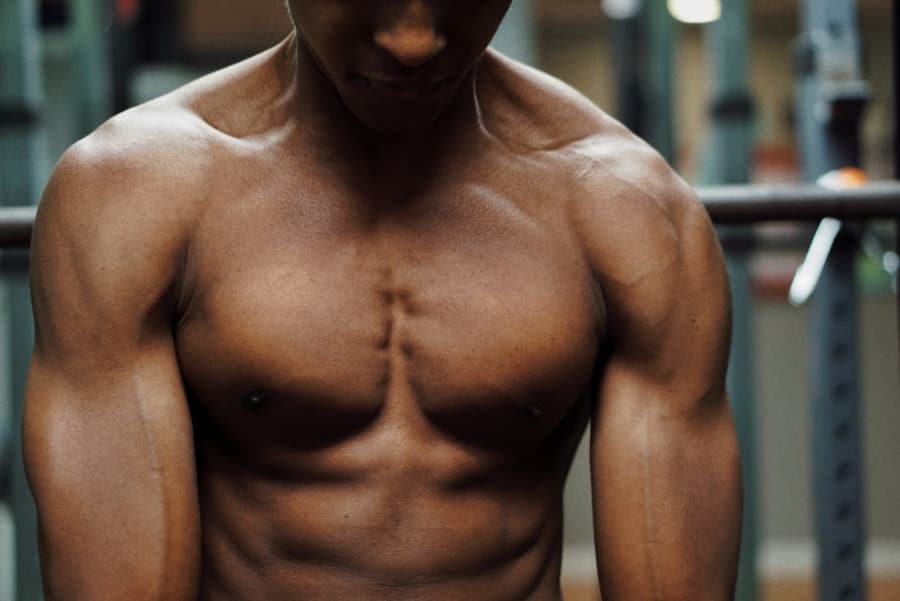
Nutrition plays a pivotal role in achieving the delicate balance of gaining muscle while losing fat. To support muscle growth, you need to provide your body with the right nutrients at the right times. A well-rounded diet rich in whole foods—such as lean proteins, healthy fats, and complex carbohydrates—will supply the necessary building blocks for muscle repair and growth.
You should focus on consuming nutrient-dense foods that fuel your workouts and aid recovery rather than empty calories that offer little nutritional value. In addition to focusing on the quality of your food choices, timing your meals can also be beneficial. Consuming protein-rich meals or snacks around your workout times can enhance muscle recovery and growth.
For instance, having a protein shake or a meal containing both protein and carbohydrates post-workout can help replenish glycogen stores and kickstart the recovery process. By being mindful of what you eat and when you eat it, you can create an optimal environment for both muscle gain and fat loss.
Balancing calorie intake and expenditure for optimal results
Achieving the right balance between calorie intake and expenditure is crucial for anyone looking to gain muscle while losing fat. To lose fat, you generally need to be in a caloric deficit, meaning you consume fewer calories than you burn. However, if your goal is also to gain muscle, this can complicate matters.
You may need to find a sweet spot where you are consuming enough calories to support muscle growth while still maintaining a slight deficit for fat loss. To effectively manage this balance, consider tracking your daily caloric intake and expenditure using apps or journals. This practice will help you understand how many calories you need to consume to meet your goals.
Additionally, pay attention to how your body responds to changes in your diet and exercise routine. If you find that you’re not gaining strength or muscle mass despite being in a caloric deficit, it may be time to adjust your intake or focus on nutrient timing to better support your goals.
Incorporating high-intensity interval training (HIIT) for fat loss
High-intensity interval training (HIIT) has gained popularity as an effective method for burning fat while preserving muscle mass. This form of training involves short bursts of intense exercise followed by brief recovery periods. The beauty of HIIT lies in its efficiency; you can achieve significant fat loss benefits in a shorter amount of time compared to traditional steady-state cardio workouts.
By incorporating HIIT into your routine, you can elevate your heart rate and boost your metabolism, leading to increased calorie burn even after your workout is complete. Moreover, HIIT can complement your resistance training efforts by enhancing cardiovascular fitness without compromising muscle gains. The key is to find a balance between HIIT sessions and resistance training days so that you allow adequate recovery for your muscles.
You might consider scheduling HIIT workouts on days when you’re not lifting weights or incorporating them as part of a circuit training session that includes both resistance exercises and high-intensity intervals.
The significance of adequate protein intake for muscle growth
Calculating Your Daily Protein Intake
Aim for a daily protein intake that aligns with your activity level and goals. Many experts recommend around 1.6 to 2.2 grams of protein per kilogram of body weight for those engaged in regular strength training.
Variety of Protein Sources
Incorporating a variety of protein sources into your diet can also enhance your overall nutrient profile. Lean meats, fish, eggs, dairy products, legumes, nuts, and seeds are all excellent options that provide essential amino acids necessary for muscle repair.
Timing of Protein Intake
Additionally, consider spreading your protein intake throughout the day by including protein-rich foods in each meal and snack. This approach not only supports muscle growth but also helps keep you feeling satiated, which can be beneficial when trying to lose fat.
Utilizing supplements to support muscle gain and fat loss
While whole foods should form the foundation of your nutrition plan, certain supplements can provide additional support for muscle gain and fat loss. Protein powders are among the most popular supplements for those looking to increase their protein intake conveniently. Whether you prefer whey, casein, or plant-based options, protein powders can help you meet your daily requirements without excessive calorie consumption.
Other supplements worth considering include branched-chain amino acids (BCAAs), creatine, and omega-3 fatty acids. BCAAs can aid in muscle recovery and reduce soreness after workouts, while creatine has been shown to enhance strength and power during resistance training sessions. Omega-3 fatty acids can support overall health and may even have anti-inflammatory properties that benefit recovery.
However, it’s essential to approach supplementation with caution; always consult with a healthcare professional before adding new products to your regimen.
The impact of sleep and recovery on muscle building and fat loss
Sleep is often an overlooked aspect of fitness that plays a critical role in both muscle building and fat loss. During sleep, your body undergoes various restorative processes that are essential for recovery from workouts. Growth hormone levels peak during deep sleep stages, promoting muscle repair and growth while also aiding in fat metabolism.
If you’re not getting enough quality sleep each night, you may find it challenging to achieve your fitness goals. In addition to sleep duration, consider the quality of your sleep environment as well. Creating a dark, quiet space free from distractions can help improve sleep quality significantly.
Establishing a consistent sleep schedule by going to bed and waking up at the same time each day can also promote better rest. Prioritizing sleep as part of your overall fitness strategy will not only enhance recovery but also improve mental clarity and motivation during workouts.
Setting realistic goals and tracking progress
Setting realistic goals is crucial when embarking on the journey of gaining muscle while losing fat. It’s essential to have clear objectives that are both achievable and measurable; this will help keep you motivated throughout the process. Instead of focusing solely on the scale or aesthetic changes, consider setting performance-based goals as well—such as increasing the weight you lift or improving your endurance during HIIT sessions.
Tracking your progress is equally important in maintaining motivation and ensuring you’re on the right path toward achieving your goals. You might consider keeping a workout journal or using fitness apps to log your workouts, nutrition intake, and body measurements over time. Regularly reviewing this data will allow you to identify trends in your progress and make necessary adjustments to your routine as needed.
Avoiding common mistakes that hinder muscle gain and fat loss
As you embark on this journey toward gaining muscle while losing fat, it’s essential to be aware of common pitfalls that could hinder your progress. One frequent mistake is underestimating the importance of consistency; sporadic workouts or inconsistent nutrition habits can derail even the best-laid plans. Establishing a routine that incorporates regular exercise and balanced meals will set the foundation for success.
Another common error is neglecting recovery time between workouts. Overtraining can lead to fatigue and increased risk of injury, ultimately slowing down progress toward both muscle gain and fat loss goals. Be sure to listen to your body; if you’re feeling overly fatigued or sore, consider taking an extra rest day or incorporating active recovery sessions into your routine.
Seeking professional guidance for personalized advice and support
Finally, seeking professional guidance can be invaluable when navigating the complexities of gaining muscle while losing fat. A certified personal trainer or registered dietitian can provide personalized advice tailored specifically to your needs and goals. They can help design an effective workout program that aligns with your fitness level while also offering nutritional guidance that supports optimal performance.
Working with professionals not only provides accountability but also ensures that you’re utilizing safe and effective methods for achieving results. Whether you’re just starting out or looking to break through plateaus in your progress, having expert support can make all the difference in reaching your fitness aspirations successfully. In conclusion, gaining muscle while losing fat is an achievable goal with the right approach encompassing resistance training, nutrition, calorie management, HIIT workouts, adequate protein intake, supplementation when necessary, proper sleep hygiene, realistic goal-setting, awareness of common mistakes, and professional guidance when needed.
By integrating these elements into your lifestyle consistently over time, you’ll be well on your way to transforming your body composition for improved health and fitness outcomes.
If you are looking to gain muscle while losing fat, you may want to check out this article on a 7-day muscle gain diet plan here. This article provides a comprehensive guide on how to structure your meals to support muscle growth while also shedding excess body fat. Additionally, incorporating a muscle-building breakfast into your routine can help kickstart your metabolism and fuel your workouts. Learn more about the importance of a muscle-building breakfast here. And for women looking to build muscle, this article offers valuable insights and tips on how to effectively incorporate strength training into your fitness routine. Check out the article on muscle building for women here.
FAQs
What is the process of gaining muscle while losing fat?
The process of gaining muscle while losing fat, also known as body recomposition, involves a combination of resistance training, cardiovascular exercise, and a balanced diet. This process requires a caloric deficit to lose fat and sufficient protein intake to support muscle growth.
Is it possible to gain muscle while losing fat?
Yes, it is possible to gain muscle while losing fat through a combination of resistance training, cardiovascular exercise, and a balanced diet. This process is known as body recomposition and requires careful attention to nutrition and exercise.
What are the key factors in gaining muscle while losing fat?
The key factors in gaining muscle while losing fat include resistance training to stimulate muscle growth, cardiovascular exercise to support fat loss, a balanced diet with sufficient protein intake, and adequate rest and recovery.
How does nutrition play a role in gaining muscle while losing fat?
Nutrition plays a crucial role in gaining muscle while losing fat. A balanced diet with sufficient protein intake supports muscle growth, while a caloric deficit is necessary for fat loss. It is important to prioritize nutrient-dense foods and monitor overall caloric intake.
What are some effective exercises for gaining muscle while losing fat?
Effective exercises for gaining muscle while losing fat include compound movements such as squats, deadlifts, bench presses, and rows, as well as isolation exercises targeting specific muscle groups. Additionally, incorporating cardiovascular exercises such as running, cycling, or HIIT can support fat loss.
How long does it take to see results from gaining muscle while losing fat?
The timeline for seeing results from gaining muscle while losing fat varies for each individual and depends on factors such as starting body composition, training intensity, and nutrition. Generally, noticeable changes can be seen within a few weeks to a few months with consistent effort.