When you embark on a journey to build muscle, the importance of a well-structured food plan cannot be overstated. You may find yourself spending countless hours in the gym, pushing your limits and striving for that ideal physique. However, without the right nutrition, all that hard work can go to waste.
A gain muscle food plan is not just about eating more; it’s about eating smart. This plan should be tailored to your individual needs, taking into account your body type, activity level, and specific fitness goals. As you delve into the world of muscle building, you will discover that nutrition plays a pivotal role in your success.
It’s not merely a matter of consuming protein shakes or loading up on calories; it’s about understanding how different foods contribute to muscle growth and recovery. By following a structured food plan, you can optimize your performance in the gym and ensure that your body has the necessary nutrients to repair and grow stronger after each workout.
Key Takeaways
- A well-balanced nutrition plan is essential for gaining muscle mass and strength.
- Protein, carbohydrates, and healthy fats are the key macronutrients needed for muscle growth.
- Protein-rich foods such as chicken, eggs, and Greek yogurt are crucial for muscle building and repair.
- Carbohydrates are important for providing energy and aiding in muscle recovery after workouts.
- Adequate hydration and proper timing of meals, including pre- and post-workout nutrition, are crucial for muscle development.
Importance of Nutrition for Building Muscle
Nutrition is the foundation upon which your muscle-building efforts are built. You might be surprised to learn that muscle growth occurs primarily during recovery, not during the actual workout. This means that what you eat before and after your training sessions is crucial for maximizing your gains.
Proper nutrition provides your body with the essential building blocks it needs to repair muscle fibers that are broken down during exercise. Without adequate nutrition, you may find it challenging to achieve your desired results. Moreover, a well-balanced diet can enhance your overall performance in the gym.
When you fuel your body with the right nutrients, you will likely experience increased energy levels, improved endurance, and better focus during workouts. This can lead to more effective training sessions and ultimately greater muscle growth. By prioritizing nutrition, you are setting yourself up for success in your fitness journey.
Macronutrients for Muscle Growth
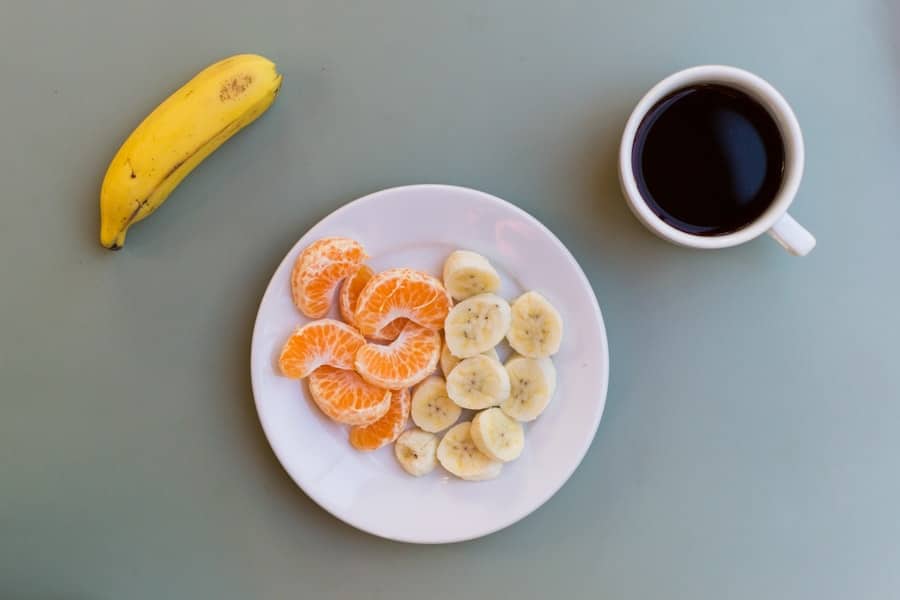
To effectively build muscle, you need to understand the role of macronutrients: proteins, carbohydrates, and fats. Each of these macronutrients plays a unique role in supporting muscle growth and overall health. As you develop your gain muscle food plan, it’s essential to strike a balance between these three components to ensure optimal results.
Proteins are often regarded as the most critical macronutrient for muscle building. They provide the amino acids necessary for repairing and growing muscle tissue. Carbohydrates serve as the primary source of energy for your workouts, fueling your performance and aiding in recovery.
Healthy fats are also important, as they support hormone production and overall cellular health. By incorporating a variety of foods rich in these macronutrients into your diet, you can create a well-rounded approach to muscle building.
Protein-Rich Foods for Muscle Building
When it comes to protein-rich foods, you have a plethora of options at your disposal. Lean meats such as chicken, turkey, and beef are excellent sources of high-quality protein that can help you meet your daily requirements. Fish, particularly fatty varieties like salmon and tuna, not only provide protein but also offer healthy omega-3 fatty acids that can support muscle recovery.
Plant-based protein sources are also worth considering if you prefer a vegetarian or vegan diet. Foods like lentils, chickpeas, quinoa, and tofu can provide substantial amounts of protein while also offering additional nutrients. Incorporating a variety of protein sources into your meals will not only keep your diet interesting but also ensure that you receive a wide range of amino acids necessary for muscle growth.
Carbohydrates for Energy and Muscle Recovery
Carbohydrates often get a bad rap in the fitness community, but they are essential for anyone looking to build muscle. As you engage in intense workouts, your body relies on carbohydrates as its primary source of energy. Consuming an adequate amount of carbs before and after your workouts can help replenish glycogen stores in your muscles, allowing you to perform at your best.
In addition to providing energy, carbohydrates play a vital role in recovery. After a workout, your muscles need glycogen to repair and grow stronger. Including complex carbohydrates such as whole grains, fruits, and vegetables in your diet will not only provide sustained energy but also supply essential vitamins and minerals that support overall health.
By prioritizing carbohydrates in your gain muscle food plan, you can enhance both your performance and recovery.
Healthy Fats for Muscle Development

Healthy Fat Sources
Incorporating healthy fats into your diet can be easy and delicious. Avocados, nuts, seeds, and olive oil are all excellent sources of healthy fats that can be easily added to your meals. These fats provide energy and contribute to feelings of fullness and satisfaction after eating.
The Benefits of Healthy Fats
Including healthy fats in moderation as part of your muscle-building diet can have numerous benefits. Not only do they support overall health, but they also help to create an environment that is conducive to muscle growth. By making healthy fats a part of your diet, you can optimize your hormonal balance and support your muscle-building goals.
Conclusion
In conclusion, healthy fats are an essential component of any muscle-building plan. By incorporating sources of healthy fats into your diet, you can support hormone production, optimize your hormonal balance, and create an environment that fosters muscle growth.
Timing and Frequency of Meals for Muscle Gain
The timing and frequency of your meals can significantly impact your muscle-building efforts. You may have heard the phrase “eat small meals frequently,” which suggests that consuming multiple smaller meals throughout the day can help maintain energy levels and support muscle growth. While this approach works for many people, it’s essential to find a meal frequency that suits your lifestyle and preferences.
Eating every three to four hours can help ensure that your body has a steady supply of nutrients throughout the day. This is particularly important for those engaged in intense training regimens. Additionally, paying attention to meal timing around workouts can further enhance your results.
Consuming a balanced meal or snack containing protein and carbohydrates before and after exercise can optimize performance and recovery.
Pre- and Post-Workout Nutrition for Muscle Building
Pre- and post-workout nutrition is crucial for maximizing your muscle-building potential. Before hitting the gym, it’s important to fuel your body with the right nutrients to ensure optimal performance during your workout. A meal or snack rich in carbohydrates and moderate in protein consumed about 30 minutes to an hour before exercising can provide the energy needed for an effective session.
After your workout, your body enters a critical recovery phase where it needs nutrients to repair damaged muscles and replenish glycogen stores. Consuming a post-workout meal or shake containing both protein and carbohydrates within 30 minutes of finishing your workout can significantly enhance recovery. This combination helps kickstart the muscle repair process and prepares you for future training sessions.
Hydration and its Role in Muscle Growth
Hydration is often overlooked when discussing nutrition for muscle growth, yet it plays a vital role in overall performance and recovery. Your muscles are composed largely of water, so staying hydrated is essential for maintaining optimal function during workouts. Dehydration can lead to decreased strength, endurance, and overall performance—factors that can hinder your progress toward building muscle.
To ensure proper hydration, aim to drink water consistently throughout the day rather than waiting until you feel thirsty. During intense workouts or hot weather conditions, consider replenishing electrolytes lost through sweat by consuming sports drinks or electrolyte-rich foods like bananas or coconut water. By prioritizing hydration as part of your gain muscle food plan, you will support both performance and recovery.
Supplements to Support Muscle Development
While whole foods should form the foundation of your nutrition plan, certain supplements can complement your efforts in building muscle. Protein powders are among the most popular supplements used by those looking to increase their protein intake conveniently. Whey protein is particularly effective due to its high biological value and rapid absorption rate.
Other supplements worth considering include creatine monohydrate, which has been shown to enhance strength and power output during high-intensity training sessions. Branched-chain amino acids (BCAAs) may also aid in reducing muscle soreness and promoting recovery when taken before or after workouts. However, it’s essential to remember that supplements should not replace whole foods but rather serve as an addition to an already balanced diet.
Sample Meal Plan for Building Muscle
Creating a sample meal plan can help you visualize how to incorporate all these elements into your daily routine effectively. For breakfast, consider oatmeal topped with berries and a scoop of protein powder or Greek yogurt with honey and nuts for added protein and healthy fats. For lunch, grilled chicken breast with quinoa and steamed broccoli provides a balanced mix of protein, carbs, and fiber.
As an afternoon snack, opt for a smoothie made with spinach, banana, almond milk, and protein powder to keep energy levels up before hitting the gym. Dinner could consist of baked salmon with sweet potatoes and asparagus—offering healthy fats along with complex carbohydrates and fiber. Finally, don’t forget about post-workout nutrition; a protein shake with a banana or a turkey sandwich on whole-grain bread can help kickstart recovery after an intense session.
By following this comprehensive guide on nutrition for building muscle, you will be well-equipped to create a personalized gain muscle food plan that aligns with your goals. Remember that consistency is key; by prioritizing nutrition alongside your training regimen, you will set yourself up for success on your journey toward achieving the physique you desire.
If you are looking to gain muscle and lose fat, you may want to check out this article on how to build muscle but lose fat. This article provides valuable tips and strategies for achieving both goals simultaneously. By following a proper food plan and workout routine, you can effectively build muscle while shedding excess body fat. It’s important to focus on consuming the right nutrients and maintaining a calorie surplus to support muscle growth while also incorporating cardio and strength training exercises to burn fat. For those over 50 who are looking to build muscle, there is also a helpful article on building muscle after 50 that provides tailored advice for older individuals looking to increase muscle mass.
FAQs
What is a gain muscle food plan?
A gain muscle food plan is a structured diet that focuses on providing the necessary nutrients and calories to support muscle growth and recovery. It typically includes a balance of protein, carbohydrates, and healthy fats to fuel workouts and promote muscle repair and growth.
What are the key components of a gain muscle food plan?
The key components of a gain muscle food plan include a high intake of protein to support muscle repair and growth, complex carbohydrates to fuel workouts and replenish glycogen stores, and healthy fats to support hormone production and overall health. It also includes a variety of fruits and vegetables to provide essential vitamins and minerals.
What are some examples of foods included in a gain muscle food plan?
Foods included in a gain muscle food plan may include lean sources of protein such as chicken, turkey, fish, eggs, and dairy products. Complex carbohydrates like brown rice, quinoa, sweet potatoes, and whole grain bread are also included, along with healthy fats from sources like avocados, nuts, seeds, and olive oil.
How does a gain muscle food plan support muscle growth?
A gain muscle food plan supports muscle growth by providing the necessary nutrients and calories to fuel workouts, promote muscle repair, and support overall recovery. Adequate protein intake is essential for muscle repair and growth, while carbohydrates provide energy for workouts and replenish glycogen stores. Healthy fats support hormone production and overall health.
Is a gain muscle food plan suitable for everyone?
A gain muscle food plan may not be suitable for everyone, especially those with certain medical conditions or dietary restrictions. It is important to consult with a healthcare professional or registered dietitian before starting any new diet plan, especially if you have underlying health concerns or specific dietary needs.