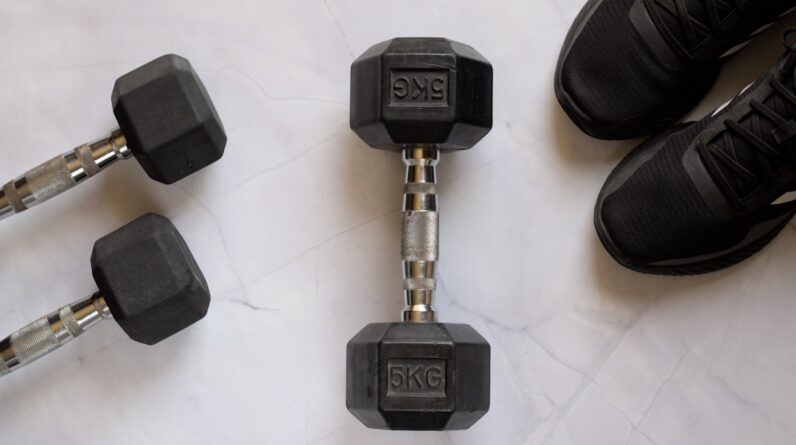
To embark on your journey toward muscle gain, it’s essential to grasp the fundamental principles that govern how muscles grow. Muscle gain, or hypertrophy, occurs when muscle fibers undergo stress and subsequently repair themselves, resulting in increased size and strength. This process is primarily stimulated through resistance training, which creates micro-tears in the muscle fibers.
When you provide your body with adequate nutrition and rest, it repairs these fibers, making them thicker and stronger. Understanding this cycle is crucial as it lays the groundwork for your training and nutrition strategies. Moreover, muscle gain is not solely about lifting weights; it involves a comprehensive approach that includes exercise, nutrition, and recovery.
You need to recognize that your body requires a caloric surplus to build muscle effectively. This means consuming more calories than you burn, which provides the energy necessary for muscle repair and growth. Additionally, the types of nutrients you consume play a significant role in this process.
Proteins, carbohydrates, and fats all contribute to muscle development in different ways, making it vital to understand their functions in your diet.
Key Takeaways
- Muscle gain is achieved through a combination of resistance training, proper nutrition, and adequate rest and recovery.
- Setting realistic goals for muscle gain is important to avoid frustration and maintain motivation.
- An effective exercise plan for muscle gain should include a variety of compound exercises and progressive overload.
- Incorporating resistance training into your workout routine is essential for building muscle mass and strength.
- Proper nutrition, rest, and recovery are crucial for supporting muscle growth and progress.
Setting Realistic Goals for Muscle Gain
Assessing Your Current Fitness Level
Setting realistic goals is a crucial step in your muscle gain journey. It’s easy to get caught up in the excitement of transformation and set overly ambitious targets. However, establishing achievable goals will keep you motivated and focused. Start by assessing your current fitness level and determining how much muscle you realistically can gain within a specific timeframe.
Setting Weight-Based and Performance-Based Goals
For instance, a common guideline is that beginners can expect to gain about 1-2 pounds of muscle per month, while more experienced lifters may see slower progress. In addition to setting weight-based goals, consider incorporating performance-based objectives into your plan. For example, aim to increase the weight you lift or the number of repetitions you can perform over time.
The Importance of Patience and Consistency
This approach not only helps you track your progress but also keeps your workouts engaging. Remember that muscle gain is a gradual process; patience and consistency are key. By setting realistic goals, you’ll create a sustainable path toward achieving the physique you desire.
Designing an Effective Exercise Plan for Muscle Gain
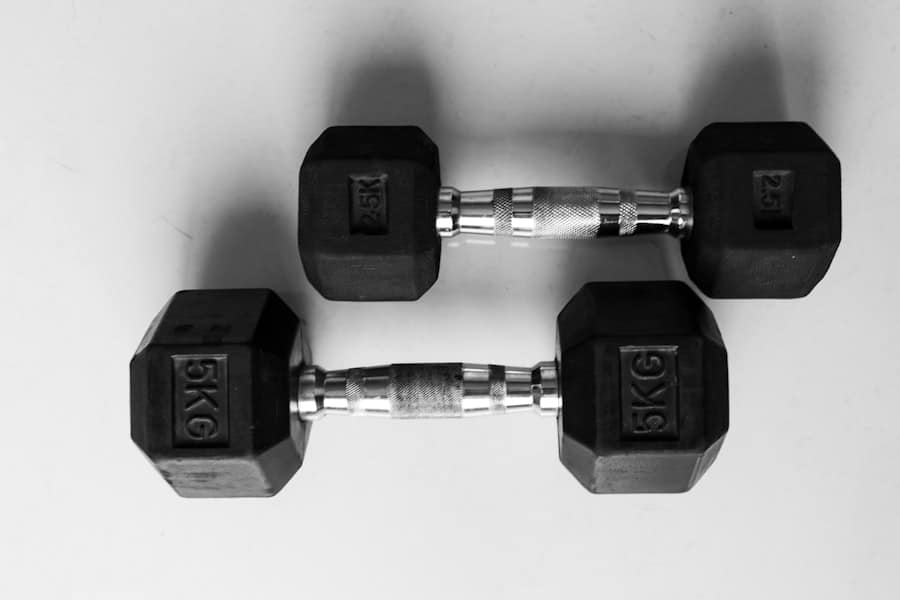
An effective exercise plan is the backbone of any successful muscle gain strategy. Your plan should be well-rounded, incorporating various types of exercises that target all major muscle groups. A balanced routine typically includes compound movements, isolation exercises, and a mix of different training modalities such as strength training and hypertrophy-focused workouts.
This variety not only helps prevent boredom but also ensures that you’re stimulating your muscles from multiple angles. When designing your exercise plan, consider how often you can realistically commit to working out each week. Most experts recommend training each muscle group at least twice a week for optimal growth.
This frequency allows for sufficient stimulus while also providing adequate recovery time between sessions. Additionally, be sure to include warm-up and cool-down routines in your plan to prevent injuries and promote flexibility. By thoughtfully crafting your exercise regimen, you’ll set yourself up for success in your muscle gain journey.
Incorporating Resistance Training into Your Workout Routine
Resistance training is the cornerstone of any effective muscle gain program. This type of training involves using weights or resistance bands to create tension in your muscles, prompting them to adapt and grow stronger over time. You can incorporate resistance training into your routine through various methods, including free weights, machines, or bodyweight exercises.
Each method has its benefits, so it’s essential to find what works best for you and keeps you engaged. As you integrate resistance training into your workouts, focus on mastering proper form and technique before increasing weights or intensity. This approach not only maximizes your results but also minimizes the risk of injury.
Additionally, consider varying your exercises regularly to challenge your muscles in new ways and prevent plateaus. By consistently incorporating resistance training into your routine, you’ll create a solid foundation for muscle growth.
The Importance of Progressive Overload for Muscle Growth
Progressive overload is a fundamental principle that underpins muscle growth. It refers to the gradual increase of stress placed on your muscles during workouts over time. To achieve this, you can manipulate various factors such as weight lifted, number of repetitions, sets performed, or even the tempo of your exercises.
By consistently challenging your muscles with increased demands, you stimulate further growth and adaptation. Implementing progressive overload doesn’t have to be overwhelming; small adjustments can lead to significant results over time. For instance, if you’re currently lifting 50 pounds for 10 repetitions, aim to increase the weight by just 5 pounds or add an extra repetition in your next workout.
These incremental changes will keep your muscles engaged and promote continuous growth. Remember that progressive overload is not just about lifting heavier weights; it’s about finding ways to challenge yourself consistently.
Choosing the Right Repetition and Set Range for Muscle Gain

The repetition and set range you choose can significantly impact your muscle gain results. Generally speaking, lower repetitions (around 1-6) with heavier weights are associated with strength gains, while moderate repetitions (6-12) are often linked to hypertrophy or muscle growth. Higher repetitions (12-20) with lighter weights can improve muscular endurance but may not be as effective for building mass.
Understanding these ranges will help you tailor your workouts to align with your specific goals. When designing your workout routine, consider incorporating a mix of these repetition ranges to maximize overall development. For example, you might focus on lower reps for compound lifts like squats and deadlifts while using moderate reps for isolation exercises such as bicep curls or tricep extensions.
This balanced approach allows you to build strength while also promoting hypertrophy across different muscle groups.
Incorporating Compound Exercises for Maximum Muscle Activation
Compound exercises are essential for maximizing muscle activation and promoting overall growth. These movements engage multiple joints and muscle groups simultaneously, making them highly efficient for building strength and mass. Examples include squats, deadlifts, bench presses, and pull-ups.
By incorporating compound exercises into your routine, you’ll not only work more muscles at once but also stimulate the release of hormones like testosterone and growth hormone that are crucial for muscle development. In addition to their efficiency, compound exercises often allow you to lift heavier weights compared to isolation exercises. This increased load contributes to greater overall stress on your muscles, further enhancing growth potential.
Aim to prioritize compound movements in your workouts while complementing them with isolation exercises that target specific muscles for balanced development.
Understanding the Role of Rest and Recovery in Muscle Growth
Rest and recovery are often overlooked aspects of muscle gain but are just as important as training itself. When you work out, you create micro-tears in your muscles; it’s during rest that these tears heal and lead to growth. Without adequate recovery time, you risk overtraining, which can hinder progress and lead to injuries or burnout.
Therefore, it’s crucial to incorporate rest days into your routine and listen to your body’s signals. In addition to taking rest days, consider implementing active recovery strategies such as light cardio or stretching on off days to promote blood flow and aid recovery without placing additional stress on your muscles. Quality sleep is another critical component; aim for 7-9 hours per night to support optimal recovery processes.
By prioritizing rest and recovery in your muscle gain plan, you’ll set yourself up for long-term success.
Incorporating Proper Nutrition for Muscle Gain
Nutrition plays a vital role in supporting your muscle gain efforts. To effectively build muscle, you need to consume a balanced diet rich in macronutrients—proteins, carbohydrates, and fats—as well as micronutrients from fruits and vegetables. Protein is particularly important as it provides the building blocks (amino acids) necessary for muscle repair and growth.
Aim for a daily protein intake of around 1.6-2.2 grams per kilogram of body weight to optimize gains. Carbohydrates are equally essential as they provide the energy needed for intense workouts and recovery afterward. Incorporate complex carbohydrates such as whole grains, fruits, and vegetables into your meals to fuel your workouts effectively.
Healthy fats should not be neglected either; they support hormone production and overall health. By focusing on a well-rounded diet tailored to your needs, you’ll create an environment conducive to muscle growth.
Tracking Your Progress and Making Adjustments to Your Exercise Plan
Tracking your progress is crucial for staying on course with your muscle gain goals. Keeping a workout journal or using fitness apps can help you monitor various metrics such as weights lifted, repetitions completed, and body measurements over time. Regularly assessing these factors allows you to identify trends in your progress and make informed adjustments to your exercise plan as needed.
If you find that progress has stalled or plateaued, don’t hesitate to modify your routine by changing exercises, adjusting sets and repetitions, or increasing weights lifted. Additionally, consider evaluating other factors such as nutrition or recovery practices that may be impacting your results. By actively tracking progress and making necessary adjustments along the way, you’ll ensure continued growth on your journey toward building muscle.
Staying Motivated and Consistent with Your Muscle Gain Exercise Plan
Staying motivated throughout your muscle gain journey can be challenging at times; however, there are several strategies you can employ to maintain consistency in your exercise plan. First and foremost, remind yourself of why you started this journey in the first place—whether it’s improving strength, enhancing aesthetics, or boosting overall health—and keep those reasons at the forefront of your mind. Setting short-term milestones along with long-term goals can also help maintain motivation levels high throughout the process.
Celebrate small victories such as lifting heavier weights or achieving personal bests in workouts; these moments will reinforce positive habits and keep you engaged in the journey ahead. Surrounding yourself with supportive friends or joining fitness communities can provide additional encouragement when motivation wanes. By understanding the basics of muscle gain and implementing effective strategies across various aspects—goal setting, exercise planning, nutrition management—you’ll create a solid foundation for achieving lasting results in building muscle mass over time!
If you are looking to gain muscle, it is important to have a well-structured exercise plan in place. One article that provides valuable information on building muscle after the age of 50 can be found here. Additionally, women looking to build muscle can benefit from the tips and advice shared in the article here. For those seeking to see muscle gain in a shorter period of time, the article 0 ){ var maf_after_1st_p_data = maf_decode_string(''); var maf_after_2nd_p_data = maf_decode_string(''); var maf_after_3rd_p_data = maf_decode_string(''); var maf_after_4th_p_data = maf_decode_string(''); var maf_after_5th_p_data = maf_decode_string(''); var maf_after_6th_p_data = maf_decode_string(''); var maf_after_7th_p_data = maf_decode_string(''); var maf_after_8th_p_data = maf_decode_string(''); var maf_after_9th_p_data = maf_decode_string(''); var maf_after_10th_p_data = maf_decode_string(''); var maf_after_every_p_data = maf_decode_string(''); var maf_after_last_p_data = maf_decode_string(''); } $(document).ready(function(){ if(maf_header_data.trim() !== ''){ $($('header')[0]).append(maf_header_data); } if(maf_below_header_data.trim() !== ''){ $($('header')[0]).after(maf_below_header_data); } if(maf_above_header_data.trim() !== ''){ $($('header')[0]).before(maf_above_header_data); } if(maf_footer_data.trim() !== ''){ $($('footer')[0]).append(maf_footer_data); } if(maf_after_footer_data.trim() !== ''){ $($('footer')[0]).after(maf_after_footer_data); } if(maf_above_footer_data.trim() !== ''){ $($('footer')[0]).before(maf_above_footer_data); } if(maf_above_post_title_data.trim() !== ''){ $($('.entry-title')[0]).before(maf_above_post_title_data); } if(maf_below_post_title_data.trim() !== ''){ $($('.entry-title')[0]).after(maf_below_post_title_data); } if(typeof $(all_p)[0] !== typeof undefined && maf_after_1st_p_data.trim() !== ''){ $($(all_p)[0]).append(maf_after_1st_p_data); } if(typeof $(all_p)[1] !== typeof undefined && maf_after_2nd_p_data.trim() !== ''){ $($(all_p)[1]).append(maf_after_2nd_p_data); } if(typeof $(all_p)[2] !== typeof undefined && maf_after_3rd_p_data.trim() !== ''){ $($(all_p)[2]).append(maf_after_3rd_p_data); } if(typeof $(all_p)[3] !== typeof undefined && maf_after_4th_p_data.trim() !== ''){ $($(all_p)[3]).append(maf_after_4th_p_data); } if(typeof $(all_p)[4] !== typeof undefined && maf_after_5th_p_data.trim() !== ''){ $($(all_p)[4]).append(maf_after_5th_p_data); } if(typeof $(all_p)[5] !== typeof undefined && maf_after_6th_p_data.trim() !== ''){ $($(all_p)[5]).append(maf_after_6th_p_data); } if(typeof $(all_p)[6] !== typeof undefined && maf_after_7th_p_data.trim() !== ''){ $($(all_p)[6]).append(maf_after_7th_p_data); } if(typeof $(all_p)[7] !== typeof undefined && maf_after_8th_p_data.trim() !== ''){ $($(all_p)[7]).append(maf_after_8th_p_data); } if(typeof $(all_p)[8] !== typeof undefined && maf_after_9th_p_data.trim() !== ''){ $($(all_p)[8]).append(maf_after_9th_p_data); } if(typeof $(all_p)[9] !== typeof undefined && maf_after_10th_p_data.trim() !== ''){ $($(all_p)[9]).append(maf_after_10th_p_data); } $(all_p).each(function(i,v){ if(maf_after_every_p_data.trim() !== ''){ $(v).append(maf_after_every_p_data); } }); if(typeof $(all_p).last() !== typeof undefined && typeof maf_after_last_p_data !== typeof undefined && maf_after_last_p_data.trim() !== ''){ $($(all_p).last()[0]).append(maf_after_last_p_data); } }); function maf_decode_string(str){ str = str.replace('\'',"'"); str = str.replace('\"','"'); return str; }