
Nutrition is the cornerstone of any fitness journey, and understanding its importance is crucial for achieving your goals. When you think about nutrition, consider it as the fuel that powers your body. Just as a car requires high-quality fuel to run efficiently, your body needs the right nutrients to function optimally.
A well-balanced diet not only supports your physical activities but also enhances your mental clarity and emotional well-being. By prioritizing nutrition, you set the stage for success in both muscle gain and fat loss. Moreover, the impact of nutrition extends beyond just physical appearance.
It influences your energy levels, recovery times, and overall health. When you consume a diet rich in whole foods—fruits, vegetables, lean proteins, and healthy fats—you provide your body with essential vitamins and minerals that promote optimal functioning. This means you’ll feel more energized during workouts, recover faster afterward, and maintain a healthier immune system.
Understanding the importance of nutrition empowers you to make informed choices that align with your fitness aspirations.
Key Takeaways
- Proper nutrition is essential for muscle gain and fat loss
- Resistance training is crucial for building muscle
- Cardio is important for fat loss and overall cardiovascular health
- Balancing macronutrients is key for both muscle gain and fat loss
- Rest and recovery are vital for muscle growth and overall well-being
The Role of Resistance Training in Building Muscle
Resistance training is a fundamental component of any effective muscle-building program. When you engage in resistance exercises, you create micro-tears in your muscle fibers. This process may sound daunting, but it’s essential for muscle growth.
Your body responds to these micro-tears by repairing and rebuilding the muscle tissue, making it stronger and larger over time. By incorporating resistance training into your routine, you stimulate muscle hypertrophy, which is the increase in muscle size. Additionally, resistance training offers numerous benefits beyond just building muscle.
It enhances your metabolic rate, meaning you’ll burn more calories even at rest. This can be particularly advantageous if you’re also aiming for fat loss. Furthermore, resistance training improves bone density, increases functional strength, and boosts overall athletic performance.
By committing to a consistent resistance training regimen, you not only work towards your muscle gain goals but also cultivate a stronger, healthier body.
Incorporating Cardio for Fat Loss
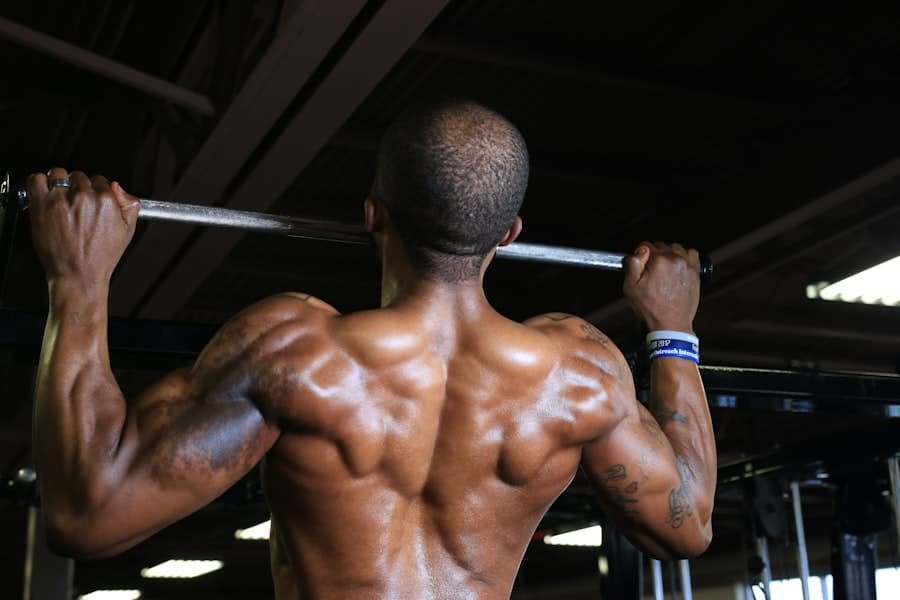
While resistance training is vital for building muscle, incorporating cardiovascular exercise into your routine is equally important for fat loss. Cardio workouts elevate your heart rate and increase calorie expenditure, which can help create the caloric deficit necessary for shedding unwanted fat. Whether you prefer running, cycling, swimming, or group fitness classes, finding a form of cardio that you enjoy will make it easier to stick with it long-term.
Moreover, cardio has additional benefits that complement your overall fitness journey. It improves cardiovascular health, enhances lung capacity, and boosts endurance. When you engage in regular cardiovascular exercise, you may also experience improved mood and reduced stress levels due to the release of endorphins.
By striking a balance between resistance training and cardio, you can effectively work towards both muscle gain and fat loss while enjoying the myriad of health benefits that come with an active lifestyle.
Balancing Macronutrients for Muscle Gain and Fat Loss
Achieving your fitness goals requires a careful balance of macronutrients: carbohydrates, proteins, and fats. Each macronutrient plays a unique role in your body’s functioning and should be consumed in appropriate proportions based on your specific goals. For muscle gain, protein is particularly crucial as it provides the building blocks necessary for muscle repair and growth.
Aim to include high-quality protein sources such as lean meats, fish, eggs, legumes, and dairy in your diet. On the other hand, if fat loss is also a goal, managing your carbohydrate intake becomes essential. Carbohydrates are an important energy source, especially during workouts; however, consuming them in excess can hinder fat loss efforts.
Focus on complex carbohydrates like whole grains and vegetables that provide sustained energy without causing spikes in blood sugar levels. Healthy fats should not be neglected either; they support hormone production and overall health. Striking the right balance among these macronutrients will help you optimize both muscle gain and fat loss.
The Importance of Rest and Recovery
Rest and recovery are often overlooked aspects of fitness but are vital for achieving optimal results. When you push your body through intense workouts, it’s essential to allow time for recovery to prevent overtraining and injury. During rest periods, your muscles repair themselves and grow stronger.
Without adequate recovery time, you may find yourself feeling fatigued or experiencing diminished performance in subsequent workouts. Incorporating rest days into your routine is just as important as the workouts themselves. This doesn’t mean you have to be completely inactive; light activities such as walking or yoga can promote blood flow and aid recovery without putting additional strain on your muscles.
Additionally, prioritizing sleep is crucial for recovery as it allows your body to repair tissues and regulate hormones that influence appetite and metabolism. By valuing rest and recovery as integral components of your fitness journey, you’ll set yourself up for long-term success.
Tracking Progress and Adjusting as Needed

Seeing Progress, Staying Motivated
Having a clear picture of your progress can be a powerful motivator. By tracking your workouts, nutrition, and body composition, you can see how far you’ve come, which can help you stay motivated and driven to continue making progress.
Being Flexible and Adaptable
However, it’s important to remember that tracking progress isn’t just about recording numbers; it’s also about being flexible and willing to adjust your approach as needed. If you find that certain strategies aren’t yielding the desired results, don’t hesitate to reassess your routine or dietary choices.
Fine-Tuning Your Efforts
This adaptability will enable you to fine-tune your efforts and continue moving toward your goals effectively. By being open to change and willing to make adjustments, you can ensure that you’re always moving in the right direction and making progress toward your fitness goals.
Avoiding Excessive Caloric Surpluses
When it comes to building muscle or losing fat, managing caloric intake is crucial. While a caloric surplus is necessary for muscle gain—meaning you consume more calories than you burn—excessive surpluses can lead to unwanted fat gain. It’s essential to strike a balance where you’re providing enough energy for muscle growth without overindulging to the point where fat accumulation occurs.
To avoid excessive caloric surpluses, focus on consuming nutrient-dense foods that provide ample vitamins and minerals without excessive calories. This means prioritizing whole foods over processed options that are often high in empty calories. Additionally, monitoring portion sizes can help ensure that you’re not inadvertently consuming more than necessary.
By being mindful of your caloric intake while still allowing for muscle growth, you can achieve a leaner physique without sacrificing progress.
Utilizing Supplements for Muscle Gain
While whole foods should always be the foundation of your nutrition plan, certain supplements can complement your efforts in building muscle. Protein powders are among the most popular supplements used by those looking to increase their protein intake conveniently. They can be particularly beneficial post-workout when your muscles are primed for nutrient absorption.
Other supplements worth considering include creatine, which has been shown to enhance strength and power during high-intensity workouts; branched-chain amino acids (BCAAs), which may aid in muscle recovery; and omega-3 fatty acids for their anti-inflammatory properties. However, it’s important to approach supplementation with caution—always consult with a healthcare professional before adding new products to your regimen to ensure they align with your individual needs.
Managing Stress and Cortisol Levels
Stress management is an often-overlooked aspect of fitness that can significantly impact your progress. When you experience stress—whether from work, personal life, or other factors—your body releases cortisol, a hormone that can hinder muscle growth and promote fat storage if levels remain elevated over time. Therefore, finding effective ways to manage stress is essential for maintaining hormonal balance and supporting your fitness goals.
Incorporating relaxation techniques such as meditation, deep breathing exercises, or yoga into your routine can help mitigate stress levels. Additionally, engaging in hobbies or activities that bring you joy can serve as a healthy outlet for stress relief. By prioritizing stress management alongside your physical training efforts, you create an environment conducive to achieving both muscle gain and fat loss.
Setting Realistic Goals and Expectations
Setting realistic goals is fundamental to maintaining motivation throughout your fitness journey. While it’s great to aim high and challenge yourself, having unattainable expectations can lead to frustration and disappointment if progress doesn’t happen as quickly as desired. Instead of focusing solely on end results like weight loss or muscle gain numbers, consider setting smaller milestones along the way that celebrate incremental achievements.
For instance, aim to increase the weight you lift each week or commit to completing a certain number of workouts per month. These smaller goals will not only keep you motivated but also provide a sense of accomplishment as you work toward larger objectives. Remember that fitness is a journey; embracing the process rather than fixating solely on outcomes will lead to greater satisfaction in the long run.
Seeking Professional Guidance and Support
Finally, seeking professional guidance can be invaluable on your fitness journey. Whether it’s hiring a personal trainer who can tailor a program specifically for you or consulting with a registered dietitian who can help optimize your nutrition plan, professional support can provide the expertise needed to navigate challenges effectively. Additionally, surrounding yourself with a supportive community—whether through workout groups or online forums—can foster accountability and encouragement as you pursue your goals.
Remember that everyone’s journey is unique; having access to knowledgeable resources will empower you to make informed decisions that align with your individual needs and aspirations. In conclusion, understanding the multifaceted aspects of fitness—from nutrition to rest—will equip you with the tools necessary for success in both muscle gain and fat loss endeavors. By embracing these principles and remaining adaptable along the way, you’ll be well on your way to achieving lasting results while enjoying the process.
If you are looking to gain muscle but not lose fat, it is important to focus on both your workout routine and diet. A helpful article on how to build muscle for women can provide valuable tips and insights on the best exercises and nutrition strategies to achieve your goals. Additionally, understanding the importance of stress management and cortisol levels, as discussed in another related article, can also play a significant role in optimizing your muscle-building efforts. Check out these resources here and here to learn more about how to effectively gain muscle while maintaining a healthy body composition.
FAQs
What is the best way to gain muscle without losing fat?
To gain muscle without losing fat, it is important to focus on a combination of resistance training and a balanced diet. This means consuming enough calories to support muscle growth while also maintaining a caloric deficit to promote fat loss.
Is it possible to gain muscle and lose fat at the same time?
Yes, it is possible to gain muscle and lose fat simultaneously, especially for beginners or those returning to training after a break. This can be achieved through a combination of resistance training, cardiovascular exercise, and a well-balanced diet.
What are some effective exercises for gaining muscle without losing fat?
Effective exercises for gaining muscle without losing fat include compound movements such as squats, deadlifts, bench presses, and pull-ups. These exercises engage multiple muscle groups and promote overall muscle growth.
How important is nutrition in gaining muscle without losing fat?
Nutrition plays a crucial role in gaining muscle without losing fat. It is important to consume enough protein to support muscle growth, as well as a balance of carbohydrates and healthy fats to provide energy for workouts and promote overall health.
What are some dietary tips for gaining muscle without losing fat?
Some dietary tips for gaining muscle without losing fat include consuming a sufficient amount of protein, eating a balance of carbohydrates and healthy fats, staying hydrated, and avoiding excessive calorie restriction.
How does rest and recovery contribute to gaining muscle without losing fat?
Rest and recovery are essential for gaining muscle without losing fat. Adequate rest allows the muscles to repair and grow, while also preventing overtraining and potential muscle loss. It is important to prioritize sleep and allow for rest days in a training program.