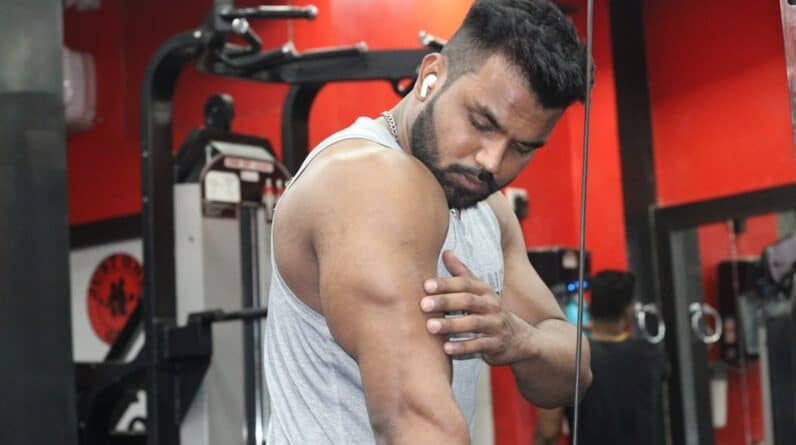
As you reach the milestone of 50, the idea of building muscle may seem daunting, but the benefits are profound and far-reaching. Engaging in muscle-building activities can significantly enhance your quality of life. Not only does increased muscle mass improve your physical strength, but it also boosts your metabolism, making it easier to maintain a healthy weight.
This is particularly important as metabolism tends to slow down with age, leading to unwanted weight gain. By focusing on muscle development, you can counteract this natural decline and promote a healthier body composition. Moreover, building muscle at this stage in life can have a positive impact on your mental health.
Regular strength training has been shown to reduce symptoms of anxiety and depression, providing a natural mood boost. The sense of accomplishment that comes from setting and achieving fitness goals can also enhance your self-esteem and confidence. As you build muscle, you may find yourself feeling more energetic and capable, which can lead to a more active lifestyle and greater social engagement.
Key Takeaways
- Building muscle at 50 can improve overall health, increase metabolism, and reduce the risk of chronic diseases.
- Muscle mass and strength naturally decline with age, but resistance training can help slow down this process.
- Resistance training is crucial for older adults to maintain muscle mass, bone density, and functional independence.
- A muscle-building workout program for individuals over 50 should include a variety of exercises targeting major muscle groups.
- Nutrition plays a key role in building muscle at 50, with a focus on adequate protein intake and balanced meals.
Understanding the Changes in Muscle Mass and Strength as You Age
As you age, your body undergoes various changes that can affect muscle mass and strength. After the age of 30, you may begin to lose approximately 3-5% of your muscle mass per decade, a process known as sarcopenia. This gradual decline can lead to decreased strength, making everyday activities more challenging.
Understanding these changes is crucial for developing a proactive approach to maintaining and building muscle. Additionally, hormonal changes play a significant role in muscle development as you age. Testosterone and growth hormone levels typically decrease, which can hinder your ability to build and maintain muscle mass.
However, recognizing these changes allows you to adapt your fitness routine accordingly. By incorporating resistance training and focusing on nutrition, you can combat the effects of aging on your muscles and maintain a strong, functional body well into your later years.
The Importance of Resistance Training for Older Adults

Resistance training is essential for older adults looking to build muscle and improve overall health. Unlike traditional cardio exercises, which primarily focus on endurance, resistance training specifically targets muscle strength and growth. Engaging in activities such as weight lifting, bodyweight exercises, or resistance band workouts can help you build lean muscle mass, increase bone density, and improve joint stability.
Furthermore, resistance training has been shown to enhance functional fitness, which is crucial for maintaining independence as you age. By improving your strength, you can perform daily tasks with greater ease, from lifting groceries to climbing stairs. This not only boosts your physical capabilities but also contributes to a sense of autonomy and confidence in your abilities.
Incorporating resistance training into your routine is not just about aesthetics; it’s about empowering yourself to live life fully and actively.
How to Design a Muscle-Building Workout Program for Individuals Over 50
Designing a muscle-building workout program tailored for individuals over 50 requires careful consideration of your current fitness level and any pre-existing health conditions. Start by consulting with a healthcare professional or a certified personal trainer who specializes in working with older adults. They can help you assess your strengths and limitations, ensuring that your program is safe and effective.
A well-rounded program should include a mix of compound exercises that target multiple muscle groups, such as squats, deadlifts, and bench presses. Aim for two to three sessions per week, allowing for adequate recovery time between workouts. It’s also essential to incorporate flexibility and balance exercises into your routine to enhance overall mobility and reduce the risk of injury.
Remember to listen to your body; if something doesn’t feel right, don’t hesitate to modify the exercise or seek guidance.
The Role of Nutrition in Building Muscle at 50
Nutrition plays a pivotal role in building muscle at any age, but it becomes even more critical as you reach 50. Your body requires adequate protein intake to support muscle repair and growth. Aim for a balanced diet that includes high-quality protein sources such as lean meats, fish, eggs, dairy products, legumes, and nuts.
Consuming protein-rich meals or snacks throughout the day can help optimize muscle synthesis. In addition to protein, don’t overlook the importance of other nutrients. Healthy fats and carbohydrates are essential for providing energy during workouts and supporting overall health.
Incorporate plenty of fruits and vegetables into your diet for their vitamins, minerals, and antioxidants that aid in recovery and reduce inflammation. Staying hydrated is equally important; water plays a crucial role in muscle function and recovery. By prioritizing nutrition alongside your workout routine, you’ll create a solid foundation for building muscle effectively.
Common Challenges and How to Overcome Them

As you embark on your muscle-building journey at 50, you may encounter several challenges along the way. One common hurdle is the fear of injury or exacerbating existing health issues. It’s essential to approach your workouts with caution and prioritize proper form over lifting heavier weights.
Start with lighter weights or bodyweight exercises to build confidence and gradually increase intensity as you become more comfortable. Another challenge may be finding motivation or consistency in your routine. Life can get busy, and it’s easy to let fitness take a backseat.
To overcome this, consider setting specific goals that resonate with you personally—whether it’s being able to lift a certain weight or participating in an activity you enjoy. Additionally, finding a workout buddy or joining a class can provide accountability and make exercising more enjoyable. Remember that progress takes time; celebrate small victories along the way to keep yourself motivated.
The Importance of Proper Recovery and Rest for Older Adults
Recovery is often overlooked but is crucial for anyone engaging in strength training, especially for older adults. As you age, your body may require more time to recover from workouts due to slower healing processes and increased susceptibility to injury. Prioritizing rest days in your workout schedule allows your muscles to repair and grow stronger.
Incorporating active recovery techniques can also be beneficial. Gentle activities such as walking, yoga, or stretching can promote blood flow and aid in recovery without putting additional strain on your muscles. Additionally, ensure you’re getting enough sleep each night; quality rest is vital for overall health and muscle recovery.
By respecting your body’s need for recovery, you’ll be better equipped to continue building muscle effectively over time.
The Role of Hormones in Muscle Development for Individuals Over 50
Hormones play a significant role in muscle development, particularly as you age past 50. Testosterone and growth hormone levels naturally decline with age, which can impact your ability to build muscle mass effectively. However, understanding this hormonal shift allows you to take proactive steps in your fitness journey.
While you cannot control hormonal changes directly, you can influence their effects through lifestyle choices. Engaging in regular resistance training has been shown to stimulate hormone production naturally. Additionally, maintaining a healthy weight through proper nutrition can help balance hormone levels.
If you’re concerned about hormonal imbalances affecting your fitness goals, consider consulting with a healthcare professional who can provide guidance tailored to your individual needs.
How to Set Realistic Goals and Track Progress
Setting realistic goals is essential for maintaining motivation as you work towards building muscle at 50. Start by identifying specific objectives that are meaningful to you—whether it’s increasing the weight you lift or improving your endurance during workouts. Break these larger goals into smaller milestones that are achievable within a reasonable timeframe.
Tracking your progress is equally important; it allows you to see how far you’ve come and adjust your approach if necessary. Consider keeping a workout journal where you log exercises performed, weights lifted, and any personal achievements along the way. This not only provides tangible evidence of progress but also serves as a source of motivation during challenging times.
Celebrate each milestone reached; recognizing your accomplishments will keep you engaged in your fitness journey.
The Impact of Muscle Building on Overall Health and Well-being
Building muscle at 50 extends beyond physical appearance; it significantly impacts overall health and well-being. Increased muscle mass contributes to better metabolic health by improving insulin sensitivity and reducing the risk of chronic diseases such as diabetes and heart disease. Additionally, stronger muscles support joint health by providing stability and reducing the likelihood of injuries.
Moreover, engaging in regular strength training has been linked to improved mental health outcomes. The endorphins released during exercise can elevate mood and reduce feelings of stress or anxiety. As you build strength physically, you’ll likely notice an enhancement in your mental resilience as well.
This holistic approach to health underscores the importance of prioritizing muscle-building activities as part of a comprehensive wellness strategy.
Tips for Maintaining Muscle Mass and Strength as You Age
As you continue on your journey of building muscle at 50 and beyond, maintaining that hard-earned strength becomes paramount. Consistency is key; aim to incorporate resistance training into your routine at least two to three times per week while allowing for adequate recovery time between sessions. This regularity will help preserve muscle mass over time.
In addition to consistent training, pay attention to your nutrition as you age. Ensure you’re consuming enough protein daily to support muscle maintenance—aim for around 1-1.2 grams per kilogram of body weight if you’re actively strength training. Staying hydrated is equally important; dehydration can negatively impact performance and recovery.
Lastly, remain adaptable in your approach as you age further; listen to your body’s signals and adjust your workouts accordingly. Embrace new forms of exercise that challenge you while keeping things fresh and enjoyable. By prioritizing these strategies, you’ll be well-equipped to maintain muscle mass and strength throughout the years ahead.
If you are looking to gain muscle at 50, it is important to have a comprehensive muscle-building workout plan in place. One helpful article to check out is Designing a Comprehensive Muscle Building Workout Plan. This article provides valuable tips and strategies for creating an effective workout routine that will help you achieve your muscle-building goals. Additionally, incorporating bodyweight exercises into your routine can be highly effective. For more information on effective bodyweight exercises for muscle building, you can read the article Effective Bodyweight Exercises for Muscle Building. These resources will provide you with the knowledge and guidance needed to successfully build muscle while maintaining a healthy lifestyle.
FAQs
What are the benefits of gaining muscle at 50?
Gaining muscle at 50 can help improve overall strength, balance, and mobility, reducing the risk of falls and injuries. It can also help boost metabolism, maintain a healthy weight, and improve bone density.
Is it possible to gain muscle at 50?
Yes, it is possible to gain muscle at 50 with the right combination of strength training, proper nutrition, and adequate rest. While it may be more challenging than at a younger age, it is still achievable.
What are some effective exercises for gaining muscle at 50?
Effective exercises for gaining muscle at 50 include weightlifting, bodyweight exercises, resistance band workouts, and functional movements such as squats, lunges, and push-ups. It’s important to focus on proper form and gradually increase the intensity of the exercises.
How should nutrition be adjusted to support muscle gain at 50?
To support muscle gain at 50, it’s important to consume an adequate amount of protein to support muscle repair and growth. Additionally, a balanced diet that includes a variety of nutrients such as carbohydrates, healthy fats, and vitamins and minerals is essential.
What role does rest and recovery play in gaining muscle at 50?
Rest and recovery are crucial for gaining muscle at 50 as they allow the muscles to repair and grow. Adequate sleep, proper hydration, and incorporating rest days into a workout routine are important for overall muscle development.