When you embark on a journey to transform your body, it’s essential to grasp the fundamental principles of muscle gain and fat loss. At its core, muscle gain occurs when you create a positive balance between the calories you consume and the calories you expend. This means that to build muscle, you need to provide your body with enough energy and nutrients to support growth.
Conversely, fat loss requires a caloric deficit, where you burn more calories than you take in. Understanding these basic concepts will set the foundation for your fitness journey. As you delve deeper into the science of body composition, you’ll discover that muscle gain and fat loss are not mutually exclusive.
In fact, with the right approach, you can achieve both simultaneously. This process, often referred to as body recomposition, involves strategically managing your diet and exercise regimen to promote muscle growth while shedding excess fat. By understanding how these processes work together, you can create a balanced plan that aligns with your fitness goals.
Key Takeaways
- Understanding the basics of muscle gain and fat loss is essential for achieving fitness goals.
- Nutrition plays a crucial role in building muscle and burning fat, so it’s important to focus on a balanced diet.
- Resistance training is key for muscle gain, as it helps to stimulate muscle growth and increase strength.
- Incorporating cardiovascular exercise is important for fat loss, as it helps to burn calories and improve overall fitness.
- Rest and recovery are crucial for muscle growth, so it’s important to prioritize adequate sleep and recovery time.
The Importance of Nutrition in Building Muscle and Burning Fat
Nutrition plays a pivotal role in your quest for muscle gain and fat loss. The food you consume provides the building blocks necessary for muscle repair and growth, as well as the energy required for your workouts. To effectively build muscle, you should focus on consuming a diet rich in protein, healthy fats, and complex carbohydrates.
Protein is particularly crucial, as it supplies the amino acids needed for muscle recovery and growth. Aim to include sources like lean meats, fish, eggs, legumes, and dairy in your meals. On the flip side, if your goal is to lose fat while maintaining muscle mass, you must be mindful of your caloric intake.
This doesn’t mean you should starve yourself; rather, it’s about making smarter food choices. Incorporating whole foods that are nutrient-dense will help you feel satiated while still allowing for a caloric deficit. Vegetables, fruits, whole grains, and healthy fats should be staples in your diet.
By prioritizing nutrition, you’ll not only fuel your workouts but also support your body’s ability to recover and adapt.
The Role of Resistance Training in Muscle Gain
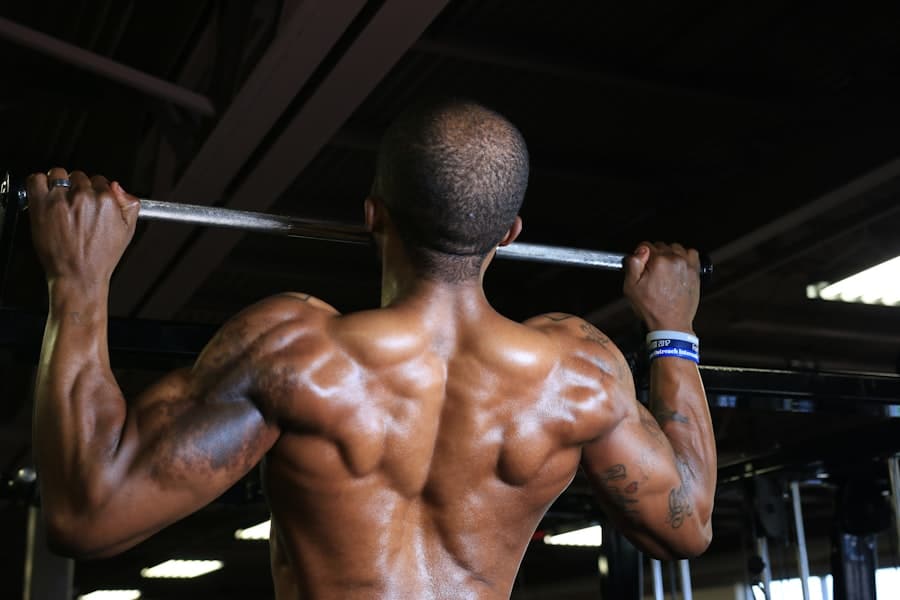
Resistance training is a cornerstone of any effective muscle-building program. When you engage in weightlifting or bodyweight exercises, you create micro-tears in your muscle fibers. This process triggers your body’s repair mechanisms, leading to muscle growth over time.
To maximize your gains, it’s important to progressively overload your muscles by gradually increasing the weight or resistance you use during workouts. This principle ensures that your muscles are continually challenged, promoting growth and strength. In addition to building muscle, resistance training also plays a significant role in fat loss.
As you increase your muscle mass through strength training, your resting metabolic rate rises. This means that even when you’re not exercising, your body burns more calories at rest. Incorporating compound movements like squats, deadlifts, and bench presses into your routine can be particularly effective, as they engage multiple muscle groups and elevate your heart rate.
By making resistance training a priority in your fitness regimen, you’ll set yourself up for success in both muscle gain and fat loss.
Incorporating Cardiovascular Exercise for Fat Loss
While resistance training is vital for building muscle, cardiovascular exercise is equally important when it comes to burning fat. Cardio workouts elevate your heart rate and increase calorie expenditure, making them an effective tool for creating a caloric deficit. Whether you prefer running, cycling, swimming, or group fitness classes, finding a form of cardio that you enjoy will make it easier to stick with it long-term.
To optimize fat loss while preserving muscle mass, consider incorporating a mix of steady-state cardio and high-intensity interval training (HIIT) into your routine. Steady-state cardio involves maintaining a consistent pace for an extended period, which can be beneficial for endurance and fat burning. On the other hand, HIIT alternates between short bursts of intense activity and periods of rest or lower intensity.
This method not only burns calories during the workout but also elevates your metabolism post-exercise, leading to additional calorie burn throughout the day.
The Significance of Rest and Recovery for Muscle Growth
Rest and recovery are often overlooked aspects of any fitness program but are crucial for muscle growth and overall performance. When you engage in intense workouts, your muscles need time to repair and rebuild. Without adequate rest, you risk overtraining, which can lead to fatigue, decreased performance, and even injury.
Prioritizing rest days in your training schedule allows your body to recover effectively and adapt to the stresses placed upon it. In addition to scheduled rest days, consider incorporating active recovery techniques into your routine. Activities such as light stretching, yoga, or leisurely walks can promote blood flow to sore muscles without placing additional strain on them.
Furthermore, ensuring that you get enough sleep each night is vital for recovery; during sleep, your body releases growth hormone and other essential hormones that aid in muscle repair and growth. By valuing rest as much as your workouts, you’ll create an environment conducive to achieving your fitness goals.
Strategies for Balancing Muscle Gain and Fat Loss
Phased Approach: Bulking and Cutting
One effective approach is to cycle between phases of bulking (muscle gain) and cutting (fat loss). During a bulking phase, focus on consuming a caloric surplus while prioritizing strength training to maximize muscle growth. Once you’ve reached your desired muscle mass, transition into a cutting phase where you create a caloric deficit while maintaining resistance training to preserve muscle.
Gradual Approach: Small Changes for Sustainable Results
Another strategy is to adopt a more gradual approach by implementing small changes to both diet and exercise simultaneously. For instance, aim for a slight caloric deficit while increasing protein intake to support muscle retention during weight loss.
Balanced Routine: Combining Resistance and Cardio Exercise
Additionally, incorporating both resistance training and cardiovascular exercise into your weekly routine will help you achieve a balanced approach that promotes both muscle gain and fat loss over time.
Tracking Progress and Adjusting Your Approach
To ensure that you’re making progress toward your goals of muscle gain and fat loss, it’s essential to track your results regularly. This can involve monitoring changes in body composition through measurements such as weight, body fat percentage, or even progress photos. Keeping a workout journal can also help you track strength gains and improvements in performance over time.
As you assess your progress, be prepared to adjust your approach as needed. If you’re not seeing the desired results after several weeks or months, consider reevaluating your nutrition plan or workout routine. It may be necessary to tweak macronutrient ratios or increase workout intensity to continue progressing toward your goals.
Remember that fitness is a journey; being flexible and open to change will help you stay on track.
Avoiding Common Mistakes in Muscle Gain and Fat Loss
As you navigate the world of fitness, it’s important to be aware of common pitfalls that can hinder your progress in muscle gain and fat loss. One frequent mistake is focusing solely on one goal at a time—either gaining muscle or losing fat—rather than finding a balance between the two. This can lead to frustration and stagnation in results.
Instead, aim for a holistic approach that incorporates elements of both goals simultaneously. Another common error is neglecting proper nutrition in favor of excessive exercise. While working out is crucial for achieving results, it’s equally important to fuel your body with the right nutrients.
Skipping meals or relying on fad diets can lead to nutrient deficiencies that hinder performance and recovery. Prioritize whole foods that nourish your body while supporting both muscle growth and fat loss.
The Impact of Hormones on Muscle Gain and Fat Loss
Hormones play a significant role in regulating both muscle gain and fat loss processes within the body. Key hormones such as testosterone and growth hormone are essential for promoting muscle growth and recovery. On the other hand, hormones like cortisol—often referred to as the stress hormone—can negatively impact muscle retention if levels remain elevated due to chronic stress or inadequate recovery.
Understanding how these hormones function can empower you to make informed decisions about your training and lifestyle choices. For instance, managing stress through mindfulness practices or ensuring adequate sleep can help maintain hormonal balance conducive to achieving your fitness goals. By recognizing the influence of hormones on your body’s processes, you can take proactive steps toward optimizing both muscle gain and fat loss.
The Benefits of High-Intensity Interval Training for Fat Loss
High-Intensity Interval Training (HIIT) has gained popularity in recent years due to its effectiveness in promoting fat loss while preserving lean muscle mass. This training method involves alternating between short bursts of intense exercise followed by brief recovery periods. The beauty of HIIT lies in its efficiency; workouts can be completed in a fraction of the time compared to traditional steady-state cardio while still delivering impressive results.
One of the key benefits of HIIT is its ability to elevate your metabolism long after the workout has ended—a phenomenon known as excess post-exercise oxygen consumption (EPOC). This means that even after you’ve finished exercising, your body continues to burn calories at an elevated rate as it works to recover from the intense effort put forth during the workout. Incorporating HIIT into your routine not only adds variety but also maximizes calorie burn in a shorter timeframe.
Creating a Sustainable Plan for Long-Term Muscle Gain and Fat Loss
Ultimately, achieving lasting results in muscle gain and fat loss requires a sustainable approach that fits seamlessly into your lifestyle. Start by setting realistic goals that align with your individual needs and preferences; this will help keep you motivated over time. Rather than resorting to extreme diets or rigorous workout regimens that are difficult to maintain long-term, focus on making gradual changes that promote healthy habits.
Incorporate flexibility into your plan by allowing yourself occasional treats or rest days without guilt; this will help prevent burnout and keep you engaged in the process. Additionally, consider seeking support from friends or fitness communities that share similar goals; having accountability can make all the difference in staying committed to your journey. By creating a balanced and sustainable plan tailored to your unique circumstances, you’ll set yourself up for success in achieving both muscle gain and fat loss over the long haul.
If you are looking to gain muscle and lose fat, it is important to pay attention to your macronutrient intake. A helpful article on this topic can be found at this link. In addition to focusing on nutrition, incorporating targeted muscle activation techniques can also help you make quick progress in your fitness journey. For more information on this, check out the article at this link. And if you are considering using supplements to aid in muscle gain, be sure to read up on the best options available in the article found at this link. By combining these resources, you can optimize your efforts to achieve your desired results.
FAQs
What is the best way to gain muscle and lose fat?
The best way to gain muscle and lose fat is through a combination of resistance training, cardiovascular exercise, and a balanced diet. Resistance training helps build muscle, while cardiovascular exercise helps burn fat. A balanced diet that includes lean protein, healthy fats, and complex carbohydrates is essential for supporting muscle growth and promoting fat loss.
How often should I exercise to gain muscle and lose fat?
To gain muscle and lose fat, it is recommended to engage in resistance training at least 3-4 times per week, with a focus on compound exercises that target multiple muscle groups. Additionally, incorporating cardiovascular exercise 3-5 times per week can help burn fat and improve overall fitness.
What should I eat to support muscle growth and fat loss?
To support muscle growth and fat loss, it is important to consume a balanced diet that includes lean protein sources such as chicken, fish, tofu, and legumes. Healthy fats from sources like avocados, nuts, and olive oil, as well as complex carbohydrates from fruits, vegetables, and whole grains, are also important for providing energy and supporting muscle recovery.
Is it possible to gain muscle and lose fat at the same time?
Yes, it is possible to gain muscle and lose fat simultaneously, especially for individuals who are new to resistance training or returning to exercise after a period of inactivity. This process, known as body recomposition, can be achieved through a combination of proper nutrition, consistent exercise, and adequate rest and recovery.
How important is rest and recovery in gaining muscle and losing fat?
Rest and recovery are crucial components of gaining muscle and losing fat. Adequate rest allows the body to repair and rebuild muscle tissue, while also preventing overtraining and reducing the risk of injury. It is recommended to get 7-9 hours of quality sleep each night and to incorporate rest days into your exercise routine to allow for proper recovery.