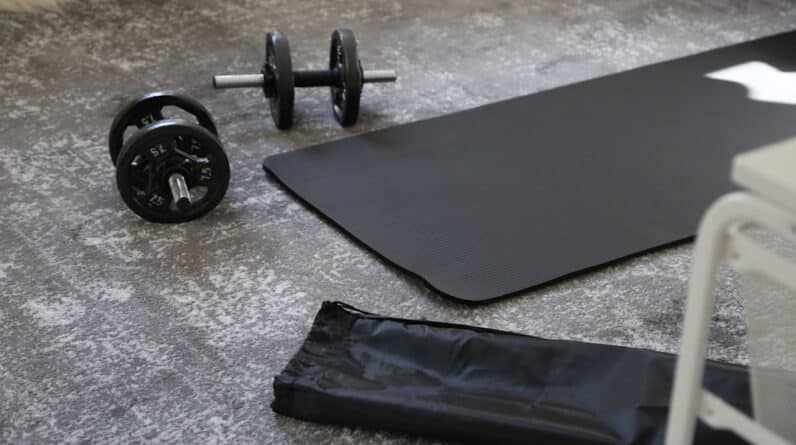
Creating a dedicated space for your home gym is the first step toward achieving your fitness goals. You want to find an area in your home that is both spacious and free from distractions. This could be a spare room, a corner of your living room, or even your garage.
The key is to ensure that the space is well-ventilated and has enough room for you to move freely while exercising. Consider the flooring as well; if you have hard floors, investing in some gym mats can provide comfort and safety during workouts. Once you have identified the perfect spot, it’s time to personalize it.
Adding motivational posters, a mirror, or even a sound system can enhance your workout experience. Make sure to keep the area organized and clutter-free, as a tidy space can help you focus better on your exercises. Lighting is also important; natural light can boost your mood, while adjustable lighting can create a more energizing atmosphere.
By setting up a space that feels inviting and functional, you’ll be more inclined to use it regularly.
Key Takeaways
- Choose a dedicated space in your home for your gym to create a focused and motivating environment for workouts.
- Essential equipment for building muscle at home includes adjustable dumbbells, resistance bands, a stability ball, and a pull-up bar.
- Design an effective workout plan by incorporating a mix of strength training, cardio, and flexibility exercises to target different muscle groups.
- Incorporate strength training exercises such as squats, deadlifts, push-ups, and rows to build muscle and increase overall strength.
- Utilize resistance bands and dumbbells for a versatile and effective workout, targeting various muscle groups and allowing for progressive overload.
Essential Equipment for Building Muscle at Home
Essential Equipment for a Home Gym
A set of dumbbells is a great starting point, as they can be used for a variety of exercises targeting different muscle groups. Adjustable dumbbells are particularly useful because they allow you to change weights easily without taking up too much space.
Investing in a Sturdy Bench
In addition to dumbbells, consider investing in a sturdy bench. A bench can be used for various exercises, including bench presses, step-ups, and tricep dips.
Additional Equipment for a Well-Rounded Home Gym
If you have the budget, a squat rack or power cage can also be beneficial for safely performing squats and other heavy lifts. Resistance bands are another excellent addition to your home gym; they are lightweight, portable, and can provide resistance for a wide range of exercises. By carefully selecting your equipment, you can create a well-rounded home gym that supports your muscle-building journey.
Designing an Effective Workout Plan

An effective workout plan is essential for maximizing your results and keeping you on track. Start by determining your fitness goals—whether you want to build muscle, lose weight, or improve overall fitness. Once you have clear objectives, you can structure your workouts accordingly.
A balanced plan typically includes strength training, cardio, and flexibility exercises. Aim for at least three to four days of strength training per week, focusing on different muscle groups each session to allow for recovery. Incorporating variety into your workout plan is also important to prevent boredom and plateaus.
You might alternate between free weights and bodyweight exercises or try different training styles like circuit training or high-intensity interval training (HIIT). Additionally, consider scheduling rest days strategically to give your muscles time to recover and grow stronger. By designing a comprehensive workout plan that aligns with your goals and keeps things fresh, you’ll be more likely to stay committed and see progress over time.
Incorporating Strength Training Exercises
Strength training is a vital component of any fitness regimen, especially if your goal is to build muscle. There are numerous exercises you can incorporate into your routine that target various muscle groups. Compound movements like squats, deadlifts, and bench presses engage multiple muscles at once and are particularly effective for building strength.
These exercises not only help in muscle growth but also improve overall functional fitness. Don’t forget about isolation exercises as well; they allow you to focus on specific muscles for targeted development. For instance, bicep curls and tricep extensions can help sculpt your arms, while leg curls and calf raises can enhance lower body strength.
As you progress, gradually increase the weights or resistance levels to continue challenging your muscles. By incorporating a mix of compound and isolation exercises into your strength training routine, you’ll create a balanced approach that promotes muscle growth and overall fitness.
Utilizing Resistance Bands and Dumbbells
Resistance bands and dumbbells are two of the most versatile pieces of equipment you can have in your home gym. Resistance bands are particularly useful for beginners or those looking to add variety to their workouts without the risk of injury associated with heavier weights. They come in various resistance levels, allowing you to adjust the intensity of your workouts easily.
You can use them for exercises like banded squats, chest presses, and lateral raises, which effectively target different muscle groups. Dumbbells complement resistance bands perfectly by providing additional weight for strength training exercises. They allow for a greater range of motion compared to machines and can help improve stability and coordination as you engage multiple muscles during each lift.
Combining both tools in your workouts not only keeps things interesting but also enhances muscle engagement through varied resistance levels. By incorporating resistance bands and dumbbells into your routine, you’ll be well-equipped to challenge yourself and achieve your fitness goals.
Maximizing Cardio Workouts at Home
High-Intensity Interval Training (HIIT)
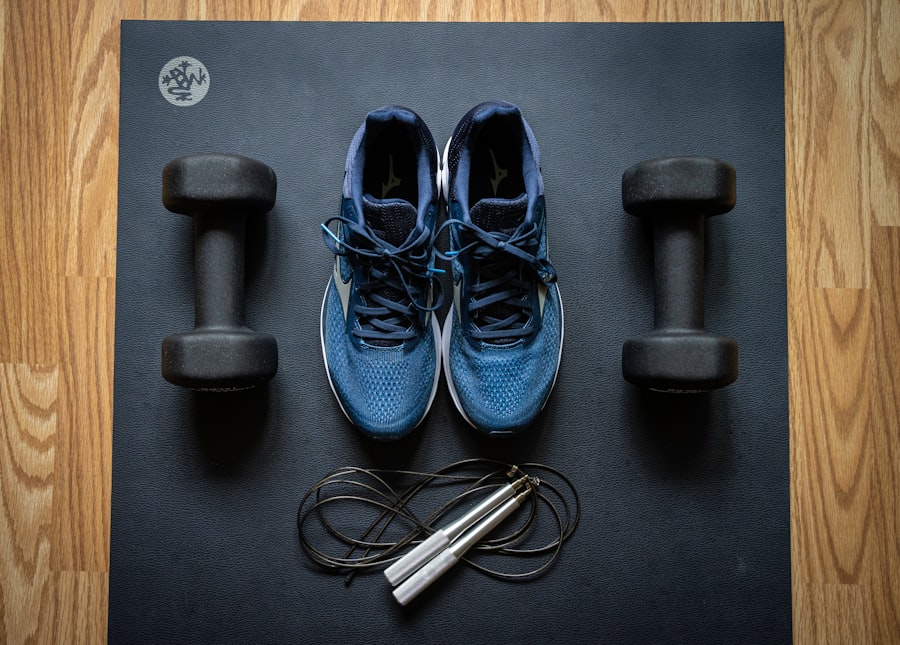
High-intensity interval training (HIIT) is an effective method that combines short bursts of intense activity with periods of rest or lower-intensity exercise. You can perform HIIT workouts using just your body weight or by incorporating equipment like jump ropes or kettlebells for added intensity.
Steady-State Cardio Options
If you prefer steady-state cardio, consider activities like jogging in place, dancing, or following online workout videos that focus on aerobic exercises. You might also explore options like cycling on a stationary bike or using an elliptical machine if you have access to them.
Consistency is Key
The key is to find activities that you enjoy so that you’re more likely to stick with them consistently. By maximizing your cardio workouts at home, you’ll improve your cardiovascular health while complementing your strength training efforts.
Creating a Balanced Diet and Nutrition Plan
Nutrition plays a crucial role in supporting your fitness journey, especially when it comes to building muscle and recovering from workouts. A balanced diet should include a variety of macronutrients: carbohydrates for energy, protein for muscle repair and growth, and healthy fats for overall health. Aim to consume lean protein sources such as chicken, fish, beans, and legumes to support muscle recovery after strength training sessions.
In addition to macronutrients, don’t forget about micronutrients—vitamins and minerals that are essential for overall health. Incorporate plenty of fruits and vegetables into your meals to ensure you’re getting the necessary nutrients to fuel your workouts and aid recovery. Planning meals ahead of time can help you stay on track with your nutrition goals; consider prepping healthy snacks or meals in advance so that you always have nutritious options available when hunger strikes.
Incorporating Recovery and Rest Days
Recovery is just as important as the workouts themselves when it comes to building muscle and improving overall fitness. Your muscles need time to repair after intense training sessions; without adequate rest, you risk overtraining and injury. Incorporating rest days into your workout schedule allows your body to recover fully and grow stronger over time.
Active recovery days can also be beneficial; these involve engaging in low-intensity activities like walking or yoga that promote blood flow without putting too much strain on your muscles. Listening to your body is key—if you feel fatigued or sore, don’t hesitate to take an extra rest day or adjust the intensity of your workouts accordingly. By prioritizing recovery in your fitness routine, you’ll enhance performance and reduce the risk of burnout.
Tracking Progress and Setting Goals
Tracking your progress is essential for staying motivated and ensuring that you’re moving toward your fitness goals. Consider keeping a workout journal where you log the exercises you perform, the weights used, and any personal bests achieved over time. This not only helps you see how far you’ve come but also allows you to identify areas where you may need to adjust your training plan.
Setting specific, measurable goals can further enhance your progress tracking efforts. Instead of vague objectives like “get stronger,” aim for concrete targets such as “increase my squat weight by 10 pounds in the next month.” Break larger goals into smaller milestones to make them more manageable and celebrate each achievement along the way. By actively tracking progress and setting clear goals, you’ll maintain focus on your fitness journey.
Staying Motivated and Consistent
Staying motivated can be one of the biggest challenges when working out at home. To keep yourself engaged in your fitness routine, consider finding an accountability partner or joining online fitness communities where you can share experiences and support one another’s goals. Having someone else involved can make workouts more enjoyable and provide an extra layer of motivation when you’re feeling less enthusiastic.
Another effective strategy is to mix up your routine regularly; trying new exercises or workout formats can reignite excitement about your fitness journey. Setting rewards for yourself when reaching certain milestones can also serve as motivation—whether it’s treating yourself to new workout gear or enjoying a relaxing day off after completing a challenging program. By implementing these strategies, you’ll cultivate consistency in your workouts while keeping motivation levels high.
Seeking Professional Guidance and Support
If you’re feeling overwhelmed by the prospect of setting up a home gym or designing an effective workout plan on your own, seeking professional guidance can be incredibly beneficial. Personal trainers can provide tailored workout programs based on your individual goals and fitness level while ensuring that you’re using proper form during exercises to prevent injury. Additionally, nutritionists or dietitians can help create personalized meal plans that align with your fitness objectives while considering any dietary restrictions or preferences you may have.
Online platforms offer access to virtual trainers who can guide you through workouts from the comfort of your home as well. By seeking professional support, you’ll gain valuable insights that can enhance both your workout experience and overall results on your fitness journey.
If you are looking to build muscle at home, one important supplement to consider is creatine. According to a related article on musclesbuilder.tips, creatine can help increase muscle mass and strength, making it a valuable addition to your home gym routine. Additionally, for women looking to build muscle, another informative article on the same website discusses how to build muscle specifically for women. Age can also play a role in muscle building, as highlighted in an article on musclesbuilder.tips, which provides insights on how to effectively build muscle at different stages of life. Incorporating these tips and information into your home gym workouts can help you achieve your muscle-building goals.
FAQs
What is an effective home gym for building muscle at home?
An effective home gym for building muscle at home is a space equipped with essential strength training equipment such as dumbbells, barbells, resistance bands, a bench, and possibly a squat rack or a cable machine.
What are the benefits of having a home gym for building muscle?
Having a home gym for building muscle allows for convenience, flexibility in workout timing, and the ability to customize the equipment to suit individual fitness goals. It also eliminates the need to commute to a commercial gym.
What are some essential equipment for an effective home gym for building muscle?
Essential equipment for an effective home gym for building muscle includes dumbbells, barbells, weight plates, a bench, resistance bands, a pull-up bar, and possibly a squat rack or a cable machine.
How can I maximize muscle building at home with limited space and budget?
To maximize muscle building at home with limited space and budget, focus on versatile equipment such as adjustable dumbbells, resistance bands, and bodyweight exercises. Additionally, consider space-saving options like foldable benches and compact workout machines.
What are some effective muscle-building exercises that can be done at home?
Effective muscle-building exercises that can be done at home include squats, deadlifts, lunges, chest presses, shoulder presses, rows, pull-ups, and various bodyweight exercises such as push-ups, dips, and planks. These exercises target major muscle groups and can be performed with minimal equipment.