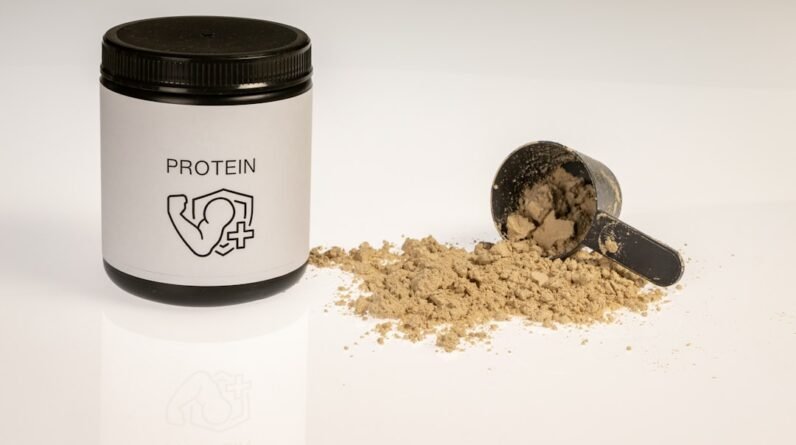
Protein powder has become a staple in the diets of fitness enthusiasts and casual gym-goers alike. At its core, protein powder is a dietary supplement designed to provide a concentrated source of protein, which is essential for muscle repair, growth, and overall health. You may find it in various forms, including whey, casein, soy, pea, and rice protein, each offering unique benefits and characteristics.
Understanding what protein powder is and how it fits into your nutritional regimen is crucial for maximizing its potential. When you consume protein, your body breaks it down into amino acids, which are the building blocks of muscle tissue. This process is particularly important after exercise when your muscles are in need of repair and recovery.
Protein powder serves as a convenient way to increase your protein intake without having to consume large quantities of whole foods. Whether you’re looking to build muscle, lose weight, or simply maintain a balanced diet, incorporating protein powder can be an effective strategy to meet your nutritional goals.
Key Takeaways
- Protein powder is a convenient way to increase protein intake, which is essential for muscle growth and repair.
- Consuming protein powder can help support lean muscle growth, improve muscle recovery, and aid in weight management.
- There are different types of protein powder available, including whey, casein, soy, and pea protein, each with its own unique benefits.
- The amount of protein powder needed varies based on individual factors such as body weight, activity level, and fitness goals.
- Protein powder can be consumed at different times throughout the day, such as post-workout, as a meal replacement, or as a snack, to support muscle growth and recovery.
Benefits of Protein Powder for Lean Muscle
One of the primary benefits of protein powder is its ability to support lean muscle growth. When you engage in resistance training or high-intensity workouts, your muscles undergo stress and micro-tears. This is where protein comes into play; it helps repair and rebuild those muscles, leading to increased strength and size over time.
By supplementing with protein powder, you can ensure that your body has the necessary building blocks to recover effectively from your workouts. Moreover, protein powder can aid in muscle preservation during weight loss. When you’re in a caloric deficit, your body may break down muscle tissue for energy.
By maintaining a higher protein intake through supplements, you can help mitigate this loss and promote a leaner physique. This is particularly beneficial for those who are looking to lose fat while maintaining muscle mass. The combination of regular strength training and adequate protein intake can lead to a more toned appearance and improved metabolic health.
Types of Protein Powder
As you explore the world of protein powders, you’ll encounter a variety of options, each with its own set of advantages. Whey protein is one of the most popular choices due to its high biological value and rapid absorption rate. Derived from milk during the cheese-making process, whey protein is rich in essential amino acids and is particularly effective for post-workout recovery.
If you’re looking for a quick and efficient way to boost your protein intake, whey may be the ideal option for you. On the other hand, if you follow a plant-based diet or have lactose intolerance, you might consider alternatives like pea or soy protein. Pea protein is derived from yellow split peas and is an excellent source of branched-chain amino acids (BCAAs), which are crucial for muscle growth.
Soy protein is another plant-based option that contains all essential amino acids, making it a complete protein source. Additionally, there are blends available that combine different types of proteins to provide a more balanced amino acid profile. Understanding these options will help you choose the right protein powder that aligns with your dietary preferences and fitness goals.
How Much Protein Powder Do You Need
Determining how much protein powder you need depends on various factors, including your age, sex, activity level, and overall dietary intake. The general recommendation for active individuals is to consume between 1.2 to 2.2 grams of protein per kilogram of body weight per day. If you’re engaged in intense training or trying to build muscle mass, aiming for the higher end of this range may be beneficial.
However, it’s essential to consider your total protein intake from all sources, including whole foods. For instance, if you consume a balanced diet rich in lean meats, dairy products, legumes, and nuts, you may not need as much supplemental protein. On the other hand, if your diet lacks sufficient protein-rich foods or if you’re following a restrictive eating plan, incorporating protein powder can help bridge that gap.
It’s always wise to consult with a healthcare professional or a registered dietitian to tailor your protein needs based on your specific circumstances.
When to Take Protein Powder
Timing can play a significant role in maximizing the benefits of protein powder. Many fitness enthusiasts advocate for consuming protein shortly after workouts to enhance recovery and muscle synthesis. This post-workout window is often referred to as the “anabolic window,” during which your muscles are particularly receptive to nutrients.
Consuming protein powder within this timeframe can help kickstart the recovery process and promote muscle growth. However, it’s not just about post-workout consumption; you can also benefit from taking protein powder at other times throughout the day. For example, incorporating it into breakfast smoothies or snacks can help you meet your daily protein goals more easily.
Additionally, if you’re struggling to consume enough protein through whole foods alone, using protein powder as a supplement can be an effective strategy at any time of day.
Alternatives to Protein Powder for Lean Muscle
While protein powder offers convenience and efficiency, there are plenty of whole food alternatives that can also support lean muscle growth. Foods such as chicken breast, turkey, fish, eggs, Greek yogurt, and cottage cheese are excellent sources of high-quality protein that can easily fit into your meals. These options not only provide essential amino acids but also come packed with vitamins and minerals that contribute to overall health.
Legumes like lentils and chickpeas are also great plant-based sources of protein that can be incorporated into various dishes. Nuts and seeds provide healthy fats along with protein, making them a nutritious addition to your diet. If you’re looking for a more holistic approach to nutrition, focusing on whole food sources can provide you with a broader range of nutrients while still supporting your muscle-building goals.
Risks and Side Effects of Protein Powder
While protein powder can be beneficial for many individuals, it’s essential to be aware of potential risks and side effects associated with its use. Some people may experience digestive issues such as bloating or gas when consuming certain types of protein powders, particularly those derived from dairy like whey or casein. If you’re lactose intolerant or sensitive to dairy products, opting for plant-based proteins may be a better choice for you.
Additionally, excessive protein intake can lead to kidney strain in individuals with pre-existing kidney conditions. It’s crucial to monitor your overall protein consumption and ensure that it aligns with your body’s needs. As with any supplement, moderation is key; relying solely on protein powder without considering whole food sources may lead to nutrient imbalances over time.
Do You Need Protein Powder for Lean Muscle
In conclusion, whether or not you need protein powder for lean muscle growth ultimately depends on your individual circumstances and dietary habits. If you’re an active individual who struggles to meet your daily protein requirements through whole foods alone or if you’re looking for a convenient post-workout option, incorporating protein powder can be beneficial. However, it’s essential to remember that whole food sources should form the foundation of your diet.
Ultimately, achieving lean muscle growth requires a combination of adequate nutrition, consistent training, and proper recovery strategies. By understanding the role of protein powder within this framework and considering your unique needs and preferences, you can make informed decisions about whether it’s the right choice for you on your fitness journey.
If you are looking to build muscle endurance, you may want to check out this article on muscle gain before and after transformations. And if you are considering using supplements to help build muscle, this article on building muscle with supplements may provide valuable information on the best options available.
FAQs
What is protein powder?
Protein powder is a dietary supplement that is typically made from whey, casein, soy, or egg proteins. It is commonly used by athletes and fitness enthusiasts to increase their protein intake.
Do I need protein powder to build lean muscle?
No, protein powder is not necessary to build lean muscle. It is possible to meet your protein needs through whole food sources such as meat, fish, dairy, eggs, and plant-based sources like beans, lentils, and tofu.
How much protein do I need to build lean muscle?
The amount of protein needed to build lean muscle varies depending on factors such as body weight, activity level, and fitness goals. Generally, it is recommended to consume 0.8-1.2 grams of protein per pound of body weight per day for muscle building.
What are the benefits of using protein powder for lean muscle?
Protein powder can be a convenient and quick way to increase protein intake, especially for those with busy lifestyles. It can also be helpful for individuals who struggle to meet their protein needs through whole food sources alone.
Are there any risks or side effects of using protein powder?
While protein powder is generally safe for most people, consuming excessive amounts can lead to digestive issues such as bloating, gas, and stomach cramps. It is important to follow the recommended dosage and to choose a high-quality protein powder.
Can I use protein powder as a meal replacement for building lean muscle?
Protein powder should not be used as a complete meal replacement for building lean muscle. It is important to consume a balanced diet that includes a variety of nutrients from whole food sources in addition to protein powder.