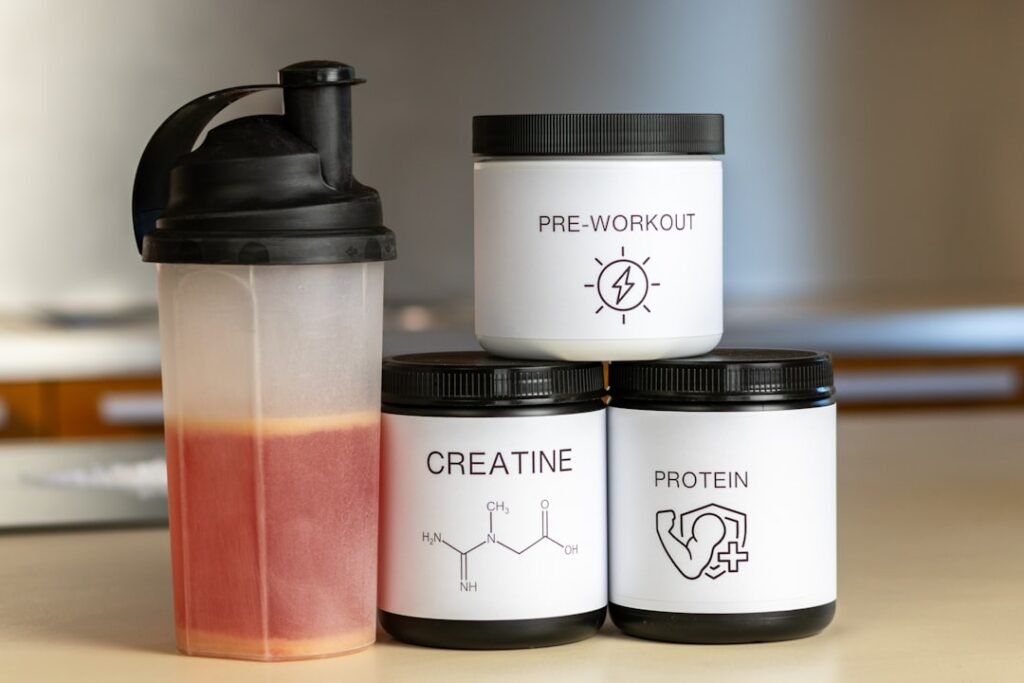
Creatine is a naturally occurring compound found in small amounts in certain foods and synthesized by the body from amino acids. It is primarily stored in your muscles, where it plays a crucial role in the production of adenosine triphosphate (ATP), the energy currency of your cells. When you engage in high-intensity exercise, your body relies on ATP for quick bursts of energy.
Creatine helps replenish ATP levels, allowing you to perform at your best during short, intense workouts. This mechanism is what makes creatine a popular supplement among athletes and fitness enthusiasts alike. When you supplement with creatine, you increase the phosphocreatine stores in your muscles.
This additional phosphocreatine can then be used to regenerate ATP more rapidly during exercise. As a result, you may experience improved performance in activities that require short bursts of energy, such as sprinting or weightlifting. Moreover, creatine has been shown to enhance muscle recovery and reduce fatigue, making it an essential component of many training regimens.
Key Takeaways
- Creatine is a natural compound that helps provide energy to all cells in the body, particularly muscles, by increasing the formation of adenosine triphosphate (ATP).
- Creatine supplements can help increase muscle mass, strength, and exercise performance, making them popular among athletes and bodybuilders.
- To maximize the effectiveness of creatine supplements, it is recommended to take a loading phase of 20 grams per day for 5-7 days, followed by a maintenance phase of 3-5 grams per day.
- Potential side effects of creatine supplements may include gastrointestinal discomfort, muscle cramping, and dehydration, so it is important to stay hydrated while taking them.
- The best time to take creatine supplements for muscle growth is before or after a workout, as this can help increase muscle creatine content and improve exercise performance.
Benefits of Creatine Supplements for Muscle Growth
One of the most significant benefits of creatine supplementation is its ability to promote muscle growth. When you engage in resistance training, your muscles undergo stress and micro-tears, which then repair and grow stronger during recovery. Creatine enhances this process by increasing the water content in your muscle cells, leading to a phenomenon known as cell volumization.
This not only makes your muscles appear larger but also creates an optimal environment for muscle protein synthesis. Additionally, creatine has been shown to increase levels of insulin-like growth factor 1 (IGF-1), a hormone that plays a vital role in muscle growth and repair. By boosting IGF-1 levels, creatine can further enhance your muscle-building potential.
Studies have demonstrated that individuals who supplement with creatine while engaging in resistance training experience greater increases in muscle mass compared to those who do not use the supplement. This makes creatine an invaluable tool for anyone looking to maximize their gains in the gym.
How to Use Creatine Supplements for Maximum Effectiveness
To reap the full benefits of creatine supplementation, it’s essential to understand how to use it effectively. The most common approach is to start with a loading phase, where you take a higher dose of creatine for a short period, typically five to seven days. During this phase, you would consume around 20 grams of creatine per day, divided into four doses.
This strategy saturates your muscle stores quickly, allowing you to experience the benefits sooner. After the loading phase, you would transition to a maintenance dose of about 3 to 5 grams per day. This lower dose helps maintain elevated creatine levels in your muscles without the need for continuous high intake.
It’s also important to stay well-hydrated while using creatine, as it draws water into your muscle cells. Drinking plenty of fluids can help prevent dehydration and support optimal performance during workouts.
Potential Side Effects and Risks of Creatine Supplements
While creatine is generally considered safe for most people, it’s essential to be aware of potential side effects and risks associated with its use. Some individuals may experience gastrointestinal discomfort, such as bloating or cramping, particularly during the loading phase when higher doses are consumed. To minimize these effects, you might consider spreading out your doses throughout the day or opting for a lower initial dose.
Another concern is the potential for weight gain associated with creatine supplementation. This weight gain is primarily due to increased water retention in your muscles rather than an increase in fat mass. While this can be beneficial for muscle growth, it may be undesirable for those looking to lose weight or improve their endurance performance.
It’s crucial to weigh the benefits against any potential drawbacks and determine if creatine supplementation aligns with your fitness goals.
The Best Time to Take Creatine Supplements for Muscle Growth
Timing can play a significant role in maximizing the benefits of creatine supplementation. Research suggests that taking creatine post-workout may be more effective than pre-workout consumption. After exercising, your muscles are primed for nutrient uptake, making it an ideal time to replenish creatine stores and support recovery.
Pairing creatine with a source of carbohydrates can further enhance its effectiveness by promoting insulin release, which helps shuttle creatine into your muscle cells. However, if you prefer taking creatine before your workout, that can still be beneficial. The key is consistency; whether you take it before or after your workout, ensuring that you consume it daily will help maintain elevated levels in your muscles over time.
Ultimately, finding a routine that fits seamlessly into your schedule will help you stay committed to your supplementation plan.
Comparing Different Types of Creatine Supplements
When it comes to choosing a creatine supplement, you’ll find several different forms available on the market. The most researched and widely used form is creatine monohydrate, known for its effectiveness and affordability. It has been extensively studied and proven to enhance athletic performance and muscle growth.
Other forms of creatine include creatine ethyl ester, buffered creatine, and micronized creatine. While these alternatives may claim to offer benefits such as improved absorption or reduced side effects, research supporting these claims is often limited compared to creatine monohydrate. As such, if you’re new to creatine supplementation or looking for a reliable option, sticking with creatine monohydrate is likely your best bet.
Creatine Supplements and Exercise Performance
Creatine supplementation has been shown to enhance exercise performance across various activities. Whether you’re lifting weights, sprinting, or engaging in high-intensity interval training (HIIT), creatine can provide the extra edge needed to push through challenging workouts. By increasing ATP availability during short bursts of intense activity, you may find that you can lift heavier weights or perform more repetitions than before.
Moreover, studies have indicated that creatine can improve endurance performance as well. While its primary benefits are seen in high-intensity efforts, some research suggests that it may also help delay fatigue during prolonged exercise sessions. This means that incorporating creatine into your routine could lead to better overall performance and improved results from your training efforts.
Incorporating Creatine Supplements into Your Overall Fitness Routine
To effectively incorporate creatine supplements into your fitness routine, consider how they align with your specific goals and training regimen. If you’re focused on building muscle mass and strength, pairing creatine with a structured resistance training program can yield impressive results. Ensure that you’re also consuming adequate protein and calories to support muscle growth.
Additionally, keep track of how your body responds to creatine supplementation over time. Monitoring changes in strength, endurance, and body composition can help you assess whether it’s working for you. Remember that individual responses to supplements can vary; what works wonders for one person may not have the same effect on another.
By staying attuned to your body’s signals and adjusting your approach as needed, you can maximize the benefits of creatine within your overall fitness journey. In conclusion, understanding what creatine is and how it works can empower you to make informed decisions about its use in your fitness routine. With its numerous benefits for muscle growth and exercise performance, along with proper usage guidelines and awareness of potential side effects, you can harness the power of this supplement effectively.
Whether you’re a seasoned athlete or just starting on your fitness journey, incorporating creatine into your regimen could be a game-changer for achieving your goals.
If you are interested in learning more about how to build muscle and burn fat simultaneously, I recommend checking out the article How to Build Muscle & Burn Fat. This article provides valuable tips and strategies for achieving both goals effectively. Additionally, if you want to track your progress and measurements throughout your fitness journey, be sure to read the article Tracking Progress and Measurements. Lastly, if you are looking to build muscle quickly while losing fat, the article How to Build Muscle Fast and Lose Fat offers helpful advice and techniques to help you reach your fitness goals.
FAQs
What is creatine?
Creatine is a natural substance that plays a key role in supplying energy to muscles. It is produced in the liver, pancreas, and kidneys, and can also be obtained from certain foods like red meat and fish.
How do creatine supplements work for muscle growth?
Creatine supplements work by increasing the body’s stores of phosphocreatine, which is used to produce ATP (adenosine triphosphate) – the primary energy currency in the body. This can lead to improved performance during high-intensity, short-duration activities like weightlifting and sprinting, ultimately supporting muscle growth.
Are creatine supplements safe to use?
When used as directed, creatine supplements are generally considered safe for healthy individuals. However, it’s important to stay hydrated while taking creatine supplements, as dehydration can increase the risk of side effects. It’s always best to consult with a healthcare professional before starting any new supplement regimen.
What are the potential benefits of creatine supplements for muscle growth?
Creatine supplements have been shown to increase muscle mass, improve strength and power, and enhance exercise performance, particularly during high-intensity, short-duration activities. They may also aid in muscle recovery and reduce muscle fatigue.
Who can benefit from taking creatine supplements?
Creatine supplements may be beneficial for individuals engaged in high-intensity, short-duration activities such as weightlifting, sprinting, and other forms of resistance training. Athletes and fitness enthusiasts looking to improve their muscle strength, power, and overall performance may also benefit from creatine supplementation.
How should creatine supplements be taken for muscle growth?
The typical dosage for creatine supplementation is 3-5 grams per day, taken consistently over time to build up the body’s creatine stores. Some individuals may also choose to do a “loading phase” of 20 grams per day for 5-7 days to quickly saturate the muscles with creatine, followed by a maintenance phase of 3-5 grams per day.