
To embark on your journey toward muscle growth, it’s essential to grasp the fundamental principles that govern how muscles develop. Muscle growth, or hypertrophy, occurs when the fibers in your muscles sustain damage during exercise, particularly resistance training. This damage triggers a repair process where your body rebuilds the muscle fibers, making them thicker and stronger than before.
The key to this process lies in a combination of mechanical tension, metabolic stress, and muscle damage, all of which are stimulated through various forms of exercise. As you engage in strength training, your body responds by releasing hormones such as testosterone and growth hormone, which play crucial roles in muscle repair and growth. Additionally, the frequency and intensity of your workouts significantly influence your results.
It’s not just about lifting heavy weights; the volume of your training, the rest periods between sets, and the overall structure of your workout routine all contribute to how effectively you can build muscle. Understanding these basics will set a solid foundation for your muscle-building endeavors.
Key Takeaways
- Muscle growth occurs when muscle fibers are damaged during exercise and repair and grow during rest and recovery.
- Protein is essential for muscle growth as it provides the building blocks (amino acids) for muscle repair and growth.
- Carbohydrates are important for muscle growth as they provide the energy needed for intense workouts and replenish glycogen stores.
- Healthy fats are important for muscle growth as they aid in hormone production and help reduce inflammation.
- Micronutrients such as vitamins and minerals play a crucial role in muscle growth by supporting various metabolic processes and overall health.
Importance of Protein in Muscle Growth
When it comes to muscle growth, protein is often hailed as the king of macronutrients. This is because proteins are made up of amino acids, which are the building blocks of muscle tissue. Consuming an adequate amount of protein is vital for repairing and building muscle fibers after workouts.
As you push your body through resistance training, you create micro-tears in your muscle fibers. Protein intake helps to facilitate the repair process, ensuring that your muscles recover and grow stronger. To optimize muscle growth, aim for a protein intake that aligns with your activity level and goals.
Research suggests that consuming around 1.6 to 2.2 grams of protein per kilogram of body weight is effective for most individuals looking to gain muscle mass. Incorporating high-quality protein sources such as lean meats, fish, eggs, dairy products, legumes, and plant-based proteins into your diet can help you meet these requirements. Additionally, spreading your protein intake throughout the day can enhance muscle protein synthesis, making it easier for your body to utilize the amino acids effectively.
Carbohydrates and Muscle Growth

While protein often takes center stage in discussions about muscle growth, carbohydrates play an equally important role in fueling your workouts and supporting recovery. Carbohydrates are the primary source of energy for high-intensity exercise, and without sufficient carbohydrate intake, you may find it challenging to perform at your best during training sessions. When you consume carbohydrates, they are broken down into glucose, which is stored in your muscles as glycogen.
This glycogen serves as a readily available energy source during workouts. In addition to providing energy, carbohydrates also help to stimulate insulin release, a hormone that plays a crucial role in muscle growth. Insulin not only aids in transporting glucose into cells but also promotes the uptake of amino acids into muscle tissue.
This means that a well-balanced diet rich in carbohydrates can enhance your performance in the gym while simultaneously supporting recovery and muscle growth. Aim to include complex carbohydrates such as whole grains, fruits, and vegetables in your meals to ensure a steady supply of energy for your workouts.
Fats and Muscle Growth
Fats are often misunderstood when it comes to muscle growth; however, they are an essential component of a balanced diet that supports overall health and performance. Healthy fats provide a concentrated source of energy and are crucial for hormone production, including testosterone, which is vital for muscle development. Including sources of healthy fats such as avocados, nuts, seeds, olive oil, and fatty fish can help you maintain optimal hormone levels while supporting your overall caloric needs.
Moreover, fats play a role in nutrient absorption. Certain vitamins—such as A, D, E, and K—are fat-soluble, meaning they require dietary fat for proper absorption. By ensuring you consume adequate healthy fats in your diet, you not only support hormone production but also enhance your body’s ability to utilize essential vitamins that contribute to overall health and performance.
Striking a balance between fats, proteins, and carbohydrates will create a well-rounded nutritional approach that fosters muscle growth.
Micronutrients for Muscle Growth
While macronutrients like proteins, carbohydrates, and fats receive much attention in discussions about muscle growth, micronutrients should not be overlooked. Vitamins and minerals play critical roles in various bodily functions that support muscle development and recovery. For instance, calcium is essential for muscle contraction, while magnesium aids in energy production and protein synthesis.
Iron is another vital mineral that helps transport oxygen to your muscles during exercise. To ensure you’re getting a wide array of micronutrients, focus on consuming a diverse diet rich in fruits, vegetables, whole grains, lean proteins, and healthy fats. Each food group offers unique vitamins and minerals that contribute to overall health and performance.
Additionally, consider incorporating foods high in antioxidants—such as berries and leafy greens—to combat oxidative stress caused by intense training sessions. By prioritizing micronutrient intake alongside macronutrients, you’ll create a more comprehensive approach to supporting muscle growth.
Hydration and Muscle Growth
Hydration is often an overlooked aspect of muscle growth; however, it plays a crucial role in performance and recovery. Water is essential for various physiological processes within the body, including nutrient transport and temperature regulation. When you’re dehydrated, your performance can suffer significantly—leading to decreased strength output and endurance during workouts.
This can hinder your ability to push yourself effectively in the gym and ultimately impact your muscle-building goals. Moreover, proper hydration supports recovery by aiding in nutrient delivery to muscles post-workout. Dehydration can lead to increased muscle soreness and longer recovery times due to impaired circulation and nutrient transport.
To optimize hydration levels, aim to drink water consistently throughout the day rather than waiting until you feel thirsty. Additionally, consider replenishing electrolytes lost through sweat during intense workouts by consuming electrolyte-rich beverages or foods.
Meal Timing and Muscle Growth
Meal timing can significantly influence your muscle growth journey. Consuming nutrients at strategic times can enhance recovery and promote muscle protein synthesis more effectively. One critical window is post-workout; after an intense training session, your muscles are primed to absorb nutrients that aid recovery.
Consuming a meal or snack rich in both protein and carbohydrates within 30 minutes to two hours after exercising can help replenish glycogen stores while providing the necessary amino acids for muscle repair. In addition to post-workout nutrition, consider spreading your meals throughout the day to maintain a steady supply of nutrients for your body. Eating smaller meals every three to four hours can help keep your metabolism active while providing consistent energy levels for workouts.
This approach also ensures that you’re regularly supplying your muscles with the nutrients they need for optimal growth and recovery.
Supplements for Muscle Growth
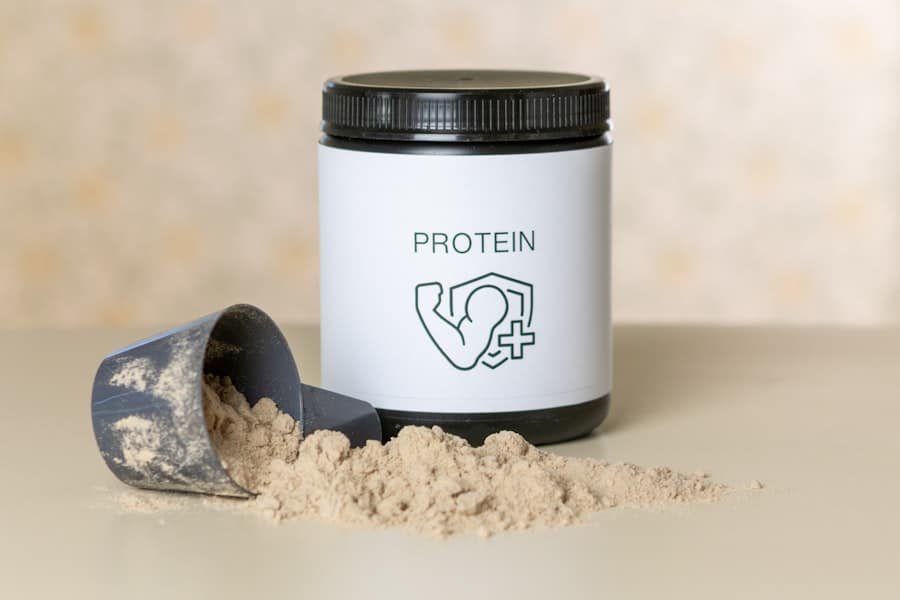
While whole foods should always be the foundation of your nutrition plan, certain supplements can complement your efforts toward muscle growth when used appropriately. Protein powders are among the most popular supplements for those looking to increase their protein intake conveniently. They can be particularly useful post-workout or when you’re on the go and unable to prepare a full meal.
Creatine is another well-researched supplement that has been shown to enhance strength and power output during high-intensity exercise. By increasing phosphocreatine stores in your muscles, creatine allows for more sustained energy during short bursts of activity—making it easier for you to push harder during workouts. Additionally, branched-chain amino acids (BCAAs) may help reduce muscle soreness and support recovery when taken before or after workouts.
In conclusion, understanding the multifaceted approach required for effective muscle growth is essential for anyone looking to enhance their physique or athletic performance. By focusing on macronutrient balance—prioritizing protein while incorporating carbohydrates and healthy fats—you’ll create a solid nutritional foundation. Don’t forget about the importance of micronutrients and hydration; they play vital roles in supporting overall health and performance as well.
With careful attention to meal timing and strategic supplementation when necessary, you can optimize your efforts toward achieving your muscle-building goals.
For more information on structuring workouts for different muscle groups, check out this helpful article here. It provides valuable insights on how to effectively target specific muscle groups during your training sessions. By following a well-structured workout plan, you can maximize muscle growth and achieve your fitness goals more efficiently.
FAQs
What is muscle growth?
Muscle growth, also known as hypertrophy, refers to the increase in the size and strength of skeletal muscles through a combination of resistance training, proper nutrition, and adequate rest.
How does nutrition impact muscle growth?
Nutrition plays a crucial role in muscle growth as it provides the necessary nutrients for muscle repair, recovery, and growth. Consuming adequate amounts of protein, carbohydrates, fats, vitamins, and minerals is essential for supporting muscle growth.
What are the key nutrients for muscle growth?
Protein is the most important nutrient for muscle growth, as it provides the building blocks (amino acids) necessary for muscle repair and growth. Carbohydrates provide energy for workouts, while fats support hormone production and overall health. Additionally, vitamins and minerals play a role in various metabolic processes that support muscle growth.
How much protein is needed for muscle growth?
The general recommendation for protein intake for muscle growth is around 1.6-2.2 grams of protein per kilogram of body weight per day for individuals engaging in resistance training.
What role do carbohydrates play in muscle growth?
Carbohydrates are important for muscle growth as they provide the energy needed for intense workouts and help replenish glycogen stores in the muscles after exercise. This supports muscle recovery and growth.
How does hydration impact muscle growth?
Proper hydration is essential for muscle growth as it supports nutrient transport, muscle function, and overall performance during workouts. Dehydration can negatively impact muscle recovery and growth.
What are some examples of foods that support muscle growth?
Foods that support muscle growth include lean proteins such as chicken, turkey, fish, and tofu, complex carbohydrates like brown rice, quinoa, and sweet potatoes, healthy fats from sources like avocados, nuts, and olive oil, and a variety of fruits and vegetables for essential vitamins and minerals.
How does rest and recovery contribute to muscle growth?
Rest and recovery are crucial for muscle growth as they allow the muscles to repair and rebuild after intense workouts. Adequate sleep, proper rest between workouts, and managing stress all play a role in supporting muscle growth.