
When you embark on a fitness journey, one of the most common goals you might encounter is bulking. This term refers to a phase where individuals aim to gain weight, primarily in the form of muscle mass. Bulking is often associated with weightlifting and bodybuilding, where the objective is to increase strength and size.
However, the approach to bulking can vary significantly from person to person, depending on their goals, body type, and overall lifestyle. Understanding the nuances of bulking can help you make informed decisions about your nutrition and training regimen. As you delve deeper into the world of bulking, you’ll discover two primary methods: clean bulking and dirty bulking.
Each method has its own set of principles, benefits, and drawbacks. By familiarizing yourself with these approaches, you can tailor your bulking strategy to align with your personal fitness goals. Whether you’re looking to pack on muscle for a competition or simply want to enhance your physique, knowing the ins and outs of bulking will empower you to make choices that support your aspirations.
Key Takeaways
- Bulking is a method used by bodybuilders and athletes to gain muscle mass and size through a structured diet and exercise plan.
- Clean bulking involves consuming nutrient-dense foods to support muscle growth while minimizing fat gain.
- Dirty bulking involves consuming a surplus of calories, often from unhealthy foods, to maximize muscle gain without much concern for fat gain.
- Pros of clean bulking include gaining lean muscle mass, improved overall health, and better nutrient absorption.
- Cons of dirty bulking include gaining excess fat, potential health risks, and difficulty in maintaining muscle definition.
What is Clean Bulking?
Clean bulking is a method that emphasizes gaining weight through nutrient-dense foods while minimizing fat gain. The focus here is on consuming high-quality calories that provide your body with the essential nutrients it needs to build muscle effectively. This approach typically involves a well-structured diet that includes lean proteins, whole grains, healthy fats, and plenty of fruits and vegetables.
By prioritizing these food sources, you can ensure that your body receives the vitamins and minerals necessary for optimal performance and recovery. In clean bulking, portion control and macronutrient balance play crucial roles. You’ll likely find yourself tracking your protein intake to support muscle repair and growth while also ensuring you consume enough carbohydrates for energy during workouts.
This method encourages a gradual weight gain of about 0.5 to 1 pound per week, allowing your body to adapt without excessive fat accumulation. As you engage in this process, you may notice improvements in your overall health, energy levels, and workout performance.
What is Dirty Bulking?

On the other end of the spectrum lies dirty bulking, a more relaxed approach to weight gain that allows for a higher intake of calories without strict adherence to food quality. In this method, individuals often consume whatever foods they desire, including fast food, sugary snacks, and processed items, as long as they meet their caloric surplus requirements. The idea behind dirty bulking is that by consuming a significant number of calories, you can maximize muscle growth during intense training periods.
While dirty bulking may seem appealing due to its lack of restrictions, it comes with its own set of challenges. The primary concern is that this method can lead to substantial fat gain alongside muscle mass. Many who choose this approach may find themselves gaining weight rapidly, but not all of it will be lean muscle.
This can result in an increase in body fat percentage, which may require additional cutting phases later on to achieve a desired physique. Understanding the implications of dirty bulking is essential if you want to make an informed decision about your bulking strategy.
Pros and Cons of Clean Bulking
Clean bulking offers several advantages that make it an appealing choice for many fitness enthusiasts. One of the most significant benefits is the potential for healthier weight gain. By focusing on nutrient-dense foods, you’re not only supporting muscle growth but also promoting overall health and well-being.
This method can lead to improved energy levels, better digestion, and enhanced recovery times after workouts. Additionally, clean bulking often results in a more favorable body composition, as you’re likely to gain less fat compared to other methods. However, clean bulking does come with its challenges.
The meticulous nature of tracking macronutrients and meal planning can be time-consuming and may require a level of discipline that some individuals find difficult to maintain. Furthermore, the slower rate of weight gain can be frustrating for those eager to see rapid results. It’s essential to remain patient and committed to the process, as clean bulking is a long-term strategy that requires consistency and dedication.
Pros and Cons of Dirty Bulking
Dirty bulking has its own set of pros and cons that are worth considering before diving into this approach. One of the most appealing aspects is the flexibility it offers in terms of food choices. You can indulge in your favorite treats without feeling guilty about straying from a strict diet plan.
This can make the bulking process more enjoyable and less restrictive for those who struggle with traditional dieting methods. Additionally, the rapid weight gain associated with dirty bulking can be motivating for individuals looking to see quick results in their muscle-building journey. On the flip side, dirty bulking carries significant risks that can impact your long-term fitness goals.
The excessive consumption of unhealthy foods can lead to unwanted fat gain, which may necessitate a more extended cutting phase later on to shed those extra pounds. Moreover, relying on low-quality foods can negatively affect your energy levels and overall health, potentially hindering your performance in the gym. It’s crucial to weigh these factors carefully before committing to a dirty bulking strategy.
Which Bulking Method is Right for You?
Determining which bulking method is right for you depends on various factors, including your fitness goals, body type, and personal preferences. If your primary objective is to build lean muscle while maintaining a healthy body composition, clean bulking may be the better option for you. This method allows for steady progress without excessive fat gain, making it easier to transition into cutting phases when necessary.
Conversely, if you’re someone who thrives on flexibility and enjoys indulging in a variety of foods without strict limitations, dirty bulking might appeal more to your lifestyle. However, it’s essential to consider the potential consequences of this approach on your overall health and fitness goals. Ultimately, the best method for you will align with your values and long-term aspirations while also taking into account how your body responds to different dietary strategies.
Tips for Successful Clean Bulking
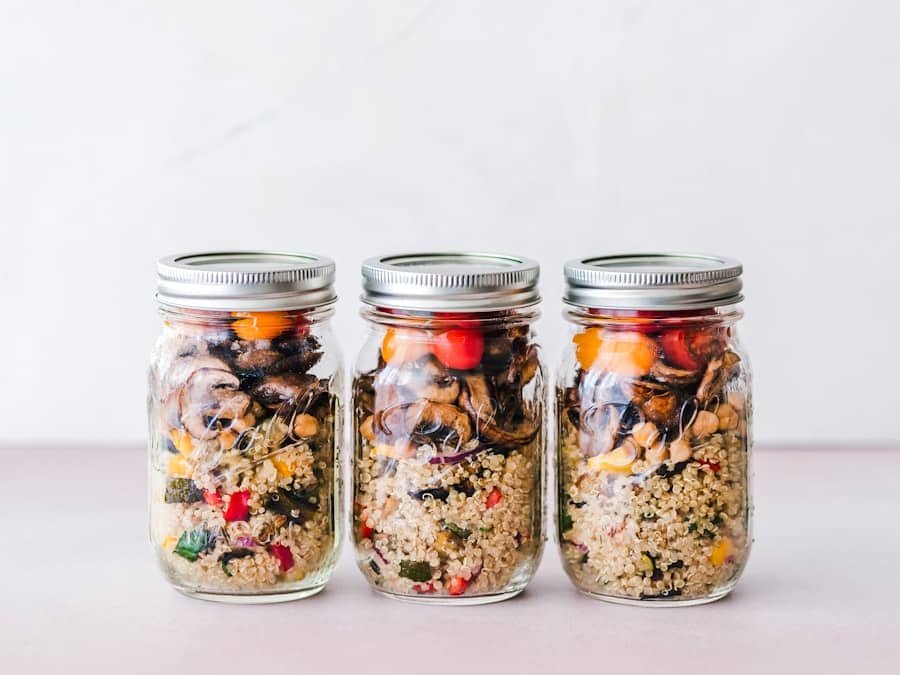
To maximize your success with clean bulking, consider implementing several key strategies into your routine. First and foremost, focus on meal planning and preparation. By dedicating time each week to prepare nutritious meals in advance, you’ll be less likely to reach for unhealthy options when hunger strikes.
Aim for balanced meals that include a source of protein, complex carbohydrates, and healthy fats to fuel your workouts and support muscle growth. Additionally, tracking your macronutrient intake can be incredibly beneficial during this phase. Use apps or journals to monitor your daily consumption and ensure you’re meeting your caloric surplus goals without going overboard on unhealthy foods.
Staying hydrated is equally important; drinking plenty of water throughout the day will help optimize performance and recovery. Lastly, don’t forget about rest days—allowing your body adequate time to recover is crucial for muscle growth and overall progress.
Tips for Successful Dirty Bulking
If you decide that dirty bulking aligns more closely with your goals and lifestyle, there are still ways to make this approach more effective while minimizing potential downsides. One key tip is to strike a balance between indulgence and moderation; while it’s tempting to eat whatever you want, try incorporating some healthier options into your diet as well. This can help mitigate excessive fat gain while still allowing for flexibility in your food choices.
Another important aspect is monitoring your progress regularly. Keep an eye on how your body responds to the increased caloric intake by tracking changes in weight and body composition over time. If you notice that fat gain is becoming excessive, consider adjusting your caloric intake or incorporating more physical activity into your routine.
Lastly, remember that even during a dirty bulk, prioritizing protein intake is essential for muscle repair and growth—aim for high-protein snacks alongside those indulgent treats. In conclusion, whether you choose clean or dirty bulking ultimately depends on your individual goals and preferences. By understanding the principles behind each method and implementing effective strategies tailored to your chosen approach, you can successfully navigate the bulking phase while working towards achieving your fitness aspirations.
If you are interested in learning more about the importance of stress management and its impact on muscle building, check out the article Stress Management and Cortisol Levels. Understanding how stress can affect your body’s ability to build muscle is crucial when deciding between clean bulking and dirty bulking. By managing stress levels effectively, you can optimize your muscle-building potential and achieve your fitness goals more efficiently.
FAQs
What is clean bulking?
Clean bulking is a method of gaining muscle mass and size by consuming a balanced diet that focuses on whole, nutrient-dense foods. This approach typically involves eating lean proteins, complex carbohydrates, healthy fats, and plenty of fruits and vegetables to support muscle growth while minimizing fat gain.
What is dirty bulking?
Dirty bulking is a method of gaining muscle mass and size by consuming a high amount of calories, often from unhealthy and processed foods. This approach typically involves eating a lot of junk food, fast food, and sugary snacks to quickly increase calorie intake and promote muscle growth, but it often leads to excessive fat gain as well.
What are the benefits of clean bulking?
Clean bulking allows individuals to gain muscle mass while minimizing fat gain, which can result in a leaner and more defined physique. Additionally, consuming nutrient-dense foods can support overall health, energy levels, and recovery from intense workouts.
What are the drawbacks of clean bulking?
One potential drawback of clean bulking is that it may require more careful planning and preparation of meals, as well as a higher grocery budget, due to the focus on whole, quality foods. Additionally, some individuals may find it challenging to consume enough calories to support muscle growth without relying on processed or high-calorie foods.
What are the benefits of dirty bulking?
Dirty bulking allows individuals to quickly increase calorie intake and promote muscle growth, which can be beneficial for those who struggle to consume enough calories through clean eating alone. It may also be a more convenient and less restrictive approach for some individuals.
What are the drawbacks of dirty bulking?
One major drawback of dirty bulking is the potential for excessive fat gain, which can lead to a less defined and less healthy physique. Consuming a high amount of processed and unhealthy foods can also negatively impact overall health, energy levels, and athletic performance.
Which approach is better for gaining muscle mass?
The best approach for gaining muscle mass ultimately depends on individual goals, preferences, and overall health. Clean bulking is generally considered a more sustainable and healthier approach, as it supports muscle growth while minimizing fat gain and promoting overall well-being. However, some individuals may find success with a combination of both methods, incorporating some higher-calorie, less nutritious foods strategically while primarily focusing on clean eating.