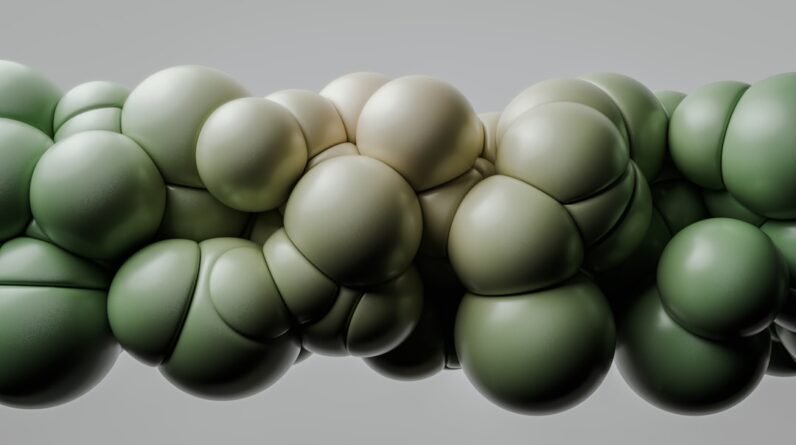
Casein protein is a slow-digesting dairy protein derived from milk, making up about 80% of the protein content in cow’s milk. Unlike its counterpart, whey protein, which is quickly absorbed by the body, casein forms a gel-like substance in the stomach. This unique property allows it to release amino acids gradually into the bloodstream over several hours.
As a result, casein is often favored by those looking to maintain a steady supply of nutrients to their muscles, particularly during periods of fasting, such as overnight. You may find casein protein in various forms, including powders, bars, and even in some dairy products like cottage cheese. Its slow-release nature makes it an excellent option for individuals who want to support muscle recovery and growth while minimizing muscle breakdown.
Whether you are an athlete, a fitness enthusiast, or simply someone looking to improve your overall health, understanding what casein protein is can help you make informed dietary choices.
Key Takeaways
- Casein protein is a slow-digesting protein derived from milk, often used for muscle recovery and growth.
- Benefits of casein protein for lean mass include prolonged muscle protein synthesis, increased muscle mass, and improved muscle recovery.
- Incorporate casein protein into your diet by consuming it before bed, as a meal replacement, or as a snack between meals.
- Casein protein is slower to digest than whey protein, making it ideal for prolonged periods without food, such as overnight.
- The best times to consume casein protein are before bed or during prolonged periods without food, to support muscle recovery and growth.
Benefits of Casein Protein for Lean Mass
One of the primary benefits of casein protein is its ability to promote lean muscle mass. When you consume casein, the slow digestion process leads to a prolonged release of amino acids, which are the building blocks of muscle. This steady supply can help prevent muscle breakdown, especially during periods of calorie restriction or intense training.
By incorporating casein into your diet, you may find that you can maintain or even increase your lean muscle mass more effectively. Additionally, casein protein has been shown to enhance muscle recovery after workouts. The gradual release of amino acids helps repair damaged muscle fibers and supports the synthesis of new muscle tissue.
This is particularly beneficial for those who engage in resistance training or high-intensity workouts. By ensuring that your body has a consistent supply of nutrients, you can optimize your recovery and performance, allowing you to push harder in your training sessions.
How to Incorporate Casein Protein into Your Diet
Incorporating casein protein into your diet can be both simple and enjoyable. One of the most popular ways to consume casein is through protein shakes or smoothies. You can mix casein powder with water or milk and blend it with your favorite fruits for a delicious post-workout treat.
Alternatively, you might consider adding casein to your morning oatmeal or yogurt for an extra protein boost that will keep you feeling full longer. Another effective way to include casein in your meals is through snacks. Cottage cheese, which is rich in casein, can be paired with fruits or nuts for a nutritious snack option.
You could also bake with casein powder, adding it to pancakes or muffins for a protein-rich breakfast or snack. By being creative with your meals and snacks, you can easily integrate casein protein into your daily routine without feeling like you’re forcing it.
When comparing casein protein to whey protein, it’s essential to understand their distinct characteristics and benefits. Whey protein is known for its rapid absorption rate, making it an ideal choice for post-workout recovery when your muscles need immediate nourishment. In contrast, casein’s slow digestion makes it more suitable for times when you won’t be eating for an extended period, such as before bed.
Both proteins have their unique advantages depending on your goals and lifestyle. If you’re looking for a quick source of protein to fuel your workouts or aid in recovery immediately after exercise, whey may be the better option for you. However, if you’re aiming to sustain muscle growth and prevent breakdown over a longer duration, incorporating casein into your diet could be more beneficial.
Ultimately, many individuals find that using both proteins at different times can provide a well-rounded approach to their nutritional needs.
Best Times to Consume Casein Protein
Timing your intake of casein protein can significantly impact its effectiveness in supporting muscle growth and recovery. One of the most recommended times to consume casein is before bedtime. Since it digests slowly, having a casein shake or snack before sleep can provide your body with a steady supply of amino acids throughout the night.
This can be particularly advantageous for those who engage in intense training or are looking to build muscle mass. Another optimal time to consume casein is during long periods without food, such as between meals or during extended work hours. If you know you won’t have access to food for several hours, having a casein-rich snack can help maintain your energy levels and prevent muscle breakdown.
By strategically timing your casein intake, you can maximize its benefits and support your fitness goals more effectively.
Potential Side Effects of Casein Protein
While casein protein offers numerous benefits, it’s essential to be aware of potential side effects that may arise from its consumption. For individuals who are lactose intolerant or have a dairy allergy, consuming casein can lead to digestive discomfort, bloating, or allergic reactions. If you experience any adverse effects after consuming casein products, it may be wise to consult with a healthcare professional or consider alternative protein sources.
Additionally, excessive intake of any protein supplement can lead to imbalances in your diet. Relying too heavily on casein without incorporating other nutrients may result in deficiencies over time. It’s crucial to maintain a balanced diet that includes a variety of food sources to ensure you’re meeting all your nutritional needs while enjoying the benefits of casein protein.
Casein Protein Supplements
Casein protein supplements come in various forms, including powders and ready-to-drink shakes. When selecting a casein supplement, it’s essential to choose high-quality products that are free from unnecessary additives and fillers. Look for brands that provide clear information about their sourcing and manufacturing processes to ensure you’re getting a product that aligns with your health goals.
In addition to traditional casein powders, there are also blended protein supplements available that combine both whey and casein proteins. These blends can offer the benefits of both fast-acting and slow-digesting proteins, providing a comprehensive approach to muscle recovery and growth. By exploring different types of casein supplements, you can find the one that best fits your lifestyle and preferences.
Is Casein Protein Right for You?
Deciding whether casein protein is right for you ultimately depends on your individual goals and dietary preferences. If you’re looking to build lean muscle mass, enhance recovery from workouts, or simply maintain a steady supply of nutrients throughout the day, incorporating casein into your diet could be highly beneficial. Its slow-digesting nature makes it an excellent choice for nighttime consumption or during long periods without food.
However, it’s essential to consider any potential allergies or intolerances you may have before adding casein protein to your routine. If you’re unsure about how much protein you need or how best to incorporate it into your diet, consulting with a nutritionist or healthcare professional can provide personalized guidance tailored to your specific needs. Ultimately, by understanding the benefits and potential drawbacks of casein protein, you can make an informed decision that aligns with your health and fitness goals.
If you are looking to build lean muscle mass, incorporating creatine into your supplement routine may be beneficial. According to a recent article on musclesbuilder.tips, creatine has been shown to improve strength and muscle gains, making it a valuable addition to your workout regimen. Pairing creatine with casein protein can help optimize your muscle-building efforts and support your overall fitness goals.
FAQs
What is casein protein?
Casein protein is a type of protein found in milk and dairy products. It is a slow-digesting protein that provides a sustained release of amino acids into the bloodstream, making it ideal for promoting muscle growth and recovery.
How does casein protein help with lean mass gain?
Casein protein helps with lean mass gain by providing a steady supply of amino acids to the muscles, which can support muscle protein synthesis and prevent muscle breakdown. This can help promote muscle growth and recovery, leading to an increase in lean muscle mass.
When is the best time to take casein protein for lean mass gain?
The best time to take casein protein for lean mass gain is before bed or between meals. Because it is slow-digesting, casein protein can provide a sustained release of amino acids to the muscles during periods of fasting, such as overnight or between meals, which can support muscle growth and recovery.
Is casein protein suitable for people with lactose intolerance?
Casein protein may not be suitable for people with lactose intolerance, as it is derived from milk and contains lactose. However, there are lactose-free and low-lactose options available for those with lactose intolerance.
Are there any potential side effects of consuming casein protein?
Some potential side effects of consuming casein protein may include digestive issues such as bloating, gas, or stomach discomfort, especially for those who are lactose intolerant. It is important to consult with a healthcare professional before adding casein protein to your diet, especially if you have any underlying health conditions.