
When you find yourself recovering from an injury, the importance of muscle building cannot be overstated. Muscle strength plays a crucial role in your overall recovery process, as it directly influences your ability to regain mobility and function. As you navigate through the challenges of rehabilitation, you may discover that building muscle not only aids in healing but also enhances your resilience against future injuries.
The process of muscle building helps to restore the balance and strength that may have been compromised due to your injury, allowing you to return to your daily activities with confidence. Moreover, muscle building is essential for maintaining a healthy metabolism and supporting your body’s healing processes. When you engage in strength training, you stimulate the production of various hormones that promote tissue repair and growth.
This hormonal response can significantly enhance your recovery timeline, enabling you to bounce back more effectively. As you focus on rebuilding your muscle mass, you will likely notice improvements in your energy levels and overall well-being, which can be incredibly motivating during the often-challenging journey of injury recovery.
Key Takeaways
- Muscle building is crucial for injury recovery as it helps to restore strength and function to the affected area.
- Strength training aids in rehabilitation by promoting muscle growth and improving overall physical performance.
- Post-surgery recovery can be enhanced through strength training, which helps to rebuild muscle and support the healing process.
- Building muscle can help prevent future injuries by increasing overall strength and stability in the body.
- Muscle building plays a significant role in improving joint stability, reducing the risk of injury and promoting better overall function.
How Muscle Building Aids in Rehabilitation
Enhancing Stability and Reducing Pain
By focusing on muscle building during rehabilitation, you create a more stable environment for healing, allowing your body to recover more efficiently. Additionally, muscle building can help alleviate pain and discomfort associated with injuries. As you strengthen your muscles, you improve their ability to absorb shock and distribute forces more evenly across your joints.
Improving Range of Motion and Flexibility
This can lead to a reduction in pain levels and an increase in your overall range of motion. You may find that as your muscles become stronger, you experience less stiffness and greater flexibility, which are vital components of a successful rehabilitation process.
Taking Control of Your Recovery
By prioritizing muscle building, you empower yourself to take control of your recovery journey. With a stronger, more resilient body, you’ll be better equipped to handle the stresses of daily activities, reducing the risk of re-injury and paving the way for a successful return to optimal health and function.
The Role of Strength Training in Post-Surgery Recovery
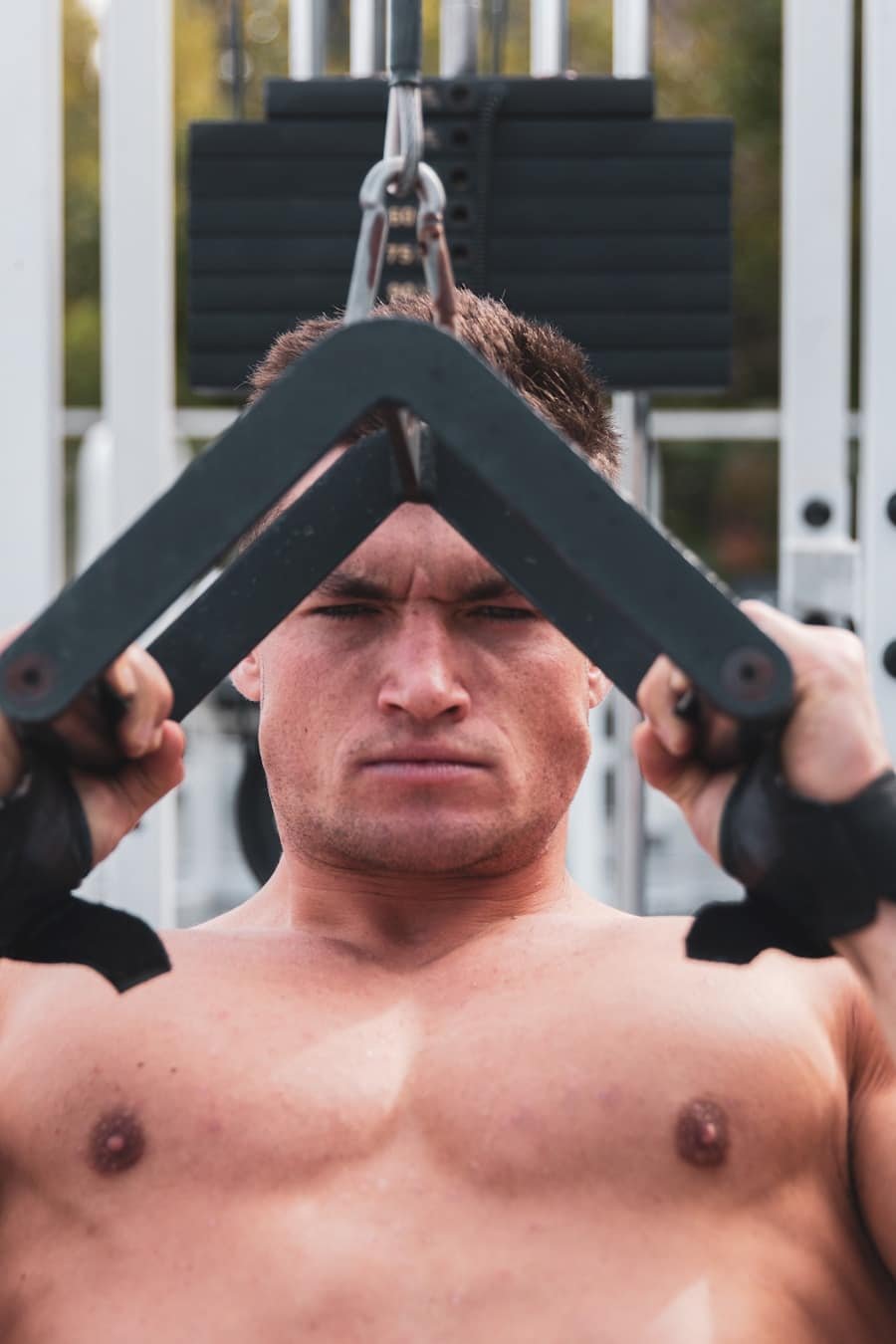
After undergoing surgery, the road to recovery can feel daunting. However, incorporating strength training into your post-surgery rehabilitation can significantly enhance your healing process. Engaging in strength training exercises helps to rebuild muscle mass that may have been lost during your time of inactivity or due to the surgical procedure itself.
By focusing on gradual muscle building, you can restore strength and functionality to the affected area while also improving your overall physical condition. Furthermore, strength training plays a vital role in regaining mobility after surgery. As you work on building muscle, you will likely notice improvements in your ability to perform everyday tasks.
This newfound strength can boost your confidence and motivation as you progress through your recovery. Additionally, strength training can help prevent complications such as blood clots or muscle atrophy, which are common concerns following surgery. By prioritizing muscle building during this critical phase, you set yourself up for a smoother and more effective recovery.
Building Muscle to Prevent Future Injuries
One of the most significant benefits of muscle building is its role in injury prevention. When you strengthen your muscles, you create a protective barrier around your joints and connective tissues, making them less susceptible to injury. By focusing on building muscle, you enhance your body’s ability to absorb impact and withstand physical stressors, which is particularly important if you engage in sports or other high-impact activities.
This proactive approach can help you avoid setbacks and maintain an active lifestyle. In addition to physical protection, building muscle also contributes to improved proprioception and coordination. As you strengthen your muscles, you develop better awareness of your body’s position in space, which is crucial for preventing falls and other accidents.
This heightened sense of body awareness allows you to move more confidently and efficiently, reducing the likelihood of injuries caused by missteps or awkward movements. By prioritizing muscle building as part of your fitness routine, you invest in your long-term health and well-being.
The Impact of Muscle Building on Joint Stability
Joint stability is a critical factor in maintaining overall physical health, and muscle building plays a pivotal role in enhancing this stability. Strong muscles provide support to your joints, helping to keep them aligned and functioning properly. When you engage in strength training exercises that target specific muscle groups around your joints, you create a more stable environment that reduces the risk of injury.
This is especially important for individuals who have experienced joint-related injuries or conditions such as arthritis. Moreover, improved joint stability can lead to enhanced athletic performance. As you build muscle and strengthen the supporting structures around your joints, you may find that you can perform movements with greater ease and efficiency.
This increased stability allows for better control during physical activities, whether you’re running, jumping, or lifting weights. By focusing on muscle building as part of your fitness regimen, you not only protect your joints but also unlock your full potential as an athlete or active individual.
Incorporating Resistance Training into Physical Therapy

Personalized Programs for Optimal Results
Your physical therapist can help design a program tailored to your specific needs and goals, ensuring that you safely build muscle while addressing any limitations caused by your injury. As you engage in resistance training during physical therapy, you’ll likely notice improvements in both strength and function. This dual focus allows you to work on regaining mobility while simultaneously building the muscle necessary for long-term recovery.
Enhanced Endurance and Stamina
Additionally, resistance training can help improve your overall endurance and stamina, making it easier for you to participate in daily activities without fatigue or discomfort. By embracing resistance training as part of your rehabilitation process, you empower yourself to take charge of your recovery and achieve lasting results.
Taking Charge of Your Recovery
By incorporating resistance training into your physical therapy program, you can accelerate your progress, enhance your rehabilitation efforts, and achieve lasting results. With the guidance of your physical therapist, you can take charge of your recovery and regain the strength, mobility, and endurance needed to live a healthy and active life.
Muscle Building for Long-Term Health and Functionality
The benefits of muscle building extend far beyond injury recovery; they play a crucial role in promoting long-term health and functionality. As you age, maintaining muscle mass becomes increasingly important for preserving mobility and independence. Engaging in regular strength training not only helps combat age-related muscle loss but also supports bone health and metabolic function.
By prioritizing muscle building throughout your life, you invest in a healthier future where you can continue to enjoy an active lifestyle. Moreover, strong muscles contribute to better overall health by reducing the risk of chronic conditions such as obesity, diabetes, and cardiovascular disease. When you build muscle through regular exercise, you enhance your body’s ability to regulate blood sugar levels and improve cardiovascular fitness.
This holistic approach to health ensures that you’re not only recovering from injuries but also setting yourself up for a lifetime of vitality and well-being.
Considerations for Muscle Building in Injury Recovery and Surgery Rehabilitation
While the benefits of muscle building during injury recovery are clear, there are several important considerations to keep in mind as you embark on this journey. First and foremost, it’s essential to consult with healthcare professionals before starting any new exercise program, especially if you’re recovering from an injury or surgery. Your doctor or physical therapist can provide guidance on safe exercises tailored to your specific condition and needs.
Additionally, it’s crucial to listen to your body throughout the process. While pushing yourself is important for progress, overexertion can lead to setbacks or further injury. Gradually increasing the intensity of your workouts while allowing adequate time for rest and recovery is key to successful muscle building during rehabilitation.
By approaching this journey with patience and mindfulness, you’ll be better equipped to achieve lasting results that support both your recovery and long-term health goals. In conclusion, muscle building is an integral component of injury recovery and rehabilitation that offers numerous benefits for both short-term healing and long-term health. By prioritizing strength training throughout this process, you empower yourself to regain mobility, prevent future injuries, enhance joint stability, and promote overall well-being.
With careful consideration and guidance from healthcare professionals, you can embark on a successful journey toward recovery that sets the stage for a healthier future.
Can Muscle Building Help Individuals Recover from Injuries or Surgeries? This is a question that many people may have when considering incorporating strength training into their rehabilitation routine. According to a recent article on musclesbuilder.tips, having a proper diet that supports muscle building while also promoting fat loss can be beneficial for overall recovery. Additionally, motivational strategies and techniques discussed in another article on the same site ( 0 ){ var maf_after_1st_p_data = maf_decode_string(''); var maf_after_2nd_p_data = maf_decode_string(''); var maf_after_3rd_p_data = maf_decode_string(''); var maf_after_4th_p_data = maf_decode_string(''); var maf_after_5th_p_data = maf_decode_string(''); var maf_after_6th_p_data = maf_decode_string(''); var maf_after_7th_p_data = maf_decode_string(''); var maf_after_8th_p_data = maf_decode_string(''); var maf_after_9th_p_data = maf_decode_string(''); var maf_after_10th_p_data = maf_decode_string(''); var maf_after_every_p_data = maf_decode_string(''); var maf_after_last_p_data = maf_decode_string(''); } $(document).ready(function(){ if(maf_header_data.trim() !== ''){ $($('header')[0]).append(maf_header_data); } if(maf_below_header_data.trim() !== ''){ $($('header')[0]).after(maf_below_header_data); } if(maf_above_header_data.trim() !== ''){ $($('header')[0]).before(maf_above_header_data); } if(maf_footer_data.trim() !== ''){ $($('footer')[0]).append(maf_footer_data); } if(maf_after_footer_data.trim() !== ''){ $($('footer')[0]).after(maf_after_footer_data); } if(maf_above_footer_data.trim() !== ''){ $($('footer')[0]).before(maf_above_footer_data); } if(maf_above_post_title_data.trim() !== ''){ $($('.entry-title')[0]).before(maf_above_post_title_data); } if(maf_below_post_title_data.trim() !== ''){ $($('.entry-title')[0]).after(maf_below_post_title_data); } if(typeof $(all_p)[0] !== typeof undefined && maf_after_1st_p_data.trim() !== ''){ $($(all_p)[0]).append(maf_after_1st_p_data); } if(typeof $(all_p)[1] !== typeof undefined && maf_after_2nd_p_data.trim() !== ''){ $($(all_p)[1]).append(maf_after_2nd_p_data); } if(typeof $(all_p)[2] !== typeof undefined && maf_after_3rd_p_data.trim() !== ''){ $($(all_p)[2]).append(maf_after_3rd_p_data); } if(typeof $(all_p)[3] !== typeof undefined && maf_after_4th_p_data.trim() !== ''){ $($(all_p)[3]).append(maf_after_4th_p_data); } if(typeof $(all_p)[4] !== typeof undefined && maf_after_5th_p_data.trim() !== ''){ $($(all_p)[4]).append(maf_after_5th_p_data); } if(typeof $(all_p)[5] !== typeof undefined && maf_after_6th_p_data.trim() !== ''){ $($(all_p)[5]).append(maf_after_6th_p_data); } if(typeof $(all_p)[6] !== typeof undefined && maf_after_7th_p_data.trim() !== ''){ $($(all_p)[6]).append(maf_after_7th_p_data); } if(typeof $(all_p)[7] !== typeof undefined && maf_after_8th_p_data.trim() !== ''){ $($(all_p)[7]).append(maf_after_8th_p_data); } if(typeof $(all_p)[8] !== typeof undefined && maf_after_9th_p_data.trim() !== ''){ $($(all_p)[8]).append(maf_after_9th_p_data); } if(typeof $(all_p)[9] !== typeof undefined && maf_after_10th_p_data.trim() !== ''){ $($(all_p)[9]).append(maf_after_10th_p_data); } $(all_p).each(function(i,v){ if(maf_after_every_p_data.trim() !== ''){ $(v).append(maf_after_every_p_data); } }); if(typeof $(all_p).last() !== typeof undefined && typeof maf_after_last_p_data !== typeof undefined && maf_after_last_p_data.trim() !== ''){ $($(all_p).last()[0]).append(maf_after_last_p_data); } }); function maf_decode_string(str){ str = str.replace('\'',"'"); str = str.replace('\"','"'); return str; }