When it comes to building muscle, many people immediately think of heavy weights and traditional gym equipment. However, there are numerous alternative methods that can be just as effective, if not more so, for achieving your fitness goals. You may find that exploring these alternatives not only diversifies your workout routine but also makes the process more enjoyable.
Whether you’re a beginner or a seasoned athlete, understanding these methods can help you tailor your approach to muscle building in a way that suits your lifestyle and preferences. In this article, you will delve into various strategies for building muscle without relying solely on heavy weights. From bodyweight exercises to high-volume training, you will discover how to effectively stimulate muscle growth using different techniques.
By the end of this exploration, you will have a comprehensive understanding of how to incorporate these alternative methods into your fitness regimen, allowing you to achieve your muscle-building goals in a sustainable and enjoyable manner.
Key Takeaways
- Resistance training is essential for building muscle and can be achieved through various methods.
- Bodyweight exercises can be effective for muscle building, especially for beginners or those without access to traditional gym equipment.
- High-volume training can lead to muscle growth by increasing the intensity and volume of workouts.
- Resistance bands and cable machines are valuable tools for muscle building, offering versatility and targeted resistance.
- Progressive overload and proper nutrition are key factors in muscle building, regardless of the method used.
Understanding the Role of Resistance in Muscle Building
Resistance is a fundamental component of muscle building, as it is the force that your muscles must work against to grow and strengthen. When you engage in resistance training, whether through weights, bodyweight exercises, or resistance bands, you create micro-tears in your muscle fibers. This process triggers the body’s repair mechanisms, leading to muscle growth and increased strength over time.
You may be surprised to learn that resistance can come in many forms, and it doesn’t always have to involve lifting heavy weights. Incorporating various types of resistance into your workouts can keep things fresh and exciting. For instance, bodyweight exercises like push-ups and squats utilize your own body weight as resistance, while resistance bands offer adjustable levels of tension that can be tailored to your fitness level.
Understanding how different forms of resistance work can empower you to create a balanced workout routine that effectively targets all major muscle groups, ensuring comprehensive development and preventing plateaus.
Exploring Bodyweight Exercises for Muscle Building
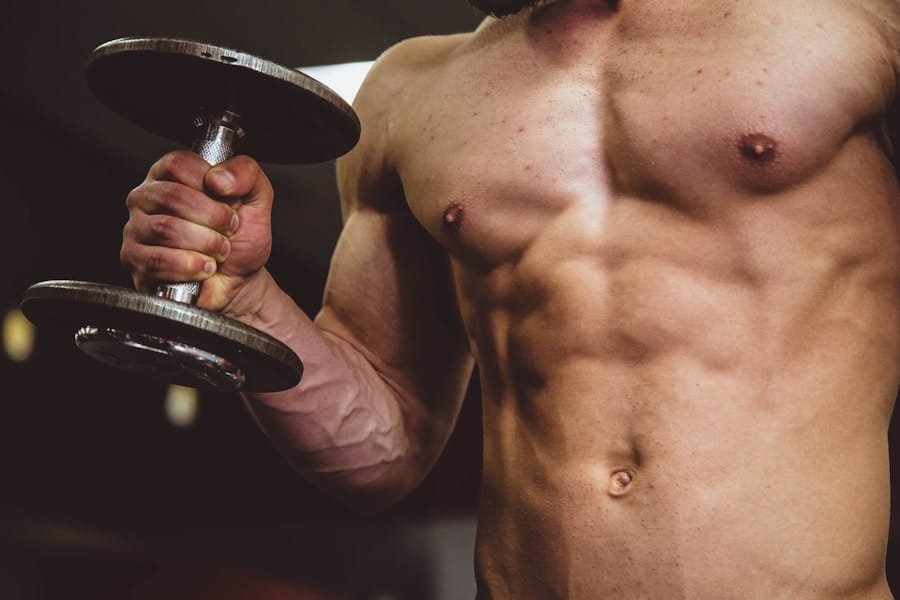
Bodyweight exercises are an excellent way to build muscle without the need for heavy weights or specialized equipment. These exercises leverage your own body weight as resistance, making them accessible and versatile. You might find that incorporating movements such as push-ups, pull-ups, squats, and lunges into your routine can yield impressive results.
Not only do these exercises promote muscle growth, but they also enhance functional strength and improve overall body control. One of the key advantages of bodyweight exercises is their adaptability. You can modify the intensity of each movement to suit your fitness level.
For example, if standard push-ups become too easy, you can progress to variations like decline push-ups or one-arm push-ups. This adaptability allows you to continuously challenge your muscles and stimulate growth without the need for heavy weights. Additionally, bodyweight exercises can be performed anywhere—at home, in a park, or while traveling—making them a convenient option for maintaining your fitness routine.
The Benefits of High-Volume Training for Muscle Growth
High-volume training is another effective method for building muscle that focuses on performing a greater number of repetitions and sets within a workout session. This approach can lead to increased time under tension for your muscles, which is crucial for stimulating growth. You may find that incorporating high-volume training into your routine allows you to push your limits and achieve new levels of strength and endurance.
One of the primary benefits of high-volume training is its ability to enhance muscular endurance alongside hypertrophy. By performing multiple sets with higher repetitions, you not only build muscle but also improve your stamina. This dual benefit can be particularly advantageous if you’re looking to excel in sports or activities that require sustained physical effort.
Additionally, high-volume training can be easily integrated with other methods, such as bodyweight exercises or resistance bands, providing you with a well-rounded approach to muscle building.
Incorporating Resistance Bands and Cable Machines for Muscle Building
Resistance bands and cable machines are fantastic tools for building muscle without the need for heavy weights. Resistance bands offer a unique form of resistance that increases as you stretch them, providing a different stimulus compared to traditional weights. You might find that using bands allows for greater range of motion and versatility in your workouts.
Exercises like banded squats, rows, and chest presses can effectively target various muscle groups while minimizing the risk of injury. Cable machines also provide an excellent alternative for muscle building. They allow for controlled movements and constant tension throughout the exercise, which can be beneficial for targeting specific muscles more effectively.
You may appreciate the variety of exercises available on cable machines, from tricep pushdowns to cable flys. Both resistance bands and cable machines can be easily incorporated into your routine, offering a dynamic way to challenge your muscles without relying solely on free weights.
The Importance of Progressive Overload in Muscle Building
Progressive overload is a crucial principle in any effective muscle-building program. It refers to the gradual increase of stress placed on your muscles over time, which is essential for continued growth and adaptation. You may find that by consistently challenging yourself—whether through increasing resistance, adding more repetitions, or reducing rest times—you can keep your workouts effective and engaging.
Implementing progressive overload doesn’t have to mean lifting heavier weights; it can also involve increasing the difficulty of bodyweight exercises or adjusting the tension on resistance bands. For instance, if you’re performing push-ups, you could elevate your feet or add pauses at the bottom of each rep to increase the challenge. By focusing on progressive overload in various forms, you ensure that your muscles are continually adapting and growing stronger.
Exploring the Role of Nutrition in Muscle Building Without Heavy Weights
While exercise is vital for building muscle, nutrition plays an equally important role in supporting your efforts. You may already know that consuming adequate protein is essential for muscle repair and growth; however, it’s also crucial to pay attention to your overall diet. A balanced intake of carbohydrates and healthy fats will provide the energy needed for your workouts and recovery.
Consider incorporating nutrient-dense foods into your meals to support muscle growth effectively. Lean proteins such as chicken, fish, beans, and legumes should be staples in your diet. Additionally, complex carbohydrates like whole grains and vegetables will fuel your workouts while providing essential vitamins and minerals.
Don’t forget about healthy fats from sources like avocados, nuts, and olive oil; they play a vital role in hormone production and overall health. By focusing on nutrition alongside your alternative muscle-building methods, you’ll create a holistic approach that maximizes your results.
Finding the Right Approach for Your Muscle Building Goals
In conclusion, building muscle without heavy weights is not only possible but can also be highly effective when approached with the right mindset and techniques. By exploring alternative methods such as bodyweight exercises, high-volume training, resistance bands, and cable machines, you can create a diverse workout routine that keeps you engaged and motivated. Remember that progressive overload is key to continued growth; challenge yourself regularly to ensure that your muscles are adapting.
Moreover, don’t underestimate the importance of nutrition in supporting your muscle-building journey. A well-rounded diet rich in protein, carbohydrates, and healthy fats will provide the foundation needed for optimal performance and recovery. As you embark on this journey toward building muscle without heavy weights, remain open-minded and willing to experiment with different approaches until you find what works best for you.
Ultimately, the right method will align with your personal preferences and lifestyle while helping you achieve your fitness goals effectively.
If you’re interested in building muscle without lifting heavy weights, you may also want to check out this article on how to build muscle faster. This article provides tips and strategies for maximizing muscle growth through proper nutrition, supplementation, and workout routines. Additionally, you may find this article on creating a home gym setup for muscle growth helpful in designing a space that allows you to effectively train and build muscle at home. Remember, building muscle is not just about lifting heavy weights, but also about incorporating a well-rounded approach to training, recovery, and nutrition.
FAQs
What are the benefits of building muscle without lifting heavy weights?
Building muscle without lifting heavy weights can still provide benefits such as increased muscle endurance, improved muscle tone, and enhanced overall strength and functionality.
What are some alternative ways to build muscle without lifting heavy weights?
Some alternative ways to build muscle without lifting heavy weights include bodyweight exercises, resistance band workouts, and using lighter weights with higher repetitions.
Can I still achieve significant muscle growth without lifting heavy weights?
Yes, it is possible to achieve significant muscle growth without lifting heavy weights by focusing on progressive overload, proper nutrition, and adequate rest and recovery.
What are some examples of exercises for building muscle without lifting heavy weights?
Examples of exercises for building muscle without lifting heavy weights include push-ups, squats, lunges, planks, and various bodyweight exercises targeting different muscle groups.
Is it important to have a balanced diet when trying to build muscle without lifting heavy weights?
Yes, maintaining a balanced diet that includes an adequate amount of protein, carbohydrates, and healthy fats is important for building muscle, regardless of the method of training.