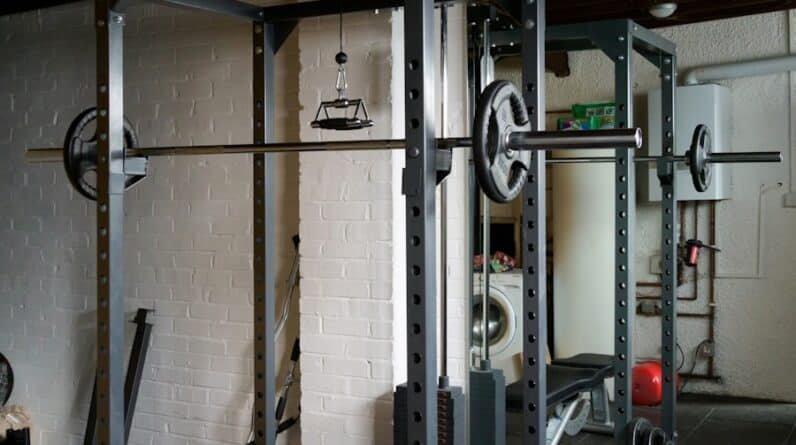
Building muscle at home offers a plethora of advantages that can significantly enhance your fitness journey. One of the most compelling benefits is the convenience it provides. You can work out whenever it fits into your schedule, eliminating the need to commute to a gym.
This flexibility allows you to integrate workouts into your daily routine more seamlessly, whether you prefer early morning sessions or late-night workouts. Additionally, the comfort of your own space can help you feel more relaxed and focused, enabling you to concentrate on your exercises without the distractions often found in a gym environment. Another significant benefit is the cost-effectiveness of home workouts.
Gym memberships can be expensive, and many people find themselves paying for services they don’t fully utilize. By building muscle at home, you can save money while still achieving your fitness goals. You have the freedom to choose your equipment and workout style without being tied to a specific gym’s offerings.
This autonomy allows you to explore various training methods and find what works best for you, ultimately leading to a more personalized and enjoyable fitness experience.
Key Takeaways
- Building muscle at home saves time and money by eliminating the need for a gym membership and commute.
- Basic equipment like dumbbells, resistance bands, and a stability ball are sufficient for building muscle at home.
- High-intensity interval training (HIIT) and bodyweight exercises are effective for building muscle at home.
- A balanced diet with adequate protein, carbohydrates, and healthy fats is essential for muscle building at home.
- Setting realistic goals, tracking progress, and scheduling rest days are important for successful muscle building at home.
Equipment Needed for Building Muscle at Home
When it comes to building muscle at home, having the right equipment can make a substantial difference in your progress. While you don’t need a fully equipped gym, investing in some essential tools can enhance your workouts significantly. Dumbbells are a versatile option that allows you to perform a wide range of exercises targeting different muscle groups.
Adjustable dumbbells are particularly beneficial as they save space and can be modified to suit various strength levels. Resistance bands are another excellent addition to your home gym. They are lightweight, portable, and can be used for numerous exercises, making them perfect for both beginners and advanced lifters.
Additionally, a sturdy exercise mat can provide comfort during floor exercises and help prevent injuries. If you have the space and budget, consider adding a bench or stability ball to diversify your workout options further. With just a few key pieces of equipment, you can create an effective home workout environment that supports your muscle-building goals.
Types of Workouts for Building Muscle at Home

There are several effective workout styles you can incorporate into your home routine to build muscle. One popular method is bodyweight training, which utilizes your own weight as resistance. Exercises like push-ups, squats, lunges, and planks can be incredibly effective for building strength and endurance without any equipment.
Bodyweight workouts can be easily modified to increase or decrease difficulty, making them suitable for all fitness levels. Another effective approach is circuit training, which combines strength exercises with minimal rest in between sets. This method not only builds muscle but also improves cardiovascular fitness.
You can create circuits that include a mix of resistance exercises and high-intensity movements like burpees or jumping jacks. This keeps your heart rate elevated while targeting multiple muscle groups, leading to efficient workouts that maximize your time and effort.
Nutrition and Diet for Building Muscle at Home
Nutrition plays a crucial role in building muscle effectively at home. To support your training efforts, it’s essential to consume a balanced diet rich in protein, healthy fats, and carbohydrates. Protein is particularly important as it provides the building blocks necessary for muscle repair and growth.
Incorporating sources like lean meats, fish, eggs, legumes, and dairy into your meals can help ensure you meet your protein needs. In addition to protein, don’t overlook the importance of carbohydrates and fats in your diet. Carbohydrates provide the energy needed for intense workouts, while healthy fats support overall health and hormone production.
Aim for whole grains, fruits, vegetables, nuts, and seeds to create a well-rounded diet that fuels your body effectively. Staying hydrated is equally important; drinking enough water throughout the day will help optimize your performance and recovery.
Overcoming Challenges of Building Muscle at Home
While building muscle at home has its advantages, it also presents unique challenges that you may need to navigate. One common obstacle is the potential for distractions in your home environment. Unlike a gym setting where the focus is primarily on fitness, home life can introduce interruptions from family members, pets, or household chores.
To combat this, consider designating a specific area in your home as your workout space. This can help create a mental association between that space and exercise, making it easier to stay focused during your workouts. Another challenge is the lack of access to certain equipment or professional guidance that you might find in a gym.
However, this can be overcome by utilizing online resources such as workout videos or fitness apps that provide structured routines and expert advice. Many trainers offer virtual coaching sessions that can help you stay on track and ensure you’re using proper form during exercises. Embracing these resources can empower you to overcome limitations and continue progressing toward your muscle-building goals.
Tracking Progress and Setting Goals for Building Muscle at Home

Tracking your progress is essential when building muscle at home, as it helps you stay motivated and accountable. One effective way to monitor your development is by keeping a workout journal where you record the exercises performed, weights lifted, and repetitions completed. This not only allows you to see how far you’ve come but also helps identify areas where you may need to adjust your training regimen.
Setting specific, measurable goals is another crucial aspect of tracking progress. Instead of vague objectives like “get stronger,” aim for concrete targets such as “increase my squat weight by 10 pounds in six weeks.” This specificity provides clear direction and makes it easier to celebrate milestones along the way. Regularly reassessing your goals will also keep you engaged in your fitness journey and encourage continuous improvement.
Incorporating Rest and Recovery into Home Muscle Building
Rest and recovery are often overlooked components of any fitness program but are vital for building muscle effectively at home. When you engage in strength training, you’re creating small tears in your muscle fibers that need time to heal and grow stronger. Without adequate rest, you risk overtraining, which can lead to fatigue and injury.
Make sure to schedule rest days into your routine to allow your body the time it needs to recover fully. In addition to taking days off from intense workouts, consider incorporating active recovery techniques into your routine. Activities like light stretching, yoga, or leisurely walks can promote blood flow and aid in recovery without putting additional strain on your muscles.
Prioritizing sleep is also essential; aim for 7-9 hours of quality sleep each night to support optimal recovery and overall health.
Tips for Staying Motivated and Consistent with Home Muscle Building
Staying motivated while building muscle at home can sometimes be challenging due to the lack of external accountability found in a gym setting. To maintain consistency in your workouts, consider establishing a routine that works for you. Set specific days and times for your workouts and treat them as unmissable appointments in your calendar.
This commitment will help reinforce the habit of exercising regularly. Another effective strategy is to find ways to make your workouts enjoyable. Experiment with different types of exercises or workout formats until you discover what excites you most.
You might also consider joining online fitness communities or social media groups where you can share experiences with others on similar journeys. Engaging with like-minded individuals can provide encouragement and inspiration when motivation wanes. In conclusion, building muscle at home is not only feasible but also offers numerous benefits that cater to individual preferences and lifestyles.
By equipping yourself with the right tools, understanding effective workout strategies, prioritizing nutrition, overcoming challenges, tracking progress, incorporating rest, and staying motivated, you can successfully achieve your muscle-building goals from the comfort of your own home. Embrace this journey with determination and creativity; the results will be well worth the effort!
If you are looking to build muscle at home without a gym membership, you may want to consider incorporating compound exercises into your routine. Compound exercises are multi-joint movements that engage multiple muscle groups at once, making them highly effective for building muscle. Prioritizing Compound Exercises for Natural Muscle Growth is a great article that delves deeper into the benefits of compound exercises and how they can help you achieve your muscle-building goals. Check it out here.
FAQs
What are the benefits of building muscle at home without a gym membership?
Building muscle at home without a gym membership can be cost-effective, convenient, and flexible. It allows individuals to work out on their own schedule and in the comfort of their own home.
What equipment is needed to build muscle at home without a gym membership?
To build muscle at home without a gym membership, individuals can use bodyweight exercises, resistance bands, dumbbells, kettlebells, and other portable fitness equipment. It is also possible to use household items such as water bottles or cans as makeshift weights.
What are some effective exercises for building muscle at home without a gym membership?
Effective exercises for building muscle at home without a gym membership include push-ups, squats, lunges, planks, pull-ups, and various bodyweight exercises. Additionally, using resistance bands or weights can add variety and intensity to a home workout routine.
Can I achieve the same results building muscle at home without a gym membership as I would at a gym?
Yes, it is possible to achieve similar results building muscle at home without a gym membership as long as the individual follows a well-structured workout routine and maintains a proper diet. Consistency and progressive overload are key factors in building muscle, regardless of the workout environment.
Are there any limitations to building muscle at home without a gym membership?
While it is possible to build muscle at home without a gym membership, there may be limitations in terms of access to certain equipment and facilities. Additionally, some individuals may find it challenging to stay motivated and focused without the external environment and support of a gym.