
When it comes to building muscle, many people assume that a proper diet must come with a hefty price tag. However, you can achieve your fitness goals without breaking the bank. A budget muscle building meal plan is not only feasible but can also be delicious and satisfying.
By focusing on nutrient-dense foods that are affordable, you can fuel your body effectively while keeping your finances in check. This article will guide you through the essentials of creating a budget-friendly meal plan that supports your muscle-building journey. You may be surprised to learn that muscle building is not solely about protein intake; it involves a balanced approach to nutrition that includes carbohydrates and healthy fats as well.
With a little creativity and planning, you can craft meals that provide the necessary macronutrients without overspending. This guide will help you understand the importance of nutrition, how to plan your meals, and even provide sample meal ideas that fit within a budget.
Key Takeaways
- Proper nutrition is essential for muscle building and should be a key focus in any meal plan.
- Planning a budget-friendly muscle building meal plan involves strategic shopping and meal timing.
- Sample budget muscle building meal plans can provide inspiration and guidance for creating your own plan.
- Shopping on a budget for muscle building foods requires smart choices and prioritizing nutrient-dense options.
- Meal timing and frequency play a crucial role in maximizing muscle building potential.
Understanding the Importance of Nutrition for Muscle Building
Nutrition plays a pivotal role in muscle building, serving as the foundation upon which your fitness goals are built. When you engage in strength training, your muscles undergo stress and micro-tears, which require adequate nutrients to repair and grow stronger. Without proper nutrition, your body may struggle to recover, leading to suboptimal results and potential fatigue.
You need to ensure that you are consuming enough calories and the right balance of macronutrients to support your training regimen. Protein is often highlighted as the star nutrient for muscle growth, but carbohydrates and fats are equally important. Carbohydrates provide the energy needed for intense workouts, while healthy fats support hormone production and overall health.
By understanding the role of each macronutrient, you can create a well-rounded diet that promotes muscle growth and recovery. This knowledge will empower you to make informed choices when planning your meals, ensuring that you are not only meeting your caloric needs but also optimizing your performance in the gym.
How to Plan a Budget-Friendly Muscle Building Meal Plan
Planning a budget-friendly muscle building meal plan requires a strategic approach. Start by assessing your dietary needs based on your activity level, body weight, and fitness goals. Once you have a clear understanding of your caloric requirements, you can begin to outline meals that fit within those parameters.
Focus on whole foods that are both nutritious and affordable, such as beans, lentils, whole grains, eggs, and seasonal vegetables. Next, consider batch cooking and meal prepping as effective strategies to save both time and money. By preparing larger quantities of food at once, you can portion out meals for the week ahead, reducing the temptation to eat out or purchase expensive convenience foods.
Additionally, make use of versatile ingredients that can be used in multiple recipes. For example, brown rice can serve as a base for stir-fries, grain bowls, or salads, allowing you to create diverse meals without needing to buy an extensive list of ingredients.
Sample Budget Muscle Building Meal Plan
Creating a sample budget muscle building meal plan can provide you with a practical framework to follow. For breakfast, consider oatmeal topped with peanut butter and banana. This meal is not only cost-effective but also packed with carbohydrates and healthy fats to fuel your day.
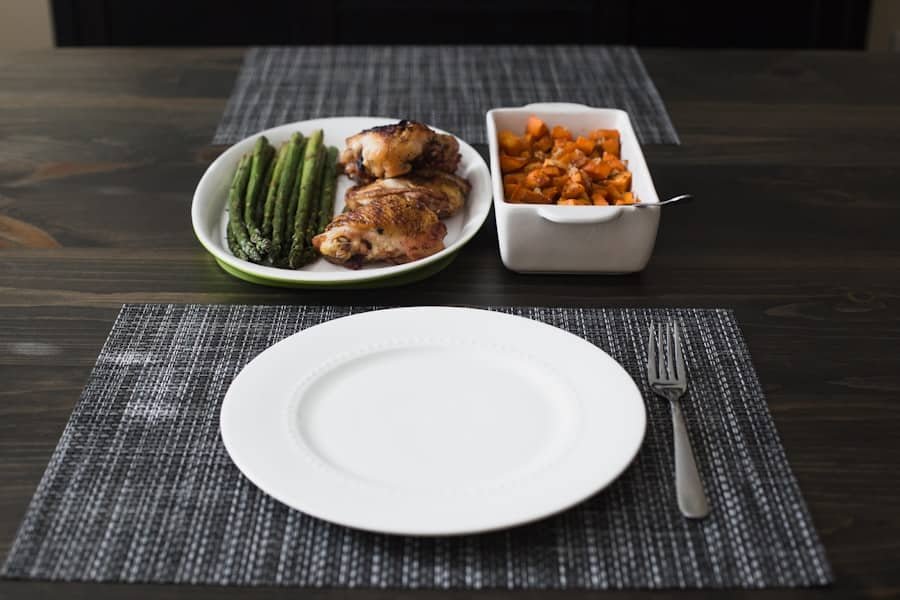
For lunch, a quinoa salad with black beans, corn, diced tomatoes, and avocado offers a balanced mix of protein and fiber while being easy on the wallet. For dinner, think about preparing baked chicken thighs with roasted sweet potatoes and steamed broccoli. Chicken thighs are often more affordable than breasts while still providing ample protein.
Sweet potatoes are nutrient-dense and filling, making them an excellent carbohydrate source. To round out your day, include snacks such as Greek yogurt with honey or a handful of mixed nuts to keep your energy levels stable between meals.
Tips for Shopping on a Budget for Muscle Building Foods
Shopping on a budget doesn’t mean sacrificing quality or nutrition; it simply requires some savvy strategies. Start by making a shopping list before heading to the grocery store. This will help you stay focused on purchasing only what you need and avoid impulse buys that can quickly add up.
Additionally, consider shopping at local farmers’ markets or discount grocery stores where fresh produce and bulk items are often available at lower prices. Another effective tip is to buy in bulk whenever possible. Items like rice, oats, beans, and frozen vegetables tend to be cheaper when purchased in larger quantities.
This not only saves money but also ensures that you have staple ingredients on hand for quick meal preparation. Don’t forget to take advantage of sales and coupons; many grocery stores offer discounts on items that can be incorporated into your meal plan.
Importance of Meal Timing and Frequency for Muscle Building
Meal timing and frequency can significantly impact your muscle-building efforts. Consuming meals at regular intervals throughout the day helps maintain energy levels and supports muscle recovery. Aim for three main meals along with two to three snacks spread evenly throughout the day.
This approach ensures that your body has a steady supply of nutrients to fuel workouts and promote recovery. Post-workout nutrition is particularly crucial for muscle growth. After an intense training session, your muscles are primed for nutrient absorption.
Consuming a meal or snack rich in protein and carbohydrates within 30 minutes to two hours after exercising can enhance recovery and stimulate muscle protein synthesis. By prioritizing meal timing alongside your workout schedule, you can maximize the benefits of your training efforts.
Budget-Friendly Muscle Building Snack Ideas
Snacking can be an effective way to meet your nutritional needs without overspending. When choosing snacks for muscle building, focus on options that are high in protein and healthy fats while being budget-friendly. For instance, hard-boiled eggs are an excellent source of protein and can be made in bulk for easy grab-and-go snacks throughout the week.
Another great option is homemade protein bars made from oats, nut butter, and protein powder. These bars are not only cost-effective but also customizable based on your taste preferences. Additionally, consider snacking on cottage cheese with fruit or whole-grain crackers with hummus for a satisfying combination of protein and carbohydrates.
By incorporating these budget-friendly snacks into your routine, you can keep hunger at bay while supporting your muscle-building goals.
Conclusion and Additional Resources for Budget Muscle Building Meal Plans
In conclusion, building muscle on a budget is entirely achievable with careful planning and smart choices. By understanding the importance of nutrition, creating a structured meal plan, and shopping wisely, you can fuel your body effectively without overspending. Remember that consistency is key; sticking to your budget-friendly meal plan will yield results over time.
For further guidance on budget muscle building meal plans, consider exploring online resources such as fitness blogs or nutrition websites that offer recipes and tips tailored to your needs. You may also find community forums helpful for sharing experiences and gaining insights from others on similar journeys. With dedication and the right approach, you can successfully build muscle while maintaining financial stability.
If you are looking for more information on muscle building, you may want to check out this article on muscle gain diet plan in PDF format. This article provides a detailed guide on how to create a diet plan that will help you build muscle effectively. It includes information on the best foods to eat, meal timing, and portion sizes to optimize muscle growth. This resource can be a valuable addition to your budget muscle building meal plan.
FAQs
What is a budget muscle building meal plan?
A budget muscle building meal plan is a structured eating plan designed to help individuals gain muscle mass while sticking to a limited budget. It typically includes affordable, nutrient-dense foods that provide the necessary protein, carbohydrates, and fats for muscle growth.
What are some affordable sources of protein for a budget muscle building meal plan?
Affordable sources of protein for a budget muscle building meal plan include eggs, canned tuna, chicken thighs, Greek yogurt, cottage cheese, and beans. These options provide high-quality protein without breaking the bank.
What are some budget-friendly carbohydrate sources for a muscle building meal plan?
Budget-friendly carbohydrate sources for a muscle building meal plan include brown rice, oats, whole grain pasta, sweet potatoes, quinoa, and whole grain bread. These options provide sustained energy for workouts and muscle recovery.
What are some inexpensive sources of healthy fats for a budget muscle building meal plan?
Inexpensive sources of healthy fats for a budget muscle building meal plan include avocados, nuts, seeds, olive oil, and peanut butter. These options provide essential fatty acids and help support overall health and muscle growth.
How can I create a budget muscle building meal plan on my own?
To create a budget muscle building meal plan, start by calculating your daily calorie and macronutrient needs. Then, choose affordable protein, carbohydrate, and fat sources to meet those needs. Plan your meals in advance and consider buying in bulk or taking advantage of sales to save money. Be sure to include a variety of nutrient-dense foods to support overall health and muscle growth.