When it comes to fitness, you may often find yourself at a crossroads between bodyweight exercises and free weight exercises. Each method has its unique characteristics, advantages, and challenges. Bodyweight exercises utilize your own mass as resistance, allowing you to perform movements like push-ups, squats, and lunges without any additional equipment.
This approach emphasizes functional strength and can be done virtually anywhere, making it an appealing option for those who prefer a minimalist workout routine. On the other hand, free weight exercises involve the use of weights such as dumbbells, kettlebells, or barbells. These tools add an extra layer of resistance that can help you build muscle mass and strength more effectively.
Free weights require a certain level of technique and control, as they demand stabilization from various muscle groups during the lift. Understanding these fundamental differences can help you make informed decisions about which type of exercise aligns best with your fitness goals and lifestyle.
Key Takeaways
- Bodyweight exercises use your own body as resistance, while free weight exercises use external weights.
- Bodyweight exercises can be done anywhere without the need for equipment, while free weight exercises require access to weights and machines.
- Bodyweight exercises can improve flexibility and balance, while free weight exercises can help build muscle mass and strength.
- Bodyweight exercises activate multiple muscle groups at once, while free weight exercises allow for more targeted muscle isolation.
- Incorporating both bodyweight and free weight exercises into your routine can provide a well-rounded and balanced workout.
Benefits of Bodyweight Exercises
One of the most significant advantages of bodyweight exercises is their versatility. You can perform them in a variety of settings—whether at home, in a park, or even while traveling. This flexibility means you can maintain your fitness routine without being tied to a gym or specific equipment.
Additionally, bodyweight exercises often require little to no preparation time, allowing you to fit in a quick workout whenever you have a spare moment. Another benefit is that bodyweight exercises promote functional strength. By mimicking everyday movements, these exercises help improve your overall mobility and coordination.
For instance, movements like squats and push-ups engage multiple muscle groups simultaneously, enhancing your body’s ability to perform daily tasks more efficiently. This functional approach not only builds strength but also contributes to better balance and stability, which are crucial for injury prevention.
Benefits of Free Weight Exercises
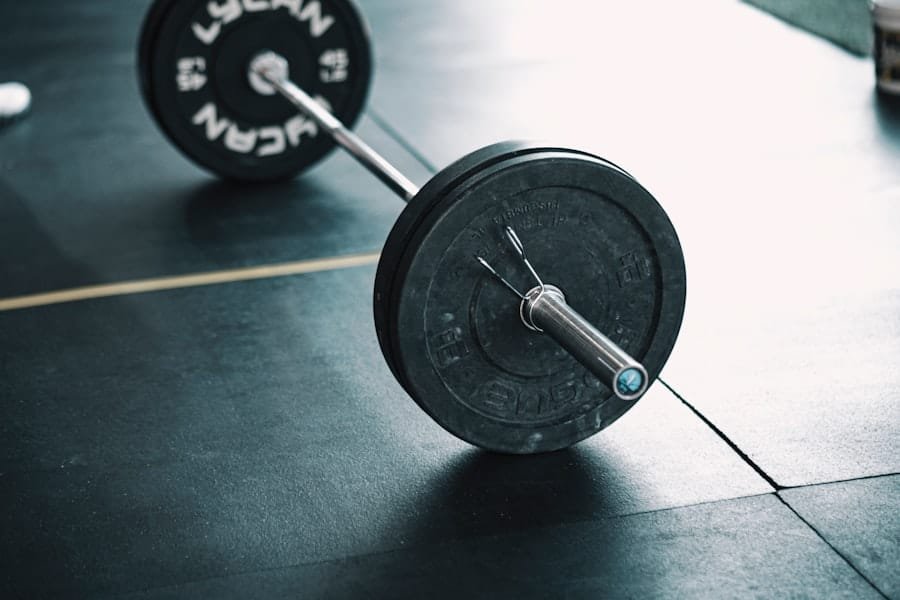
Free weight exercises offer a distinct set of benefits that can significantly enhance your fitness journey. One of the primary advantages is the ability to progressively overload your muscles. By gradually increasing the weight you lift, you can stimulate muscle growth and strength gains more effectively than with bodyweight exercises alone.
This principle of progressive overload is essential for anyone looking to achieve specific fitness goals, such as building muscle mass or increasing overall strength. Moreover, free weights allow for a greater range of motion compared to machines or bodyweight exercises. This increased range can lead to better muscle activation and engagement during your workouts.
For example, when performing a bench press with dumbbells, you can adjust the angle and position of the weights to target different areas of your chest and shoulders more effectively. This versatility not only keeps your workouts interesting but also helps prevent plateaus by continually challenging your muscles in new ways.
Muscle Activation and Targeting
When it comes to muscle activation, both bodyweight and free weight exercises have their strengths. Bodyweight exercises often engage multiple muscle groups simultaneously, promoting overall strength and coordination. For instance, a pull-up not only works your back muscles but also engages your arms and core for stabilization.
This compound movement is excellent for building functional strength that translates well into everyday activities. In contrast, free weight exercises allow for more targeted muscle engagement. With the ability to adjust weights and angles, you can isolate specific muscles more effectively.
For example, if you’re looking to focus on your biceps, performing a bicep curl with a dumbbell allows you to concentrate solely on that muscle group. This targeted approach can be particularly beneficial if you’re aiming to correct muscle imbalances or enhance specific areas of your physique.
Equipment and Accessibility
One of the most appealing aspects of bodyweight exercises is their accessibility. You don’t need any specialized equipment to get started; your body is all you need. This makes it easy for anyone to begin their fitness journey without the intimidation that sometimes accompanies gym environments or complex machinery.
Whether you’re at home or outdoors, you can create an effective workout routine using just your body weight. In contrast, free weight exercises require access to weights and potentially other equipment like benches or racks. While many gyms are well-equipped with a variety of free weights, not everyone has the luxury of access to such facilities.
However, investing in a few basic pieces of equipment for home use—like dumbbells or resistance bands—can open up a world of possibilities for your workouts. The key is finding what works best for you and your circumstances while ensuring that you have the tools necessary to achieve your fitness goals.
Progression and Adaptation
Progression is a crucial element in any workout regimen, and both bodyweight and free weight exercises offer unique pathways for adaptation. With bodyweight exercises, you can increase difficulty by modifying the movement itself—such as elevating your feet during push-ups or adding explosive movements like jump squats. These variations keep your workouts challenging and engaging while allowing you to track your progress over time.
Free weight exercises also provide ample opportunities for progression through incremental weight increases. You can start with lighter weights and gradually add more as you become stronger. This method not only helps in building muscle but also allows for precise tracking of your strength gains.
Additionally, free weights enable you to incorporate advanced techniques like supersets or drop sets, which can further enhance your training intensity and effectiveness.
Injury Risk and Safety
While both bodyweight and free weight exercises have their benefits, they also come with inherent risks if not performed correctly. Bodyweight exercises generally have a lower risk of injury since they rely on natural movements that your body is accustomed to. However, improper form or overexertion can still lead to strains or injuries, particularly if you’re pushing yourself too hard without adequate warm-up or recovery.
Free weight exercises carry a higher risk due to the added resistance involved. If you’re unfamiliar with proper lifting techniques or attempt to lift weights that are too heavy, you may be more susceptible to injuries such as sprains or strains. It’s essential to prioritize safety by learning correct form and starting with manageable weights before progressing.
Additionally, consider working with a trainer if you’re new to free weights; they can provide valuable guidance on technique and safety measures.
Incorporating Both into Your Workout Routine
To maximize your fitness results, consider incorporating both bodyweight and free weight exercises into your routine. Each method complements the other beautifully; bodyweight exercises can serve as an excellent warm-up or active recovery between sets of heavier lifts. By alternating between the two types of training, you can create a balanced program that enhances overall strength, endurance, and flexibility.
For instance, you might start your workout with a series of dynamic bodyweight movements like lunges or push-ups to get your heart rate up and muscles warmed up before transitioning into heavier free weight lifts like deadlifts or bench presses. This combination not only keeps your workouts varied but also ensures that you’re engaging different muscle groups effectively throughout your session. Ultimately, finding the right balance between bodyweight and free weight exercises will help you achieve a well-rounded fitness regimen tailored to your individual goals and preferences.
In conclusion, understanding the differences between bodyweight and free weight exercises is essential for crafting an effective workout routine that aligns with your fitness aspirations. Both methods offer unique benefits that can enhance your strength, mobility, and overall health when incorporated thoughtfully into your regimen. By recognizing how each type of exercise contributes to muscle activation, progression, safety, and accessibility, you can make informed choices that will lead you toward achieving your fitness goals while enjoying the journey along the way.
If you are interested in learning more about how to build muscle effectively, I recommend checking out this article on musclesbuilder.tips. It provides valuable information on different strategies and techniques for maximizing muscle growth. Additionally, if you are struggling with hitting a plateau in your muscle-building journey, this article on musclesbuilder.tips offers helpful tips to overcome stagnation and continue making progress. And for those looking to optimize their diet for lean muscle gain, this article on musclesbuilder.tips provides a comprehensive diet plan to support your muscle-building goals.
FAQs
What are bodyweight exercises?
Bodyweight exercises are strength training exercises that use the individual’s own weight to provide resistance against gravity. Examples include push-ups, squats, and lunges.
What are free weight exercises?
Free weight exercises are strength training exercises that use external resistance in the form of dumbbells, barbells, or kettlebells. Examples include bicep curls, bench press, and deadlifts.
What are the benefits of bodyweight exercises?
Bodyweight exercises can be done anywhere without the need for equipment, making them convenient for home workouts or while traveling. They also help improve balance, flexibility, and functional strength.
What are the benefits of free weight exercises?
Free weight exercises allow for a greater range of motion and the ability to target specific muscle groups. They also provide progressive overload, allowing for continuous strength gains.
Which is better for building muscle, bodyweight or free weight exercises?
Both bodyweight and free weight exercises can be effective for building muscle when done with proper form and intensity. Free weight exercises may allow for greater resistance and muscle isolation, while bodyweight exercises can provide functional strength and endurance.
Can bodyweight exercises be used as a substitute for free weight exercises?
Bodyweight exercises can be a valuable substitute for free weight exercises, especially for individuals who may not have access to gym equipment. However, a combination of both types of exercises can provide a well-rounded strength training routine.
Are bodyweight exercises suitable for beginners?
Bodyweight exercises are often recommended for beginners as they allow individuals to focus on mastering proper form and technique before progressing to more advanced exercises with free weights.
Are free weight exercises suitable for beginners?
Free weight exercises can be suitable for beginners with proper instruction and supervision to ensure safety and proper form. It is important for beginners to start with lighter weights and gradually increase the load as strength and technique improve.