
Building lean muscle is a fundamental aspect of fitness that goes beyond aesthetics. It plays a crucial role in enhancing your overall health and well-being. When you focus on developing lean muscle, you not only improve your physical appearance but also boost your metabolism, which can aid in weight management.
Lean muscle mass is metabolically active, meaning it burns more calories at rest compared to fat tissue. This increased metabolic rate can help you maintain a healthy weight and reduce the risk of obesity-related diseases. Moreover, lean muscle building contributes to improved strength and endurance.
As you increase your muscle mass, you will find that everyday activities become easier, whether it’s lifting groceries, climbing stairs, or participating in sports. This functional strength can enhance your quality of life and allow you to engage in physical activities with greater ease and enjoyment. Additionally, building lean muscle can improve your bone density, reducing the risk of osteoporosis as you age.
Therefore, investing time and effort into lean muscle building is not just about looking good; it’s about fostering a healthier, more active lifestyle.
Key Takeaways
- Lean muscle building is important for overall health and metabolism
- Nutrition plays a crucial role in supporting lean muscle growth
- Resistance training is essential for building and maintaining lean muscle mass
- High-Intensity Interval Training (HIIT) can help increase muscle mass and improve overall fitness
- Recovery and rest are crucial for muscle repair and growth
Nutrition for Lean Muscle Building
Nutrition plays a pivotal role in your journey toward building lean muscle. To support muscle growth, you need to consume a balanced diet rich in protein, healthy fats, and carbohydrates. Protein is particularly important as it provides the building blocks (amino acids) necessary for muscle repair and growth.
Aim to include high-quality protein sources in your meals, such as lean meats, fish, eggs, dairy products, legumes, and plant-based proteins like quinoa and tofu. Consuming protein-rich foods post-workout can be especially beneficial for recovery and muscle synthesis. In addition to protein, don’t overlook the importance of carbohydrates and fats in your diet.
Carbohydrates are your body’s primary source of energy, especially during intense workouts. Incorporating whole grains, fruits, and vegetables will provide you with the necessary fuel to power through your training sessions. Healthy fats, found in foods like avocados, nuts, and olive oil, are essential for hormone production and overall health.
Striking the right balance between these macronutrients will ensure that your body has the energy it needs to build lean muscle effectively.
The Role of Resistance Training

Resistance training is a cornerstone of any effective lean muscle-building program. Engaging in exercises that challenge your muscles stimulates growth by creating micro-tears in the muscle fibers. As these fibers repair themselves, they become stronger and larger.
You can incorporate various forms of resistance training into your routine, including free weights, resistance bands, or bodyweight exercises. The key is to progressively overload your muscles by gradually increasing the weight or resistance over time. In addition to traditional weightlifting, consider incorporating compound movements into your routine.
Exercises like squats, deadlifts, bench presses, and pull-ups engage multiple muscle groups simultaneously, promoting overall strength and efficiency in your workouts. Aim for a balanced routine that targets all major muscle groups at least twice a week. This approach not only helps you build lean muscle but also improves your functional strength and athletic performance.
Incorporating High-Intensity Interval Training (HIIT)
High-Intensity Interval Training (HIIT) is an effective way to complement your resistance training while promoting fat loss and cardiovascular fitness. HIIT involves alternating between short bursts of intense exercise and periods of rest or lower-intensity activity. This method not only saves time but also maximizes calorie burn during and after your workout due to the afterburn effect known as excess post-exercise oxygen consumption (EPOC).
Incorporating HIIT into your routine can enhance your overall fitness level while preserving lean muscle mass. For instance, you might combine bodyweight exercises like burpees or jump squats with short rest intervals to create a challenging workout that elevates your heart rate. This approach allows you to maintain muscle while improving endurance and burning fat simultaneously.
As you progress, you can adjust the intensity and duration of your intervals to keep challenging yourself.
The Importance of Recovery and Rest
Recovery is often overlooked but is a critical component of any successful lean muscle-building program. When you engage in intense workouts, your muscles undergo stress and micro-tears that require time to heal. Adequate rest allows your body to repair these muscles and adapt to the training stimulus, ultimately leading to growth.
Without proper recovery, you risk overtraining, which can lead to fatigue, decreased performance, and even injury. To optimize recovery, prioritize sleep as it plays a vital role in muscle repair and overall health. Aim for 7-9 hours of quality sleep each night to support your body’s recovery processes.
Additionally, consider incorporating active recovery days into your routine—these can include light activities like walking or yoga that promote blood flow without placing excessive strain on your muscles. Listening to your body is essential; if you feel fatigued or sore, don’t hesitate to take an extra rest day or modify your training plan accordingly.
The Role of Supplements in Lean Muscle Building
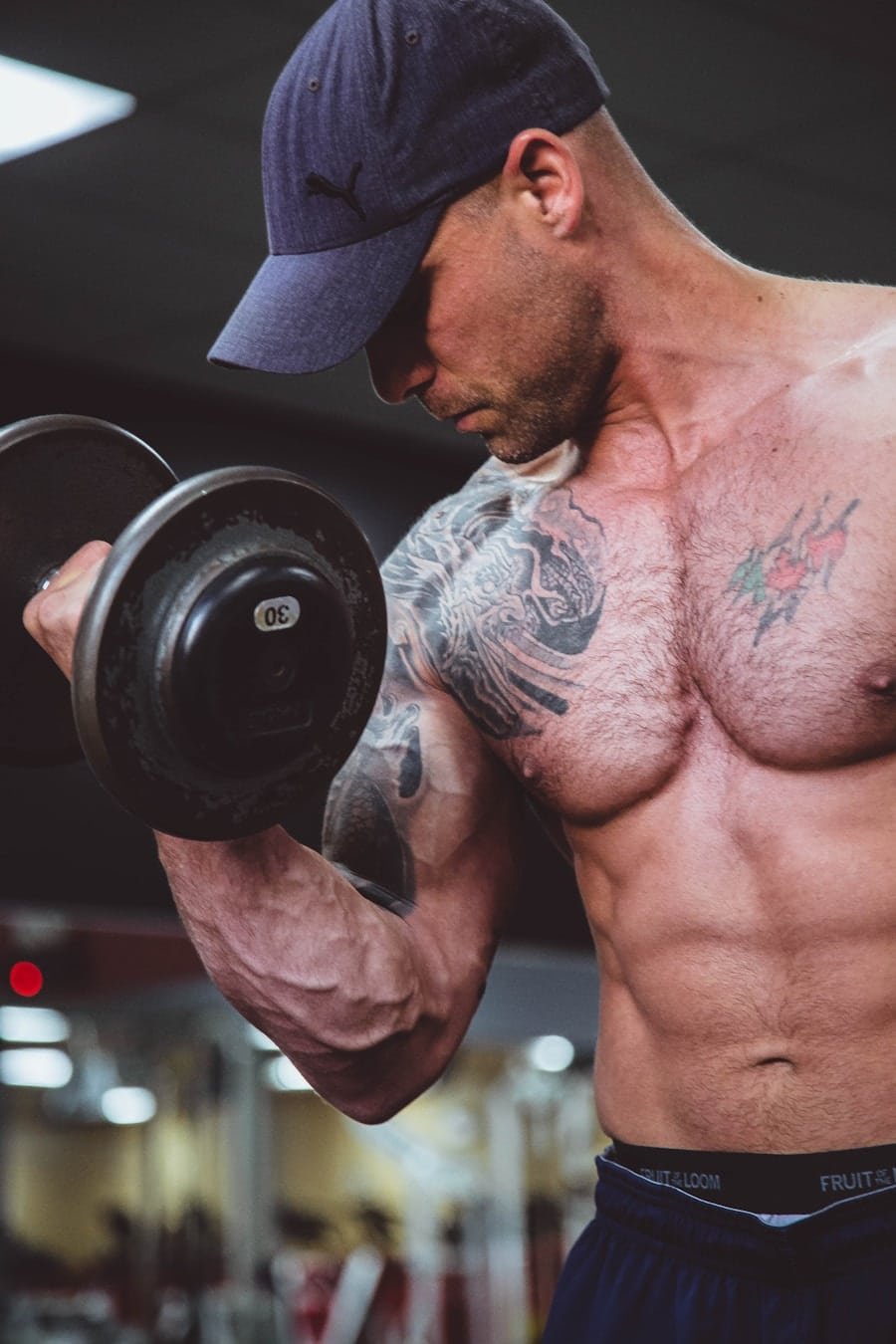
While a well-rounded diet should be your primary source of nutrients for building lean muscle, supplements can play a supportive role when used appropriately. Protein powders are among the most popular supplements for those looking to increase their protein intake conveniently. They can be particularly useful post-workout when you need a quick source of protein for recovery.
However, it’s essential to choose high-quality protein powders that are free from unnecessary additives. Other supplements worth considering include creatine and branched-chain amino acids (BCAAs). Creatine has been shown to enhance strength and power during high-intensity exercise, making it a valuable addition to your training regimen.
BCAAs may help reduce muscle soreness and promote recovery when taken before or after workouts. However, it’s crucial to remember that supplements should complement a balanced diet rather than replace whole foods. Always consult with a healthcare professional before starting any new supplement regimen.
Tracking Progress and Adjusting Training
Tracking your progress is vital for staying motivated and ensuring that you’re on the right path toward building lean muscle. Keeping a workout journal or using fitness apps can help you monitor your workouts, including the weights lifted, sets completed, and any changes in body measurements or composition. Regularly assessing your progress allows you to identify what’s working well and where adjustments may be needed.
As you track your progress, be open to adjusting your training program based on your results and goals. If you find that you’re no longer making gains or hitting plateaus, consider changing up your routine by varying exercises, increasing weights, or altering rep ranges. Additionally, setting specific short-term goals can help keep you focused and motivated throughout your journey.
The Mental Aspect of Lean Muscle Building
Building lean muscle is not just a physical endeavor; it also requires mental fortitude and resilience. Your mindset plays a significant role in how you approach training and nutrition. Cultivating a positive attitude toward your fitness journey can help you overcome challenges and stay committed to your goals.
Visualization techniques can be beneficial; imagine yourself achieving your desired physique or completing challenging workouts successfully. Moreover, developing patience is essential in this process. Building lean muscle takes time and consistent effort; results may not be immediate.
Embrace the journey rather than fixating solely on the end goal. Celebrate small victories along the way—whether it’s lifting heavier weights or noticing changes in how your clothes fit—these milestones can boost your motivation and reinforce positive habits. In conclusion, building lean muscle is a multifaceted process that encompasses nutrition, training, recovery, supplementation, tracking progress, and mental resilience.
By understanding the importance of each component and committing to a well-rounded approach, you can achieve sustainable results that enhance both your physical appearance and overall health. Remember that consistency is key; stay dedicated to your goals, listen to your body, and enjoy the journey toward becoming a stronger version of yourself.
If you are looking to build muscle after the age of 70, you may find the article “How to Build Muscle After 70: Tips and Exercises” to be helpful. This article provides valuable information on how to effectively build muscle in older age. Additionally, if you are wondering how much protein you need to consume to build muscle, the article “75kg: How Much Protein to Build Muscle” offers insights on protein intake for muscle growth. For specific chest workouts and exercises to help you achieve lean muscle building and definition, check out the article “Chest Workouts and Exercises for Lean Muscle Building”. These resources can complement the information provided in the article “Beyond Bulking: Lean Muscle Building and Definition.”
FAQs
What is lean muscle building?
Lean muscle building refers to the process of increasing muscle mass while minimizing the amount of body fat gained. This is achieved through a combination of resistance training, proper nutrition, and cardiovascular exercise.
How is lean muscle building different from bulking?
Bulking typically involves consuming excess calories to support muscle growth, which can result in gaining both muscle and fat. Lean muscle building, on the other hand, focuses on gaining muscle while keeping body fat levels low.
What are the key components of lean muscle building?
The key components of lean muscle building include a well-structured resistance training program, a balanced and nutritious diet that supports muscle growth, and adequate rest and recovery.
What role does nutrition play in lean muscle building?
Nutrition is crucial for lean muscle building, as it provides the necessary nutrients for muscle growth and repair. A diet high in protein, complex carbohydrates, healthy fats, and micronutrients is essential for supporting lean muscle development.
How does cardiovascular exercise contribute to lean muscle building?
Cardiovascular exercise helps to improve overall fitness and endurance, which can support more intense and effective resistance training. It also aids in burning excess body fat, which can help to reveal the lean muscle mass underneath.
What are some effective strategies for achieving lean muscle building and definition?
Effective strategies for lean muscle building and definition include following a structured resistance training program, consuming a balanced and nutritious diet, staying consistent with workouts and recovery, and staying hydrated. Additionally, incorporating high-intensity interval training (HIIT) and proper supplementation can also support lean muscle building and definition.