
As you age, the importance of strength training becomes increasingly evident. Engaging in regular strength training can significantly enhance your quality of life, particularly as you transition into your senior years. Not only does it help combat the natural decline in muscle mass that occurs with aging, but it also plays a crucial role in maintaining your independence.
By building and preserving muscle strength, you can perform daily activities with greater ease, from lifting groceries to climbing stairs. This empowerment fosters a sense of autonomy and confidence, allowing you to enjoy life without the limitations that often accompany aging. Moreover, strength training offers a myriad of health benefits that extend beyond mere muscle building.
It has been shown to improve bone density, which is vital in preventing osteoporosis—a condition that affects many older adults. Additionally, regular strength training can enhance your metabolic rate, helping you manage weight more effectively. This is particularly important as metabolism tends to slow down with age.
By incorporating strength training into your routine, you not only build muscle but also create a foundation for better overall health, reducing the risk of chronic diseases such as diabetes and heart disease.
Key Takeaways
- Strength training is crucial for older men to maintain muscle mass, bone density, and overall health.
- Older men should focus on consuming adequate protein, healthy fats, and complex carbohydrates to support muscle building.
- Hormones like testosterone and growth hormone play a key role in muscle building after 60, and can be supported through proper nutrition and exercise.
- Resistance training, including weightlifting and bodyweight exercises, are the best types of exercises for building muscle in older men.
- Adequate rest, recovery, and proper nutrition are essential for older men to prevent injury and support muscle building.
Nutritional Guidelines for Muscle Building in Older Men
When it comes to building muscle after 60, nutrition plays a pivotal role in your success. As you embark on this journey, it’s essential to focus on a balanced diet rich in protein, healthy fats, and complex carbohydrates. Protein is particularly crucial for muscle repair and growth; therefore, aim to include high-quality protein sources in every meal.
Foods such as lean meats, fish, eggs, dairy products, legumes, and nuts should be staples in your diet. A general guideline is to consume around 1.2 to 2.0 grams of protein per kilogram of body weight daily, depending on your activity level and goals. In addition to protein, don’t overlook the importance of healthy fats and carbohydrates.
Healthy fats found in avocados, olive oil, and fatty fish can support hormone production and overall health. Carbohydrates are equally important as they provide the energy needed for your workouts. Opt for whole grains, fruits, and vegetables to fuel your body effectively.
Staying hydrated is also vital; water plays a key role in muscle function and recovery. By adhering to these nutritional guidelines, you can create an optimal environment for muscle growth and overall well-being.
The Role of Hormones in Muscle Building After 60
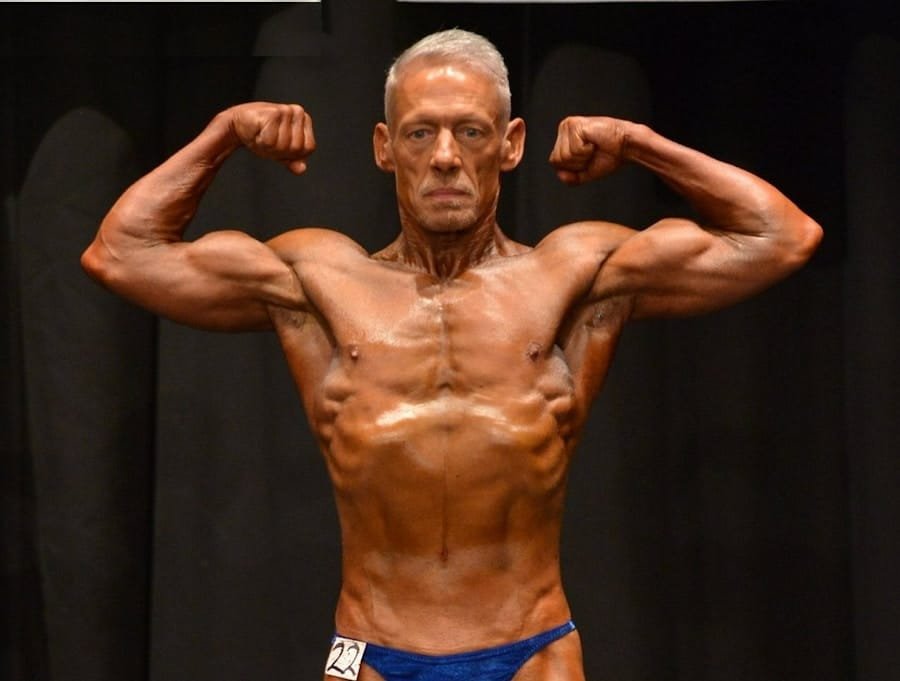
As you age, hormonal changes can significantly impact your ability to build muscle. Testosterone and growth hormone levels tend to decline after the age of 30, which can hinder muscle development and recovery. Understanding these changes is crucial for tailoring your approach to strength training.
While you may not be able to reverse these hormonal shifts entirely, you can take proactive steps to mitigate their effects. Engaging in regular strength training has been shown to naturally boost testosterone levels, which can enhance muscle growth and improve overall vitality. Additionally, it’s essential to recognize the role of other hormones such as insulin and cortisol in muscle building.
Insulin helps transport nutrients into your muscles, while cortisol—often referred to as the stress hormone—can lead to muscle breakdown if levels remain elevated for prolonged periods. By managing stress through mindfulness practices or relaxation techniques, you can help maintain a healthier hormonal balance that supports your muscle-building efforts. Understanding these hormonal dynamics empowers you to make informed choices about your training and lifestyle.
The Best Types of Exercises for Building Muscle in Older Men
When it comes to selecting exercises for building muscle after 60, it’s essential to focus on movements that promote strength while minimizing the risk of injury. Compound exercises that engage multiple muscle groups are particularly effective. Movements such as squats, deadlifts, bench presses, and rows not only build strength but also improve functional fitness—making everyday tasks easier.
Incorporating resistance bands or free weights can add variety and challenge to your workouts while allowing for gradual progression. In addition to compound exercises, consider incorporating bodyweight movements into your routine. Exercises like push-ups, lunges, and planks can be modified to suit your fitness level while still providing significant benefits.
Balance and flexibility exercises should also be included; activities such as yoga or tai chi can enhance stability and prevent falls—an important consideration as you age. By diversifying your exercise regimen with a mix of strength training, flexibility work, and balance training, you can create a well-rounded program that supports muscle growth and overall health.
Recovery and Rest for Older Men in Muscle Building
Recovery is a critical component of any strength training program, especially for older men. As you age, your body may require more time to recover from workouts due to slower healing processes and increased susceptibility to fatigue. It’s essential to listen to your body and allow adequate rest between training sessions.
Aim for at least 48 hours of recovery for each muscle group before targeting it again; this will help prevent overtraining and reduce the risk of injury. Incorporating active recovery days into your routine can also be beneficial. Activities such as walking, swimming, or gentle stretching can promote blood flow and aid in recovery without placing excessive strain on your muscles.
Additionally, prioritize sleep; quality rest is vital for muscle repair and overall health. Establishing a consistent sleep schedule and creating a relaxing bedtime routine can enhance the quality of your sleep, further supporting your muscle-building efforts.
How to Avoid Injury While Building Muscle After 60

Injury prevention should be a top priority as you embark on your muscle-building journey after 60. One of the most effective ways to minimize the risk of injury is by focusing on proper form during exercises. Take the time to learn the correct techniques for each movement; consider working with a qualified trainer who can provide guidance tailored to your needs.
Additionally, warming up before workouts is crucial; dynamic stretches and light cardio can prepare your muscles and joints for more intense activity. Another key aspect of injury prevention is listening to your body’s signals. If you experience pain or discomfort during an exercise, it’s essential to stop and assess the situation rather than pushing through the pain.
Gradually increasing the intensity of your workouts allows your body to adapt without overwhelming it. Incorporating flexibility and mobility work into your routine can also enhance joint health and reduce the likelihood of injuries. By prioritizing safety and being mindful of your body’s limits, you can enjoy a successful and injury-free muscle-building experience.
The Benefits of Building Muscle After 60 for Overall Health
Building muscle after 60 offers a wealth of benefits that extend far beyond aesthetics or physical strength. One of the most significant advantages is improved metabolic health; increased muscle mass boosts your resting metabolic rate, making it easier to maintain a healthy weight. This is particularly important as excess weight can lead to various health issues such as diabetes and cardiovascular disease.
Furthermore, strength training has been linked to enhanced mental health outcomes. Engaging in regular physical activity releases endorphins—natural mood lifters that can help combat feelings of anxiety or depression. Additionally, maintaining an active lifestyle fosters social connections through group classes or workout partners, contributing positively to emotional well-being.
The cumulative effects of building muscle after 60 create a foundation for a healthier, happier life as you age.
Tips for Staying Motivated and Consistent in Muscle Building After 60
Staying motivated on your muscle-building journey after 60 can sometimes be challenging; however, there are several strategies you can employ to maintain consistency. Setting realistic goals is crucial; rather than aiming for drastic changes overnight, focus on small milestones that celebrate progress along the way. Whether it’s increasing the weight you lift or completing an additional set of exercises, acknowledging these achievements can boost your motivation.
Creating a structured workout schedule can also help keep you accountable. Designate specific days and times for your strength training sessions and treat them as non-negotiable appointments for yourself. Additionally, consider finding a workout buddy or joining a fitness group; having someone to share the experience with can make workouts more enjoyable and provide mutual encouragement.
Lastly, remember to celebrate your journey—embrace the process rather than fixating solely on results. By cultivating a positive mindset and surrounding yourself with supportive influences, you can stay motivated and committed to building muscle well into your golden years.
If you are a male over 60 looking to build muscle, you may also be interested in learning about the importance of having a proper workout plan. Check out this article on how to create an effective muscle-building workout plan to maximize your results. Additionally, for those over 50 who are looking to gain muscle, this article on muscle gain after 50 provides valuable tips and insights. And if you are looking to build muscle while also losing fat, this article on how to build muscle and lose fat offers helpful advice on achieving both goals simultaneously.
FAQs
What are the benefits of building muscle after 60 for males?
Building muscle after 60 for males can help improve strength, balance, and overall physical function. It can also help prevent age-related muscle loss and maintain a healthy weight.
What is the best way to build muscle after 60 for males?
The best way to build muscle after 60 for males is through a combination of resistance training, proper nutrition, and adequate rest. It’s important to start with light weights and gradually increase the intensity to avoid injury.
How often should older males exercise to build muscle?
Older males should aim to do resistance training exercises at least 2-3 times per week, allowing for rest days in between to allow the muscles to recover and grow.
What are some good exercises for building muscle after 60 for males?
Good exercises for building muscle after 60 for males include squats, lunges, chest presses, bicep curls, and shoulder presses. It’s important to focus on compound movements that work multiple muscle groups at once.
Is it necessary to adjust diet and nutrition to build muscle after 60 for males?
Yes, it is necessary to adjust diet and nutrition to support muscle building after 60 for males. Older males should focus on consuming adequate protein, healthy fats, and complex carbohydrates to support muscle growth and recovery.
Are there any potential risks or considerations for older males when building muscle?
Older males should be mindful of any existing health conditions or injuries that may affect their ability to engage in resistance training. It’s important to consult with a healthcare professional before starting a new exercise program.