Establishing a proper home gym setup is crucial for anyone serious about fitness and muscle gain. When you create a dedicated space for your workouts, you not only enhance your physical environment but also cultivate a mindset geared toward success. A well-organized gym can eliminate distractions, making it easier for you to focus on your training.
You’ll find that having your equipment readily available encourages you to stick to your routine, ultimately leading to better results. The convenience of working out at home means you can fit exercise into your schedule without the hassle of commuting to a gym. Moreover, a personalized home gym allows you to tailor your environment to suit your preferences.
You can choose the colors, lighting, and even the music that motivates you. This level of customization can significantly impact your workout experience, making it more enjoyable and less of a chore. When you feel comfortable and inspired in your workout space, you are more likely to push yourself and stay committed to your fitness journey.
In essence, a proper home gym setup is not just about the equipment; it’s about creating an atmosphere that fosters growth and determination.
Key Takeaways
- A proper home gym setup is important for convenience, consistency, and privacy in your fitness routine.
- Equipment essentials for muscle gain at home include adjustable dumbbells, a barbell with weights, a bench, resistance bands, and a pull-up bar.
- Designing an effective workout space involves maximizing natural light, ventilation, and minimizing clutter for a motivating environment.
- Creating a balanced workout routine should include strength training, cardio, flexibility, and rest days for optimal muscle gain and overall fitness.
- Nutrition and supplementation play a crucial role in muscle gain, with a focus on protein intake, balanced meals, and considering supplements like creatine and BCAAs.
Equipment Essentials for Muscle Gain at Home
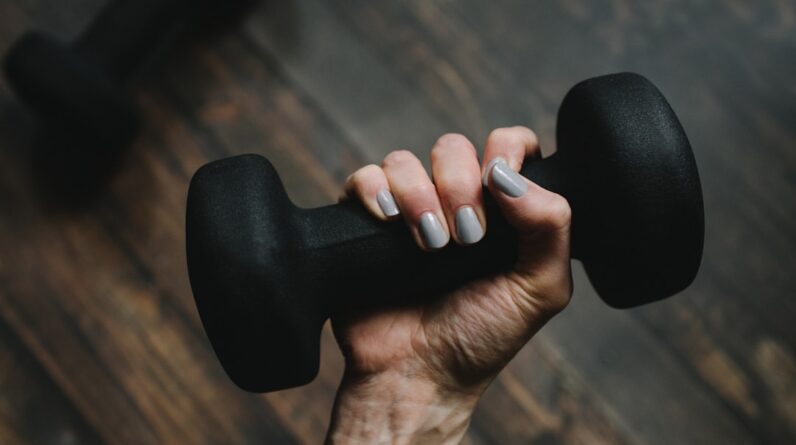
When it comes to building muscle at home, having the right equipment is essential. You don’t need a vast array of machines; instead, focus on versatile tools that can help you achieve your goals. Free weights, such as dumbbells and kettlebells, are excellent choices because they allow for a wide range of exercises targeting various muscle groups.
Resistance bands are another fantastic addition, providing adjustable resistance levels that can challenge you as you progress. These tools are not only effective but also space-efficient, making them ideal for home use. In addition to free weights and bands, consider investing in a sturdy bench and a pull-up bar.
A bench can enhance your workout by allowing you to perform exercises like bench presses and step-ups, while a pull-up bar is invaluable for upper body strength training. If space permits, a squat rack can also be beneficial for safely performing squats and other compound movements. Remember, the key is to select equipment that aligns with your fitness goals and allows for progressive overload, which is vital for muscle growth.
Designing an Effective Workout Space
Designing an effective workout space goes beyond merely placing equipment in a room; it involves creating an environment that promotes focus and efficiency. Start by choosing a location in your home that is free from distractions. Ideally, this space should be well-ventilated and have enough room for movement.
Consider the flooring as well; rubber mats or foam tiles can provide cushioning and protect your floors while also reducing noise during workouts. Lighting plays a significant role in how you feel during your workouts. Natural light can boost your mood and energy levels, so if possible, set up your gym near a window.
If natural light isn’t an option, invest in bright, adjustable lighting that mimics daylight. Additionally, personalize the space with motivational quotes or images that inspire you. By creating an inviting atmosphere, you’ll find it easier to stay committed to your fitness routine and enjoy the process of building muscle.
Creating a Balanced Workout Routine
A balanced workout routine is essential for muscle gain and overall fitness. To achieve this, you should incorporate a mix of strength training, cardiovascular exercise, and flexibility work into your weekly schedule. Strength training should be the cornerstone of your routine, focusing on compound movements that engage multiple muscle groups simultaneously.
Exercises like squats, deadlifts, and bench presses are excellent choices for building strength and mass. In addition to strength training, don’t neglect cardiovascular exercise. Incorporating activities like running, cycling, or high-intensity interval training (HIIT) can improve your heart health and enhance your endurance.
Flexibility work is equally important; consider adding yoga or stretching sessions to your routine to improve mobility and prevent injuries. By balancing these elements, you’ll create a well-rounded program that supports muscle gain while promoting overall health.
Nutrition and Supplementation for Muscle Gain
Nutrition plays a pivotal role in muscle gain, as the food you consume provides the building blocks necessary for recovery and growth. To maximize your results, focus on a diet rich in protein, healthy fats, and complex carbohydrates. Protein is particularly important; aim for sources like lean meats, fish, eggs, legumes, and dairy products to support muscle repair after workouts.
Additionally, incorporating healthy fats from sources like avocados, nuts, and olive oil can provide sustained energy for your training sessions. While whole foods should be the foundation of your diet, supplementation can also play a role in supporting muscle gain. Protein powders can be convenient for meeting your daily protein needs, especially post-workout when your muscles are primed for recovery.
Creatine is another popular supplement known for enhancing strength and performance during high-intensity workouts. However, it’s essential to consult with a healthcare professional before starting any supplementation regimen to ensure it aligns with your individual needs.
Setting Realistic Goals and Tracking Progress
Setting realistic goals is crucial for maintaining motivation and achieving success in your fitness journey. Start by defining specific objectives related to muscle gain—whether it’s increasing the weight you lift or achieving a certain physique. Break these larger goals into smaller, manageable milestones that allow you to celebrate progress along the way.
This approach not only keeps you focused but also provides a sense of accomplishment as you reach each target. Tracking your progress is equally important in this process. Consider keeping a workout journal or using fitness apps to log your exercises, weights lifted, and body measurements over time.
This data will help you identify patterns in your training and make necessary adjustments to continue progressing. Additionally, regular assessments—such as taking progress photos or measuring body composition—can provide visual motivation and reinforce the hard work you’re putting into your home gym routine.
Rest and Recovery in a Home Gym Setting
Rest and recovery are often overlooked aspects of any fitness regimen but are vital for muscle growth and overall well-being. When you engage in intense workouts, your muscles experience micro-tears that need time to heal and rebuild stronger. Ensure that you incorporate rest days into your weekly schedule to allow your body the time it needs to recover fully.
This doesn’t mean being inactive; consider engaging in light activities like walking or yoga on rest days to promote blood flow without overexerting yourself. In addition to scheduled rest days, prioritize quality sleep as part of your recovery strategy. Aim for 7-9 hours of sleep each night to support muscle repair and hormonal balance.
Pay attention to your body’s signals; if you’re feeling fatigued or experiencing persistent soreness, it may be time to adjust your workout intensity or frequency. By respecting the importance of rest and recovery in your home gym setting, you’ll set yourself up for long-term success in achieving your muscle gain goals.
Tips for Staying Motivated and Consistent
Staying motivated and consistent with your home gym routine can be challenging at times, but there are several strategies you can employ to keep yourself on track. First and foremost, establish a workout schedule that fits seamlessly into your daily life. Treat these sessions as non-negotiable appointments for yourself; this mindset will help reinforce the importance of prioritizing your fitness journey.
Another effective way to maintain motivation is by finding a workout buddy or joining online fitness communities. Sharing your goals with others creates accountability and provides support during challenging times. Additionally, consider varying your workouts to keep things fresh and exciting; trying new exercises or workout formats can reignite your passion for training.
Lastly, always remind yourself of the reasons why you started this journey—whether it’s improving health, building confidence, or achieving specific fitness goals—and let that drive propel you forward on days when motivation wanes. In conclusion, creating an effective home gym setup involves careful consideration of various factors—from equipment selection to nutrition strategies—each playing a vital role in achieving muscle gain goals. By prioritizing these elements and maintaining a balanced approach to training and recovery, you’ll be well on your way to transforming not just your physique but also your overall health and well-being.
If you are looking to maximize your muscle gain at home, you may want to consider incorporating creatine into your routine. According to a recent article on musclesbuilder.tips), can help you track your progress and adjust your workout and nutrition plan accordingly. For a comprehensive approach to muscle gain at home, consider incorporating full-body workouts into your routine as well, as outlined in yet another article on musclesbuilder.tips.
FAQs
What is the best setup for muscle gain at home?
The best setup for muscle gain at home includes a combination of resistance training equipment such as dumbbells, resistance bands, and a pull-up bar, as well as a stable surface for exercises like push-ups and dips.
What are the essential equipment for muscle gain at home?
Essential equipment for muscle gain at home includes dumbbells, resistance bands, a pull-up bar, and a stable surface for bodyweight exercises. These tools provide a variety of resistance levels and exercise options for a well-rounded workout.
How can I set up a home gym for muscle gain?
To set up a home gym for muscle gain, designate a space with enough room for exercise movements. Invest in essential equipment such as dumbbells, resistance bands, a pull-up bar, and a stable surface for bodyweight exercises. Consider adding additional equipment like a bench and kettlebells for more exercise variety.
What are the benefits of working out at home for muscle gain?
Working out at home for muscle gain offers convenience, flexibility, and cost savings compared to a gym membership. It also allows for privacy and customization of the workout environment to suit individual preferences.
How can I maximize muscle gain at home?
To maximize muscle gain at home, focus on compound exercises that target multiple muscle groups, progressively increase resistance levels, maintain a balanced diet, and ensure adequate rest and recovery. Consistency and proper form are also key factors in maximizing muscle gain.